
Digital rearview mirror cameras can be a great upgrade, offering clearer, wider views that improve your driving safety. They help reduce blind spots and perform better in bad weather conditions, making your trips safer and more confident. However, installation can be tricky and may require professional help, especially on older vehicles. If you want to know whether the benefits outweigh the challenges for your car, keep exploring the details ahead.
Key Takeaways
- They provide clearer, wider, and more reliable rear visibility, especially in adverse weather conditions.
- Installation can be complex and may require professional help, increasing overall costs.
- They enhance safety by reducing blind spots and offering real-time alerts and guidelines.
- Compatibility issues with older vehicles may necessitate additional modifications or custom fittings.
- Overall, they can significantly improve driving awareness and safety despite installation challenges.

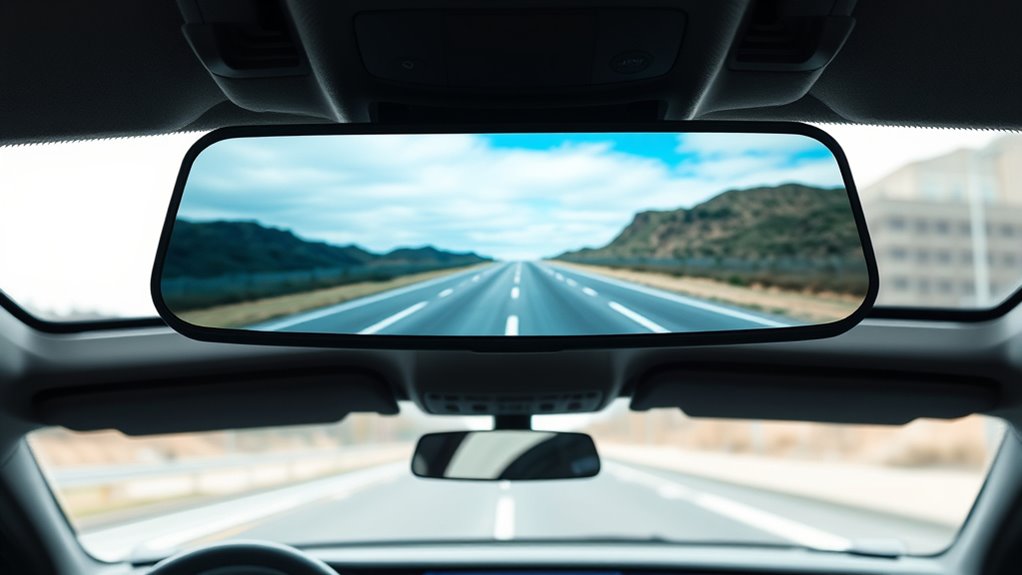
Digital rearview mirror cameras are transforming how you see behind your vehicle by replacing traditional mirrors with high-resolution screens. This modern technology offers a clearer, wider view of what’s behind you, especially useful in tricky situations like heavy rain, fog, or when your cargo blocks visibility. Instead of relying solely on a mirror that can be obscured or distorted, you get a real-time video feed that stays consistent, helping you monitor your surroundings more effectively. For drivers prioritizing safety, this upgrade can make a noticeable difference by reducing blind spots and enhancing overall awareness.
Digital rearview cameras provide a clearer, wider view behind your vehicle, enhancing safety in challenging visibility conditions.
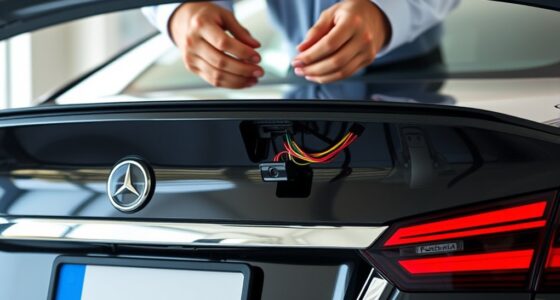
However, switching to digital rearview mirrors isn’t without its challenges. One of the main concerns is installation. Unlike standard mirrors, these systems require integrating a camera onto the vehicle’s exterior and connecting it to a screen inside. This process can be complex, especially if your car wasn’t originally designed for such technology. You might encounter issues with fitting the camera securely, ensuring proper wiring, or aligning the display for ideal visibility. Some vehicles may need custom brackets or adapters, which can add to the cost and time needed for installation. If you’re not comfortable with DIY projects, professional installation might be necessary, potentially increasing the expense.
Beyond installation, you also need to think about compatibility and whether your vehicle’s electrical system can support the new technology. Some older models may require additional modifications, which can be a hassle and may void warranties or insurance coverage if not done correctly. It’s important to research your specific vehicle make and model to understand the requirements beforehand. Although many manufacturers aim to make these systems user-friendly, there’s still a learning curve involved in adjusting to a digital display instead of a traditional mirror. Additionally, understanding the benefits of deep-sky imaging can provide insights into how advanced technology enhances clarity and visibility in different contexts.
Despite these challenges, the benefits to driver safety are compelling. The wider field of view helps you spot pedestrians, cyclists, and other vehicles more easily, especially in crowded or low-visibility conditions. Plus, the digital display can sometimes include helpful features like parking guidelines or alerts for objects close to your vehicle. When installed properly, a digital rearview mirror can considerably improve your situational awareness and make driving safer.
Frequently Asked Questions
Do Digital Rearview Mirror Cameras Work Well in Low-Light Conditions?
Digital rearview mirror cameras generally work well in low-light conditions thanks to their infrared sensitivity and night vision features. You’ll notice clearer images and better visibility even in darkness or fog. These cameras often use infrared LEDs to enhance night vision, making it easier to see behind you. So, if you’re concerned about poor visibility at night, a digital mirror with good infrared sensitivity can be a reliable upgrade.
Are Digital Rearview Mirror Cameras Legal in All States or Countries?
You should check regional regulations because digital rearview mirror cameras aren’t legal everywhere. Laws vary by state or country, and some regions have specific legal considerations regarding their use. Before you install one, make certain you understand local rules to avoid fines or issues. In some places, these cameras are fully legal, while others might restrict or require certain features for compliance. Always verify regional regulations before making the switch.
How Do Digital Rearview Mirror Cameras Impact Vehicle Resale Value?
Digital rearview mirror cameras can boost your vehicle’s resale value, as 65% of buyers see upgraded tech as a plus. They positively influence market perception, making your car seem more modern and tech-savvy. When you install these cameras, you demonstrate that your vehicle is well-maintained and up-to-date, which can attract more buyers and potentially lead to a higher resale price.
Can Digital Rearview Mirror Cameras Be Easily Installed on Any Vehicle?
Digital rearview mirror cameras can be installed on most vehicles, but installation compatibility depends on your car’s make and model. You might need some vehicle modifications, like wiring adjustments or mounting brackets, to guarantee proper fit and functionality. If you’re comfortable with basic car upgrades, you can probably install it yourself. Otherwise, consulting a professional ensures seamless integration without risking damage or voiding your vehicle’s warranty.
What Is the Typical Lifespan of a Digital Rearview Mirror Camera?
Think of your digital rearview mirror camera as a reliable compass—its lifespan hinges on product durability and maintenance. Typically, it lasts around 5 to 7 years, but proper care can extend this. Regular cleaning, software updates, and gentle handling keep it functioning smoothly. If you maintain it well, you’ll enjoy clear views and dependable performance, making it a worthwhile investment that stands the test of time.
Conclusion
So, are digital rearview mirror cameras really worth ditching your traditional mirror? It’s funny how we chase the latest tech, thinking it’ll make us safer, yet sometimes, a simple glance behind is all we need. Maybe it’s time to embrace the future—just don’t forget that sometimes, old habits, like checking your mirror, still serve us best. After all, who knew that a tiny screen could make us question the very mirror we’ve trusted for years?