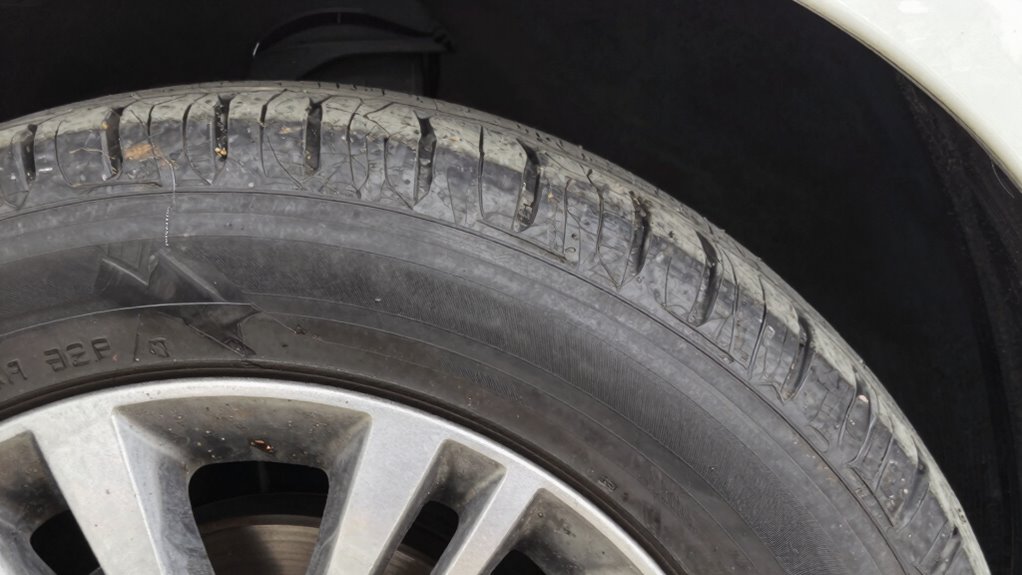

Uneven tire wear happens when your wheels aren’t properly aligned, or suspension parts are worn out, causing tires to wear faster on one side. Poor maintenance, like irregular rotations, also contributes. You might notice your steering pulling or feeling uneven while driving. Catching these signs early can save you from costly repairs and keep you safe. If you keep exploring, you’ll discover how to prevent and fix these issues effectively.

Get business pricing on garage and car supplies
- Business-only prices and quantity discounts
- Tax-exempt purchasing
- Multiple users, one account, clear invoices
Key Takeaways
- Misalignment of wheels often causes uneven tire wear and can be detected by steering pulling or uneven tread patterns.
- Worn suspension components or shocks lead to inconsistent tire contact, accelerating uneven wear.
- Irregular tire rotation schedules result in premature wear on specific areas of tires.
- Regularly inspecting tread depth and visual signs helps identify early uneven wear.
- Prompt wheel alignment and suspension checks prevent worsening tire damage and ensure safe driving conditions.
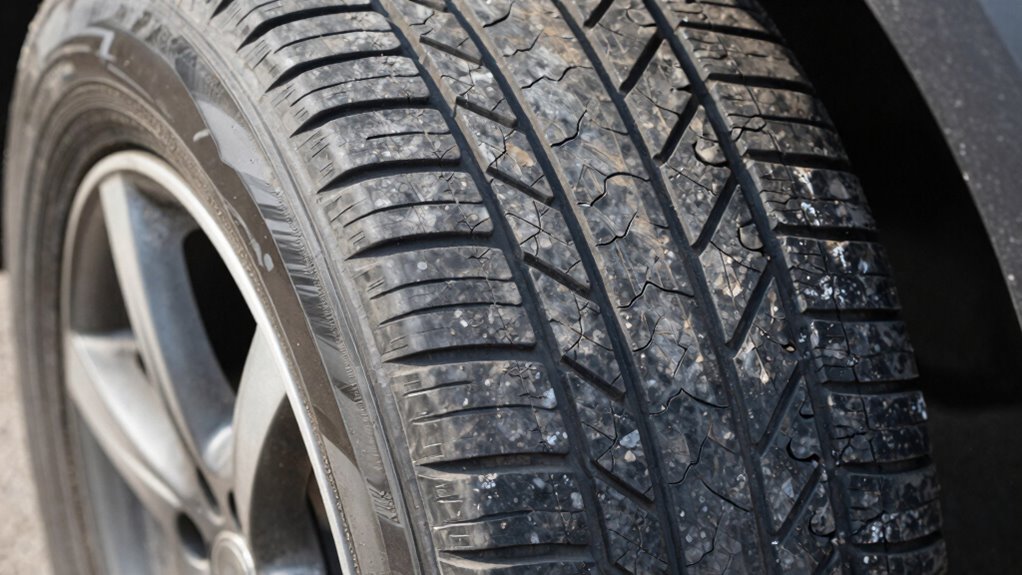
Uneven tire wear can be a sign that something’s off with your vehicle’s alignment, suspension, or tire maintenance, and catching it early can save you money and improve safety. When you notice uneven tread patterns or if your tires seem to be wearing down faster on one side, it’s time to take action. One of the simplest steps you can take is performing regular tire rotations. Rotating your tires ensures that each tire wears evenly over time, preventing premature or uneven wear caused by different driving patterns or weight distributions. Most manufacturers recommend a tire rotation every 5,000 to 8,000 miles, but you should always check your vehicle’s owner manual for specific guidance. Along with tire rotation, scheduling an alignment check is essential. Misalignment happens when your wheels are not properly adjusted to the manufacturer’s specifications, leading to uneven contact with the road and accelerated tire wear. An alignment check involves inspecting the angles of your wheels and adjusting them if needed, restoring proper contact patch and preventing irregular tread patterns.
You might also notice other signs that indicate your vehicle’s alignment is off, such as the steering wheel pulling to one side or feeling uneven when you drive straight. Ignoring these signs can lead to more severe issues and higher repair costs down the line. Regularly inspecting your tires and keeping an eye on tread depth can help you catch early signs of uneven wear. If you notice one side of your tire thinning faster than the other, it’s a clear signal that you need professional attention. Monitoring your tire condition is also important because emerging trends in digital publishing can provide helpful tutorials and tips that support proactive vehicle maintenance. It’s also beneficial to stay informed about power protection options for your vehicle’s electrical systems, as electrical issues can sometimes contribute to uneven tire wear. Having a suspension system check can identify worn or damaged parts that may be causing uneven contact with the road, further preventing uneven wear. Regular inspection and maintenance of your suspension and steering components can significantly reduce the risk of uneven tire wear and extend the life of your tires. It’s best to have a mechanic evaluate your vehicle’s suspension and steering components, as worn or damaged parts can contribute to uneven tire wear. Worn suspension parts, such as shocks or struts, can cause your tires to make inconsistent contact with the road, which accelerates uneven wear.
As an affiliate, we earn on qualifying purchases.
Frequently Asked Questions
Can Uneven Tire Wear Indicate Alignment Issues?
Yes, uneven tire wear can indicate alignment issues. When your tires wear unevenly, it often points to misalignment, which can be caused by suspension issues or hitting potholes. To catch this early, you should regularly perform tire rotation and have your alignment checked. Addressing suspension problems promptly helps prevent further uneven wear and extends your tires’ lifespan, ensuring safer driving and better vehicle handling.
How Often Should I Check My Tire Tread for Uneven Wear?
You should check your tire tread for uneven wear every 5,000 to 8,000 miles or during your regular tire rotation. Use a tread depth gauge or a simple penny test to monitor tread depth and spot irregularities early. Regularly inspecting your tires helps you identify uneven wear caused by alignment or suspension issues, allowing you to address problems before they become costly and ensuring safer driving.
Does Driving Style Affect Tire Wear Patterns?
Yes, your driving style definitely affects tire wear patterns. Aggressive driving, rapid acceleration, and hard braking cause uneven wear, while smooth driving promotes even tread. Your driving habits, such as frequent sharp turns or high-speed driving, combined with road conditions like rough surfaces or potholes, accelerate tire deterioration. To extend your tires’ lifespan, adopt gentle driving habits and stay alert to changing road conditions, which help prevent uneven wear.
Are Certain Tire Brands More Prone to Uneven Wear?
Some tire brands are more prone to uneven wear due to manufacturing differences and rubber quality, which affect the wear pattern. You might notice that cheaper or poorly manufactured tires develop irregularities faster, while premium brands typically offer more uniform tread wear. To avoid uneven wear, always check your tires regularly, rotate them on schedule, and choose reputable brands known for consistent quality, ensuring a safer, longer-lasting ride.
How Does Load Weight Impact Tire Wear Unevenness?
Think of your tires as a team pulling together; uneven load weight can cause some to work harder, leading to irregular wear. When you don’t balance the load properly, it creates uneven tire wear. Regular tire rotation helps distribute this load evenly across all tires, preventing premature wearing. Proper load distribution is essential to keep your tires wearing evenly and extend their lifespan, so always check your vehicle’s load capacity.
As an affiliate, we earn on qualifying purchases.
Conclusion
If you notice uneven tire wear, it might be tempting to dismiss it as just a minor issue. However, catching it early can save you money and prevent dangerous driving conditions. Some believe that uneven wear signals alignment problems or suspension issues, but research suggests it’s often caused by improper inflation or driving habits. Stay vigilant, check your tires regularly, and consult a professional if you suspect something’s off—your safety depends on it.
As an affiliate, we earn on qualifying purchases.
As an affiliate, we earn on qualifying purchases.
Fall Picks
fall essentials
As an affiliate, we earn on qualifying purchases.