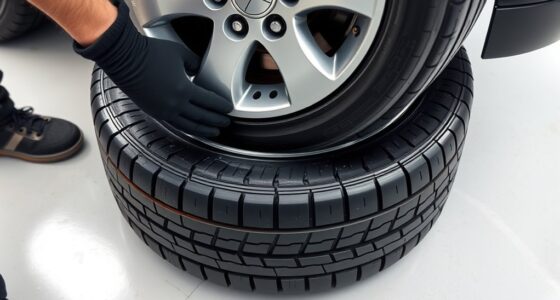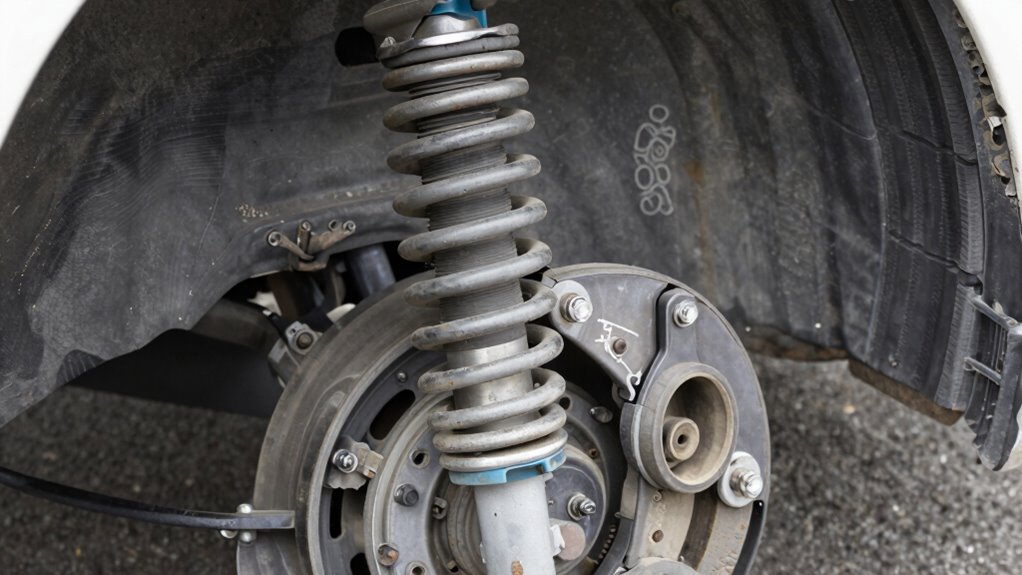

You can tell your shocks or struts are wearing out if you notice a bumpier ride or more jarring sensation over uneven roads, which indicates reduced impact absorption. Pay attention to handling issues like excessive body roll, swaying, or drifting to one side, as well as uneven tire wear or pulling when driving straight. Also, inspect visually for leaks, dents, rust, or if the vehicle sits unevenly. Continues investigation will reveal more signs of suspension wear that you shouldn’t ignore.
Key Takeaways
- Notice increased bumpiness or jarring over uneven roads, indicating reduced shock absorption.
- Observe uneven tire wear or vehicle pulling to one side, suggesting alignment issues from worn shocks or struts.
- Perform a bounce test; excessive movement when pressing down signals deteriorated suspension components.
- Look for leaks, dents, rust, or fluid leaks on shocks or struts during visual inspections.
- Experience decreased handling stability, excessive body roll, or swaying during turns, pointing to suspension wear.
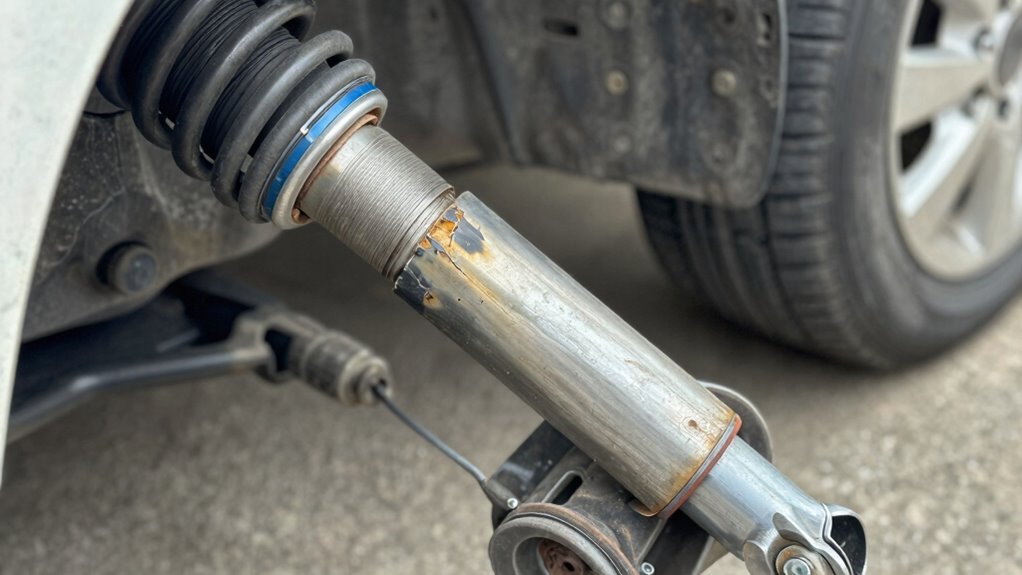
Your vehicle’s shocks and struts play an essential role in guaranteeing a smooth ride and safe handling, but they can wear out over time without obvious signs. Recognizing when they need attention is vital for maintaining suspension performance and overall safety. One of the first signs you might notice is a decline in ride comfort. If your car begins to feel bumpier or more jarring over uneven roads, it’s a strong indicator that your shocks or struts are losing their effectiveness. These components absorb impact, so when they weaken, every bump becomes more pronounced, making your driving experience less comfortable.
Worn shocks or struts make your ride bumpier and less comfortable over uneven roads.
Another clue comes from how your vehicle handles during turns or sudden maneuvers. Worn shocks or struts can cause excessive body roll or sway, making your car feel unstable or unpredictable. This isn’t just uncomfortable; it’s a safety concern. If you find yourself needing to grip the steering wheel tighter or feel like your vehicle is not responding as precisely as it used to, it’s time for a suspension maintenance check. The stability of your ride depends heavily on these parts, and neglecting their condition can lead to uneven tire wear or even loss of control in extreme cases.
Pay attention to your tires as well. Uneven or rapid tire wear often points to compromised shocks or struts. When these components aren’t functioning properly, they fail to keep your tires in consistent contact with the road, leading to uneven wear patterns. Regularly inspecting your tires can give you early hints that your suspension system needs professional assessment. Similarly, if you notice your vehicle drifting or pulling to one side, it could be related to worn suspension parts affecting your steering alignment. Proper suspension function is essential for maintaining steering precision and overall vehicle stability.
Visual signs can also alert you to problems. When you park, take a look at your shocks and struts for leaks, dents, or rust. Leaking fluid is a clear sign that they’re failing and need replacement. Additionally, if your vehicle sits unevenly or dips excessively when you press down on the front or rear, it’s a sign the damping ability of your shocks or struts has diminished. Routine suspension maintenance doesn’t just improve ride comfort; it guarantees your vehicle responds predictably and maintains peak handling. Regularly checking the condition of these components can help prevent unexpected failures and ensure your safety. Being aware of emerging trends in digital diagnostics can also aid in early detection of suspension issues.

BDFHYK Front & Rear Shock Absorbers Kit Compatible with Hyundai Elantra 2011-2016, Complete Struts Suspension Replacement 4PCS Set, Smooth Ride, Direct Fit, Easy Installation
【Solve Bumpy Ride & Noise Issues】Restore your vehicle’s stability and comfort with this complete shock absorber kit. Designed…
As an affiliate, we earn on qualifying purchases.
As an affiliate, we earn on qualifying purchases.
Frequently Asked Questions
Can Worn Shocks Affect My Tire Wear?
Worn shocks can definitely affect your tire wear, leading to uneven or rapid tire degradation. When shocks are failing, they can cause your suspension to lose stability, which might result in misaligned tires and increased tire wear. You may also notice suspension noise or a rough ride. Regularly check your tire alignment and listen for suspension noise to catch worn shocks early, helping extend your tires’ lifespan and improve your vehicle’s handling.
How Often Should I Inspect Shocks or Struts?
Think of your shocks and struts as the backbone of your ride’s stability. You should inspect shock absorbers regularly, ideally every 10,000 to 15,000 miles, or during tire rotations. Remember, shock absorber maintenance is key to smooth driving. Use strut inspection tips like checking for leaks, bouncing tests, and uneven tire wear. Regular inspections keep your suspension in top shape, ensuring safety and comfort on every journey.
Are There Any Safety Risks With Worn Shocks?
Worn shocks or struts can pose safety risks by reducing your suspension stability, making your vehicle more prone to loss of control, especially during turns or on uneven roads. They also compromise ride comfort, causing bumpy, uncomfortable rides that can tire you out. If you notice excessive bouncing, nose-diving, or uneven tire wear, it’s time to replace them. Staying ahead of wear guarantees safer driving and a smoother experience.
Can I Replace Shocks Myself or Need a Professional?
Replacing shocks yourself is like trying to tame a wild stallion—you might get it done, but it’s tricky. If you have DIY installation skills, tools, and patience, you can give it a shot. However, for safety and proper alignment, a professional repair is often the better route. They guarantee your vehicle handles safely and rides smoothly, saving you time and potential headaches from mistakes.
Do Shocks Wear Out Faster in Certain Climates?
Yes, shocks tend to wear out faster in extreme climates. Cold weather causes the oil inside shocks to thicken, reducing their suspension performance, while hot climates can accelerate the breakdown of shock components. Additionally, frequent exposure to rough roads or salty conditions worsens wear. You should regularly inspect your shocks if you live in such climates, as maintaining suspension performance is crucial for safety and ride comfort.

ECCPP Complete Struts Spring Assembly Front Struts Shock Absorber Fit for 2007 2008 2009 2010 2011 2012 2013 for Nissan Altima FWD Set of 2
FITMENT – Quick strut spring assembly for 2007 2008 2009 2010 2011 2012 2013 for Nissan Altima (Excluding…
As an affiliate, we earn on qualifying purchases.
As an affiliate, we earn on qualifying purchases.
Conclusion
If you notice your car feels bouncy or sways excessively on turns, it’s a sign your shocks or struts might be wearing out. For example, Sarah ignored a rough ride and soon experienced uneven tire wear. Replacing worn shocks or struts not only improves ride comfort but also enhances safety. Regular inspections help catch issues early, saving you money and preventing further damage. Don’t wait until your ride becomes uncomfortable—trust your senses and get them checked today.
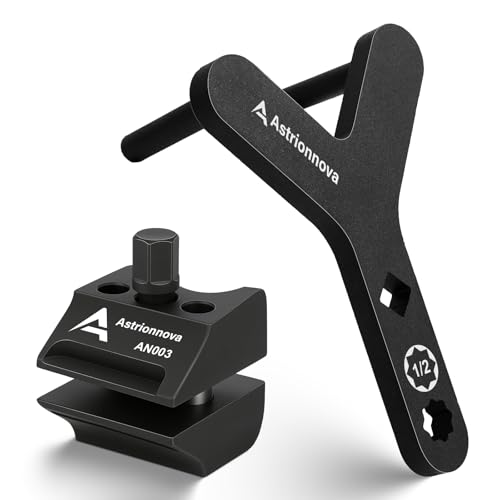
Astrionnova Suspension Tool Set, Strut Spreader Tool & Lower Control Arm Prying Tool, Ball Joint Removal Tool Kit for FWD, Import & Domestic Vehicles, Heavy Duty Steel for Safe, Fast Suspension Repair
All-in-One Suspension Tool Set – This 2-piece kit combines a compact strut spreader tool with a high-leverage lower…
As an affiliate, we earn on qualifying purchases.
As an affiliate, we earn on qualifying purchases.
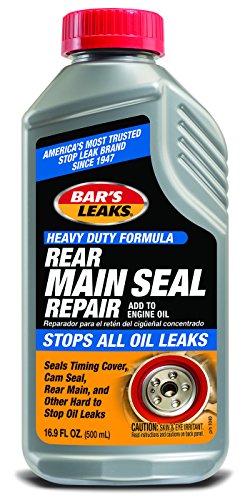
Bar's Leaks Rear Main Seal Repair, 16.9 oz
Seals timing cover, cam seal, rear main and other hard to stop oil leaks
As an affiliate, we earn on qualifying purchases.
As an affiliate, we earn on qualifying purchases.