If your car smells like gas, it could mean there’s a leak in the fuel system or issues with the emission controls. Check for leaks around fuel lines, the tank, and the fuel cap. Faulty components like hoses, injectors, or the EVAP system might also cause odors. Ignoring this smell can be dangerous, so it’s essential to inspect these areas first. Keep going to find out more about resolving this safety concern effectively.
Key Takeaways
- A strong fuel smell often indicates a leak in the fuel system or a loose/damaged fuel cap.
- Check for visible leaks, cracks, or wet spots around fuel lines, injectors, and the tank.
- Inspect the fuel cap for tightness and damage to prevent vapor escape.
- Faulty emission control components like the EVAP system or purge valve can cause odors.
- Persistent smell after initial checks suggests sensor or combustion issues requiring professional diagnosis.
If your car smells like gas, it’s a warning sign that something isn’t right and needs immediate attention. A strong smell of fuel can indicate issues within your fuel system, which is responsible for delivering gasoline from the tank to the engine, or problems with your emission control system, which helps reduce harmful emissions. Ignoring this smell can lead to more serious problems, including engine damage or even fire hazards, so it’s crucial to identify and address the cause quickly.
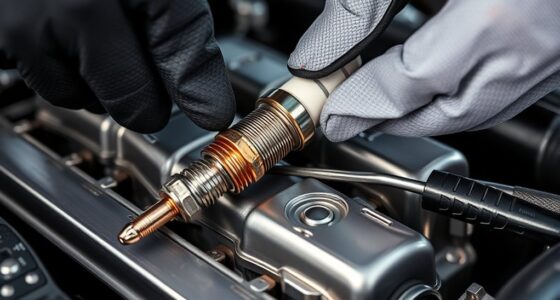
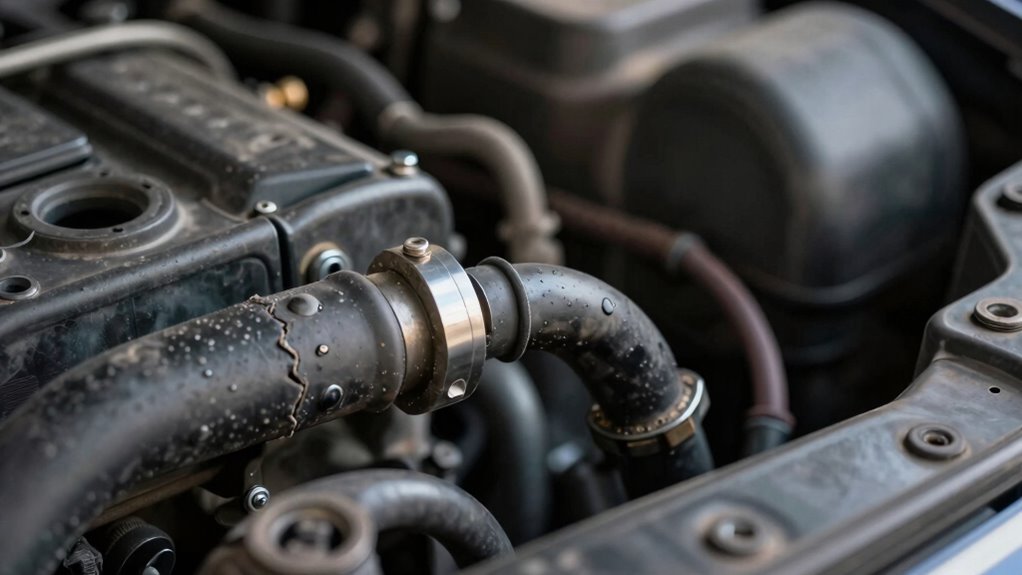
Start by inspecting the fuel system, as it’s often the primary culprit. Look for obvious leaks around the fuel lines, fuel injectors, or the fuel tank itself. Cracks or loose connections in these parts can cause gasoline vapors to escape, creating that unmistakable smell. If you notice wet spots or puddles, don’t delay—these are signs of a leak that needs professional repair immediately. You should also check the fuel cap; if it’s loose or damaged, it can allow vapors to escape and cause a gas smell inside or around your vehicle.
Inspect fuel lines, injectors, tank, and fuel cap for leaks or damage to prevent dangerous fumes.
Next, consider the emission control system. Modern cars are equipped with components like the evaporative emission control system (EVAP), which prevents fuel vapors from escaping into the atmosphere. If this system isn’t functioning properly—due to a faulty gas cap, cracked hoses, or a malfunctioning purge valve—you might notice a fuel smell. A loose or damaged gas cap is a common and easy fix, so start there. If that doesn’t resolve the issue, a diagnostic scan can reveal trouble codes related to the EVAP system, guiding you toward the defective part that needs replacing.
It’s also worth checking the air filter and sensors related to emissions. A clogged or dirty air filter can affect the air-fuel mixture, leading to incomplete combustion and fuel odor. Similarly, sensors like the oxygen sensors or mass airflow sensor, if faulty, can send incorrect signals to the engine control unit, causing inefficient fuel combustion and increased odors. While these are less common causes, they can contribute to the smell, especially if the problem persists after inspecting the fuel system and emission controls. Additionally, understanding projector contrast ratio can help in visualizing the importance of proper system functioning—just as high contrast ratios improve image quality, well-maintained systems ensure a cleaner, safer vehicle environment. Recognizing signs of fuel system leaks early can prevent costly repairs and potential safety hazards.
In any case, never ignore a gas smell. It’s a sign your vehicle’s fuel system or emission control system isn’t operating properly and could pose safety risks. When in doubt, consult a professional mechanic who can perform a thorough inspection, run diagnostic tests, and ensure your car is running safely and efficiently. Addressing the issue promptly not only protects your vehicle but also your safety and the environment.
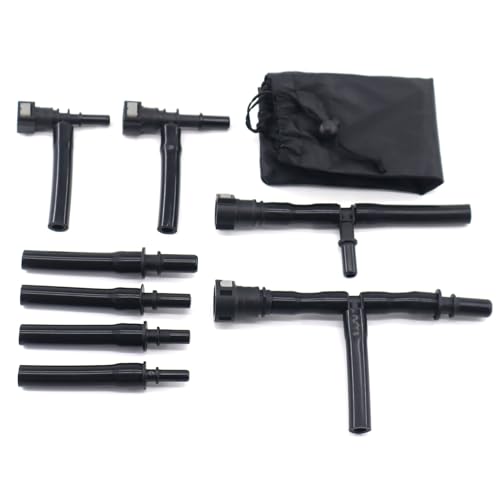
96-0190 Universal EVAP System Leak Detection Kit Compatible with Low Pressure Automotive Smoke Machine, Universal Vehicle Fuel System Diagnostic Tester Tool
Compatibility— Compatible with any low-pressure automotive smoke machine, our EVAP leak detection kit works seamlessly with most vehicle…
As an affiliate, we earn on qualifying purchases.
As an affiliate, we earn on qualifying purchases.
Frequently Asked Questions
Can a Gas Smell Indicate a Serious Safety Issue?
Yes, a gas smell can indicate a serious safety issue. It might signal fuel leaks, which could lead to fire hazards, or exhaust fumes entering the car, risking carbon monoxide poisoning. Check for fuel contamination or damaged fuel lines first. If you notice the smell persistently, get your vehicle inspected immediately to prevent potential dangers. Ignoring it could put you and others at significant risk.
How Long Does It Take to Diagnose a Gas Leak?
Diagnosing a gas leak typically takes between 30 minutes to a few hours, depending on the leak’s complexity. During the diagnostic timeline, leak detection involves inspecting fuel lines, connections, and the fuel tank with specialized tools. If the leak is easily accessible, it’ll be quicker to identify. However, more complex issues may require extensive testing, so be patient—accurate diagnosis guarantees your safety and prevents further damage.
Are There Any DIY Fixes for Gas Odors?
Sure, you can try DIY troubleshooting for that stubborn gas smell, but don’t expect miracles. First, vent your car thoroughly—open windows and doors. Then, sprinkle baking soda on carpets and seats to absorb odors. Use odor elimination techniques like charcoal bags or vinegar in a bowl. However, if the smell persists, remember that tackling a gas leak isn’t a DIY project; it’s safer to call in a professional before things get explosive.
Can a Gas Smell Affect My Car’s Performance?
A gas smell can definitely affect your car’s engine performance, as fuel fumes might indicate a leak or ventilation issue. When fuel fumes linger, they can cause your engine to run inefficiently, leading to decreased power, rough idling, or even stalling. It’s essential to address these smells quickly, as unresolved fuel leaks can harm engine performance and pose safety risks. Regular inspections help guarantee your vehicle runs smoothly and safely.
When Should I Seek Professional Help for a Gas Smell?
Your car’s gas smell is like a red flag waving wildly—you should seek professional help immediately. If you notice ongoing leaks, strong odors, or difficulty starting your vehicle, don’t attempt DIY safety fixes. A mechanic can properly diagnose and fix leaks, ensuring leak prevention and safety. Trust experts to handle the issue, especially if your car’s smell persists, because ignoring it could lead to dangerous fuel fumes or even fires.

WISEUP 8-Piece Fuel Line Disconnect Tool Set – Fuel Line/Hose Clamp/Removal Pliers, Electrical Disconnect/Push Pin Tools, Relay Puller, Panel Clip Remover & Filter Caliper
You will get: 9” fuel filter caliper, 30 Degree Push Pin Remover Tool, Hose pipe clamp clip, Hose…
As an affiliate, we earn on qualifying purchases.
As an affiliate, we earn on qualifying purchases.
Conclusion
So, next time your car seems to be whispering secrets of a hidden fuel adventure, take a deep breath and stay calm. It’s probably just a little nudge from a tiny leak or a loose connection, not a sign of something more dramatic. Regular checks can keep your ride smooth and your nose happy. Remember, a little attention now keeps unexpected surprises at bay—your car’s just trying to tell you it’s time for a quick visit to the mechanic.

Gas Cap, Fuel Cap For Kia soul,sedona,Forte,Sportage,Sorento,Spectra,Optima,Amanti,Cadenza,Rio & Hyundai Sonata,Elantra,Santa,Accent,Tucson,Azera,Entourage,Equus,Genesis,Genesis Coupe, Veloster
【FUEL CAP / GAS CAP TETHER COMPATIBLE WITH】31010-3L600U, 31010-3L600, Fuel Tank Filler Cap Is 100% Rigorously Tested Before…
As an affiliate, we earn on qualifying purchases.
As an affiliate, we earn on qualifying purchases.

ANCEL AD410 PRO OBD2 Scanner and Battery Tester, 2-in-1 Car Diagnostic Tool, Check Engine Light, EVAP Test, Live Data, 12V Battery Analyzer with Cranking & Charging System Test for Car Motorcycle
[2-IN-1 Engine Diagnostic & Battery Tester]: Upgraded from ANCEL’s best-selling AD310/AD410 series, the AD410 PRO obd2 scanner not…
As an affiliate, we earn on qualifying purchases.
As an affiliate, we earn on qualifying purchases.