
Warming up your car in winter isn’t as necessary as many believe. Modern vehicles are designed to start and run efficiently immediately after startup, thanks to advanced fuel injection, better batteries, and improved engine technology. Extended idling wastes fuel, harms the environment, and can cause unnecessary wear. Instead, start driving gently after a few seconds, and your engine will warm up quickly. If you’re curious about what truly works, there’s more to uncover here.

Get business pricing on garage and car supplies
- Business-only prices and quantity discounts
- Tax-exempt purchasing
- Multiple users, one account, clear invoices
Key Takeaways
- Modern engines start efficiently in cold weather; extended warm-up times are unnecessary and waste fuel.
- Limit idling to around 30 seconds; driving gently helps the engine warm up faster and more effectively.
- Use winter tires and maintain proper tire pressure for safety and optimal performance during cold conditions.
- Regularly check and maintain the battery, coolant, and fluid levels to ensure reliable cold starts.
- Avoid long idling; instead, start driving gently to allow the engine to warm naturally and quickly.
The Science Behind Cold Starts and Engine Functionality

When the temperature drops, your car’s engine faces unique challenges that can affect its performance. Cold weather causes engine oil viscosity to increase, making the oil thicker and less able to flow smoothly. This thicker oil struggles to coat engine parts properly, increasing wear during startup. Additionally, components like metal parts experience thermal expansion, contracting in low temperatures and creating tighter clearances. This tight fit can hinder movement and reduce efficiency until the engine warms up. These factors mean your engine works harder initially, which can cause increased strain and wear if not properly managed. Understanding how cold impacts engine oil viscosity and thermal expansion helps you appreciate why your engine needs time to reach optimal operating conditions in winter. Proper warm-up techniques, such as idling briefly or gentle driving, can help mitigate these issues and extend engine life, especially when combined with vetted perfect fit living solutions like using high-quality synthetic oils designed for winter conditions. Additionally, allowing the engine to warm up gradually can prevent unnecessary engine stress caused by sudden temperature changes. Recognizing the effects of thermal contraction on engine components can further inform strategies for winter vehicle maintenance and operation. Moreover, staying aware of engine lubrication requirements during cold weather can significantly improve start-up performance and longevity.
Debunking the Myth: Do Cars Need to Warm Up Before Driving?

Many people believe you should let your car warm up before driving, but modern engines don’t require that extra idle time. Today’s technology allows engines to operate efficiently even when cold, so idling longer isn’t necessary. In fact, excessive warming up can waste fuel and increase emissions. Choosing reliable backup power systems can ensure your home remains powered during winter storms, just as understanding your vehicle’s needs helps optimize fuel use and reduce environmental impact. Recognizing the importance of engine efficiency can further help in making informed decisions on vehicle maintenance and operation. Proper piercing care and hygiene, such as cleaning piercings with saline solutions, shares the concept of maintenance that ensures optimal performance and health, similar to engine upkeep. Additionally, being aware of modern toilet features can improve bathroom efficiency and water conservation at home. Being aware of market trends in Gold IRAs can also help investors make smarter decisions about their retirement portfolios.
Modern Engine Efficiency
Modern engines are designed to operate efficiently right from startup, making the old advice to let your car warm up unnecessary. Today’s engines are optimized to handle cold conditions without causing damage or excessive wear. Using alternative fuel options and eco-friendly lubricants further enhances engine performance and longevity, even in winter. These lubricants are formulated to flow better at lower temperatures, reducing strain during cold starts. Modern engine technology also includes advanced fuel injection systems that adjust automatically for ideal combustion, regardless of outside temperature. Additionally, cold-start technology helps engines reach optimal operating conditions more quickly and efficiently. By skipping long warm-up periods, you save time and fuel while still protecting your engine. Rest assured, your vehicle is built to perform efficiently without the need for idling in cold weather, as long as you follow basic maintenance tips.
Optimal Idle Time
Despite the common belief that your car needs to warm up before driving, this isn’t necessary with today’s engines. Extended engine idling doesn’t speed up temperature stabilization; in fact, it wastes fuel and increases emissions. Modern engines reach ideal operating temperature quickly, often within a minute or two of starting. The key is to avoid unnecessary idle time—just start your car, wait about 30 seconds for oil circulation, and then drive gently. Your engine warms up faster when driven gently, allowing it to reach the right temperature efficiently. Prolonged idling doesn’t benefit performance or engine health; it only wastes fuel and contributes to pollution. Keep idle times short, and your car will warm up properly through regular driving, not by long engine idling.
How Modern Vehicles Are Designed for Cold Weather
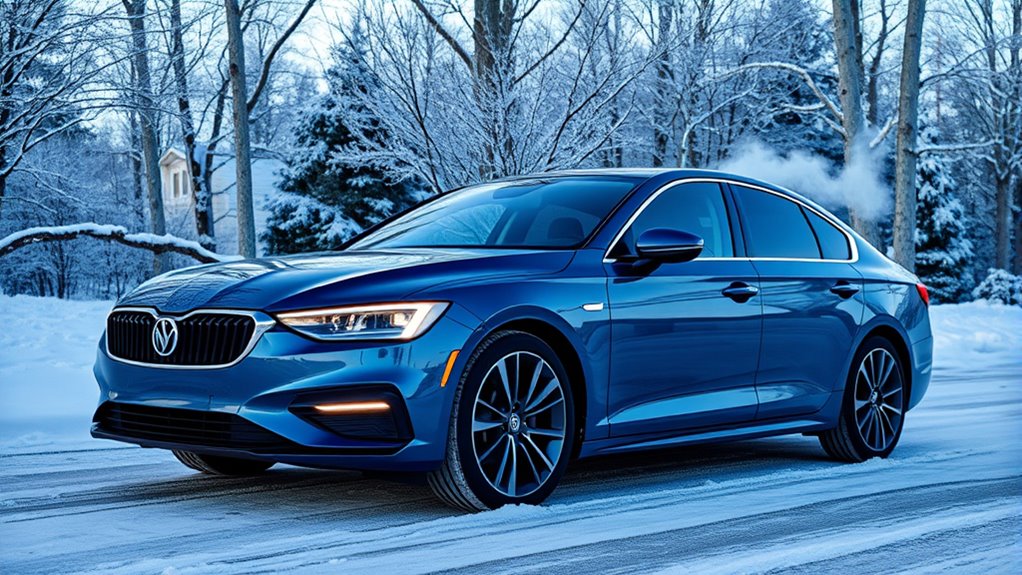
Modern vehicles are built with cold weather in mind, featuring cold-resistant engine components that start easily in low temperatures. They also use advanced fuel systems to improve fuel flow and combustion, even when it’s freezing outside. Additionally, improved battery technology guarantees reliable starts without lengthy warm-up periods. To further ensure performance, many vehicles now incorporate astrological compatibility features that help optimize engine operation based on environmental conditions. Furthermore, modern vehicles are designed to mitigate cryptocurrency market volatility, ensuring reliable operation regardless of external financial market fluctuations. Incorporating narcissistic tendencies awareness into vehicle maintenance can help drivers recognize and address issues related to driver distraction or overconfidence during winter driving conditions. Regular diagnostics can also detect early signs of auditory processing challenges that may affect driver alertness and response times. Recognizing the importance of vehicle diagnostics can enhance overall safety and reliability during cold weather.
Cold-Resistant Engine Components
To guarantee your vehicle starts reliably in cold weather, manufacturers incorporate cold-resistant engine components that can withstand low temperatures without failing. These include specially designed materials and parts that resist brittleness and cracking in freezing conditions. For instance, antifreeze protection is enhanced with advanced coolant formulations that prevent freezing and corrosion, ensuring smooth engine operation. Additionally, modern vehicles often feature heated windshields, which help clear ice and frost quickly, reducing the need for prolonged idling. Engine oils are formulated to maintain viscosity at low temperatures, allowing easier startup. Engine performance is further improved by integrating components that reduce engine wear during cold starts. These components work together to improve cold start performance, reduce wear, and extend vehicle lifespan during winter months. Properly maintaining cold-weather vehicle systems can significantly enhance reliability and safety during harsh winter conditions. Understanding how these cold-resistant materials and systems are engineered helps you appreciate your vehicle’s preparedness for winter challenges.
Advanced Fuel Systems
Advanced fuel systems in modern vehicles are specifically designed to perform reliably in cold conditions. They often feature sophisticated fuel injection systems that precisely control fuel delivery, even in freezing temperatures. This accuracy ensures smoother starts and consistent engine performance without needing excessive warming. Vehicles equipped with alternative fuel options, like compressed natural gas or ethanol blends, also benefit from these advanced systems, which are tailored to handle different fuel properties in winter weather. By optimizing fuel atomization and mixture, these systems reduce the chances of fuel gelling or clogging, which are common issues in cold climates. Additionally, many modern vehicles incorporate smart technology that monitors and adjusts engine parameters for optimal cold weather operation. These systems often include cold start features that further enhance reliability during winter mornings. Furthermore, fuel system design plays a crucial role in preventing fuel-related problems, ensuring engine efficiency and longevity. Modern engine management systems also contribute to better cold weather performance by actively adjusting parameters based on temperature readings. As a result, you experience fewer delays and more reliable operation when starting your car on chilly mornings, making winter driving safer and more convenient.
Improved Battery Technology
When temperatures drop, your vehicle’s battery faces increased challenges, but manufacturers have responded by developing technologies that keep batteries reliable in cold weather. Modern batteries now feature improved designs that enhance battery longevity, allowing them to withstand harsh winter conditions better. These advancements also boost charging efficiency, ensuring your battery can be quickly and effectively recharged even when it’s cold outside. Enhanced materials and construction methods reduce internal resistance, helping your battery maintain power longer and start your engine more reliably. Additionally, smart battery management systems optimize charging cycles, preventing premature wear and tear. As a result, your vehicle is better equipped to handle winter’s demands, providing consistent performance and reducing the risk of unexpected battery failures during freezing temperatures. Understanding battery lifecycle and performance metrics is essential for maintaining optimal function throughout the seasons. Moreover, ongoing innovations in automotive battery technology continue to improve cold-weather performance, making winter starts more dependable.
Practical Tips for Maintaining Your Vehicle During Winter

Winter conditions can take a serious toll on your vehicle, so staying proactive is essential. Check your tire pressure regularly, as cold temperatures cause tires to lose pressure, reducing traction and fuel efficiency. Maintaining proper tire pressure ensures safer driving and longer tire life. Additionally, pay attention to windshield maintenance; clear ice and snow thoroughly, and keep your windshield washer fluid topped up with winter-grade fluid to prevent freezing. Inspect wiper blades for wear, replacing them if they’re streaking or skipping. Keep your vehicle’s exterior clean to prevent ice buildup and corrosion. Regularly check antifreeze levels and ensure your battery is in good shape, as cold weather strains your vehicle’s components. These simple steps help you stay safe and keep your vehicle running smoothly all winter long.
Safety Considerations When Operating in Cold Conditions
Driving in cold conditions demands heightened awareness, as icy roads and reduced visibility can considerably increase your risk of accidents. Make sure your vehicle is equipped with winter tires, which provide better traction and control on slick surfaces. Always check your tire pressure, since cold weather can cause it to drop, reducing grip. Keep an emergency kit in your car, including blankets, a flashlight, and basic tools, in case you face a roadside emergency. Limit your speed and increase following distances to account for longer stopping times on icy roads. Avoid sudden movements or sharp turns that could lead to skidding. Stay alert for black ice and other hazards. By taking these precautions, you’ll improve your safety and reduce the chances of accidents in winter conditions.
Sustainable Practices for Winter Car Care
To minimize your environmental impact during winter car care, adopt sustainable practices such as using eco-friendly de-icers and performing regular vehicle maintenance. Switch to eco friendly lubricants to reduce harmful emissions and improve engine efficiency. Regularly checking tire pressure and fluid levels ensures your vehicle runs smoothly, lowering fuel consumption. Consider utilizing renewable energy sources like solar-powered chargers for accessories or battery maintenance. When possible, park your car in covered or sheltered areas to reduce the need for chemical de-icers. Avoid excessive idling and opt for gentle warm-up routines to cut emissions. These practices help protect the environment while keeping your vehicle in top condition. Making small changes can considerably lessen your carbon footprint during winter, promoting more sustainable and responsible car care.
Frequently Asked Questions
How Does Cold Weather Impact Tire Pressure and Traction?
Cold weather causes tire pressure fluctuations, which can lead to underinflated tires. When your tires are underinflated, traction challenges increase because the tire’s contact with the road diminishes. You’ll notice less grip and more slipping, especially on icy or snowy surfaces. To stay safe, regularly check your tire pressure during winter and maintain proper inflation. This helps improve traction and reduces the risk of accidents caused by slippery conditions.
Are There Alternative Methods to Warm up My Car Quickly?
Imagine your car as a sleeping giant waking up on a cold morning. Instead of idling, you can use engine block heating or remote start systems to warm it up quickly. These methods gently wake your engine, like a warm hug, ensuring better performance and safety. Remote start lets you cozy up your car from inside, while engine block heating heats the engine directly, saving time and reducing wear.
What Are the Best Types of Antifreeze for Winter Conditions?
You should choose a high-quality antifreeze that offers excellent durability and is compatible with your vehicle’s coolant system. Look for brands that specify long-lasting protection against freezing and boiling, especially in extreme winter conditions. Always check your owner’s manual for recommended types, such as ethylene glycol or propylene glycol-based coolants, guaranteeing they meet industry standards. This helps prevent corrosion and ensures your engine stays protected throughout the season.
How Can I Prevent Battery Failure During Extreme Cold?
To prevent battery failure during extreme cold, you should prioritize battery maintenance by checking for corrosion and ensuring secure connections. Additionally, add cold weather insulation, like a battery blanket or foam cover, to protect it from freezing temperatures. Keep your car in a garage if possible, and consider replacing an aging battery before winter hits. These steps help maintain peak performance and avoid unexpected failures during cold weather.
Is It Safe to Leave a Car Idling for Extended Periods?
Leaving your car idling for extended periods is a risky move. It can cause serious engine wear and skyrocketing fuel consumption, turning your vehicle into a fuel-hungry monster. Plus, it wastes fuel and emits unnecessary pollution. Instead, start your engine, let it warm up briefly, then drive gently. This approach keeps your engine healthy, saves fuel, and reduces environmental impact—keeping your car happier and your wallet fuller.
Conclusion
Think of your car as a sleeping bear in winter—you wouldn’t wake it suddenly without care. Instead, give it a gentle warm-up, respecting its needs, and it’ll wake refreshed and ready. By understanding the science and following best practices, you’re not just protecting your vehicle but ensuring safe, efficient journeys. Embrace winter’s chill wisely, and your car will reward you with reliable performance, turning cold mornings into smooth rides through a well-tended winter wilderness.
Fall Picks
fall essentials
As an affiliate, we earn on qualifying purchases.