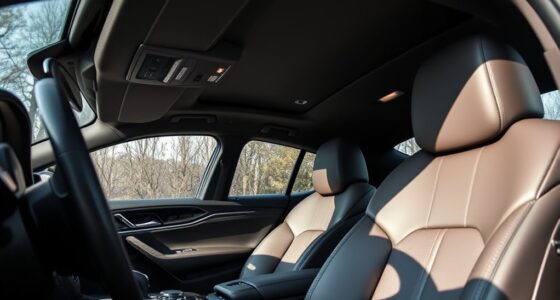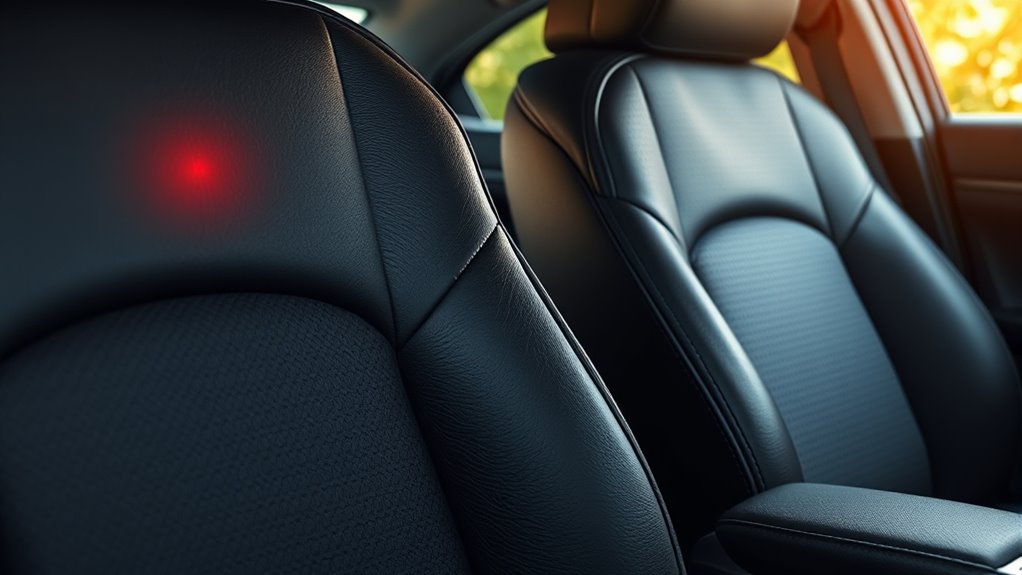

Heated seats use electric wires or pads to generate warmth, making them perfect for cold weather and early mornings. Ventilated seats circulate air through perforations, helping you stay cool during hot days and humid conditions. The main difference is that heated seats provide cozy comfort in winter, while ventilated seats keep you cool in the summer. Want to discover which option suits your climate and preferences best? Keep exploring to find out more details.
Key Takeaways
- Heated seats generate warmth using embedded electrical elements, ideal for cold climates, while ventilated seats circulate air for cooling in hot weather.
- Heating seats provide targeted warmth, easing muscle tension, whereas ventilated seats reduce sweating and moisture for comfort in hot conditions.
- Heated seats are generally less expensive and easier to install, while ventilated seats involve additional components and higher upfront costs.
- Both features enhance luxury and comfort but serve different climates: heated for winter, ventilated for summer.
- Combining both options offers year-round comfort but requires managing energy use and vehicle compatibility.
How Heated Seats Work
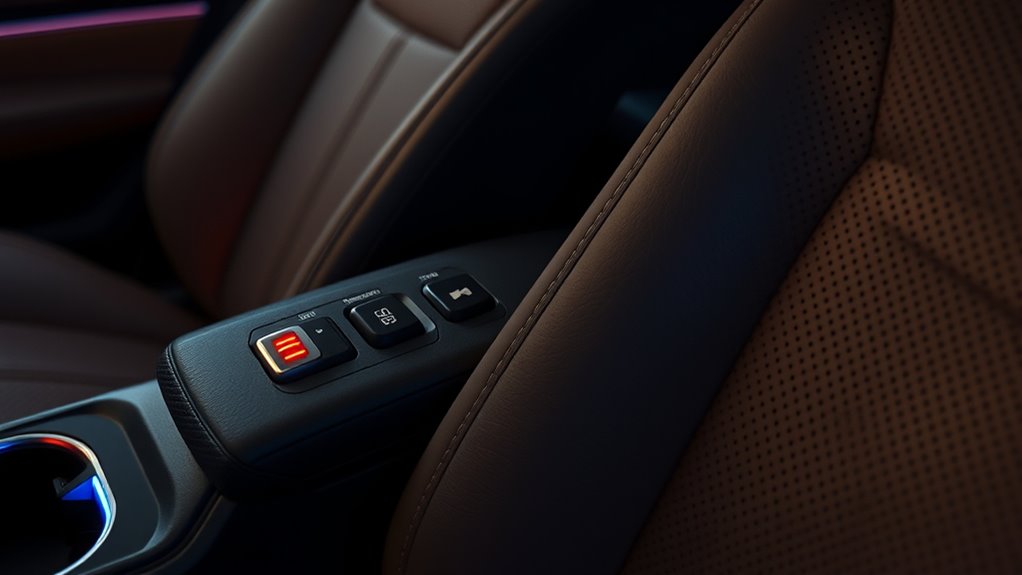
Heated seats operate by using electrical elements embedded within the seat cushions that generate warmth when activated. These seat heating mechanism consists of thin, conductive wires or pads that warm up when electricity flows through them. These elements are protected by thermal insulation, which helps direct heat upward toward your body rather than dissipating into the seat structure. When you turn on the heated seat, the electrical current heats the wires, creating consistent warmth. Modern systems often include adjustable temperature settings for personalized comfort. The thermal insulation plays an essential role in ensuring efficient heat transfer and energy use, preventing heat loss and maximizing comfort. Additionally, thermal insulation helps improve energy efficiency by minimizing heat escape, ensuring you stay warm while conserving power. Proper design and insulation materials are crucial for ensuring both safety and effectiveness in heated seat systems. Advances in electric heating technology continue to make these systems more reliable and energy-efficient, enhancing user experience. Understanding system controls can also help optimize comfort and energy consumption over time.
How Ventilated Seats Function

Ventilated seats work by actively circulating air through perforations in the seat cushion and backrest, helping to keep you cool and dry. The airflow mechanism pulls in outside air or recirculates interior air to reduce sweat and discomfort during hot days. You’ll notice small fans integrated into the seat that push air through tiny holes, creating a cooling effect. This process involves several components working together:
Ventilated seats circulate air through perforations, keeping you cool and dry during hot days.
- Small fans that generate airflow
- Perforated seat surfaces for efficient air distribution
- Sensors to adjust airflow based on temperature
- Ventilation controls you can set for comfort
Additionally, color temperature adjustments can be used to optimize the perceived cooling effect and overall comfort. Incorporating proper materials and heat distribution can further enhance the system’s effectiveness and durability. Proper airflow management techniques also contribute to better cooling performance. This seat cooling system helps prevent overheating and keeps you feeling fresh, especially during long drives. The airflow mechanism is designed to provide quick relief from heat, making your ride more comfortable. Understanding the materials and heat distribution involved can help maximize the efficiency and longevity of ventilated seats. Proper maintenance and cleaning of the ventilation components can also ensure consistent performance over time.
Benefits of Heated Seating

Heated seats keep you comfortable during cold weather, making early mornings and winter drives more pleasant. They can also help ease muscle tension after long periods of sitting, providing instant relief. Plus, their luxury and convenience add a touch of sophistication to your driving experience. Incorporating outdoor wisdom into your vehicle setup can enhance your overall comfort and preparedness during unpredictable weather conditions. Understanding market options can help you choose the best features for your needs. Being aware of reliable backup power options can also ensure that your vehicle remains functional in emergencies, adding an extra layer of safety and comfort. Staying informed about modern safety features can further improve your driving experience and peace of mind. Moreover, exploring emerging nanotechnology applications in automotive comfort systems could lead to innovative solutions that enhance user experience and safety features.
Comfort in Cold Weather
When the temperature drops outside, sitting in a cold car can feel uncomfortable and even painful. Heated seats provide instant warmth, making your ride more pleasant. They evenly distribute heat across different seat materials, ensuring comfort regardless of fabric or leather. Plus, heated seats are energy-efficient, using minimal power compared to heating the entire cabin. This targeted warmth means you stay cozy without draining your vehicle’s energy consumption. You’ll notice:
- Faster warm-up times
- Consistent comfort regardless of seat material
- Reduced need for turning up the overall climate control
- Less strain on your vehicle’s battery
Heated seats are a simple upgrade that keeps you comfortable, especially when it’s freezing outside. They’re a smart choice for those chilly mornings or winter commutes, bringing warmth directly where you need it most.
Eases Muscle Tension
Since muscle tension often worsens with cold, heated seats can help relax your muscles during drives. The warmth encourages muscle relaxation, reducing stiffness and discomfort, much like a quick massage therapy session. When your muscles are relaxed, you’ll experience less strain, making long trips more comfortable. Heated seats provide consistent warmth that promotes better blood flow, helping to ease tightness and soreness as you sit. This natural relaxation can prevent muscle fatigue, so you stay comfortable and focused on the road. Incorporating thermal comfort features into your vehicle can further enhance your overall driving relaxation. Additionally, the ability to customize the temperature settings allows you to find the most soothing level of warmth for your needs. Using safe heating elements can also prevent potential risks like overheating, ensuring a comfortable and secure experience. For those seeking to improve their driving comfort, heated seats can be a practical, comforting solution that enhances your driving experience. Moreover, selecting seats with high-quality heating elements ensures durability and consistent performance over time.
Luxury and Convenience
Luxury and convenience are major reasons to opt for heated seats, as they transform your driving experience into a more comfortable and enjoyable journey. With heated seats, you’ll appreciate how seat material feels warmer and more inviting during cold mornings. They seamlessly complement your interior design, adding a touch of elegance and modernity. The convenience of quick warmth means you spend less time waiting and more time relaxing. Additionally, Free Floating features can make installation and customization even easier, enhancing your overall comfort. Consider these benefits: – Enhanced comfort regardless of seat material or climate – Instant warmth that adapts to your needs – A sleek addition that elevates your interior design – Increased luxury with intuitive controls and features. For an even better experience, UST projectors and ALR screens can create a relaxing environment that complements your vehicle’s luxurious upgrades. Implementing market trend analysis can also help you choose the most suitable heated seats for your vehicle, ensuring you stay ahead in comfort and style. Heated seats turn your vehicle into a cozy haven, blending style with functional comfort effortlessly.
Advantages of Ventilated Seating
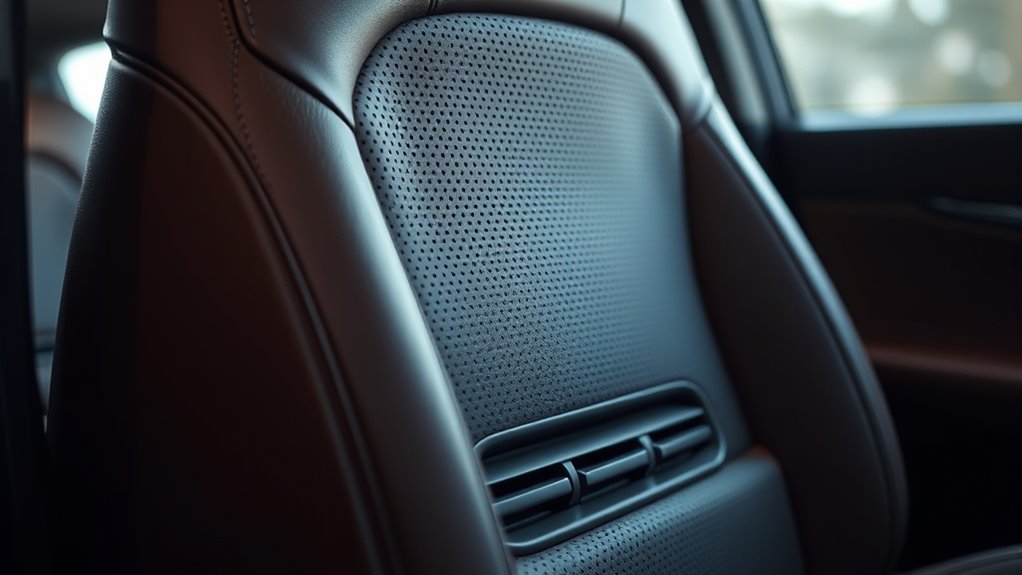
Ventilated seats offer noticeable comfort benefits by actively circulating air to keep you cool during hot days. Thanks to advanced airflow technology, these seats deliver effective seat cooling, helping to reduce sweat and discomfort on warm days. By pulling in fresh air and expelling excess heat, ventilated seating maintains a more comfortable temperature, especially during long drives. This improved airflow isn’t just about comfort; it also helps prevent sweating and keeps you feeling fresh. If you often find yourself overheating in the car, ventilated seats can make a significant difference. They’re especially useful in hot climates or during summer months. Overall, ventilated seating enhances your driving experience by combining comfort and innovative seat cooling features that work seamlessly to keep you cool. Understanding airflow technology plays a key role in ensuring these systems operate efficiently and quietly, providing a quiet and effective cooling experience. Additionally, the technology behind airflow systems continues to evolve, making these seats more energy-efficient and quieter than ever before.
Ideal Conditions for Heated and Ventilated Seats

Heated and ventilated seats excel under specific conditions that maximize their benefits. When the climate control system detects extreme temperatures, these features keep you comfortable. If it’s cold outside, heated seats provide instant warmth, especially effective with seat materials like leather that retain heat well. Conversely, ventilated seats are ideal on hot days, promoting airflow to prevent sweating and keep you cool. For suitable comfort, consider these factors:
Heated seats warm quickly in winter; ventilated seats cool you on hot, humid days for optimal comfort.
- Cold weather, where heat quickly warms your seat
- Hot, humid days needing airflow and cooling
- Climate control settings that support seat heating or cooling
- Seat materials that conduct or dissipate heat effectively
Knowing when to use these features ensures you stay comfortable regardless of the weather, making your driving experience more enjoyable.
Cost and Installation Considerations

Installing heated or ventilated seats can vary in complexity and cost, so you’ll want to contemplate what fits your vehicle and budget. The upfront investment for ventilated seats is often higher due to additional components, while installation may require professional help. Understanding these factors can help you decide which option makes the most sense for your needs.
Installation Complexity and Cost
While adding heated or ventilated seats can enhance comfort, the installation process varies considerably in complexity and cost. You’ll face different installation challenges depending on your vehicle’s make and model. The cost implications can also fluctuate based on existing wiring and seat design.
- Upgrading wiring harnesses may be necessary
- Additional components like control switches could be required
- Professional installation might increase labor costs
- Compatibility issues could lead to more extensive modifications
These factors influence both the overall difficulty and the expense involved. Installing heated or ventilated seats isn’t always straightforward, especially for older models or those without factory provisions. Expect to invest time and money, particularly if your vehicle needs significant modifications.
Upfront Investment Differences
Upfront costs for heated and ventilated seats can vary considerably, impacting your decision right from the start. Heated seats generally come with lower initial prices, especially if added as part of a package or in mid-range trims. Ventilated seats tend to be more expensive due to additional components and technology, which can affect your overall pricing plans. Installation costs also play a role; ventilated seats may require more complex setup, possibly increasing upfront expenses. When considering these options, review warranty coverage carefully—some packages include extended warranties that protect your investment, while others may not. Ultimately, your choice depends on your budget, desired comfort features, and how much you’re willing to invest upfront for long-term benefits.
Maintenance and Durability

Maintaining heated and ventilated seats typically requires minimal effort, but their durability depends on how well you care for them over time. The seat material can affect how resistant it is to wear and tear, so choose high-quality fabrics or leather for better longevity. Regularly clean the seats to prevent dust buildup that can affect electrical components. Keep an eye on electrical connections for signs of damage or corrosion, especially if you notice inconsistent heating or cooling. Proper use is key: avoid overloading the system or exposing it to moisture. To maximize lifespan, occasionally inspect the wiring and controls.
Regular maintenance and quality materials extend heated and ventilated seat lifespan.
- Clean seat surfaces with appropriate products
- Check for signs of wear or cracking
- Ensure electrical connections are secure
- Avoid spilling liquids on seat controls
Which Seat Type Is Better for You?

Choosing between heated and ventilated seats depends on your personal preferences and climate. If you value comfort during cold months, heated seats enhance seat ergonomics by providing warmth directly where you need it. Ventilated seats, on the other hand, are ideal if you prefer a cooler, more breathable interior design, especially in hot weather. Consider how each feature complements your driving experience: heated seats offer cozy support, while ventilated ones help prevent sweating and discomfort. Think about your typical climate and comfort needs. If you often deal with chilly mornings, heated seats might be your best choice. For warmer environments, ventilated seats can keep you feeling fresh. Ultimately, match your selection to your comfort preferences and the interior design of your vehicle.
Combining Heated and Ventilated Features

Many modern vehicles now offer both heated and ventilated seat features to maximize comfort year-round. Combining these features allows you to customize your seat climate based on your needs, whether it’s warming up on a cold morning or cooling down on a hot day. When selecting seat material, consider how it interacts with these features—leather seats, for example, warm quickly but may also retain heat. Using both functions together can increase energy consumption, so it’s wise to use them selectively. Keep in mind that:
- High-quality seat material impacts comfort and efficiency
- Balancing heated and ventilated use conserves energy
- Some vehicles automatically adjust settings for ideal performance
- Proper maintenance ensures longevity and peak function
This combination offers versatile comfort but requires mindful use to manage energy use effectively.
Frequently Asked Questions
Can Heated and Ventilated Seats Be Used Simultaneously?
Yes, heated and ventilated seats can be used simultaneously if your vehicle’s seat compatibility and control mechanisms support both features. Many modern cars allow you to activate both at once, giving you customized comfort. Check your vehicle’s settings or owner’s manual to guarantee the controls enable simultaneous operation. Keep in mind, using both may impact power consumption, but it provides ideal comfort during extreme weather conditions.
Are Heated and Ventilated Seats Energy-Efficient?
Heated and ventilated seats aren’t exactly energy-efficient, but they’re not the worst either. They consume moderate energy, which means your car’s engine works a bit harder, impacting fuel economy and environmental impact. If you’re eco-conscious, using these features sparingly helps reduce energy consumption. While they add comfort, they can increase your vehicle’s overall energy use, so think of them as a luxury rather than a green solution.
Do All Vehicle Models Offer Both Seat Options?
Not all vehicle models offer both heated and ventilated seat options. Seat compatibility and model availability vary widely; some cars come equipped with both features, especially higher trims or luxury models, while others only offer one or none. You should check the specific vehicle’s features list or consult the manufacturer to confirm whether both heated and ventilated seats are available for the model you’re interested in.
How Long Does It Take for Seats to Warm or Cool?
You might worry about waiting too long for seat temperature adjustments, but it’s quick. Heated seats typically warm up within 3-5 minutes, providing instant comfort, while ventilated seats cool down in about 2-4 minutes for invigorating relief. These comfort adjustments happen fast, so you won’t be left waiting when you need a quick temperature change. Just activate the feature, and enjoy the immediate improvement in your driving experience.
Are There Health Concerns With Heated or Ventilated Seats?
You might wonder about health risks or comfort concerns with heated or ventilated seats. Generally, these features are safe, but prolonged use could cause discomfort or skin irritation for some. Heated seats may pose a risk for those with circulation issues or nerve conditions, while ventilated seats could cause dryness or allergies. Always use these features in moderation, and consult a doctor if you have underlying health concerns.
Conclusion
Choosing between heated and ventilated seats depends on your comfort needs and climate. Whether you crave cozy warmth or invigorating coolness, understanding their differences helps you make the right choice. Remember, your car seats aren’t just furniture—they’re your personal oasis on wheels. So, pick the feature that transforms your driving experience from ordinary to extraordinary, turning every ride into a moment of pure bliss. After all, your comfort shouldn’t just be a goal—it should be your reality.