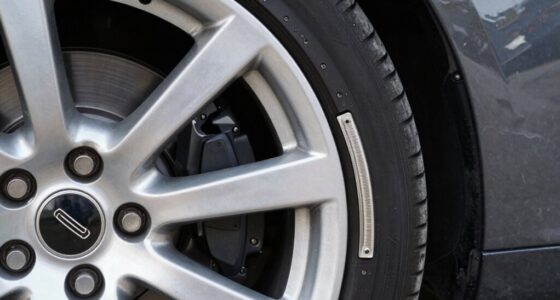

After basic suspension mods, your vehicle’s alignment needs to be checked and adjusted to maintain proper tire contact and handling. Modifications like lowering springs or shocks change suspension geometry, which can lead to uneven tire wear and reduced control. Without proper alignment, you might experience pulling, loose steering, or quicker tire wear, risking safety and costly repairs. Ensuring your alignment is correct keeps your car performing at its best—continue on to discover how to keep your ride smooth and safe.
Key Takeaways
- Suspension mods change tire contact angles, requiring realignment to maintain proper grip and wear.
- Incorrect alignment after modifications causes uneven tire wear and reduces tire lifespan.
- Proper alignment restores vehicle handling, responsiveness, and safety during driving.
- Ignoring alignment can lead to premature suspension component wear and long-term damage.
- Regular professional checks ensure optimal performance and prevent issues caused by altered suspension geometry.

After installing basic suspension modifications, it’s crucial to revisit your vehicle’s alignment settings because these changes can alter how your car handles and wears tires. Suspension upgrades, like lowering springs or new shocks, affect the angles at which your tires contact the road. If the alignment isn’t checked and adjusted afterward, you might notice uneven tire wear and compromised handling stability. Proper alignment ensures that your tires sit at the correct angles, distributing weight evenly and preventing premature tire degradation.
When you modify suspension components, the geometry of your suspension shifts. This can lead to increased tire wear, especially on the inner or outer edges, as the tires aren’t making ideal contact with the pavement. Over time, misaligned tires can cause uneven tread wear, reducing your tires’ lifespan and increasing your overall driving costs. Additionally, poor alignment affects handling stability. You might feel your car pulling to one side, or notice that it doesn’t respond as crisply during turns, which can compromise your safety and driving confidence.
Revisiting your alignment after suspension modifications isn’t just about tire longevity; it’s also about maintaining predictable and responsive handling. When your suspension changes are unaligned, your steering may feel loose or imprecise, making it harder to control your vehicle during quick maneuvers or high-speed driving. Proper alignment restores the geometry designed by the manufacturer, ensuring that your vehicle reacts accurately to your inputs. This not only improves handling stability but also enhances safety, especially when driving aggressively or on uneven roads.
Ignoring alignment after suspension upgrades can lead to long-term issues. Uneven tire wear accelerates, and the suspension components themselves may experience uneven stress, increasing the risk of premature failure. Furthermore, misaligned wheels can cause vibrations, noise, and a general loss of driving comfort. To avoid these problems, it’s best to have a professional check and adjust your alignment settings soon after completing suspension modifications. Regular alignment checks can help detect and correct issues early, and ensure that your vehicle maintains optimal handling performance over time.
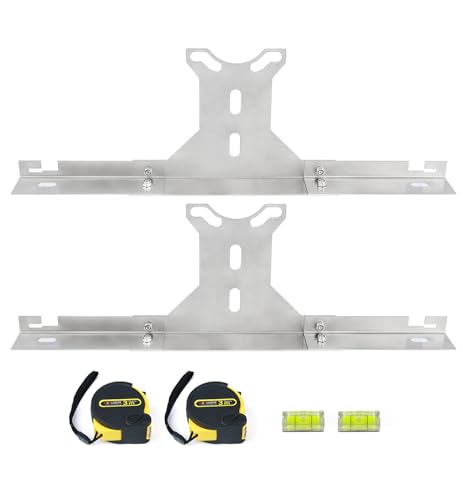
Toplamper Wheel Alignment Tool for DIY Toe Adjustment, Stainless Steel Toe Alignment Plates Allow Quickly Operation, Easy Way to Check Toe in/Out, Fits Most Cars & Trucks(Patent Design)
- Simple Toe Alignment Check: Easily measure and adjust toe-in/out
- One-Person Operation: Built-in tape-measure slots for stability
- Universal Compatibility: Fits most cars, trucks, and SUVs
As an affiliate, we earn on qualifying purchases.
As an affiliate, we earn on qualifying purchases.
Frequently Asked Questions
How Often Should I Check My Alignment After Suspension Modifications?
You should check your alignment every 4,000 to 6,000 miles, especially after suspension modifications. Regularly inspect your tire balancing and consider wheel rotation to guarantee even wear. If you notice uneven tire wear, pulling, or steering issues, get your alignment checked sooner. Proper alignment helps your tires last longer and improves handling, so staying vigilant after suspension changes keeps your vehicle performing its best.
Can Improper Alignment Damage My Tires or Suspension?
Imagine your tires whisper warnings through uneven tire wear, subtly hinting at misalignment. If you ignore proper alignment, you risk more than just premature tire wear—your suspension could suffer damage, leading to rough rides and costly repairs. Improper alignment puts extra stress on components, increasing the chance of suspension damage. To keep your ride smooth and your tires lasting longer, regularly check and maintain your alignment after suspension mods.
What Signs Indicate Alignment Issues Post-Modification?
If you notice uneven tire wear, it’s a sign of alignment issues, especially with wheel camber. Poor steering response, like pulling to one side or a wandering steering wheel, also indicates misalignment. After suspension modifications, these signs become more prominent. Keep an eye on your steering and tire condition to catch problems early, ensuring your vehicle handles properly and minimizes tire or suspension damage.
Is Professional Alignment Necessary After Basic Suspension Upgrades?
Think of your suspension upgrades as a finely-tuned orchestra that needs a skilled conductor. Professional alignment is crucial because it guarantees wheel camber and toe adjustment are precisely set, preventing uneven tire wear and handling issues. Without expert help, small misalignments can turn into bigger problems, affecting safety and performance. Trust a professional to fine-tune your suspension, so your vehicle performs at its best and lasts longer.
How Do Different Suspension Mods Affect Alignment Settings?
Different suspension mods, like lowering springs or upgraded shocks, considerably affect your wheel camber and toe adjustment. These modifications can alter your vehicle’s stance, causing misalignment over time. You need to check and adjust wheel camber and toe to guarantee proper tire contact and handling. Failing to do so can lead to uneven tire wear and compromised safety. Always get a professional alignment after suspension upgrades to keep your vehicle performing at its best.
Toplamper Wheel Alignment Tool for DIY Toe Adjustment, Stainless Steel Toe Alignment Plates Allow Quickly Operation, Easy Way to Check Toe in/Out, Fits Most Cars & Trucks(Patent Design)
- Simple Toe Alignment Check: Easily measure and adjust toe-in/out
- One-Person Operation: Built-in tape-measure slots for stability
- Universal Compatibility: Fits most cars, trucks, and SUVs
As an affiliate, we earn on qualifying purchases.
As an affiliate, we earn on qualifying purchases.
Conclusion
Proper alignment after suspension mods isn’t just a detail; it’s essential for safety, tire longevity, and ideal handling. Studies show that misaligned tires can decrease fuel efficiency by up to 10%, costing you more in the long run. So, don’t skip this step. Ensuring your alignment is dialed in means you get the most out of your upgrades and enjoy a smoother, safer ride every time you hit the road.

152 Pieces Auto Alignment Body Shims 1/16" 1/64" 1/32" 1/8" Car Alignment Shims Spacers Assortment Kit
- Durable Zinc Plated Construction: Resists rust and corrosion for longevity
- Comprehensive Size Range: Includes 152 pieces in four sizes
- Versatile Auto Alignment Use: Adjusts body parts, camber, caster, and toe
As an affiliate, we earn on qualifying purchases.
As an affiliate, we earn on qualifying purchases.

KATOOL KT-AV9 Android System 3D Wheel Alignment Machine Wheel Aligner Automotive Tire Alignment Tool
- Technology: Android-based 3D camera measurement
- Compatibility: Supports iOS devices for display
- Efficiency: Simplifies and speeds up alignment process
As an affiliate, we earn on qualifying purchases.
As an affiliate, we earn on qualifying purchases.