
Before a long drive, check your vehicle’s oil level, tire pressure, and tread wear to guarantee safety and efficiency. Inspect all lights and brakes, top off windshield washer fluid, and replace any dirty filters. Pack an emergency kit with first aid supplies, a flashlight, jumper cables, and snacks. Keep safety equipment visible and organized, and verify all safety features work properly. Staying prepared now means smoother travels ahead—continue to learn essential steps for your trip.
Key Takeaways
- Conduct vehicle maintenance checks, including oil level, tire condition, brakes, and exterior lights, to ensure safety and proper function.
- Inspect and replace air filters, top off windshield washer fluid, and address dashboard warning lights before departure.
- Pack an emergency kit with first aid supplies, flashlight, jumper cables, tools, water, snacks, and warning devices.
- Verify safety and visibility equipment like warning triangles, safety features, and ensure all are functional and accessible.
- Review local safety regulations, create a checklist, and schedule any necessary maintenance to prepare for unforeseen issues.

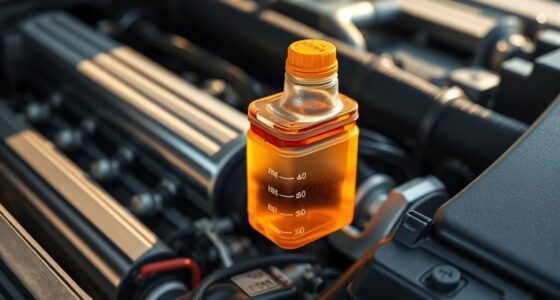
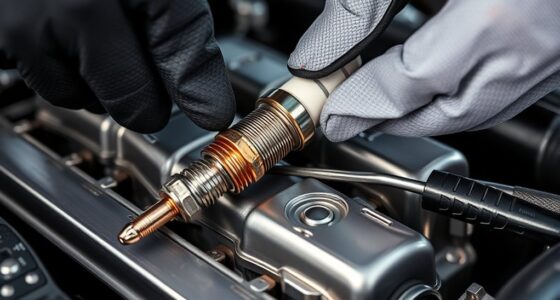
Before hitting the road, it’s crucial to prepare with a thorough pre-road trip checklist. One of the most important steps is verifying your vehicle is in top shape to handle the long drive ahead. Start by performing basic vehicle maintenance—check your oil level and top it off if needed, since fresh oil can prevent engine issues during the trip. Inspect your tires for proper inflation and tread wear; under-inflated tires can reduce fuel efficiency and increase the risk of blowouts. Don’t forget to examine your spare tire, jack, and lug wrench, so you’re prepared in case of a flat. Test your brakes and make sure they respond smoothly, as well as your headlights, taillights, and turn signals, to keep you visible and safe. If your vehicle has any warning lights on the dashboard, address those issues before departure. A clean air filter can improve fuel economy, so consider replacing it if it’s dirty. Additionally, top up your windshield washer fluid to maintain clear visibility on the road. These steps are essential components of vehicle maintenance that help prevent breakdowns and ensure a smoother journey. Regularly checking vehicle safety features can also enhance your driving confidence during long trips.
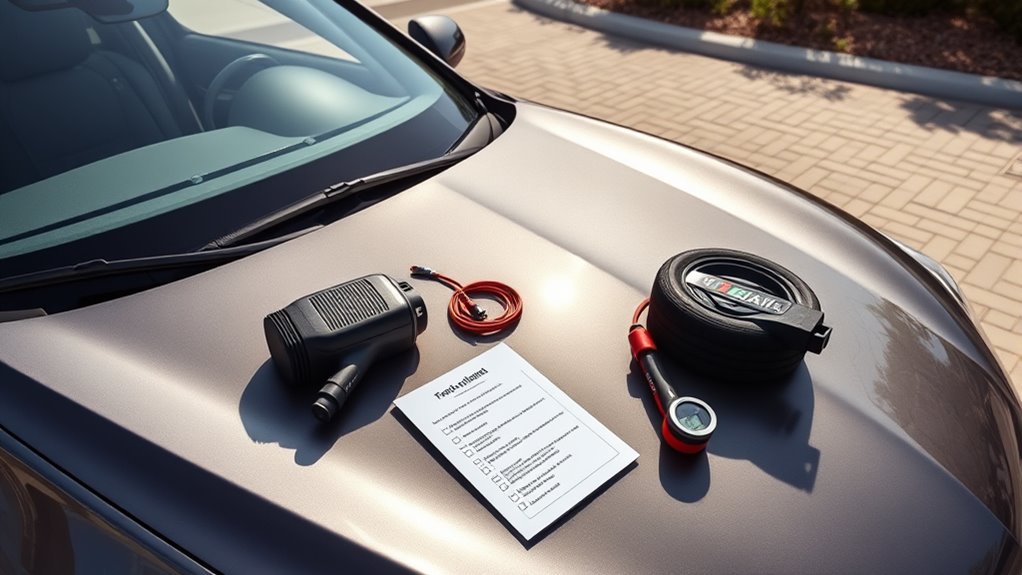
Equally important is packing a well-stocked emergency kit. No matter how well your vehicle is maintained, unforeseen issues can still happen, so being prepared can make all the difference. Your emergency kit should include basic first aid supplies, such as bandages, antiseptic wipes, and pain relievers. Carry a flashlight with extra batteries, so you’re not left in the dark if you encounter trouble at night. Have a set of jumper cables ready to revive a dead battery, and include a portable phone charger or power bank to keep your devices charged in emergencies. Essential tools like pliers, screwdrivers, and duct tape can help with minor repairs. Keep a few bottled waters and non-perishable snacks on hand in case you get stranded somewhere without immediate access to food. Also, include a reflective warning triangle or flares to alert other drivers if you’re broken down on the side of the road. Lastly, have your vehicle registration, insurance documents, and a list of emergency contacts easily accessible.
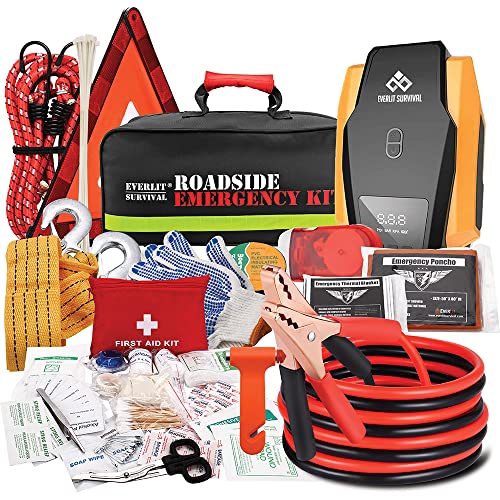
Everlit Survival Car Emergency Kit, Roadside Safety Tool Kit with Gloves,Digital Auto Air Compressor Tire Inflator, First Aid Kit, 12 Feet Jumper Cable, Tow Strap, Flashlight for Women, Men, Teenagers
- Roadside Emergency Kit: Comprehensive tools for roadside emergencies
- Digital Tire Inflator: Fast, auto shutoff air compressor
- LED Light & Nozzles: Illumination and versatile inflation options
As an affiliate, we earn on qualifying purchases.
As an affiliate, we earn on qualifying purchases.
Frequently Asked Questions
How Often Should I Check Tire Pressure Before a Long Trip?
You should check your tire pressure at least once a week before a long trip, especially a few days prior to verify accuracy. Also, inspect your tires for tread depth and consider a tire rotation if needed. Properly inflated tires with good tread ensure safety, fuel efficiency, and better handling. Regular checks can prevent unexpected flats or blowouts, giving you peace of mind on your journey.
What Emergency Supplies Should I Carry in My Car?
You should carry essential emergency supplies like a well-stocked first aid kit and emergency contact cards. The first aid kit helps you handle minor injuries, while emergency contact cards guarantee you can quickly reach loved ones or authorities if needed. Keep these items easily accessible in your glove compartment or trunk, and double-check their contents before your trip. Being prepared keeps you safe and confident on the road.
How Can I Improve Fuel Efficiency on a Road Trip?
To improve fuel efficiency on your road trip, practice eco-friendly driving by avoiding rapid acceleration and hard braking. Use route optimization tools to find the shortest, most efficient paths, reducing unnecessary miles and fuel consumption. Keep your tires properly inflated to improve mileage, remove excess weight, and ensure your car is well-maintained. These strategies help save fuel, protect the environment, and make your trip more cost-effective.
When Is the Best Time to Schedule a Professional Car Service?
Think of your car as a trusted companion that needs regular check-ups. The best time to schedule a professional car service is a few weeks before your trip, so you have time for vehicle maintenance and any necessary repairs. Regularly scheduling appointments guarantees your vehicle stays in top shape, preventing surprises on the road. Don’t wait until the last minute—proactive maintenance keeps your journey smooth and safe.
How Do I Prepare My Car for Different Weather Conditions?
To prepare your car for different weather conditions, start with weatherproofing tips like checking tire tread and pressure for better traction in rain or snow. Incorporate seasonal maintenance such as changing to winter or summer tires, topping off windshield washer fluid, and inspecting the cooling system. Keep emergency supplies handy, and always monitor weather forecasts before your trip to guarantee your preparations accordingly. Proper seasonal maintenance ensures safe driving in any weather.

ETENWOLF Tire Pressure Gauge for Cars 0-75 PSI with Large Glow Dial
- Calibration Standard: Calibrated to ANSI B40.1 Grade A
- Pressure Range: Measures 0-75 PSI
- Visibility: Large glow dial for night reading
As an affiliate, we earn on qualifying purchases.
As an affiliate, we earn on qualifying purchases.
Conclusion
Now, picture yourself behind the wheel, the open road stretching endlessly ahead, sun warming the dashboard. Your car hums smoothly, ready to carry you on this adventure. With everything checked and secured, you can focus on the scenic views, the songs, and the memories you’ll make. Trust your prep, breathe in the anticipation, and embrace the journey ahead. Safe travels—your perfect road trip starts with a well-prepared car and a ready spirit.

Egofine 46 Pieces 1/4 inch Drive Socket Ratchet Wrench Set, with Bit Socket Set Metric and Extension Bar for Auto Repairing and Household, with Storage Case
- Durable CR-V with Reinforced Walls: Eliminates bursting risk with thick walls
- Premium Chrome Vanadium Steel: Strong, wear-resistant, mirror chrome finish
- Complete 21-Piece Bit Socket Set: Includes various SL, PH, PZ, HEX bits
As an affiliate, we earn on qualifying purchases.
As an affiliate, we earn on qualifying purchases.

Mini First Aid Kit – 150 Piece Small Waterproof Hard Shell Medical Kit for Home, Car, Travel, Camping, Truck, Hiking, Sports, Office, Vehicle & Outdoor Emergencies- Small First Aid Medical Kit (Red)
- Complete Emergency Supplies: Over 150 professional-grade medical items
- Lightweight & Compact: Measures 6.4 x 4.9 x 2.7 inches, 0.73 lbs
- Travel-Friendly Design: Includes zippers and carabiners for convenience
As an affiliate, we earn on qualifying purchases.
As an affiliate, we earn on qualifying purchases.