To winterize your car, start by checking and switching to winter-grade fluids like oil and windshield washer fluid. Inspect your tires for tread and proper pressure, and swap to winter tires if needed. Test your battery and charging system to prevent surprises. Prepare emergency supplies such as blankets, snacks, and a shovel. Make certain wipers and defrosters work well to keep your windshield clear. Following these tips will help keep you safe—keep going to discover more essential steps.
Key Takeaways
- Check and switch to winter-grade oil and ensure the coolant mixture is 50/50 antifreeze and water to prevent freezing.
- Inspect tires for adequate tread, proper pressure, and consider switching to winter tires for better traction.
- Test the battery, clean terminals, and ensure all lights and electrical components function properly.
- Replace worn windshield wipers, use winter windshield washer fluid, and ensure defrosters work effectively.
- Pack an emergency kit with blankets, warm clothing, a flashlight, snacks, and traction aids like sand or kitty litter.

VCANENERGY Car Emergency Kit with Jumper Cable, First Aid Kit, Winter Travel Assistance with Detachable Snow Shovel, Safety Emergency Kit for Cars, Trucks
- Complete Emergency Kit: 86 essential items included
- Heavy-Duty Jumper Cables: 12 ft 8 Gauge cables
- Comprehensive First Aid: 73-item first aid kit
As an affiliate, we earn on qualifying purchases.
As an affiliate, we earn on qualifying purchases.
Check and Replace Fluids

As winter approaches, it’s vital to check and replace your car’s fluids to guarantee reliable performance in cold weather. Start by inspecting your oil level; ensure it’s at the proper mark and consider switching to a winter-grade oil if needed. Cold temperatures can thicken engine oil, making it harder for your engine to start and run smoothly. Next, check your coolant mixture—antifreeze must be at the right concentration to prevent freezing. A 50/50 mix of antifreeze and water is typically effective, but verify your vehicle’s specifications. If the coolant is low or the mixture is off, top it up or flush and replace it. Properly maintained fluids help prevent engine damage and keep your vehicle running efficiently during the winter months. Regularly fluid maintenance ensures your vehicle is prepared for harsher conditions, especially since cold weather performance heavily depends on proper fluid levels and composition. Additionally, using appropriate winter fluids for windshield washer reservoirs can improve visibility and safety during snowy or icy conditions. Ensuring your fluids are correctly mixed can also prevent corrosion and extend the lifespan of your vehicle’s engine components. Keeping an eye on these fluids is especially important because winter driving hazards can quickly cause issues if your vehicle isn’t properly prepared.

HANKOOK Winter ipike X W429 215/60R16 99T XL
- Brand and Model: Hankook Winter i Pike RS2 W429
- Type: Premium Touring studded winter tire
- Design: Directional tread pattern
As an affiliate, we earn on qualifying purchases.
As an affiliate, we earn on qualifying purchases.
Inspect and Change Tires

Ensuring your tires are in good shape is vital as winter approaches. Start by inspecting the tire tread; it should be deep enough to grip icy or snowy roads. If the tread is worn down, replace the tires to maintain traction. Check your tire pressure regularly, especially as temperatures drop, since cold weather causes air to contract and reduces pressure. Underinflated tires decrease fuel efficiency and increase the risk of a blowout. Make sure your tires are properly inflated according to your vehicle’s specifications. Also, look for any signs of damage, such as cracks or punctures. Properly maintained tires will help you stay safe and improve handling during winter driving conditions. Regular tire maintenance can prevent issues before they become dangerous. Incorporating tire rotation and alignment checks into your routine can extend tire life and ensure even wear. Additionally, understanding tire traction requirements for winter conditions can help you choose the best tires for icy roads. Staying informed about tire safety practices is essential for confident winter driving. Regularly checking tire pressure is especially important because cold weather causes air to contract, reducing pressure and affecting performance. Prioritize tire inspection and maintenance before the cold weather hits.
VCANENERGY Car Emergency Kit with Jumper Cable, First Aid Kit, Winter Travel Assistance with Detachable Snow Shovel, Safety Emergency Kit for Cars, Trucks
- Complete Emergency Kit: 86 essential items included
- Heavy-Duty Jumper Cables: 12 ft 8 Gauge cables
- Comprehensive First Aid: 73-item first aid kit
As an affiliate, we earn on qualifying purchases.
As an affiliate, we earn on qualifying purchases.
Test Your Battery and Charging System

Have you tested your car’s battery and charging system recently? Cold weather puts extra strain on your battery, making regular battery maintenance essential. A weak or failing battery can leave you stranded in freezing temperatures. Start with a thorough charging system check to ensure your alternator and voltage regulator are functioning properly. Look for signs like slow engine crank, dim headlights, or dashboard warning lights, which indicate potential issues. If your battery is more than three years old, consider having it tested professionally. Clean any corrosion on the terminals and ensure connections are tight. Additionally, battery health assessments should be performed regularly to prevent unexpected breakdowns and ensure your vehicle’s electrical system is ready to handle winter conditions. Regular inspections can also help identify vetted vacuum cleaners or other maintenance needs that might be overlooked. It’s also worthwhile to check the state of your alternator, as a failing alternator can cause battery drain and electrical issues. Being proactive with your vehicle’s maintenance, including checking the best garbage disposal units, can help prevent inconvenient breakdowns during harsh weather. Proper battery maintenance keeps you safe and on the road.
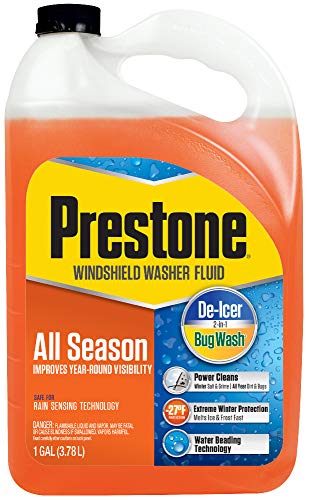
Prestone AS658 All Season 2-in-1 Windshield Washer Fluid, Year Round, De-Icer + Bugwash, 1 Gallon
- Water beading technology: No streaks or glare
As an affiliate, we earn on qualifying purchases.
As an affiliate, we earn on qualifying purchases.
Prepare Emergency and Winter Supplies
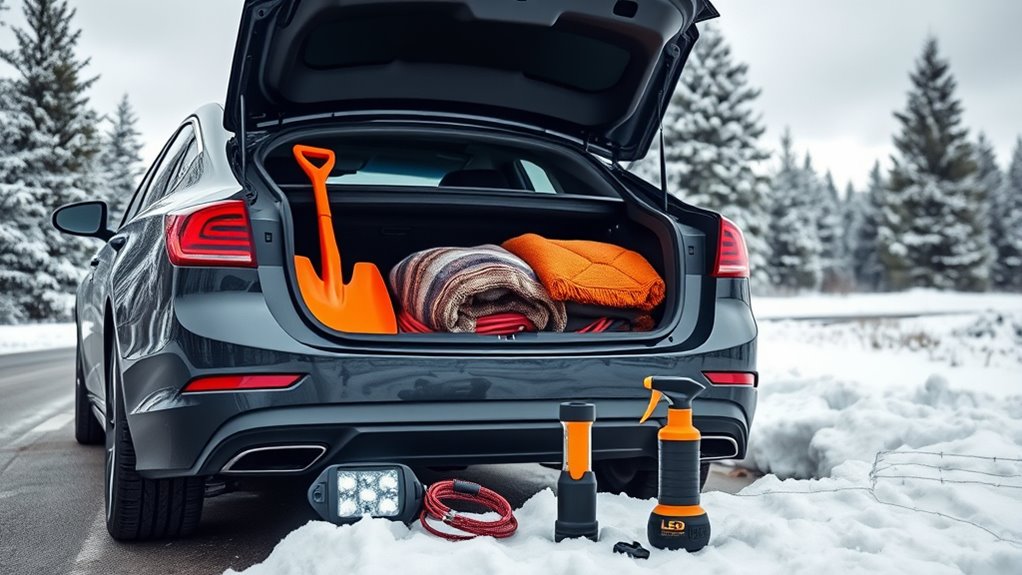
Preparing your vehicle with emergency and winter supplies is essential to stay safe during harsh weather conditions. You should carry items like a snow shovel, blanket, flashlight, and extra warm clothing. Keeping your tire pressure up to date to ensure better traction and reduces the risk of getting stuck. Make sure your windshield washer fluid is full and rated for cold temperatures to maintain clear visibility. It’s also helpful to include a small first aid kit, snacks, and water. Regularly check that your emergency supplies are in good condition and accessible. Being prepared not only ensures your safety but also provides peace of mind while driving in winter conditions. Additionally, understanding vehicle maintenance can help prevent breakdowns in cold weather. Staying proactive helps you stay safe and avoid dangerous situations on winter roads. Proper winter vehicle preparations can significantly reduce the likelihood of emergencies during winter driving, especially when you are familiar with winter driving techniques to handle challenging road conditions. Checking your vehicle’s antifreeze levels regularly is also crucial to prevent engine freezing and overheating.
Ensure Proper Functioning of Wipers and Defrosters

When winter weather hits, clear visibility becomes more important than ever. Make sure your wipers are in good condition and replace any that streak or chatter. Use windshield washer fluid designed for cold temperatures to prevent ice buildup on the glass. Check that your defrosters work effectively and turn them on before driving to clear frost and fog. Properly functioning wipers and defrosters are essential for visibility safety, especially during snow and sleet. Regularly inspect the wiper blades for damage and replace them if necessary. Keep the windshield and rear window free of ice and snow, using a scraper if needed. Taking these steps ensures you maintain clear sightlines and safer driving conditions during winter’s worst weather. Additionally, consider energy-efficient heating options to reduce your vehicle’s overall environmental impact during winter months, and ensure your vehicle’s vacuums are clean and well-maintained to prevent dirt and debris from affecting your car’s interior comfort. Regularly testing your vehicle’s defrosters can help identify any issues early, preventing unexpected failures in critical moments. It’s also helpful to check your vehicle’s antifreeze levels regularly to prevent the coolant from freezing and causing engine damage. Remember that technological integration like remote start systems can also help pre-warm your vehicle, improving comfort and safety before you even step outside.
Frequently Asked Questions
How Often Should I Check My Car’s Antifreeze Levels During Winter?
You should check your antifreeze levels at least once a month during winter to guarantee proper antifreeze maintenance. Regular cooling system checks help prevent freezing and overheating issues. If you notice a drop in antifreeze, top it off with the correct type. Remember, maintaining the right mixture of antifreeze and water is vital for protection against cold temperatures, so stay vigilant and keep an eye on your cooling system throughout the season.
Can I Use Regular Windshield Washer Fluid in Freezing Temperatures?
You shouldn’t use regular windshield washer fluid in freezing temperatures. It might seem convenient, but it can freeze and clog your system when you need it most. Instead, opt for windshield fluid specifically designed for cold weather—these contain antifreeze agents that prevent freezing. Don’t take the risk—your visibility and safety depend on using the right windshield fluid during winter’s icy grip. Stay prepared and drive safely.
What’s the Best Way to Store Snow Chains When Not in Use?
You should store snow chains in a dry, cool place to prevent rust and damage. Use storage methods like a sturdy bag or container to keep them organized and protected. Before storing, inspect and clean the chains to maintain chain maintenance, removing any dirt or ice. Make sure they’re completely dry to avoid corrosion. Proper storage prolongs the life of your snow chains and ensures they’re ready for effective use when winter hits.
How Do I Know if My Car’s Heater Is Working Properly?
Don’t wait until you’re freezing to find out if your heater works. Turn it on and check for warm air within a few minutes; if you don’t feel heat, your heater performance might be lacking. Run diagnostic tests if necessary, and inspect the thermostat and coolant levels. Keep an eye on any strange smells or noises, as they can signal underlying issues. Staying proactive helps you stay warm and safe on cold drives.
Are There Specific Oils Recommended for Winter Driving Conditions?
For winter driving, you should consider using synthetic blend oils, as they handle cold temperatures better and flow more easily. Look for engine viscosity ratings like 5W-30 or 0W-20, which are specially formulated for winter conditions. These oils maintain proper lubrication in cold weather, helping your engine start smoothly and run efficiently. Always check your vehicle’s owner manual for the recommended oil type and viscosity for winter driving.
Conclusion
Winterizing your car is like wrapping it in a warm, protective blanket before a storm. By checking fluids, inspecting tires, testing your battery, and preparing emergency supplies, you’ll keep your vehicle ready for anything the cold throws at it. Ensuring wipers and defrosters work properly is the cherry on top. Taking these simple steps now means you’ll navigate winter roads confidently, just as a sturdy ship sails smoothly through icy waters. Stay safe out there!