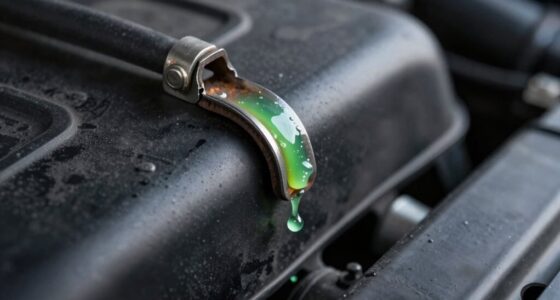
To keep your car battery healthy in winter, guarantee you clean and tighten the terminals regularly, especially before cold snaps. Check the battery’s charge and replace it if it’s over 3-5 years old. Park in a garage or use a battery warmer when possible. Avoid leaving electrical components on when the engine is off. Taking these simple steps can prevent winter breakdowns, and if you explore further, you’ll discover more tips to extend your battery’s lifespan in cold weather.
Key Takeaways
- Regularly clean and tighten battery terminals to prevent corrosion and ensure optimal electrical flow.
- Check and maintain the battery charge level using proper chargers before cold weather hits.
- Park in a garage or use a battery warmer to protect the battery from extreme cold temperatures.
- Replace the battery if it is over 3-5 years old or shows signs of weakness.
- Use jumper cables safely and keep emergency supplies handy for cold weather starting issues.

Winter’s cold temperatures can put extra stress on your car battery, making it harder to start your vehicle and increasing the risk of breakdowns. When temperatures drop, your battery’s chemical reactions slow down, reducing its ability to produce the power needed to turn over your engine. One common issue that worsens in winter is battery corrosion. Over time, a white or bluish residue can form on the battery terminals, which impairs the flow of electricity. If you notice corrosion, it’s essential to clean it off carefully—using a mixture of baking soda and water with a wire brush—to ensure good contact and prevent starting problems. Corrosion acts like a barrier, limiting the current that reaches your starter, especially when your battery is already weakened by the cold.
If your vehicle refuses to start, and you suspect a dead or weak battery, knowing jump start procedures can save you a lot of trouble. To safely jump-start your car, you’ll need jumper cables and a working vehicle. First, make sure both vehicles are turned off, then connect the red cable to the positive terminal of your dead battery, followed by connecting the other end to the positive terminal of the good battery. Next, attach the black cable to the negative terminal of the good battery and connect the other end to an unpainted metal surface on your vehicle’s engine block or chassis—away from the battery— to ground it. Start the working vehicle and let it run for a few minutes, then try starting your vehicle. If it starts, let it run to recharge the battery. Remember, if your car doesn’t start after a few attempts, or if the jump start fails, it’s time to have your battery tested or replaced.
In winter, it’s also a good idea to keep your battery terminals clean and tight, especially before cold snaps. Regular maintenance, such as checking the battery’s charge level and inspecting for corrosion, can help prevent unexpected failures. Additionally, using proper battery chargers can help maintain optimal charge levels during prolonged cold periods. If your battery is more than three to five years old, consider having it tested by a professional. Cold weather can accelerate battery wear, so proactive measures, like investing in a battery warmer or parking in a garage, can extend its lifespan. By staying vigilant about corrosion and knowing proper jump start procedures, you can keep your battery healthy and your vehicle reliable throughout winter’s harshest days.

Battery Terminal Cleaner Tool Kit, 2-Pack Battery Post Wire Brush with Metal Case and 10 Anti-Corrosion Fiber Washers (5 Red & 5 Green) for Car, Truck, RV and Marine Batteries
【Effortlessly removes corrosion】The dual-ended battery post cleaning brush, made of stainless steel casing and with steel wire bristles,…
As an affiliate, we earn on qualifying purchases.
As an affiliate, we earn on qualifying purchases.
Frequently Asked Questions
How Often Should I Test My Car Battery in Winter?
You should test your car battery at least once every month during winter to maintain proper battery maintenance and prevent unexpected failures. Cold weather stresses batteries, so regular testing helps identify issues early. If your battery is older or shows signs of weakness, increase testing frequency. Using a multimeter or visiting a mechanic guarantees accurate results. Staying proactive with battery testing keeps your car reliable and avoids winter breakdowns.
Can a Weak Battery Impact Cold Weather Starting?
A weak battery can definitely hinder your cold weather starts, much like a hero losing their edge. Corrosion and poor battery maintenance weaken your battery’s power, making it harder for your engine to turn over in winter’s chill. When your battery isn’t up to par, it struggles against the cold, risking breakdowns. Regular testing and cleaning prevent corrosion, ensuring your battery remains strong and reliable when you need it most.
Are There Specific Battery Types Better for Winter?
Yes, certain battery types perform better in winter. AGM (Absorbent Glass Mat) batteries, with their advanced battery chemistry, handle cold temperatures more efficiently than traditional flooded ones. They’re also designed with rugged battery casing that resists low temperatures and vibrations. If you live in a cold climate, upgrading to an AGM battery guarantees reliable starts and better durability, especially during harsh winter conditions.
How Do I Jump-Start a Frozen Car Battery Safely?
Ever wonder if you can safely jump-start a frozen car battery? To do so, first guarantee your battery is insulated with a blanket or battery insulation kit to prevent further freezing. Connect the jumper cables carefully, making sure to avoid sparks. Use an emergency jump start from another vehicle, then let yours run for a few minutes to warm up. Always prioritize safety and consult your manual if unsure.
What Signs Indicate My Battery Needs Replacement in Winter?
You should replace your battery if it shows signs like slow engine starting, frequent jump-starts, or dimming headlights, especially in winter. Check for battery corrosion around terminals, which hinders performance. Also, have your alternator’s health tested, as a failing alternator can drain your battery faster. If these issues persist despite maintenance, it’s time for a new battery to guarantee reliable cold-weather starts and avoid breakdowns.

Kat's 22200 80 Watt 36" Battery Thermal Wrap (22200X)
Vinyl covered for resistance against oil and acid for longer life
As an affiliate, we earn on qualifying purchases.
As an affiliate, we earn on qualifying purchases.
Conclusion
As winter’s icy grip tightens, your car’s battery becomes a crucial heartbeat in the cold. Picture your engine springing to life smoothly, even when frost paints the windows. With simple steps like checking terminals and keeping it charged, you prevent that dreaded morning struggle. Stay proactive, and your battery will weather winter’s chill, like a sturdy ship sailing through icy waters. Keep it healthy, and your drive will stay warm and worry-free all season long.

TowerTop 2/10/25 Amp 12V Smart Car Battery Charger, Fully Automatic Battery Maintainer with Engine Start, Auto Desulfator, Battery Repair, Winter Mode, for AGM, STD, Gel, Deep Cycle Batteries
Efficient, Energy-Saving, and Fast Charging: The TowerTop 12v battery charger offers 4 adjustable current settings (2A/10A/25A/AUTO) to meet…
As an affiliate, we earn on qualifying purchases.
As an affiliate, we earn on qualifying purchases.
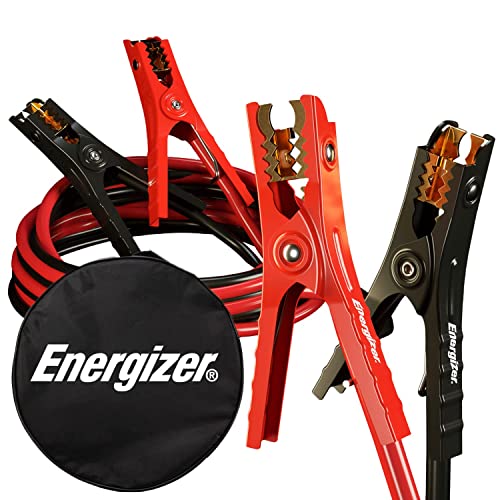
Energizer Jumper Cables for Car Battery, Heavy Duty Automotive Booster Cables for Jump Starting Dead or Weak Batteries with Carrying Bag Included (16-Feet (6-Gauge)
ENERGIZER 16 FEET JUMPER CABLES – 6 Gauge, 16 FT booster battery jumper cables for jump starting a…
As an affiliate, we earn on qualifying purchases.
As an affiliate, we earn on qualifying purchases.