
TL;DR
The European Union has introduced a regulation requiring all new cars sold within member states to be equipped with driver monitoring cameras. This move aims to improve driver attention and reduce accidents. The policy takes effect immediately, but implementation details are still being clarified.
The European Union has mandated that every new car sold in member states must include a driver monitoring camera, a move aimed at enhancing road safety and reducing driver distraction-related accidents. The regulation, announced today by the European Commission, applies to all passenger vehicles and takes effect immediately, with manufacturers required to comply for all new model sales.
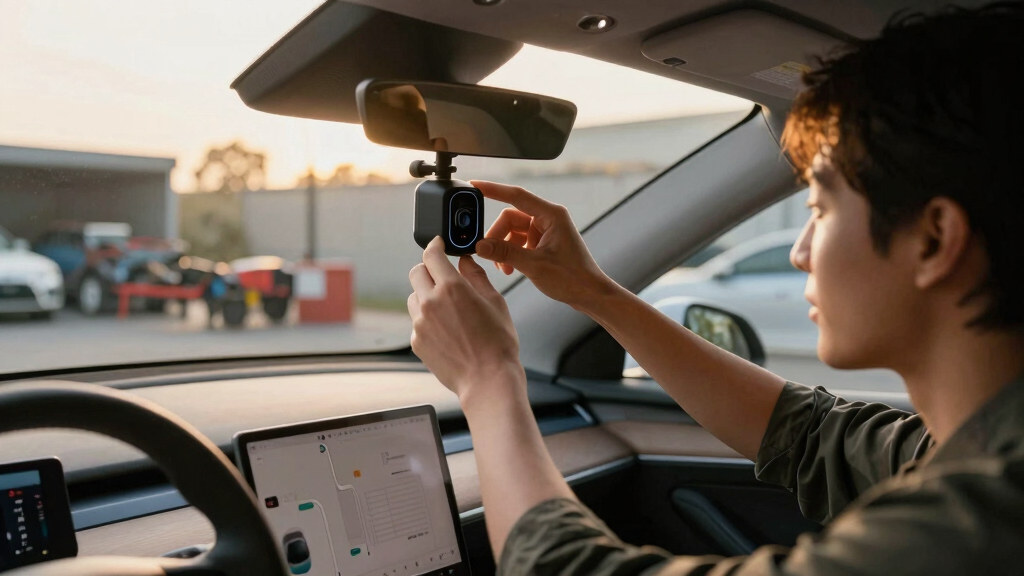
The regulation requires automakers to install driver monitoring cameras capable of assessing driver attention and alertness. The cameras are to be integrated into the vehicle’s interior and linked to systems that can alert drivers or trigger safety measures if signs of drowsiness or distraction are detected. The European Commission states that the goal is to prevent accidents caused by driver inattention, which accounts for a significant proportion of road incidents across the continent.
Automakers have until the end of 2024 to fully comply with the new standards, although the regulation is effective immediately for new vehicle sales. The regulation applies across the EU’s 27 member states, affecting all brands and models sold within the union. The European Automobile Manufacturers Association (ACEA) has expressed some concerns about the implementation timeline but acknowledged the importance of safety measures.
Implications for Road Safety and Vehicle Manufacturing
This regulation marks a significant step in integrating advanced driver-assistance systems into everyday vehicles, aiming to reduce accidents caused by driver distraction. It could lead to widespread adoption of in-cabin monitoring technology and influence future vehicle safety standards globally. For consumers, this may mean increased vehicle costs initially but potentially safer driving experiences. For manufacturers, compliance could involve redesigning interior systems and investing in new sensor technologies.
As an affiliate, we earn on qualifying purchases.
EU’s Push for Safer Vehicles and Driver Monitoring Technology
The EU has been progressively tightening vehicle safety regulations over recent years, including mandates on crashworthiness and emission standards. The current move to require driver monitoring cameras aligns with broader efforts to leverage artificial intelligence and sensor technology to improve road safety. Similar regulations are being considered or implemented in other regions, but the EU’s move is among the first to make such systems mandatory for all new cars.
This regulation follows studies indicating that driver inattention is a leading cause of accidents, prompting policymakers to adopt proactive safety measures. The technology involved typically uses cameras and AI algorithms to track eye movements, head position, and alertness levels.
“This regulation is a major step forward in reducing road accidents caused by driver distraction. It will help save lives across the EU.”
— European Commission spokesperson
in-car driver attention monitoring system
As an affiliate, we earn on qualifying purchases.
As an affiliate, we earn on qualifying purchases.
Details on Implementation and Enforcement Are Still Unclear
It is not yet clear how the regulation will be enforced across different member states or how quickly manufacturers can adapt their vehicles. Specific technical standards and certification processes are still being developed, and there may be variations in compliance among automakers. Additionally, questions remain about privacy protections and data handling related to driver monitoring systems.
As an affiliate, we earn on qualifying purchases.
Clarifications on Compliance Deadlines and Technical Standards Expected Soon
European authorities are expected to publish detailed technical standards and enforcement guidelines in the coming months. Automakers will need to update their vehicle designs accordingly, and regulators will likely conduct inspections and audits to ensure compliance. Consumer awareness campaigns may also be launched to inform drivers about the new systems and their purpose.
As an affiliate, we earn on qualifying purchases.
Key Questions
When does the regulation take effect?
The regulation is effective immediately for all new vehicle sales across the EU, with full compliance expected by the end of 2024.
Will this increase vehicle costs?
Initially, the added technology may increase vehicle prices slightly, but long-term safety benefits could offset costs for consumers.
Are there privacy concerns with driver monitoring cameras?
Yes, privacy protections are being discussed, and data handling standards are expected to be part of the detailed regulations to address these concerns.
Will all vehicle brands be affected?
Yes, the regulation applies to all passenger vehicles sold within the European Union, regardless of brand or model.
Source: hn