
Hidden kill switches are a simple, low-tech way to protect your vehicle by preventing it from starting unless you activate the switch. They’re discreet, easy to install, and act as a secret barrier thieves won’t find easily. This method adds an extra layer of security without relying on complex electronics. If you’re curious about how these switches can boost your vehicle’s safety and where to hide them, there’s more you should consider.
Key Takeaways
- Hidden kill switches provide a simple, effective low-tech method to prevent vehicle theft by disabling ignition or fuel systems.
- They are discreetly installed in concealed locations, making it difficult for thieves to locate and bypass.
- Combining kill switches with other security measures enhances overall vehicle protection and deterrence.
- Installation is affordable and straightforward for those familiar with wiring, but proper concealment is crucial for effectiveness.
- Using a hidden kill switch is a reliable, low-maintenance security option that adds an extra layer of theft prevention.

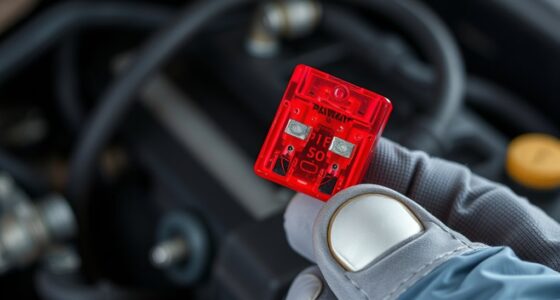
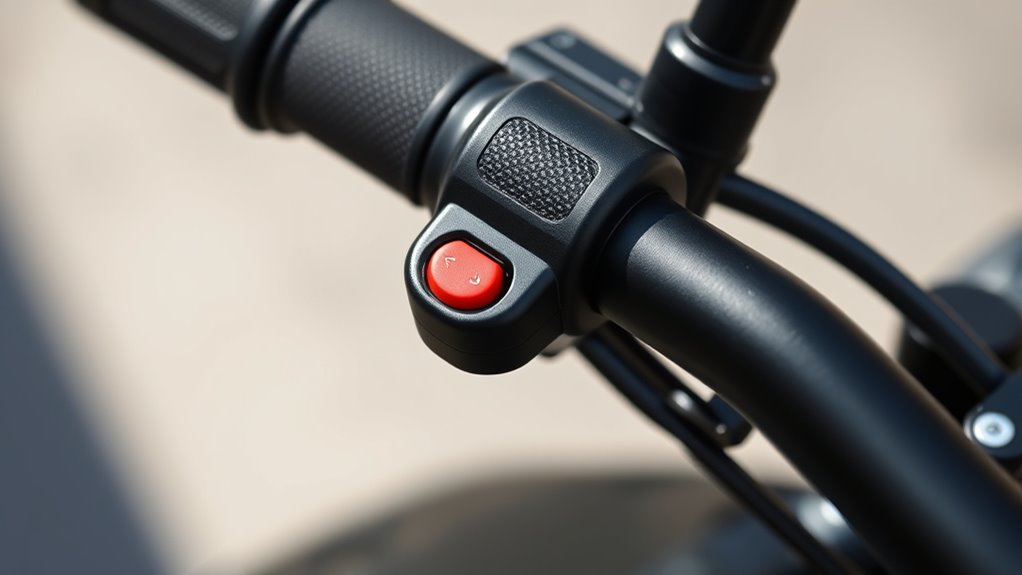
If you’re looking for a simple yet effective way to prevent vehicle theft, installing a hidden kill switch might be worth considering. This low-tech solution acts as a secret barrier that thieves won’t find easily. When installed properly, it can immediately disable your vehicle’s ignition or fuel system, making it difficult for someone to start or drive away with your car. Unlike high-tech options like car alarm systems or GPS tracking devices, a kill switch doesn’t rely on complex electronics or internet connectivity. Instead, it’s a straightforward on/off switch hidden somewhere in your vehicle, often behind a panel or inside the glove compartment. That simplicity is part of what makes it appealing—there’s less that can malfunction or be hacked.
While car alarm systems and GPS tracking devices are excellent security tools, they mainly alert you or authorities after a theft has occurred. A kill switch, on the other hand, acts as a proactive deterrent. When a thief tries to hotwire your car, they’ll find that the ignition circuit is dead—thanks to the hidden switch. This forces them to spend extra time trying to bypass the system, which considerably lowers the chances of a quick theft. The key here is discretion; you want to hide the switch well enough that only you know its location. Common hiding spots include under the dashboard, inside the trunk, or behind interior panels. With a little effort, you can make it nearly impossible for a thief to locate or disable your kill switch. Additionally, integrating high-contrast wiring can make troubleshooting or installation easier for yourself or a professional.
Installing a kill switch doesn’t mean you should abandon other security measures. In fact, combining it with a good car alarm system and GPS tracking device offers layered protection. The alarm can alert you immediately if someone tries to break in, while the GPS tracker can help authorities locate your vehicle quickly if it gets stolen. The kill switch adds an extra layer of defense by making your vehicle harder to start in the first place. Plus, it’s generally affordable and easy to install, especially if you’re comfortable with basic wiring. Just remember, the effectiveness of a kill switch depends heavily on how well you hide it and how discreet you keep its activation method.
Ultimately, whether you’re a seasoned car owner or new to vehicle security, a hidden kill switch is a practical choice. It’s a low-tech, reliable method that complements your existing security measures, providing peace of mind knowing that your vehicle has an extra line of defense. When used wisely, it can buy you valuable time and deter potential thieves from even attempting to steal your car.
Frequently Asked Questions
Can Hidden Kill Switches Be Easily Bypassed by Thieves?
Yes, thieves can often bypass hidden kill switches through electrical bypass methods or by locating the switch. They may use tools to disable theft detection systems or find ways to short-circuit the circuit. While a hidden kill switch adds a layer of security, it shouldn’t be your only theft prevention measure. To improve security, combine it with advanced theft detection systems and other anti-theft strategies.
Do Kill Switches Affect Vehicle Warranty or Insurance Policies?
Think of a kill switch as a secret handshake in vehicle safety—most insurers won’t bat an eye, but some might see it as altering your factory setup. Installing one generally doesn’t void your warranty, but it’s wise to check your policy. Theft prevention measures like kill switches can sometimes lower your insurance premiums, making your vehicle less attractive to thieves and providing peace of mind.
Are There Legal Restrictions on Installing Hidden Kill Switches?
You can generally install hidden kill switches without violating legal restrictions, but it’s important to check local installation regulations first. Some jurisdictions may have specific rules about modifying vehicles, especially regarding safety systems and anti-theft devices. To avoid issues, verify your installation complies with all relevant laws and regulations, and consider consulting a professional to ensure your kill switch setup is legal and safe.
How Visible Are Kill Switches to Potential Thieves?
You might be surprised, but kill switches are often discreet, blending into the vehicle’s interior or hidden beneath panels. This visibility concern actually enhances theft deterrence, making it less obvious to potential thieves. While some may notice a switch, most don’t see it unless they’re specifically searching for one. By keeping your kill switch low-profile, you maximize its protective benefits without alerting thieves to your anti-theft measure.
What Is the Average Cost to Install a Hidden Kill Switch?
The cost to install a hidden kill switch typically ranges from $50 to $150, depending on your vehicle’s make and model. When comparing options, consider the installation process, which can be straightforward for DIY enthusiasts or may require professional help, adding to the overall cost. A simple, low-tech solution often costs less, but guarantee the switch is well-hidden to maximize security.
Conclusion
Think of a hidden kill switch as a secret trapdoor in your car’s fortress—when thieves try to break in, they fall right into your safeguard. For instance, a friend installed one after a break-in, and her car remained untouched during a rash of thefts in her neighborhood. Low-tech might seem simple, but it’s surprisingly effective—like a lock that only you know how to open. So, consider installing a kill switch; it’s a small step that could save you big trouble.