To check if a car fuse is blown, locate the fuse box and remove the suspect fuse using a fuse puller or needle-nose pliers. Inspect the fuse for a broken or burnt metal strip—if it looks damaged, it’s blown. Replace it with a new fuse of the same amperage, ensuring it seats firmly. Proper fuse replacement restores electrical functions and keeps your vehicle safe. Keep exploring to learn more about maintaining your car’s electrical system.

Get garage and car supplies delivered free — and shop member deals
- Fast, free delivery on millions of items
- Access to Prime Big Deal Days deals on October 6–7
- Prime Video, Amazon Music and more included
Key Takeaways
- Locate the fuse box using the owner’s manual and turn off the vehicle before inspecting.
- Remove the fuse with a fuse puller or needle-nose pliers to check for internal damage or a broken metal strip.
- Confirm the fuse type and replace it with a new fuse of the same amperage rating for safety.
- Insert the new fuse firmly and ensure it seats properly, then turn on the vehicle to test the component.
- Regularly check fuses and handle replacements carefully to prevent electrical issues and maintain safety.
If your car’s electrical components stop working unexpectedly, a blown fuse might be the culprit. Fuses act as safety devices that protect your vehicle’s electrical circuits from damage caused by overloads or short circuits. When a fuse blows, it prevents excessive current from flowing through the wiring, which could cause serious damage or even fires. Recognizing when a fuse has blown and knowing how to check and replace it is essential for maintaining circuit safety and ensuring your vehicle functions correctly.
To start, locate the fuse box in your car. Many vehicles have multiple fuse boxes—one under the dashboard, another in the engine bay—and each contains a variety of fuses designed for different electrical components. Before inspecting, turn off your vehicle and remove the key. This step helps prevent any accidental electrical shorts or shocks. When you’re ready, consult your owner’s manual to identify the specific fuse associated with the malfunctioning component.
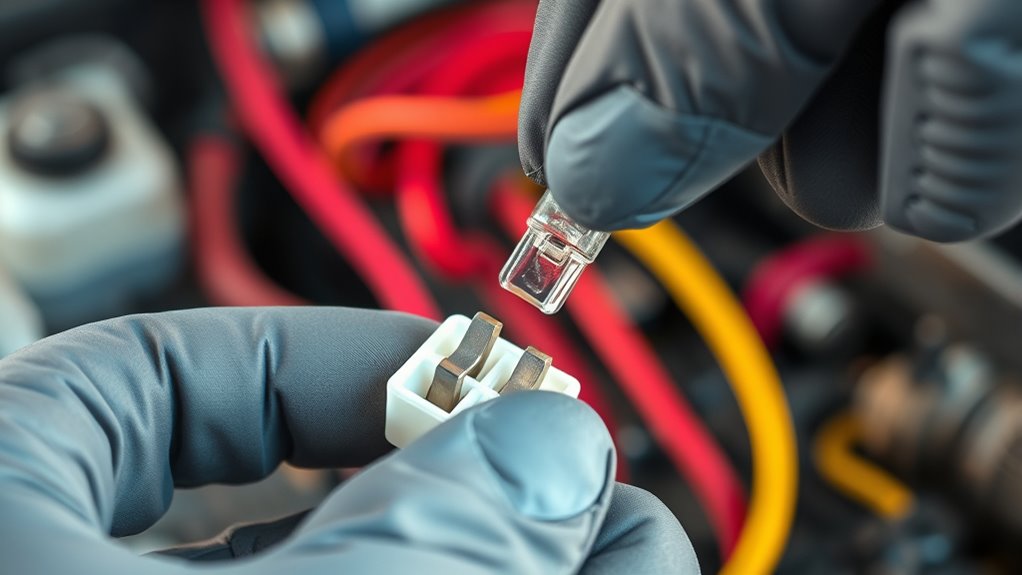
When checking the fuse, always handle it carefully. Fuses come in different types, such as blade fuses, glass tube fuses, and cartridge fuses. Blade fuses are the most common in modern vehicles, featuring a plastic body with metal prongs. Glass tube fuses are older but still found in some models, consisting of a glass cylinder with metal end caps. Knowing the fuse type helps you identify the blown fuse more efficiently. To inspect, gently remove the fuse using a fuse puller or a pair of needle-nose pliers. Hold it up to a light or look through it; if the metal strip inside is broken or burnt, that fuse is blown.
Replacing a fuse is straightforward but must be done with caution. Make sure to replace it with one of the same amperage rating, which is printed on the fuse’s top or side. Using a fuse with a higher rating can compromise circuit safety, risking damage to your vehicle’s wiring or components. Once you’ve selected the correct replacement, insert it firmly into the socket, ensuring it seats properly. Afterward, turn on your vehicle and test the electrical component to confirm the repair. Remember that using high-quality fuses can help ensure reliable protection for your vehicle’s electrical system.
Understanding fuse types and practicing circuit safety are essential steps in troubleshooting electrical issues. Replacing a blown fuse is a simple task, but doing it correctly helps prevent future problems and keeps your vehicle running smoothly. Remember, always follow safety precautions, and if you’re unsure about the process, consult a professional. Proper maintenance of your vehicle’s fuses isn’t just about fixing problems—it’s about safeguarding your car’s electrical system and your safety on the road.
As an affiliate, we earn on qualifying purchases.
Frequently Asked Questions
How Often Should I Check My Car Fuses?
You should check your car fuses during regular fuse inspection, ideally every 6 to 12 months, or if you notice electrical issues. Regular inspections help guarantee all circuits function properly and prevent potential problems. Always prioritize battery safety by inspecting fuses promptly if you experience blown fuses or electrical malfunctions. Keeping a close eye on your fuses helps maintain your vehicle’s electrical system and avoids unexpected breakdowns.
Can a Blown Fuse Cause Electrical System Damage?
A blown fuse can cause electrical system damage if ignored, like a tiny spark that ignites a wildfire. Different fuse types, such as blade or glass, protect specific circuits, but a blown fuse itself doesn’t usually cause damage unless it’s faulty or repeatedly blows. If you don’t replace it promptly, you risk more electrical issues or damage to other components, so always check and swap blown fuses to keep your system safe.
Are All Car Fuses the Same Size and Type?
Not all car fuses are the same size and type. Fuse types vary, such as blade, glass, or ceramic, and each serves different functions. Size compatibility is essential; using the wrong fuse size can cause electrical issues or damage. Always check your vehicle’s manual for the correct fuse type and size, and make certain you match the fuse specifications before replacing to keep your electrical system safe and functioning properly.
What Are the Signs of a Failing Fuse Before It Blows?
You can spot warning signs of a failing fuse before it blows by paying attention to electrical issues like dimming headlights, malfunctioning dashboard lights, or radio problems. If you notice these signs, it’s a good idea to perform preventive maintenance by inspecting your fuses regularly. Catching a fuse about to blow helps you avoid more extensive electrical damage, ensuring your vehicle stays safe and reliable on the road.
Is It Safe to Replace a Fuse While the Car Is Running?
It’s unsafe to replace a fuse while your car is running, as electrical safety risks increase substantially. Statistically, over 20% of electrical fires in vehicles start from improper fuse handling. Always turn off the ignition before fuse testing techniques or replacing fuses. Doing so prevents electrical shocks, short circuits, and damage to your vehicle’s electrical system. Always prioritize safety and follow proper procedures to avoid costly repairs or injury.
As an affiliate, we earn on qualifying purchases.
Conclusion
Now that you know how to check and replace a blown fuse, you’re better equipped to handle minor electrical hiccups on your own. Remember, a small issue can turn into a big headache if ignored, so don’t put your head in the sand. Keeping an eye on your fuses means you won’t be caught off guard when things go awry. Stay vigilant, and your car will keep running smoothly—because it’s better to nip problems in the bud.
As an affiliate, we earn on qualifying purchases.
As an affiliate, we earn on qualifying purchases.
Halloween Picks
halloween
As an affiliate, we earn on qualifying purchases.