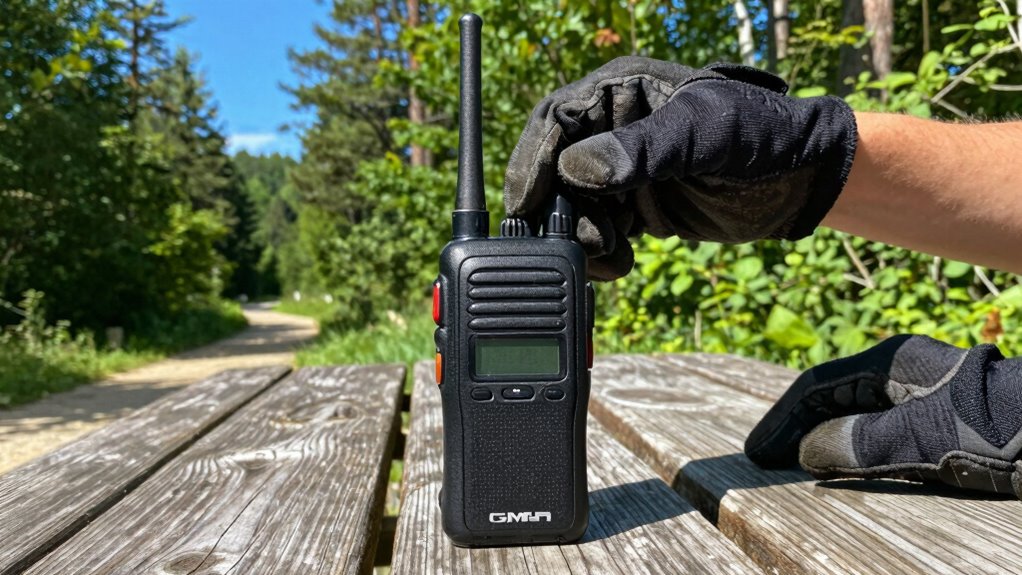

Before buying a GMRS radio setup for trails, consider the antenna type, as rubber duck antennas offer portability while whip antennas provide longer range, especially in forested or rocky areas. Pay attention to battery life, choosing models with extended use or spare batteries if you’re on multi-day trips. Durability and weather resistance are essential for unpredictable conditions, while user-friendly controls help with quick communication. Exploring these core features will set you up for reliable outdoor adventures—keep exploring for more helpful tips.

Get business pricing on garage and car supplies
- Business-only prices and quantity discounts
- Tax-exempt purchasing
- Multiple users, one account, clear invoices
Key Takeaways
- Choose the appropriate antenna type (rubber duck or whip) based on portability and coverage needs for trail environments.
- Ensure the radio complies with local regulations and licensing requirements to avoid legal issues and interference.
- Prioritize models with long battery life, power-saving features, and options for external power sources for multi-day trips.
- Select rugged, water-resistant radios with simple controls to withstand unpredictable weather and rough terrain.
- Balance antenna quality, durability, and ease of use to optimize communication range and reliability during outdoor adventures.
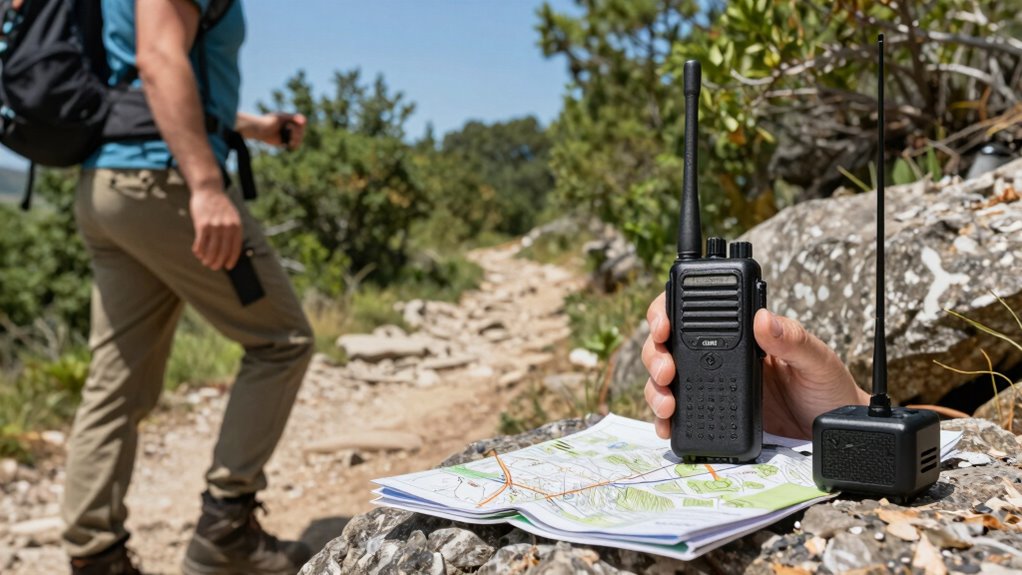
Setting up a GMRS radio for trail adventures guarantees you stay connected and safe while exploring remote areas. Before you make a purchase, it’s essential to understand the different antenna types available. The antenna is a critical component because it determines your radio’s range and clarity of signal. There are primarily two types: rubber duck antennas and whip antennas. Rubber duck antennas are compact and durable, making them perfect for casual trail use where portability matters. Whip antennas, on the other hand, tend to offer better range and signal strength because of their longer length, but they are less convenient to carry. Take into account your typical trail environment when choosing; if you’re steering through dense forests or rocky terrain, a whip antenna might provide better coverage, whereas rubber duck antennas work well for general trail use.
Choosing the right antenna—rubber duck for portability or whip for better range—enhances your trail communication.
Battery life is another crucial factor that directly impacts your ability to stay connected during extended trips. GMRS radios can run on rechargeable batteries or replaceable batteries, so think about how long you usually spend on the trail. Some models feature impressive battery longevity, lasting up to 12-24 hours on a single charge, which is ideal for day-long adventures. Others might require frequent recharging, so if you’re planning multi-day excursions, look for radios with extended battery life or options to carry spare batteries. Additionally, check if the radio supports power-saving modes or external power sources, like portable chargers or AC adapters, to maximize your operational time. Understanding regulatory compliance can further ensure that your radio setup adheres to legal requirements and avoids potential fines or interference issues. Being aware of radio frequency regulations helps you select a compliant device and avoid unintentional interference with other communications. Moreover, understanding amateur radio licensing and regulations can be beneficial if you decide to upgrade your communication capabilities in the future.
When selecting a GMRS radio setup, also consider the overall durability and weather resistance. Trails can throw unexpected weather your way, so a rugged, water-resistant model ensures reliable performance. Ease of use is another key point—look for straightforward controls and clear displays that make communication simple, especially if you’re steering through tricky terrain or coordinating with others. Remember, the right antenna type combined with a long-lasting battery will give you a substantial advantage in maintaining clear communication over longer distances and rough terrains. Additionally, researching antenna types and their impact on coverage can help you make an informed choice tailored to your typical trail conditions.
Ultimately, choosing the right GMRS radio setup involves balancing antenna type, battery life, durability, and ease of use. While it might seem like a lot to take into account initially, focusing on these core features ensures that you’re well-prepared for your trail adventures. With the right equipment, you can enjoy peace of mind knowing you’ll stay connected and safe, no matter how remote your trail gets. Planning ahead with these key considerations will lead to a more enjoyable and secure outdoor experience.
GMRS radio with long battery life
As an affiliate, we earn on qualifying purchases.
As an affiliate, we earn on qualifying purchases.
Frequently Asked Questions
Can I Use a GMRS Radio Internationally?
You can’t use a GMRS radio internationally because of international regulations and frequency restrictions. GMRS operates on specific frequencies licensed mainly in the U.S., and other countries may have different rules or prohibit those frequencies altogether. If you’re traveling abroad, you’ll need to check local regulations and consider using radios designed for international use or different communication methods to stay compliant and guarantee effective communication.
What Is the Best GMRS Radio for Off-Road Trails?
Picture yourself steering rugged trails, radio in hand, with clear signals cutting through dense woods. The best GMRS radio for off-road adventures offers long battery life to keep you connected all day and crisp signal clarity for seamless communication. Look for models like the Midland GXT1000VP4 or BaoFeng UV-5R, which excel in durability and performance. This combo ensures you stay safe, connected, and confident on every trail.
Are GMRS Radios Legal for Commercial Use?
Yes, GMRS radios are legal for commercial use, but you need to obtain a radio license from the FCC first. This license covers your use and guarantees compliance with regulations. Keep in mind, there are frequency restrictions on GMRS channels, so you must operate within these limits. Failing to get proper licensing or violating frequency restrictions can lead to fines or other penalties, so always stay compliant.
How Often Do GMRS Licenses Need Renewal?
Your GMRS license needs renewal every 10 years to stay compliant with regulations. To avoid penalties, you should keep track of your license renewal date and submit your application before it expires. Staying current guarantees you’re following compliance regulations and can continue using your GMRS radio legally. Regular renewal helps you avoid interruptions in communication, especially when trail adventures require reliable, legal communication tools.
Can GMRS Radios Be Modified for Longer Range?
Sure, you can modify GMRS radios for longer range—if you enjoy risking legal trouble and ruining your device. Upgrading the antenna or adding power amplification might boost signals, but it often violates FCC rules. Instead of risking fines, invest in a high-quality antenna designed for GMRS. This way, you can extend your range legally and reliably, making your trail communications clearer without turning into a radio outlaw.
waterproof GMRS radio for outdoor trails
As an affiliate, we earn on qualifying purchases.
As an affiliate, we earn on qualifying purchases.
Conclusion
Before hitting the trails, remember that GMRS radios offer reliable communication, with over 2 million licensed users in the U.S. alone. Investing in the right setup guarantees you stay connected with your group, enhancing safety and coordination. With models ranging from handhelds to mobile units, you can find one that fits your adventure style. Gear up properly, and you’ll enjoy smoother, more enjoyable trails—because staying connected is key to a safe and fun outdoor experience.
As an affiliate, we earn on qualifying purchases.
As an affiliate, we earn on qualifying purchases.
Fall Picks
fall essentials
As an affiliate, we earn on qualifying purchases.