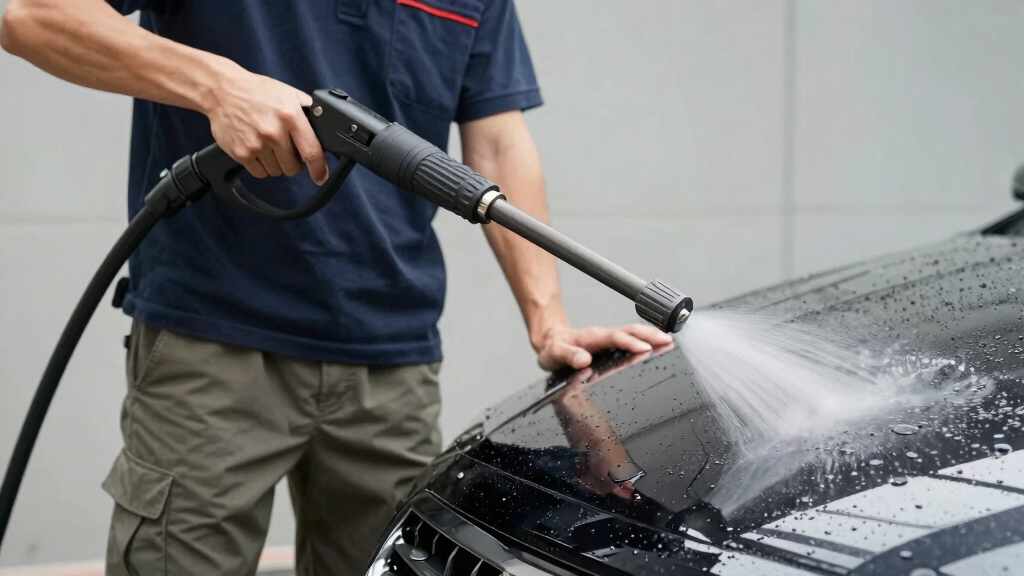

Choosing the best pressure washer for a detailing business involves balancing powerful cleaning performance with durability and ease of operation. The Westinghouse WPX3400 stands out as the top overall choice thanks to its high PSI and GPM, ideal for heavy-duty jobs. The Kärcher K1800PS offers a reliable electric option with CETA certification, making it great for consistent, professional results. Meanwhile, the Simpson 4200 PSI Gas Pressure Washer is perfect for those needing maximum power and mobility. These options highlight the tradeoffs between power, portability, and cost that every buyer faces. Continue reading to see the full breakdown of the best pressure washers for detailing businesses in 2026.
Key Takeaways
- High PSI and GPM ratings are essential for heavy-duty detailing and faster cleaning times.
- Gas-powered models generally offer more power and mobility but come with higher maintenance and noise.
- Electric pressure washers tend to be more compact, quieter, and easier to maintain, suitable for smaller or less demanding jobs.
- Durability and build quality, such as stainless steel or aluminum frames, are critical for frequent professional use.
- Additional features like onboard soap tanks, multiple nozzles, and hose length can significantly improve workflow efficiency.


More Details on Our Top Picks
Pressure Washer with 4 Nozzles and Foam Cannon for Home & Car Cleaning
This pressure washer stands out for its combination of high water flow and versatile accessories, including four quick-connect nozzles and a foam cannon, making it ideal for detailed car work as well as general outdoor cleaning. Compared to the Kärcher K1800PS, it offers greater water flow (2.5 GPM vs. 1.2 GPM), which translates into faster, more effective cleaning for light to medium tasks. However, it requires proper air exhaustion before use, and its lower pressure limits its effectiveness on heavily soiled surfaces. This model is perfect for detailers who need a flexible, portable unit for diverse jobs but aren’t tackling the most stubborn grime regularly.
Pros:- High-pressure water flow (2.5 GPM) for quick, efficient cleaning
- Includes multiple nozzles and foam cannon for flexible applications
- Compact design with dual rollers and anti-tipping base for easy maneuverability
- Water-saving and energy-efficient operation
Cons:- Requires proper air exhaustion before use, adding setup time
- Limited to light and medium-duty cleaning; struggles with heavily soiled surfaces
Best for: Detailing businesses that prioritize versatility and ease of use for a range of light to medium-duty cleaning tasks
Not ideal for: Heavy-duty cleaning operations requiring higher pressure and durability, such as commercial fleet detailing or industrial cleanup
- Water Flow:2.5 GPM
- Nozzles:4 quick-connect (0°, 15°, 25°, 40°)
- Additional Features:Foam cannon, anti-tipping base, dual rollers, water collection system
Bottom line: This unit suits detailers needing a portable, multi-purpose pressure washer for everyday light to moderate cleaning tasks.
Kärcher K1800PS Electric Pressure Washer, 1800 PSI, 1.2 GPM, CETA Certified, Includes 3 Nozzles and Detergent Tank
The Kärcher K1800PS offers a solid balance of power and portability, making it a strong contender for businesses that need dependable cleaning without heavy-duty demands. Its 1800 PSI and 1.2 GPM flow rate provide enough punch for car detailing, patio cleaning, and siding maintenance. Compared to the Active 2.0, it offers similar pressure but comes with a CETA certification that may appeal to those seeking verified quality standards. Its removable detergent tank and never-flat wheels make it easy to operate and store, although it isn’t designed for intensive industrial workloads or heavily soiled surfaces.
Pros:- Powerful 1800 PSI and 1.2 GPM flow for effective cleaning
- Includes three nozzles and a removable detergent tank for customization
- CETA Certified for quality assurance and reliability
- Never-flat wheels and compact design for easy transport
Cons:- Limited to light to moderate cleaning; may struggle with stubborn grime
- No adjustable pressure control, limiting flexibility
Best for: Detailers who need a reliable, certified, and portable unit for moderate outdoor cleaning jobs
Not ideal for: Heavy-duty, industrial, or fleet cleaning tasks that require higher PSI and GPM for tougher grime
- Power:1800 PSI
- Flow Rate:1.2 GPM
- Nozzles:3 (15°, turbo, 65° soap)
- Detergent Tank:0.5 gallons
- Hose Length:20 ft
- Wheels:Never-flat
Bottom line: This model fits detailers needing a certified, portable washer for everyday moderate cleaning tasks with consistent performance.
Craftsman Electric Pressure Washer, 1700 PSI, Cold Water, Lightweight, Corded
The Craftsman 1700 MAX PSI offers a straightforward, affordable option for detailers working on cars, driveways, or patios without requiring the highest power. Its 1700 PSI and 1.2 GPM make it suitable for light to medium tasks, especially for detailers who prioritize ease of storage and mobility. The inclusion of a soap applicator and multiple nozzles, including a turbo, adds versatility. Compared to the Active 2.0, it’s slightly less powerful, but its 3-year warranty and lightweight design make it attractive for small-scale or part-time businesses. Nonetheless, its cold-water-only operation limits its use for heavily soiled or greasy surfaces.
Pros:- Powerful 1700 PSI for effective cleaning
- Lightweight and compact for easy handling
- Includes soap applicator and multiple nozzles for versatility
- Long 35 ft. power cord for extended reach
Cons:- Limited to cold water cleaning, reducing effectiveness on greasy grime
- Hose length may be restrictive for larger areas
- Less durable feel due to lightweight construction
Best for: Small-scale detailers or hobbyists seeking an economical, portable unit for regular but light cleaning
Not ideal for: Heavy-duty or industrial cleaning tasks that demand higher pressure and hot water capabilities
- Maximum Pressure:1700 PSI
- Flow Rate:1.2 GPM
- Hose Length:20 ft
- Item Weight:17.5 lbs
- Warranty:3 years
Bottom line: This pressure washer is well-suited for budget-conscious detailers focusing on light to medium cleaning with portability in mind.
Active 2.0 Electric Pressure Washer – 2.0 GPM, 1800 Peak PSI, for Home and Car Cleaning
The Active 2.0 delivers a high flow rate of 2.0 GPM at 1800 PSI, offering a competitive edge for detailers needing fast, thorough cleaning. Its lightweight, compact design makes it easy to maneuver, and the durable internals ensure long-term reliability. Compared to the Craftsman 1700, it provides a higher flow rate, which helps in cutting down cleaning time and enhancing cleaning depth. Some users note the listed maximum pressure as 1500 PSI, which may cause confusion—yet the flow volume compensates for this. The hose length of 20 feet and easy part replacement make it suitable for busy detailing environments, although it might fall short on stubborn grime or larger areas if the hose length is insufficient.
Pros:- High flow rate (2.0 GPM) for fast, deep cleaning
- Lightweight and easy to store or transport
- Durable pump with replaceable parts for long-term use
- Safe nozzles for vehicle paint and delicate surfaces
Cons:- Discrepancy in maximum PSI listing could confuse buyers
- Hose length may limit coverage for larger areas
Best for: Detailers who want a high-flow, durable machine capable of quick, effective vehicle and outdoor surface cleaning
Not ideal for: Heavy-duty industrial or fleet cleaning where higher PSI and GPM are necessary for tougher grime
- Flow Rate:2.0 GPM
- Maximum Pressure:1800 PSI
- Hose Length:20 ft
- Item Weight:24 lbs
- Warranty:2 years
Bottom line: This model excels for detailers prioritizing high flow and durability for frequent, efficient cleaning sessions on cars and outdoor surfaces.
Simpson 4200 PSI Gas Pressure Washer, 4.0 GPM, Honda GX390 Engine, Aluminum Frame, 50′ Hose
This Simpson gas pressure washer stands out for its incredible power and durability, making it the best choice for demanding professional jobs like graffiti removal or large surface cleaning. Compared with electric options like the Westinghouse WPX3000e, it offers significantly higher PSI and GPM, translating into faster, more thorough cleaning. However, its weight of 133 pounds and reliance on fuel mean it’s less convenient for frequent transport and requires regular maintenance. The aluminum frame adds durability without excess weight, and the 50-foot hose provides ample reach for large areas. Still, the noise level and the need for fuel storage are tradeoffs that matter in busy environments.
Pros:- Incredible cleaning power with 4200 PSI and 4.0 GPM
- Lightweight and durable aluminum frame for portability
- Includes multiple quick-connect nozzles for versatile tasks
- Long 50-foot hose for extensive reach
Cons:- Heavy weight may require assistance for transport
- Requires fuel and regular maintenance
- Not available in California
Best for: Professional contractors needing maximum power and mobility for large-scale cleaning jobs
Not ideal for: Small detailing businesses or those preferring electric models for quieter operation and easier maintenance
- Pressure:4200 PSI
- Flow Rate:4.0 GPM
- Engine:Honda GX390
- Hose Length:50 feet
- Frame Material:Aircraft grade aluminum
- Weight:133 lbs
Bottom line: This pressure washer is ideal for larger, high-volume detailing businesses that need serious cleaning power without sacrificing portability.
Westinghouse WPX3000e Electric Pressure Washer, 3000 Max PSI, 1.76 GPM, 5 Nozzle Set, Onboard Soap Tank
The Westinghouse WPX3000e offers a strong balance of power and convenience, making it well-suited for medium-sized jobs like fencing or driveway cleaning. Its maximum 3000 PSI and 1.76 GPM are comparable to the Sun Joe SPX3000, but with the added benefit of a maintenance-free axial cam pump. The five quick-connect nozzles and onboard soap tank boost versatility, while its 25-foot hose and heavy-duty wheels improve maneuverability. However, the weight isn’t specified, which could make extended use tiring, and it requires a standard 120V outlet, limiting mobility in some locations. Its electric design reduces noise and emissions but might lack the raw power needed for the most demanding commercial tasks.
Pros:- Powerful enough with 3000 PSI for most detailing tasks
- Versatile with multiple nozzles and onboard soap tank
- Maintenance-free pump reduces downtime
- Good maneuverability with durable wheels
Cons:- Weight not specified, potential for heaviness
- Limited power for large or heavily soiled surfaces
- Requires a standard electrical outlet
Best for: Detailing businesses seeking a portable, low-maintenance electric washer for regular medium-duty jobs
Not ideal for: Heavy-duty contractors needing maximum PSI for tough cleaning jobs or large outdoor surfaces
- Max PSI:3000
- Rated PSI:2600
- Max GPM:1.76
- Pump:Axial cam, maintenance-free
- Hose Length:25 feet
- Nozzle Set:5 quick connect
Bottom line: This model fits small to medium detailing operations that prioritize ease of use and versatility without heavy equipment.
Sun Joe SPX3000 Electric Pressure Washer, 2030 PSI, Heavy-Duty Portable Cleaning System
The Sun Joe SPX3000 provides a reliable, portable solution for businesses focused on vehicles and patios. Its 2030 PSI and 1.2 GPM are slightly lower than the Westinghouse WPX3000e but still effective for most detailing tasks. The dual detergent tanks and five spray tips increase its versatility, especially for mixed cleaning jobs. Its stainless steel lance and durable construction make it suitable for frequent use. However, its weight and initial setup may challenge some users, especially those unfamiliar with electric systems. It’s best suited for businesses that prioritize ease of operation and moderate power, rather than the most rigorous, high-volume work.
Pros:- Good cleaning power with 2030 PSI
- Dual detergent tanks for convenience
- Versatile spray tips for different surfaces
- Durable and portable design
Cons:- Heavy for extended use
- Setup can be complex for newcomers
- Limited power compared to gas models
Best for: Small to medium-sized detailing businesses that need a lightweight, portable electric washer
Not ideal for: High-volume or heavily soiled jobs requiring higher PSI and flow rates
- Max PSI:2500 PSI
- Working PSI:2030 PSI
- Water Flow:1.2 GPM
- Spray Tips:5 quick-connect
- Detergent Tanks:Two 0.9L
- Hose Length:20 feet
Bottom line: This pressure washer suits smaller operations seeking a portable, easy-to-maintain electric option for moderate cleaning tasks.
Westinghouse WPX3400 Gas Pressure Washer, 3400 PSI, 2.6 GPM, Onboard Soap Tank, 5 Nozzle Set
The Westinghouse WPX3400 stands out for its high power output, delivering 3400 PSI and 2.6 GPM, making it highly effective for demanding detailing tasks like cleaning large trucks or stubborn stains on concrete. Compared with electric options like the Sun Joe SPX3000, it offers significantly more cleaning force, but this comes with increased noise, maintenance, and weight. The onboard soap tank and versatile nozzle set add convenience, reducing setup time during busy days. However, its gas engine requires regular fueling and maintenance, which may be a drawback for operations seeking quick turnaround or lower upkeep. The heavy-duty steel frame and large wheels facilitate mobility on job sites, but the additional weight could hinder prolonged use for some operators.
Pros:- Exceptional cleaning power suitable for heavy-duty tasks
- Includes multiple quick-connect nozzles for diverse applications
- Built with durable steel frame and large wheels for easy transport
- Onboard soap tank streamlines regular cleaning routines
Cons:- Gas-powered units require ongoing fuel and maintenance
- Heavyweight design can reduce maneuverability on some terrains
Best for: Professional detailers who need maximum power for large-scale or stubborn cleaning jobs
Not ideal for: Small businesses or mobile operators prioritizing portability and low maintenance over raw power
- Pressure:3400 PSI
- Flow Rate:2.6 GPM
- Engine:212cc 4-Stroke Westinghouse OHV
- Hose Length:25 feet
- Nozzle Set:0°, 15°, 25°, 40°, Soap
- Tank Capacity:1 gallon gas, 0.5 gallon soap
- Wheels:12-inch high profile, never-flat
- Pump:Axial cam pump
Bottom line: This model is best suited for busy detailing businesses requiring high performance and durability, despite its higher maintenance needs.

How We Picked
These products were evaluated based on their cleaning power, measured in PSI and GPM, which directly impacts their ability to handle professional detailing tasks. We also considered build quality, ensuring the pressure washers can withstand frequent use without breakdowns. Usability factors like weight, portability, and ease of setup influence how quickly a detailing business can operate efficiently. Maintenance requirements and overall value were also key, as professional equipment should balance upfront costs with long-term durability. The ranking reflects a combination of performance, reliability, and practical features tailored specifically for professional detailing needs.Factors to Consider When Choosing Best Pressure Washers For Detailing Businesses
When selecting a pressure washer for detailing businesses, it’s important to consider several key factors that influence performance and value. Understanding these can help avoid common pitfalls, such as choosing overly powerful but bulky models or underpowered units that extend cleaning times. The right pressure washer should match your specific workload, environment, and budget, ensuring you get the best return on investment. Here are some crucial factors to keep in mind.Power and Performance (PSI & GPM)
Power, measured in PSI (pounds per square inch), determines how forceful the water jet is, which affects how quickly and effectively dirt and grime are removed. GPM (gallons per minute) relates to flow rate, impacting cleaning speed and efficiency. For detailing businesses, a balance of high PSI and GPM is ideal, but be mindful that excessively high power can lead to damage if not used carefully. Choosing a model with adjustable pressure settings can offer versatility for different surfaces and cleaning tasks.
Portability and Size
Professional detailing often requires moving around vehicles or different locations, so portability is key. Gas models tend to be bulkier and heavier but provide greater mobility without power cords. Electric models are lighter and easier to store but may have shorter hoses or cords, limiting reach. Consider your typical workspace and whether a compact, lightweight unit or a more robust, mobile one makes more sense. Also, check for wheels and ergonomic handles for easier maneuvering.
Durability and Build Quality
Frequent use demands equipment built to last. Look for pressure washers with sturdy frames made of stainless steel or high-quality aluminum, which resist corrosion and impacts. Components like pumps and hoses should be heavy-duty and rated for continuous operation. Investing in durable equipment reduces downtime and replacement costs, making it more cost-effective over time. However, premium materials often come at a higher initial price, so weigh longevity against budget constraints.
Additional Features and Accessories
Features such as multiple nozzle options enable tailored cleaning pressures for different surfaces, preventing damage. An onboard soap tank saves time switching between soap and water, boosting productivity. Longer hoses improve reach without repositioning units, and automatic shutoff systems can prolong pump life and save energy. Be cautious of too many bells and whistles if they don’t directly enhance your workflow—prioritize features that improve efficiency and ease of use.
Maintenance and Operational Costs
Regular maintenance, including pump lubrication and replacing worn hoses, extends equipment lifespan. Gas models generally require more upkeep, including fuel and oil management, while electric units tend to be simpler but still need filter cleaning. Consider the availability of parts and service support in your area. Lower upfront costs might be tempting, but factoring in ongoing maintenance can prevent unexpected expenses and ensure reliability during busy periods.
Frequently Asked Questions
Is a higher PSI always better for detailing businesses?
Not necessarily. While higher PSI can remove dirt more quickly, it also increases the risk of damaging delicate surfaces or paint jobs if not used carefully. For detailing, a pressure washer with adjustable PSI settings or a mid-range PSI (around 2000-3000 PSI) often offers the best balance between power and control. The key is matching the pressure level to the specific cleaning task to avoid costly damage while maintaining efficiency.
Should I choose a gas or electric pressure washer for my business?
The decision depends on your typical workload and environment. Gas models generally provide more power and mobility, making them suitable for large or outdoor jobs. Electric units are usually lighter, quieter, and easier to maintain, ideal for smaller or indoor detailing tasks. Consider how often you’ll need to move the equipment, the availability of power outlets, and your budget to determine the best fit.
How important is water flow rate (GPM) for detailing work?
GPM directly affects how quickly you can complete cleaning tasks. Higher flow rates mean more water volume passes through the nozzle, which can reduce cleaning time and improve effectiveness, especially on heavily soiled surfaces. For a detailing business, a GPM of 1.8 or higher is generally recommended to keep up with demand. However, higher GPM models typically come with increased costs and power requirements, so balance this with your specific needs.
What accessories should I look for in a pressure washer?
Look for models that include multiple nozzle tips for different spray patterns, an onboard soap tank for quick soap application, and long hoses for better reach. A turbo nozzle can boost cleaning power for stubborn grime, while extension wands improve access to hard-to-reach areas. Prioritize accessories that enhance workflow and reduce setup time, but avoid models loaded with extras that don’t add practical value.
How often should I perform maintenance on my pressure washer?
Regular maintenance depends on usage frequency but generally includes inspecting hoses and connections, cleaning or replacing filters, and lubricating pumps. For professional use, a monthly check-up is advisable to prevent breakdowns. Gas models require additional tasks like checking oil levels and spark plugs. Keeping a maintenance schedule helps ensure consistent performance and prolongs equipment lifespan, saving money over the long term.