Car GPS trackers work by combining satellite signals for accurate location data and cellular networks to transmit this info to your device. They can help recover stolen cars quickly by providing real-time updates, especially with features like dual technology switching for better connectivity. Proper installation and strong signal reception are key to effectiveness. To explore how these systems can protect your vehicle and what to contemplate, continue exploring their benefits and limitations.
Key Takeaways
- Car GPS trackers combine satellite signals and cellular networks for real-time vehicle location updates.
- They enable quick recovery of stolen vehicles by providing precise, continuous location data.
- Installation involves proper wiring or plug-and-play setup, often requiring professional assistance.
- Security features like encryption protect location data from hacking or unauthorized access.
- Despite limitations like signal interference, GPS trackers significantly increase chances of vehicle recovery.
Understanding the Technology Behind Car GPS Trackers

Car GPS trackers work by using a combination of satellite signals and cellular networks to pinpoint your vehicle’s exact location. This technology provides real-time tracking, allowing you to monitor your car’s movements closely. When it comes to vehicle maintenance, GPS data can identify patterns like frequent stops or harsh driving, indicating potential mechanical issues. Additionally, understanding driver behavior becomes easier, helping you promote safer driving habits and reduce wear and tear. The system constantly updates your vehicle’s position, making it a valuable tool for preventative maintenance and improving overall vehicle health. Plus, by observing driving styles, you can address risky behaviors that may lead to accidents or costly repairs. Continuous updates is a key aspect of this technology, enabling ongoing monitoring and precise positioning. real-time tracking ensures you stay informed about your vehicle’s location at all times, enhancing security and peace of mind. This consistent data flow also helps in vehicle recovery efforts if the car is stolen, increasing the chances of quick retrieval. The use of Global Positioning System technology has revolutionized vehicle security and management, providing comprehensive solutions for vehicle owners. Ultimately, this technology helps you stay connected to your vehicle’s status, ensuring it runs smoothly and safely.
Types of GPS Trackers and Their Features

There are different types of GPS trackers designed to meet various needs, from simple devices to advanced systems. Each type offers key feature variations, such as real-time tracking, theft alerts, or geofencing. Understanding these differences helps you choose the right tracker for your specific requirements.
GPS Device Types
GPS trackers come in various types, each designed to suit different tracking needs and environments. The main types include real-time trackers, which provide instant location updates, and passive trackers that store data for later retrieval. There are also hidden or covert devices for discreet monitoring, and portable trackers that can be moved between vehicles. When choosing a type, consider battery life, as some devices have longer-lasting power, reducing maintenance. Cost considerations are also important; real-time trackers tend to be more expensive due to their advanced features, while passive models are more affordable. Your choice depends on your specific needs, budget, and how often you want to monitor your vehicle. Understanding these types helps ensure you select the right device for effective theft recovery. Reliable connections and proper installation are crucial for optimal GPS device performance. Additionally, signal strength plays a vital role in ensuring consistent location updates, especially in areas with poor cellular coverage. Regularly updating your device’s firmware can also help maintain its accuracy and reliability over time. To maximize effectiveness, choosing a device with long-lasting batteries can reduce the frequency of recharging and ensure continuous tracking. Moreover, selecting a device with robust signal transmission can enhance overall tracking reliability in various environments.
Key Feature Variations
Different types of GPS trackers come with a variety of key features that cater to specific tracking needs. One important feature is battery life, which varies from a few hours to several weeks, depending on the device. Longer battery life means you won’t need to recharge as often, guaranteeing continuous tracking. Waterproof features are also essential, especially if your vehicle is exposed to rain, snow, or rough conditions. Waterproof trackers prevent damage and maintain functionality in harsh environments. Some devices combine both features, offering extended battery life and durability against water, which is particularly beneficial for vehicles exposed to harsh environments. By understanding these key feature variations, you can choose a GPS tracker that best fits your vehicle’s environment and your security requirements. This guarantees reliable tracking whenever you need it most. Additionally, considering waterproofing can help ensure the device remains functional in water-related situations, further enhancing its dependability.
How GPS Trackers Communicate With Your Devices

Understanding how your GPS tracker communicates with your devices is essential for reliable tracking. It uses various signal transmission methods and connectivity technologies to send data seamlessly. Plus, it incorporates security measures to protect your information from unauthorized access.
Signal Transmission Methods
Signal transmission methods determine how your GPS tracker communicates location data to your devices, guaranteeing you stay informed in real-time. Most trackers rely on satellite signals to pinpoint your vehicle’s position accurately. These signals come from orbiting satellites that relay data to your device. Additionally, radio frequency (RF) transmissions are often used for short-range communication, especially in real-time tracking systems. RF helps transmit data quickly within a local area, such as between the tracker and a nearby receiver. When combined, satellite signals provide global coverage, while radio frequency ensures fast, local data transfer. This dual approach guarantees that you receive timely updates on your vehicle’s location, making it easier to monitor and recover your car if needed.
Connectivity Technologies Used
GPS trackers communicate with your devices through a variety of connectivity technologies that guarantee you receive real-time updates. Satellite communication is vital for tracking in remote areas where cellular signals are weak or unavailable, allowing the device to send location data directly via satellites. Cellular networks, on the other hand, are the most common method for daily tracking, transmitting information through cell towers using GSM, 3G, 4G, or LTE technology. These networks provide quick, reliable data transfer, ensuring you’re always informed of your vehicle’s location. Some advanced trackers combine both technologies, switching seamlessly between satellite communication and cellular networks to maintain connectivity regardless of your car’s environment. This dual approach enhances accuracy and ensures continuous updates, even in challenging locations.
Data Security Measures
To protect your vehicle’s location data during transmission, GPS trackers implement robust security measures. They use encryption protocols to secure data as it moves between the tracker and your device, making it difficult for unauthorized parties to intercept or access sensitive information. Additionally, data anonymization techniques are employed to obscure personal details, guaranteeing your privacy remains intact even if data is accessed. These security measures help prevent hacking, data theft, and unauthorized tracking. By encrypting communications and anonymizing data, GPS trackers safeguard your privacy while providing real-time location updates. This layered approach ensures your vehicle’s information stays confidential, giving you peace of mind while benefiting from the tracker’s functionality.
The Installation Process for Car GPS Trackers
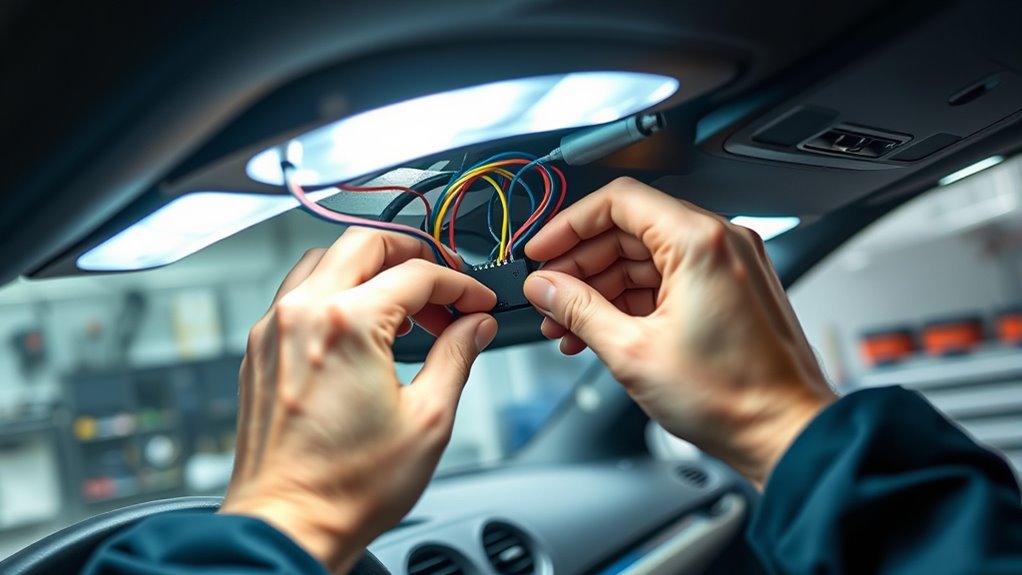
Installing a car GPS tracker might seem intimidating at first, but with the right steps, it’s a straightforward process. To guarantee a smooth installation, follow these tips: first, check the device compatibility with your vehicle’s make and model. Some trackers are designed for easy plug-and-play, while others may require hardwiring. Before starting, disconnect your car’s battery to prevent electrical issues. Carefully read the manufacturer’s instructions, paying attention to placement suggestions—aim for a concealed but accessible spot. Use proper tools and avoid damaging wiring or components. If you’re unsure about wiring, consider consulting a professional. Proper installation ensures maximum device performance and tracking accuracy, so taking the time to follow these installation tips is well worth it. Additionally, understanding vehicle electrical systems can help you avoid common pitfalls during installation. Familiarizing yourself with power distribution within your vehicle can streamline the process and improve safety during installation.
Tracking Accuracy and Reliability

Ensuring your car GPS tracker provides accurate and reliable location data depends on several key factors. Weather conditions can impact signal strength, causing occasional inaccuracies during heavy rain or dense fog. Additionally, battery life is vital; a tracker with a low or failing battery may lose connection or provide outdated data. To optimize reliability, consider trackers with strong signal reception and long-lasting batteries. Here’s a quick overview:
| Factor | Effect on Accuracy | Mitigation Strategies |
|---|---|---|
| Weather Conditions | Can cause signal interference | Use trackers with weather-resistant features |
| Battery Life | Affects continuous tracking | Choose devices with extended battery life |
| Signal Strength | Impacts precision of location | Opt for trackers with strong GPS modules |
| Maintenance | Ensures consistent performance | Regularly check and replace batteries |
| Environmental Factors | Can influence overall tracking performance | Select trackers with adaptive technology to counteract interference. Additionally, selecting a tracker with robust environmental resilience can further enhance reliability during adverse conditions. |
Legal Considerations and Privacy Concerns
Using car GPS trackers can raise important legal and privacy issues that you need to understand. Privacy laws vary by location, and they often set strict rules about tracking someone’s vehicle without permission. You must be aware of consent requirements, which typically mean you need the vehicle owner’s approval before installing or using a GPS tracker. Failing to comply with these laws could lead to legal trouble or accusations of invasion of privacy. Even if you’re tracking your own vehicle, it’s wise to understand local regulations to avoid complications. Respecting privacy rights is essential, so always ensure you have proper consent and follow applicable privacy laws. Additionally, vetted legal advice can help clarify your obligations and ensure compliance with all relevant regulations. It’s also important to understand the Privacy laws that govern data collection and monitoring activities in your area to prevent unintended violations. Being informed about privacy regulations can help you avoid potential legal repercussions and ensure ethical use of tracking technology. Moreover, understanding the scope of legal boundaries related to GPS tracking can help you stay within lawful limits and prevent potential legal action. Familiarizing yourself with tracking restrictions specific to your jurisdiction is crucial for lawful use.
Effectiveness of GPS Trackers in Vehicle Recovery

GPS trackers have proven to be highly effective tools for vehicle recovery, especially in cases of theft. They enable authorities and owners to locate stolen vehicles quickly, increasing recovery success rates. This technology often results in lower vehicle insurance premiums, as insurers see reduced risk with GPS-enabled vehicles. For fleet management, GPS trackers enhance operational efficiency, helping monitor vehicle locations and prevent theft. Their real-time tracking capabilities make it easier to recover vehicles before significant damage or loss occurs. Additionally, GPS trackers provide detailed location histories, which can support legal actions or insurance claims. Overall, the effectiveness of GPS trackers boosts recovery chances, provides peace of mind, and ensures better management of vehicles, whether personal or part of a fleet.
- Faster recovery times
- Improved vehicle tracking accuracy
- Reduced insurance costs
- Enhanced fleet management
- Increased theft deterrence
Limitations and Challenges of Using GPS Trackers
While GPS trackers offer many benefits, they also come with notable limitations and challenges. One major issue is battery life; many trackers rely on batteries that can drain quickly, especially if they’re not designed for long-term use, risking loss of tracking when you need it most. Signal interference also poses a problem, as tall buildings, tunnels, or dense foliage can weaken or block GPS signals, making real-time location updates unreliable. Additionally, some trackers may require a strong cellular connection to transmit data, which isn’t always available in remote areas. These challenges mean you can’t always depend on GPS trackers alone for instant recovery, especially if they run out of power or lose signal. Being aware of these limitations helps you set realistic expectations and consider supplementary security measures.
Choosing the Right GPS Tracker for Your Vehicle

Choosing the right GPS tracker for your vehicle requires careful consideration of your specific needs and circumstances. Think about factors like installation, features, and coverage to maximize theft prevention and possibly lower your vehicle insurance premiums.
Consider:
- Battery life and power source options
- Real-time tracking capabilities
- Hidden or discreet placement
- Alerts for movement or tampering
- Compatibility with your smartphone or computer
A well-chosen tracker not only helps recover a stolen vehicle but can also provide proof for insurance claims, potentially reducing premiums. Focus on reliable features that suit your lifestyle and budget, ensuring your vehicle stays protected and your peace of mind remains intact. Understanding vehicle security features can help you make an informed decision, especially when selecting discreet installation methods that blend seamlessly with your vehicle’s design. Additionally, evaluating connectivity options can enhance your ability to monitor your vehicle remotely and respond swiftly to any suspicious activity.
Frequently Asked Questions
How Long Does a GPS Tracker’s Battery Last During Continuous Use?
A GPS tracker’s battery life during continuous use typically ranges from 24 to 72 hours, depending on the device and its power management features. If you want to prolong its battery life, enable power-saving modes and disable non-essential functions when possible. Regularly check the tracker’s battery status to ensure it’s operational when needed. Proper power management is key to maintaining reliable tracking without frequent recharges.
Can GPS Trackers Be Disabled or Jammed by Thieves?
Yes, thieves can disable or jam GPS trackers through gps signal interference or tracker disabling methods. They might use signal blockers or electromagnetic devices to disrupt the gps signal, making tracking impossible. To prevent this, choose trackers with anti-jamming features and hidden installation. Stay alert and regularly check for suspicious activity around your vehicle, so you can respond quickly if someone tries to interfere with your gps tracking system.
Are There Subscription Fees Associated With Most GPS Tracking Services?
Think of GPS tracking services as a subscription to a secret spy network; most require you to pay subscription fees, which cover ongoing service plans. These costs vary, like different tiers of a treasure map, offering basic to premium features. You’ll want to compare plans to find one that fits your needs, ensuring you stay connected and protected without surprises. So yes, subscription costs are a common part of using GPS trackers.
How Quickly Can a GPS Tracker Help Locate a Stolen Vehicle?
A GPS tracker can help locate your stolen vehicle within minutes, especially if you’ve placed the tracking device in an ideal spot like under the dashboard or inside the bumper. Quick recovery depends on timely reporting and legal considerations, such as ensuring you have permission to track the vehicle. Proper placement and understanding local laws enhance your chances of recovery, making GPS trackers a valuable tool in theft situations.
Do All Vehicles Support the Installation of GPS Trackers?
Not all vehicles support GPS tracker installation, but most do with some considerations. Vehicle compatibility depends on factors like available space, power sources, and access points for wiring. You should check installation requirements, such as whether your car has a suitable power supply or if professional setup is needed. Generally, newer models are more compatible, but consulting with a professional helps guarantee proper installation and effective tracking.
Conclusion
In the battle against car theft, GPS trackers are your ultimate secret weapon, turning your vehicle into a nearly indestructible fortress. By understanding how they work and choosing the right one, you boost your chances of recovery exponentially. While they aren’t perfect, these gadgets are your best shot at outsmarting thieves and reclaiming your ride. Don’t leave your car vulnerable—arm yourself with a GPS tracker and turn your vehicle into an unstoppable force!