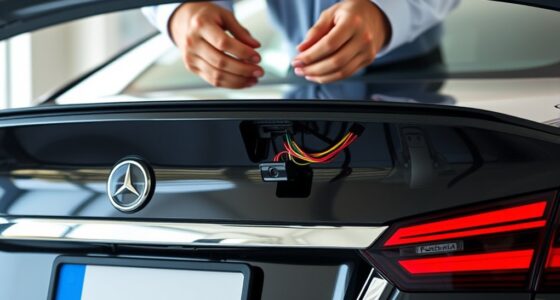
You might find that some cars need special CANbus LED bulbs because their advanced electrical systems monitor power draw closely. When you install standard LEDs, the system may detect abnormal current levels, causing error messages or flickering. CANbus LEDs include resistors or electronics that mimic traditional bulbs, ensuring proper communication. Understanding this helps you avoid issues—if you keep exploring, you’ll discover how to choose the right bulbs and avoid common problems.
Key Takeaways
- Some vehicles’ onboard computers detect non-standard LED power draw, causing error messages or flickering.
- CANbus LED bulbs include resistors or electronic components to communicate properly with vehicle systems.
- Compatibility issues arise when generic LEDs don’t mimic traditional bulbs’ electrical signals, triggering warnings.
- Proper installation and the use of load resistors help prevent false fault detection and ensure smooth operation.
- Vehicle-specific requirements often necessitate specialized CANbus LED bulbs for seamless upgrades.
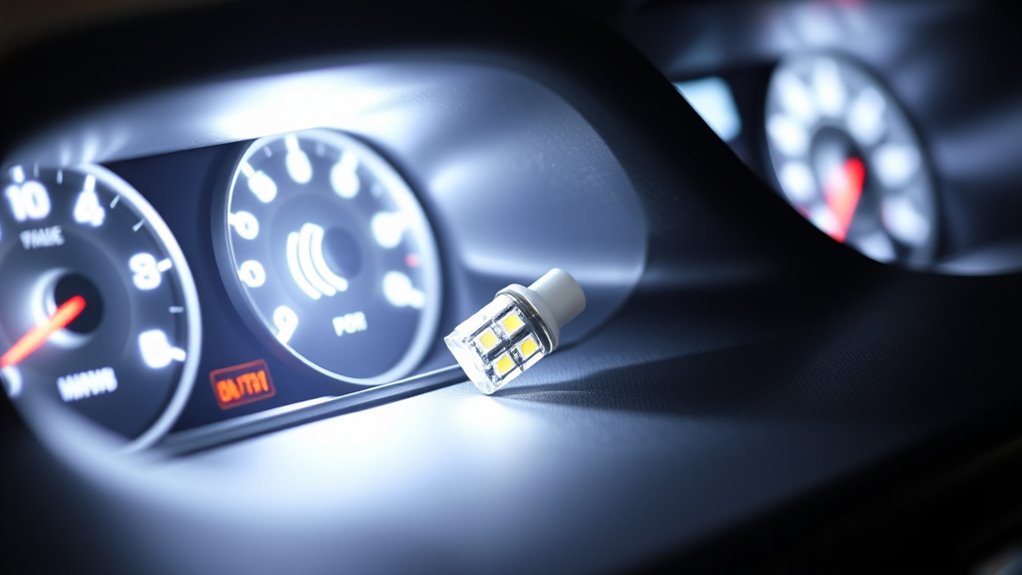
Are you tired of dealing with error messages or flickering headlights after upgrading to LED bulbs? If so, you’re not alone. Many car owners face these issues because standard LED bulbs often aren’t fully compatible with their vehicle’s electrical system. That’s where understanding CANbus LED bulbs comes into play. These specialized bulbs are designed to communicate with your car’s onboard computer, reducing or eliminating common problems like error codes and flickering. But before you make the switch, it’s vital to get familiar with installation tips and compatibility issues to guarantee a smooth upgrade.
First and foremost, it’s essential to recognize that not all LED bulbs are created equal. Many generic LEDs might fit physically into your headlights or taillights, but they can cause problems if they aren’t CANbus compatible. Compatibility issues often arise because your vehicle’s computer system monitors the electrical current flowing through the bulbs. When it detects a change—like a lower wattage or different power draw—it might interpret that as a fault, triggering warning lights or causing flickering. This is why investing in CANbus LED bulbs is recommended for newer cars with sophisticated electrical systems. These bulbs include built-in resistors or electronic components that mimic the power draw of traditional halogen bulbs, helping your vehicle recognize them as legitimate.
When it comes to installation tips, start by checking your vehicle’s manual or consulting with the manufacturer to confirm whether your car requires CANbus-compatible bulbs. Once you’ve confirmed that, turn off your vehicle, disconnect the battery for safety, and carefully remove the old bulbs. Handle the new CANbus LED bulbs with care—avoid touching the glass or the circuit board, as oils from your skin can reduce bulb lifespan. Connect the bulbs securely, ensuring they fit snugly into the socket. Many issues stem from improper connections, so double-check that everything is properly aligned and seated. Additionally, European cloud solutions are increasingly offering compatible LED lighting systems designed with advanced electronic components to ensure seamless integration.
After installing, turn on your vehicle and verify that the headlights or other upgraded bulbs function correctly without error messages or flickering. If problems persist, it might be due to residual electrical signals or incompatibility with your specific vehicle model. In such cases, using additional resistors or load equalizers can help. Remember, while many CANbus LED bulbs are plug-and-play, some vehicles may still require minor adjustments or specialized components to fully resolve compatibility issues.

FAHREN H11 LED Bulb, 45000LM 900% Super Brightness, 1:1 Real Size, H11/H8/H9 Light Bulb Canbus Ready, 6500K Cool White, IP68 Waterproof, 60000+ Hours Lifespan, Pack of 2
【900% Brightness Enhancement】Switch to FAHREN H11/H8/H9 bulbs and achieve 900% greater luminous intensity. Delivering 45,000 lumens per set…
As an affiliate, we earn on qualifying purchases.
As an affiliate, we earn on qualifying purchases.
Frequently Asked Questions
Do All Vehicles Require Canbus-Specific LED Bulbs for Upgrades?
Not all vehicles require CANbus-specific LED bulbs for upgrades. Your vehicle compatibility depends on its electrical system and how it manages bulb installation. Some cars have CANbus systems that monitor bulb status, so using the wrong bulbs can cause flickering or errors. To guarantee proper operation, check your vehicle’s compatibility before selecting LED bulbs, especially during bulb installation, to avoid issues and ensure a smooth upgrade process.
How Can I Tell if My Car Has a CANBUS System?
Did you know about 85% of new vehicles feature CANbus systems? To check if your car has one, use diagnostic tools or consult your vehicle’s electrical diagrams. Connect a diagnostic scanner to your car’s OBD-II port; if it provides detailed data on your lighting system, you likely have a CANbus. Alternatively, review the electrical diagrams in your owner’s manual to identify CANbus components.
Are CANBUS LED Bulbs Compatible With All Lighting Types?
Canbus LED bulbs aren’t compatible with all lighting types, especially older or non-vehicle-specific systems. Compatibility issues can cause flickering or error messages, so check your vehicle’s specifications first. When installing, follow specific installation tips like ensuring proper connectors and avoiding interference with other electronics. If unsure, consult your vehicle’s manual or a professional to prevent issues, ensuring your upgrade works smoothly and reliably.
What Are the Signs of a CANBUS LED Bulb Malfunction?
If your canbus LED bulb malfunctions, you’ll notice flickering lights or rapid blinking. You might also see warning diagnostic codes pop up on your dashboard. Sometimes, the bulbs won’t turn on at all or may turn off unexpectedly. These signs indicate that your LED bulb isn’t communicating properly with your vehicle’s system, often due to compatibility issues or electrical faults. Addressing these issues promptly can prevent further electrical problems.
Can I Install CANBUS LED Bulbs Myself or Need Professional Help?
Is installing CANbus LED bulbs as simple as flipping a switch? You can do a DIY installation if you’re comfortable working with your car’s electrical system, but keep in mind that some vehicles are more complex. When in doubt, seek professional assistance to avoid damaging your vehicle or causing malfunctions. Remember, taking the right steps guarantees your upgrade shines without unintended shadows.

Aaron 4Pcs 50W 6ohm Load Resistors – Fix LED Bulb Fast Hyper Flash Turn Signal Blink Error Code (Resistors get very hot during working)
Solution for fast turn signal blinking response after installing LED light bulbs. This 6ohm resistor consumes 24W in…
As an affiliate, we earn on qualifying purchases.
As an affiliate, we earn on qualifying purchases.
Conclusion
If you ignore the importance of CANbus LED bulbs, you risk turning your sleek ride into a flickering nightmare or worse—complete electrical chaos! Without the right bulbs, your car’s system might throw a fit, leaving you stranded in the dark or causing a lightning storm of error messages. So, don’t gamble with your car’s sanity—go for the special CANbus-compatible bulbs and keep your upgrade smooth, shiny, and drama-free! Your car will thank you.

OXILAM Upgraded 9005 9006 LED Light Bulb Combo, 100, 000LM 1100% Brighter 6500K White, Anti-Flicker, 60,000Hrs Lifespan, Plug and Play, IP68, HB3 HB4 Compatible with Cars Trucks SUVs, Pack of 4
【11X Brighter for Further View】: Engineered to dominate poor visibility, our 100,000-lumen beams cut through fog, rain, and…
As an affiliate, we earn on qualifying purchases.
As an affiliate, we earn on qualifying purchases.
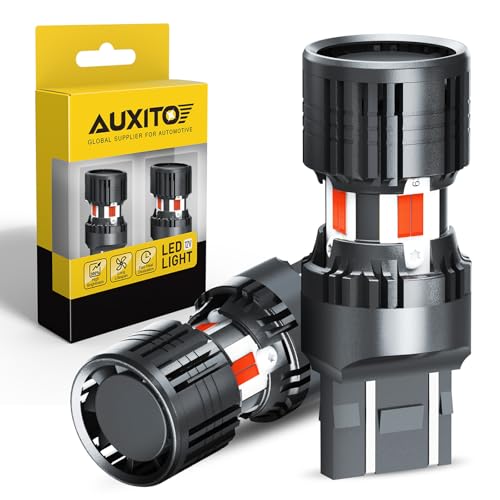
AUXITO CANBUS 7440 7443 LED Bulbs Red with Built-in Resistor 7441 7444 W21W Anti Hyper Flash Error Free Brake Lights, Tail Lights, Stop Lights, Turn Signal Lights, Pack of 2
600% Brighter than Halogen: AUXITO 7443 LED bulb red is built with newest high brightness LED chips, generating…
As an affiliate, we earn on qualifying purchases.
As an affiliate, we earn on qualifying purchases.