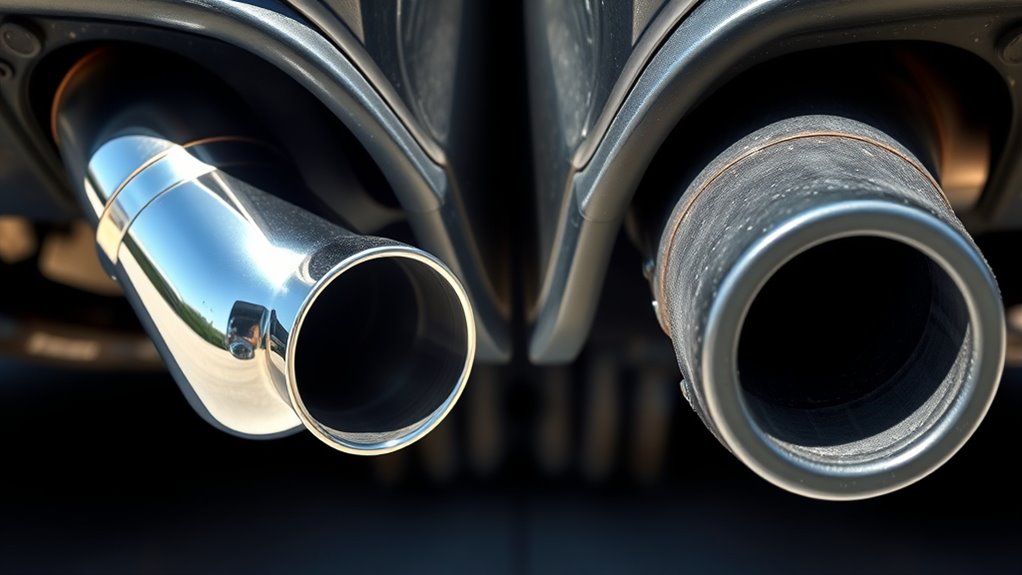

A cat-back exhaust replaces everything from the catalytic converter to the rear, boosting performance and creating deeper sounds, while an axle-back only modifies the section from the rear axle back, mainly changing noise and style. Cat-back systems can improve airflow and power but are more complex to install and cost more. Axle-back options are simpler and more budget-friendly, mainly affecting sound. Keep exploring to discover which option best suits your needs and vehicle type.

Get garage and car supplies delivered free — and shop member deals
- Fast, free delivery on millions of items
- Access to Prime Big Deal Days deals on October 6–7
- Prime Video, Amazon Music and more included
Key Takeaways
- Placement and Components: Cat-back exhaust runs from the catalytic converter to the rear; axle-back starts from the rear axle to the exhaust tip.
- Performance Impact: Cat-back systems typically offer greater airflow improvements and power gains; axle-back primarily alters sound and minimal performance.
- Sound Differences: Cat-back exhausts produce deeper, more aggressive tones; axle-back systems tend to be milder and quieter.
- Installation Complexity: Axle-back systems are easier and quicker to install; cat-back systems require more effort and potential modifications.
- Cost and Material: Cat-back systems are generally more expensive and customizable; axle-back options are more affordable and straightforward.
Definition and Basic Functionality
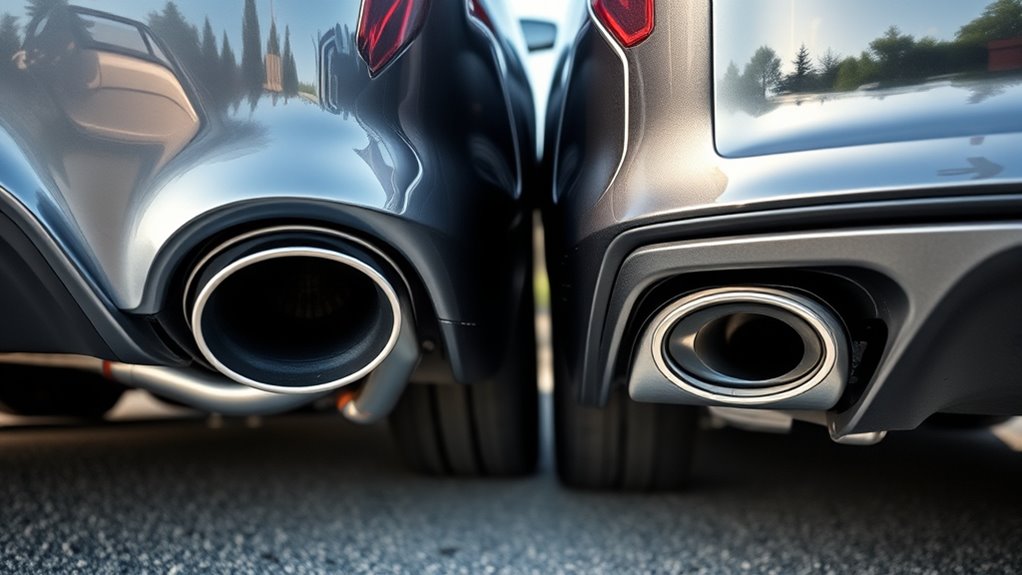
A cat-back exhaust system refers to the components installed from the catalytic converter to the rear of your vehicle, while an axle-back system starts from the rear axle and extends to the exhaust tip. Both systems influence noise levels, often making your vehicle louder or more refined, depending on the design. They also affect emissions compliance, as modifications can impact how well your vehicle meets environmental standards. With a cat-back system, you typically see better airflow from the catalytic converter back, which can improve performance while maintaining emissions standards if installed correctly. An axle-back system mainly alters sound and exhaust flow after the rear axle, usually with minimal impact on emissions. Understanding these differences helps you choose the right system for your goals and compliance needs. High airflow in cat-back systems can contribute to both increased power and efficiency when properly designed. Additionally, selecting the appropriate system can enhance your vehicle’s overall performance and sound.
Components Included in Each System
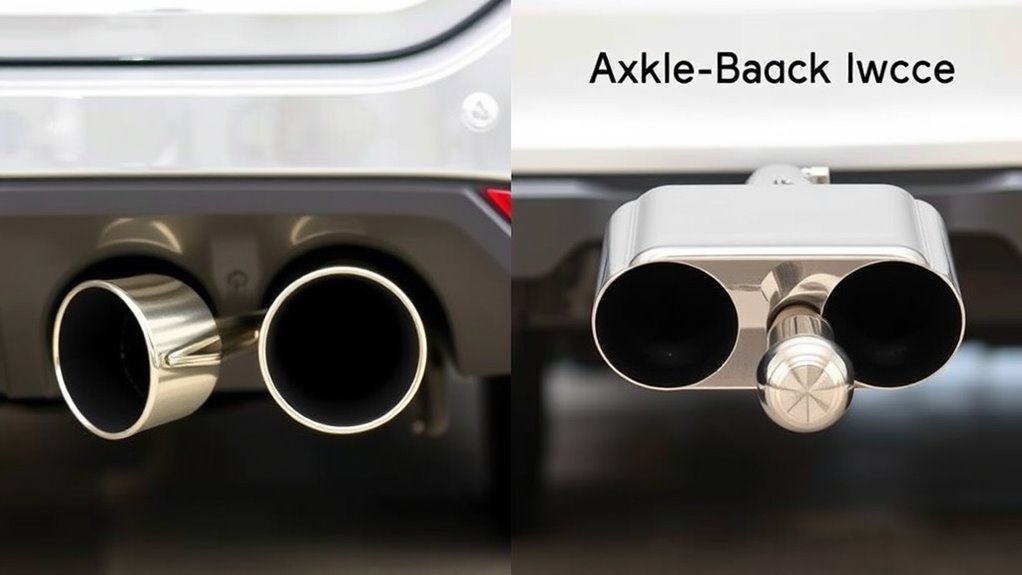
Both systems include specific components that influence their performance, sound, and installation process. For aesthetic customization, parts like tips and mufflers are key, allowing you to personalize your vehicle’s look. The main difference lies in the placement and components included. Additionally, understanding European cloud innovation can inspire improvements in vehicle technology and environmental sustainability. Incorporating sound tuning techniques can further optimize your exhaust system’s sound profile to match your preferences. Moreover, selecting the right reconditioning techniques can enhance the durability and efficiency of the system over time. To ensure longevity and optimal function, paying attention to body jewelry measurements and using appropriate materials can be beneficial for maintenance and upgrades. Exploring advanced manufacturing methods can also lead to more precise and durable exhaust components.
Impact on Vehicle Performance
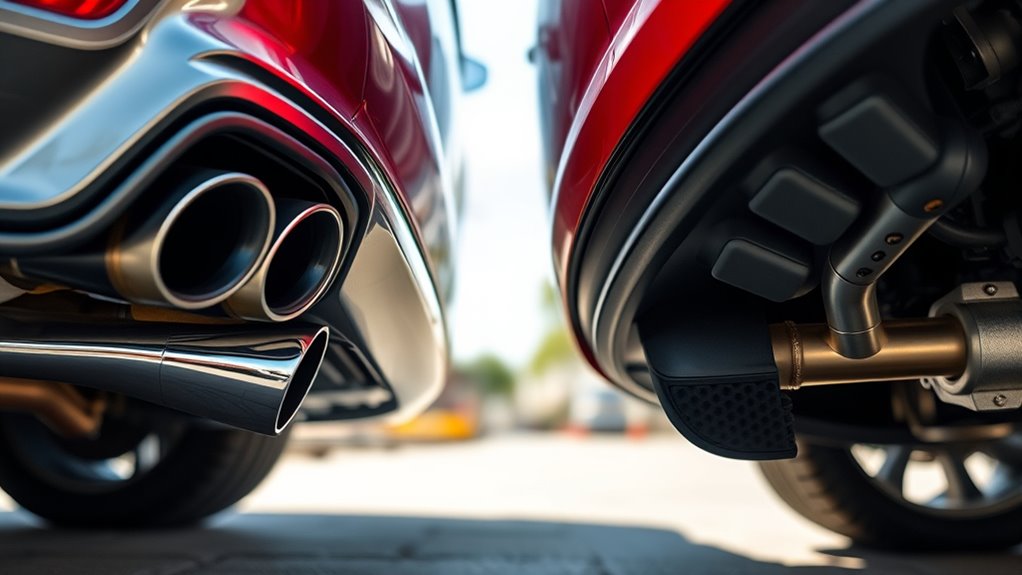
Your exhaust system directly affects how efficiently your vehicle expels gases, impacting overall flow. Upgrading can lead to noticeable gains in power and torque, making your car feel more responsive. Additionally, changes to the exhaust can improve throttle response, giving you quicker acceleration when you need it. Properly designed exhaust components can also enhance vehicle performance, ensuring smoother operation and better fuel efficiency. Understanding the exhaust flow dynamics can help you make more informed choices about your upgrade options, especially when considering connected fitness technology to optimize your vehicle’s efficiency.
Exhaust Flow Efficiency
Exhaust flow efficiency directly influences your vehicle’s performance by affecting how smoothly gases exit the engine. When exhaust restriction occurs, gases struggle to escape, which can cause backpressure and reduce engine efficiency. A well-designed exhaust system minimizes restriction, allowing gases to flow freely and maintain ideal engine operation. This improved flow ensures better fuel combustion and reduces emissions, helping your vehicle meet strict emission standards. Conversely, a poorly optimized exhaust can cause bottlenecks that hinder performance and increase pollutant output. Choosing between cat-back and axle-back exhausts impacts flow efficiency, with the right system reducing restrictions and enhancing overall vehicle responsiveness. Additionally, exhaust design plays a crucial role in optimizing flow and maximizing performance. Ultimately, maximizing exhaust flow efficiency is key to achieving a smoother, more efficient driving experience while adhering to environmental regulations.
Power and Torque Gains
Upgrading to a cat-back or axle-back exhaust can markedly boost your vehicle’s power and torque, improving overall performance. A well-chosen exhaust system helps reduce backpressure, allowing your engine to breathe better and produce more horsepower. While installation complexity varies, axle-back setups are usually simpler and quicker to install, offering immediate gains in power and sound. Ease of installation is one of the main advantages of axle-back systems, making them popular among DIY enthusiasts. Cat-back systems, however, often require more effort but provide a broader performance boost because they replace more components. Besides performance, these upgrades also offer aesthetic customization; you can choose from different tips, finishes, and designs to match your style. Keep in mind that the right choice depends on your goals—whether you prioritize easy installation or maximum performance gains. Exhaust system design and quality significantly influence the overall effectiveness of these upgrades. For those seeking enhanced vehicle performance, understanding the differences in performance gains can help you make a more informed decision.
Throttle Response Enhancement
Improving your vehicle’s throttle response can substantially enhance how quickly and smoothly your engine reacts to accelerator inputs. Upgrading your exhaust system, whether with a cat-back or axle-back setup, can boost throttle responsiveness by reducing exhaust backpressure and improving airflow. Tailpipe styling isn’t just about looks; a well-designed tip can optimize gases exit, contributing to more immediate throttle reactions. Additionally, selecting the right off-road diesel can influence overall engine efficiency and sound characteristics. Properly tuning your exhaust system to meet emission standards is essential to avoid potential legal issues and ensure compliance with local regulations. Using data-driven comparisons can help you choose the best components for your setup, balancing performance and legality. Moreover, choosing an exhaust system from reputable providers such as those reviewed in the Gold IRA Markets ensures quality and reliability. However, it’s vital to ensure that your modifications maintain emission compliance, as improper setups can trigger check engine lights or fail inspections. Enhanced throttle response results in more direct acceleration, making driving feel more responsive and engaging. Both exhaust types can influence this, but tailoring your choice to your goals and local regulations ensures you get the best performance boost without sacrificing legality or efficiency.
Sound Differences and Acoustic Effects
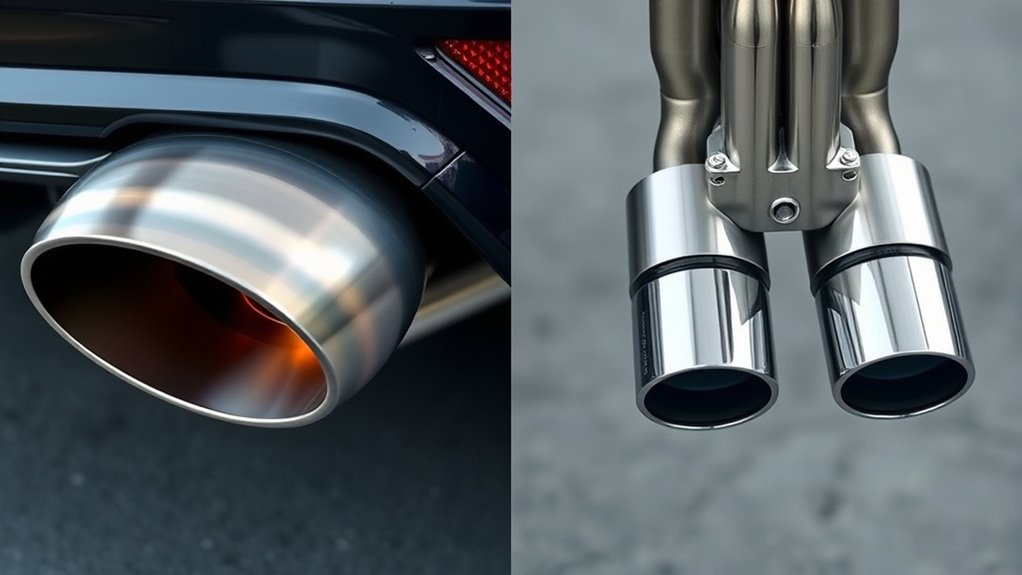
You’ll notice that different exhaust setups produce distinct sound volumes and tones, affecting how your vehicle feels on the road. The acoustic resonance and overall quality also play a big role in creating a deeper or sharper exhaust note. Understanding these sound differences helps you choose the setup that matches your preferred driving experience. Additionally, sound quality can be influenced by factors such as the materials used and the design of the exhaust system. Factors like material selection can significantly impact the durability and tonal characteristics of the exhaust. Proper installation and system configuration are also crucial in achieving the desired acoustic effects. Being aware of repair fundamentals ensures your exhaust system remains in optimal condition, preserving its sound quality over time. Moreover, understanding sound tuning techniques allows for customization of the exhaust note to better suit individual preferences.
Sound Volume and Tone
When choosing between cat-back and axle-back exhaust systems, understanding their impact on sound volume and tone is essential. Cat-back systems typically produce a deeper, more aggressive sound due to their larger pipes and resonators, which can enhance your driving experience. Axle-back setups generally offer a milder tone with less volume, making them ideal for quieter rides. While sound is the main difference, these systems can also influence performance gains by reducing back pressure, potentially improving horsepower and torque. Additionally, a well-chosen exhaust system can positively affect fuel efficiency by optimizing exhaust flow. Properly selecting an exhaust system involves considering sound characteristics and how they align with your vehicle’s performance goals. Ultimately, your choice depends on how loud and sporty you want your vehicle to sound, balanced against your desire for performance and efficiency.
Acoustic Resonance and Quality
Because of their design differences, cat-back and axle-back exhaust systems produce distinct acoustic resonances that influence the sound quality you hear. The catalytic converter plays a role in muffling and shaping exhaust sound, while the muffler design determines how sound waves are reflected and canceled. With a cat-back system, the longer piping and larger muffler typically create a deeper, more refined tone, emphasizing resonance. Axle-back setups, often featuring a shorter pipe and different muffler styles, produce a sharper, more aggressive sound. Key factors affecting acoustic quality include:
- Muffler design and internal baffles
- Pipe length and diameter
- Catalytic converter placement and function
These elements combine to shape the resonance and overall sound clarity you experience.
Installation Process and Complexity
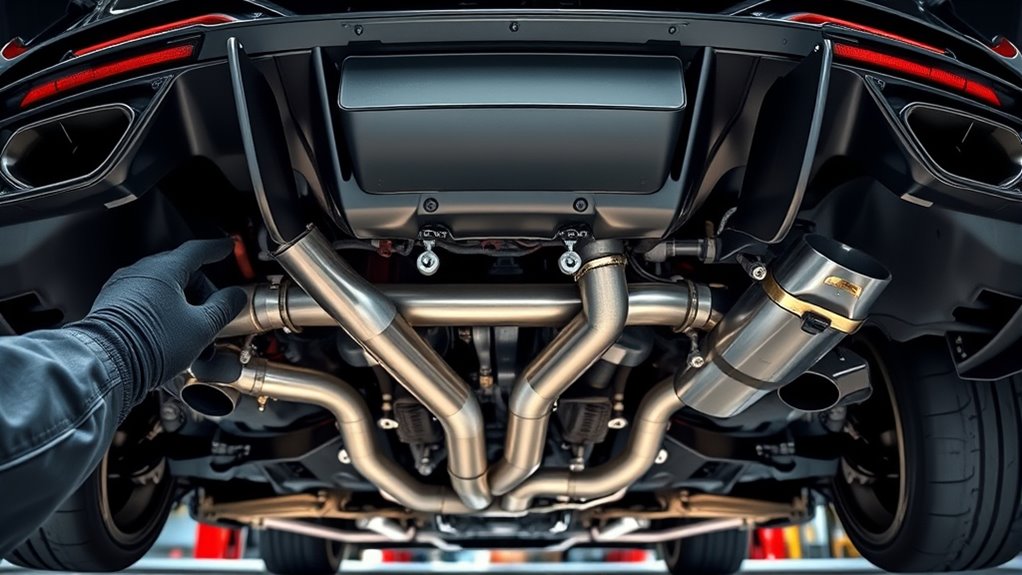
Installing a cat-back or axle-back exhaust system varies in complexity, but both generally require some mechanical skill and the right tools. You might encounter installation challenges like fitting the new components properly, especially if your vehicle has tight spaces or rusted bolts. Axle-back installs are typically simpler, involving fewer connections, but still demand careful work to avoid leaks or misalignments. With a cat-back system, you’ll need to cut or remove parts of the stock exhaust, which can be more complex. Keep in mind that improper installation could impact your vehicle’s warranty, so verify warranty implications beforehand. Taking your time and following instructions carefully helps ensure a smooth install and prevents potential issues down the road.
Cost Considerations
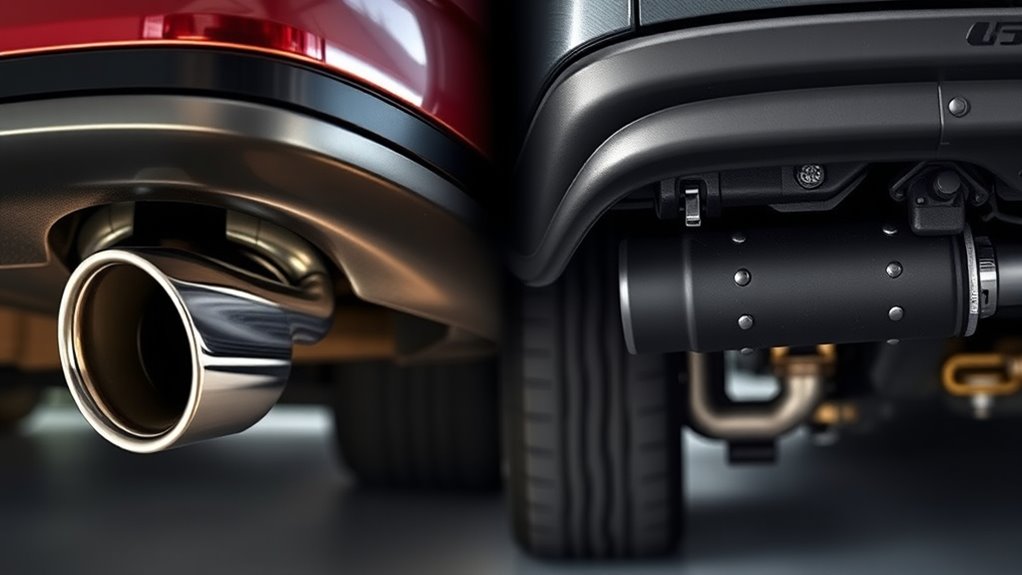
Cost considerations play a substantial role in choosing between a cat-back and an axle-back exhaust system. Typically, cat-back systems cost more due to their larger size and more extensive modifications, but they often offer better noise reduction and increased fuel efficiency. Axle-back systems are usually more affordable and easier to install, making them a popular choice for budget-conscious drivers. Keep in mind:
Choosing between cat-back and axle-back exhausts depends on your budget, noise preferences, and performance goals.
- Upfront costs vary considerably between the two options
- Noise reduction potential impacts your satisfaction and possible legal limits
- Fuel efficiency gains may justify higher investment over time
- Additionally, exhaust system materials can influence both durability and cost, affecting your long-term investment.
Ultimately, your budget and priorities will guide your decision, whether you’re seeking improved sound or better overall performance. Consider both the initial expense and long-term benefits when weighing your options.
Compatibility and Vehicle Types
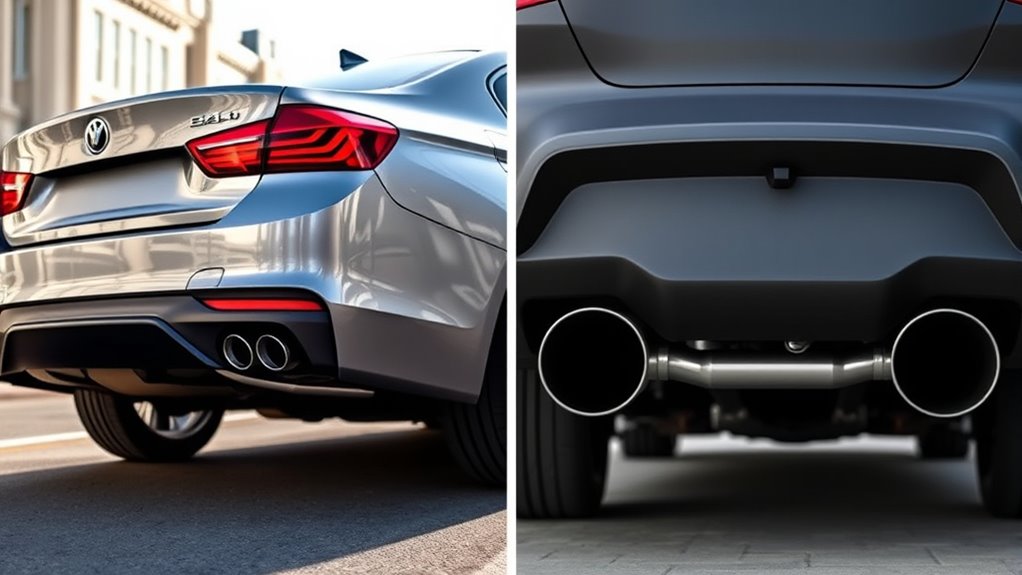
Choosing the right exhaust system depends heavily on your vehicle’s make and model, as compatibility can vary considerably. Not all systems fit every vehicle, especially when it comes to modifications or custom setups. Before upgrading, check whether your vehicle supports cat-back or axle-back exhausts, as some models require specific configurations. Vehicle modifications, like aftermarket headers or altered piping, can influence compatibility, so verify that your chosen system won’t interfere with existing components. Additionally, emissions regulations in your area may restrict certain types of exhausts, especially if they alter emissions output or noise levels. Ensuring your exhaust system complies with local laws avoids potential fines or failed inspections. Always research your vehicle’s specifications and legal requirements to select the proper exhaust setup.
Aesthetic and Customization Options
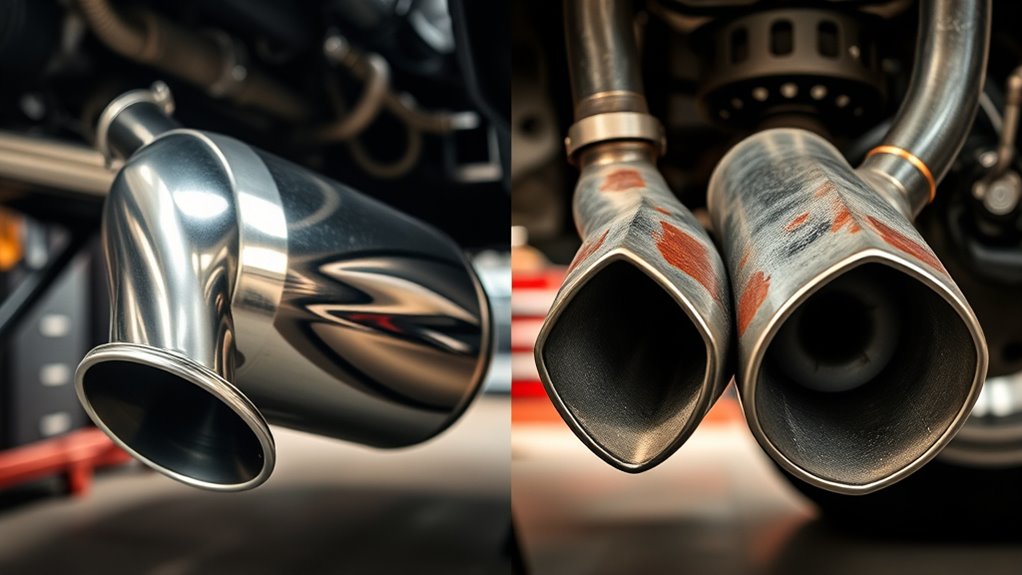
Aesthetic and customization options allow you to tailor your exhaust system to match your vehicle’s style and your personal taste. Your choice of tailpipe design plays a key role in enhancing your car’s visual appeal, giving it a unique look. With options like polished chrome, matte black finishes, or carbon fiber tips, you can create a striking impression. Customization extends beyond materials to shape, size, and placement, allowing you to highlight your vehicle’s personality.
- Unique tailpipe shapes that stand out
- Custom engraving or branding options
- Adjustable or dual exhaust tips for added flair
These choices help your exhaust system become a statement piece, reflecting your style while boosting the overall visual appeal of your vehicle.
Which One Is Right for Your Needs
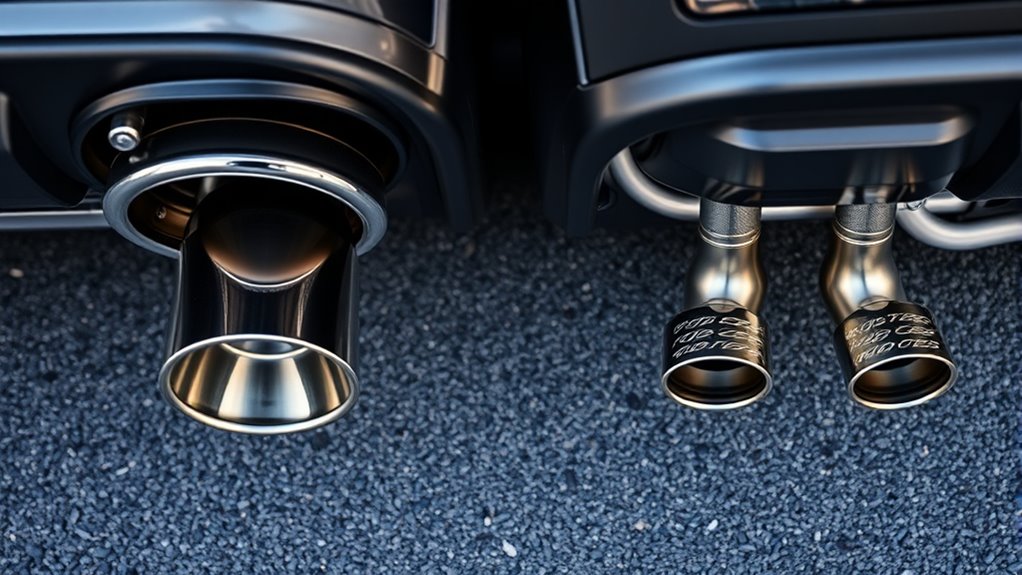
Selecting the right exhaust system depends on your driving habits, goals, and how you want your vehicle to look and sound. If you’re comfortable with diy installation, an axle-back system might be more appealing since it’s generally easier to install and less invasive. However, keep in mind that modifying your exhaust could impact warranty implications, especially if the installation is not done correctly or voids manufacturer coverage. On the other hand, a cat-back system often provides better performance and sound, but it can be more complex to install yourself. Consider whether you prioritize ease of installation or maximum performance. Ultimately, choose based on your skill level, desired sound, and how much you’re willing to spend on potential warranty issues.
Frequently Asked Questions
How Do I Determine Which Exhaust System Fits My Vehicle Model?
You determine which exhaust system fits your vehicle by checking vehicle compatibility and fitment considerations. Start by identifying your vehicle’s make, model, and year. Then, consult manufacturer specifications or product details to guarantee proper fitment. You can also visit auto parts stores or online retailers, where filters help narrow options. Always verify compatibility before purchasing to avoid issues with installation or performance.
Can Upgrading to a Cat-Back or Axle-Back Exhaust Improve Fuel Efficiency?
Did you know that a well-installed aftermarket exhaust can boost fuel economy by up to 2-3%? Upgrading to a cat-back or axle-back exhaust may improve your vehicle’s fuel efficiency by reducing exhaust backpressure, leading to better engine performance. Additionally, these upgrades can positively impact emission levels by optimizing exhaust flow, which helps your car run cleaner and more efficiently. So, yes, an upgrade can benefit both your wallet and the environment.
Are There Legal Restrictions on Exhaust Modifications in My State?
You need to check your state’s emissions regulations and noise ordinances before modifying your exhaust. Many states have strict laws to limit emissions and noise levels, so aftermarket exhausts might be restricted or require certification. Failing to abide by could lead to fines or failing vehicle inspections. It’s best to consult local authorities or a professional installer to ensure your modifications stay within legal limits and avoid potential issues.
How Do Sound Levels Vary Between Different Brands of Exhaust Systems?
You’ll notice sound levels vary considerably between brands, with some producing exhaust noise up to 20% louder. Reputable brands prioritize sound quality, balancing aggressive tones and comfort, while lesser-known options might be excessively loud or inconsistent. Your choice affects your driving experience and local noise regulations. So, research brand reputation carefully; a well-regarded manufacturer ensures you get a system that sounds great without crossing noise limits or annoying others.
What Maintenance Is Required to Keep My Exhaust System in Optimal Condition?
To keep your exhaust system in top shape, regularly inspect your muffler and check for exhaust corrosion. Look for rust, holes, or leaks, especially around joints and welds. Schedule a muffler inspection annually or if you notice increased noise or exhaust smells. Keeping it clean and addressing corrosion early prevents costly repairs, ensuring your exhaust system performs efficiently and lasts longer.
Conclusion
Choosing between cat-back and axle-back exhausts is like selecting a path in a journey—each offers its own voice and character. Think of your vehicle as a symphony, where the exhaust system shapes the melody. Whether you seek a bold roar or subtle refinement, your choice reflects your style and desires. Ultimately, it’s about harmonizing your ride’s personality with what makes you feel alive on the road. Trust your instincts to find the perfect tune.
Fall Picks
fall essentials
As an affiliate, we earn on qualifying purchases.