
To choose a pressure washer for vehicle detailing, focus on a PSI between 1,300 and 2,000 and a GPM of at least 1.4 for effective cleaning without damage. Select adjustable or different nozzles—wider for general cleaning and narrower for stubborn grime—while maintaining safe distances. Balance water pressure and flow, and always use proper technique. Keep surfaces safe and avoid damage by understanding how pressure, flow, and nozzle choice work together; explore more to master the details.
Key Takeaways
- Select a pressure washer with 1,300–2,000 PSI and at least 1.4 GPM for safe, effective vehicle cleaning.
- Use adjustable or interchangeable nozzles, starting with wider spray patterns for gentle cleaning.
- Balance water flow and pressure to prevent surface damage and ensure thorough dirt removal.
- Confirm nozzle compatibility for vehicle surfaces, avoiding high-pressure pinpoint streams on delicate areas.
- Practice proper technique by maintaining safe distances and switching nozzles gradually for stubborn grime.

When selecting a pressure washer, understanding your specific cleaning needs is vital to making the right choice. For vehicle detailing, this means evaluating how much water flow you’ll need to effectively remove dirt, grime, and road debris without damaging your vehicle’s paint or delicate surfaces. Water flow, measured in gallons per minute (GPM), directly impacts cleaning performance. A higher GPM delivers more water, which can make cleaning faster and more efficient. However, too much water pressure can be risky for sensitive vehicle surfaces, so balancing water flow with appropriate pressure is key. Additionally, considering the pressure-to-GPM ratio can help ensure you select a machine that provides optimal cleaning power without risking damage.
Nozzle types play an essential role in customizing your pressure washer for vehicle detailing. Different nozzles produce varying spray patterns and strengths, so choosing the right ones enhances your cleaning results. A standard nozzle, like a 25-degree spray, provides a wider, gentler spray suitable for cleaning larger surfaces like the car’s body without causing damage. For more stubborn dirt or grime, switching to a 15-degree nozzle delivers a concentrated, more powerful jet that can tackle tougher spots. A pinpoint, 0-degree nozzle offers a focused stream, but you should use it cautiously, as it has the potential to cause damage if mishandled. Some pressure washers come with adjustable or interchangeable nozzles, giving you versatility for different cleaning tasks. Understanding the pressure and water flow relationship further helps you avoid applying excessive force that could harm your vehicle’s finish. Recognizing the importance of proper technique can also significantly improve your results and protect your vehicle.
When considering water flow, keep in mind that a balance between GPM and pressure (measured in PSI) is what makes a pressure washer effective for vehicle detailing. Too high PSI can strip paint or damage delicate trims, while insufficient water flow may leave dirt behind. For most vehicles, a pressure washer with around 1,300 to 2,000 PSI and a GPM of at least 1.4 is ideal. This combination provides enough power to clean thoroughly without risking harm to your vehicle’s finish. Moreover, understanding how water pressure and water flow work together can help you achieve the best cleaning results without unintended consequences.
Furthermore, confirm the nozzle types included or compatible with your pressure washer are suitable for vehicle surfaces. A set that includes a wider spray for general cleaning and a narrower, more focused nozzle for stubborn spots will give you the flexibility you need. Always start with the widest spray and gradually move to narrower nozzles for tougher areas, maintaining a safe distance to prevent damage. To conclude, selecting a pressure washer with appropriate water flow and a variety of nozzle types allows you to clean your vehicle effectively and safely. By understanding these factors, you’ll be equipped to choose a device that meets your detailing needs and helps keep your vehicle looking its best.

Chemical Guys, PM2000 PRO Electric Pressure Washer, 2030 PSI, 25 ft Hose
- Pressure Output: 2030 PSI for deep cleaning
- Flow Rate: 1.77 GPM for efficient washing
- Powerful Motor: 1680W motor for strong performance
As an affiliate, we earn on qualifying purchases.
As an affiliate, we earn on qualifying purchases.
Frequently Asked Questions
Can I Use Any Pressure Washer for All Vehicle Types?
No, you can’t use any pressure washer for all vehicle types. A power washer with adjustable pressure settings helps you clean different vehicles effectively without damage. For delicate surfaces like paint, use a lower PSI; for tougher dirt on trucks or off-road vehicles, higher PSI works better. Follow cleaning tips to avoid scratches, and always test the pressure on a small area first to guarantee safety and ideal results.
What Accessories Are Essential for Vehicle Detailing?
You’ll want essential accessories like a variety of nozzles for different cleaning tasks, a foam cannon for interior cleaning, and brushes for stubborn dirt. Use degreasing solutions for engine bays and heavily soiled areas. A microfiber towel helps dry and polish, while a vacuum cleaner is great for interior cleaning. These accessories guarantee a thorough, professional finish and make your vehicle detailing easier and more effective.
How Do I Prevent Water Spots After Washing?
To prevent water spots after washing, you should focus on effective water spot prevention and drying techniques. Dry your vehicle promptly using a clean, soft microfiber towel, working in sections to avoid streaks. Consider using a drying aid or detailing spray to help repel water and enhance shine. Avoid washing in direct sunlight, as heat can cause faster water evaporation, leading to spots. Proper drying guarantees a spotless, streak-free finish.
Is a Higher PSI Always Better for Car Cleaning?
A higher PSI isn’t always better for car cleaning because water pressure affects cleaning efficiency and safety. Too high PSI can damage your vehicle’s paint or trim, while too low may not clean effectively. Instead, focus on the right balance—usually around 1200-1900 PSI. This provides enough water pressure for effective cleaning without risking damage. Adjust the nozzle and pressure settings to optimize water pressure for safe, efficient vehicle detailing.
Can I Use a Pressure Washer on Delicate Paint?
Did you know that using the wrong pressure washer can damage your car’s paint? Yes, you can use a pressure washer on delicate paint, but you must be careful. Keep the PSI low and use a wide spray nozzle. Proper detailing techniques, like maintaining a safe distance and avoiding direct hits on painted surfaces, help protect your paint and preserve its shine. Always prioritize paint protection during cleaning.
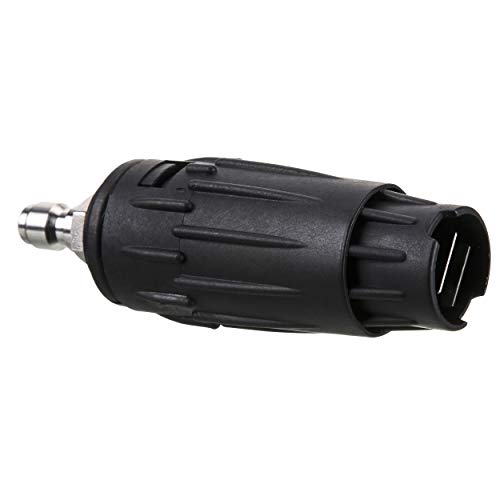
Tool Daily Adjustable Pressure Washer Nozzle Tip, 1/4" Quick Connect
- Adjustable Spray Angles: 0 to 60 degrees for versatile use
- Time and Effort Saving: Easily switch tips for different tasks
- Durable Construction: Made of plastic and stainless steel
As an affiliate, we earn on qualifying purchases.
As an affiliate, we earn on qualifying purchases.
Conclusion
Ultimately, selecting the superior pressure washer depends on your specific needs and smart choices. Remember to evaluate power, portability, and price to find a model that maximizes your vehicle’s shine. With the right pressure washer in hand, you’ll effortlessly clean, clarify, and conquer dirt and debris. So, take your time, trust your tips, and tackle your task with confidence—your vehicle’s victory is just a pressure washer away!

Westinghouse ePX3500 Electric Pressure Washer, 2500 Max PSI 1.76 Max GPM with Anti-Tipping Technology, Onboard Soap Tank, Pro-Style Steel Wand, 5-Nozzle Set, for Cars/Fences/Driveways/Home/Patios
- High Pressure and Flow Rate: 2500 PSI max, 1.76 GPM max flow
- Pro-Style Steel Wand: 17.5-inch extendable with quick-connect nozzles
- Compact and Lightweight: 16.5 inches tall, 19 pounds
As an affiliate, we earn on qualifying purchases.
As an affiliate, we earn on qualifying purchases.

Pressure Washer 5000 PSI,2.8 GPM Power Washer with Foam Cannon,Portable Cleaner with 33ft Hose Reel,4 Nozzle Tips,and Soap Bottle for Cars/Home/Driveways/Patios/Decks/Fences,Blue
- High Pressure and Flow Rate: 5000 PSI and 2.8 GPM for powerful cleaning
- Durable Motor Pump: Designed for longevity and efficiency
- Versatile Nozzle Options: Four quick-connect nozzles plus turbine nozzles
As an affiliate, we earn on qualifying purchases.
As an affiliate, we earn on qualifying purchases.