To keep your vehicle’s air clean, replace the cabin air filter every 15,000 to 30,000 miles, or more often if you drive in heavy traffic or dusty areas. To change it, locate the filter (usually behind the glove box or under the dashboard), remove the old filter, and insert a new one in the correct airflow direction. Ensuring proper installation boosts air quality and HVAC efficiency—continue with us to learn detailed step-by-step instructions.
Key Takeaways
- Replace the cabin air filter every 15,000 to 30,000 miles, more frequently in dusty or urban areas.
- Signs for replacement include reduced airflow, musty odors, or increased allergy symptoms.
- Locate the filter behind the glove box, under the dashboard, or near the windshield by consulting your vehicle manual.
- Install the new filter in the same orientation as the old, ensuring proper airflow direction and a secure fit.
- Regular filter changes improve air quality, HVAC efficiency, and extend system lifespan for a healthier driving environment.

Replacing your cabin air filter is a simple maintenance task that can substantially improve the air quality inside your vehicle. Over time, dust, pollen, pollution, and other airborne contaminants clog the filter, reducing its effectiveness. When the filter becomes dirty or clogged, your car’s ventilation system struggles to circulate fresh air, which can lead to musty odors, increased allergens, and diminished air quality. Regular filter maintenance ensures that your vehicle remains a healthy, comfortable environment and that your HVAC system operates efficiently.
Replacing your cabin air filter improves air quality and keeps your vehicle comfortable and efficient.
Knowing when to change your cabin air filter depends on several factors. Generally, manufacturers recommend replacing it every 15,000 to 30,000 miles, but this can vary based on driving conditions. If you frequently drive in heavy traffic, urban areas, or dusty environments, you might need to change it more often. Signs of a clogged filter include reduced airflow from your vents, a persistent musty smell, or increased allergy symptoms while driving. If you notice these issues, it’s a good idea to inspect and replace the filter sooner rather than later.
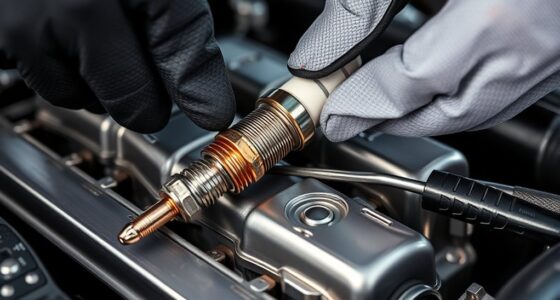
Changing the cabin air filter is straightforward, and you don’t need advanced skills to do it yourself. First, locate the filter—usually behind the glove box, under the dashboard, or near the windshield. Consult your vehicle’s owner’s manual if you’re unsure where it’s situated. Once located, remove any retaining clips or panels to access the filter compartment. Carefully take out the old filter, noting its orientation. It’s essential to install the new filter in the same direction to ensure proper airflow and filtration. Make sure to clean any debris or dust inside the compartment before inserting the new filter for maximized filter performance. Proper filter maintenance not only improves air quality but also extends the lifespan of your HVAC system. A clean filter reduces strain on the blower motor and prevents dust and allergens from circulating inside the vehicle. After installation, reassemble everything securely, and you’re all set. Regularly replacing your cabin air filter is an easy and cost-effective way to keep the air inside your vehicle fresh and healthy. It also ensures that your ventilation system functions as intended, maintaining a comfortable environment regardless of external air quality conditions. By making this a routine part of your vehicle maintenance, you’ll enjoy cleaner air, better breathing, and a more pleasant driving experience.
Frequently Asked Questions
Can I Replace the Cabin Air Filter Myself Without Tools?
Yes, you can replace the cabin air filter yourself without tools if you’re comfortable with DIY maintenance. Most filters are accessible by opening the glove box or under the dashboard, and you won’t need special tools—just your hands or maybe a screwdriver if clips are involved. Follow your vehicle’s manual for specific instructions, and guarantee you remove the old filter carefully to avoid dirt spreading. It’s a simple, cost-effective task to do on your own.
How Often Should I Check the Cabin Air Filter?
Think of your cabin air filter as the lungs of your car—keeping air fresh and clean. You should check it every 12,000 to 15,000 miles or once a year, especially if you drive in dusty areas. Regular inspections help with air quality maintenance and extend the filter’s lifespan. By staying attentive, you prevent buildup that can impair airflow and ensure a healthier, more comfortable ride every time.
Are There Different Types of Cabin Air Filters?
Yes, there are different types of cabin air filters. You’ll find filters made from various air filter materials, like activated charcoal, HEPA, and standard paper. When choosing a replacement, make certain filter compatibility with your vehicle’s make and model. Some filters focus on trapping pollutants, while others also deodorize. Check your owner’s manual to match the right filter type and materials for ideal air quality inside your car.
What Are the Signs of a Failing Cabin Air Filter?
A failing cabin air filter can feel like breathing through a foggy window—odors buildup, reduced airflow, and allergens get trapped easily. You’ll notice strange smells, like mold or burnt odors, and airflow becomes weak or inconsistent. If your AC struggles to cool or you experience stuffiness, it’s a sign your filter’s clogged. Replacing it makes certain fresh air and smooth airflow, keeping your drive comfortable and healthy.
Can a Dirty Cabin Air Filter Affect My Vehicle’s AC Performance?
A dirty cabin air filter can definitely impact your vehicle’s AC performance. It restricts airflow, making your AC work harder and less efficiently. This can also reduce air quality inside your car, leading to stuffiness or unpleasant odors. Plus, if you have allergy symptoms, a clogged filter might worsen them by circulating dust, pollen, and other allergens. Regularly replacing the filter keeps your AC running smoothly and maintains better air quality.
Conclusion
Now that you know when and how to replace your cabin air filter, you might think you’re all set. But did you notice that sneaky smell or that slight decrease in airflow? Those little signs could mean it’s time to act sooner than you think. Don’t wait until it’s too late—your car’s comfort and your breath depend on it. Keep an eye on that filter, and stay one step ahead for a fresher, cleaner ride.