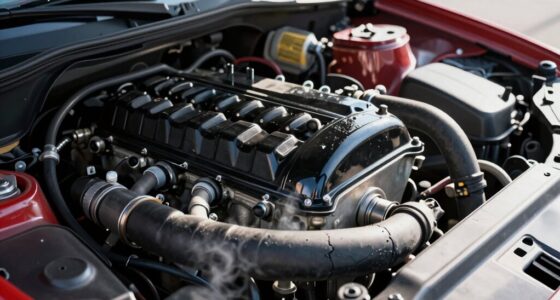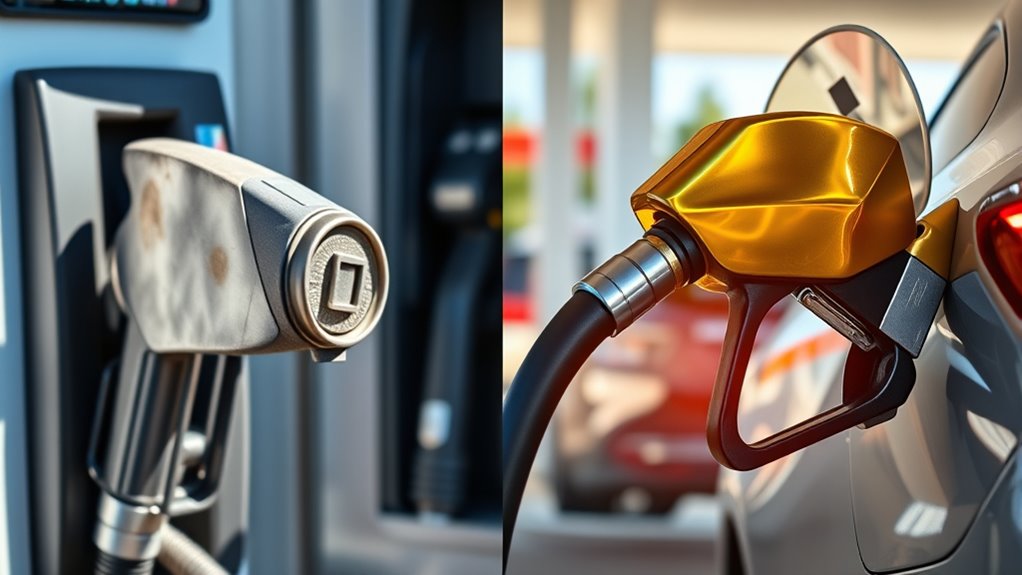

Whether your car needs premium gasoline depends on its specific engine requirements, mainly the octane rating recommended by the manufacturer. Using premium in a car designed for regular fuel offers little benefit and just costs more. However, if your engine knocks or hesitates, premium might improve performance and efficiency. To get the most out of your vehicle and avoid damage, it’s best to follow what your owner’s manual recommends. Keep exploring to learn more about how fuel choice impacts your car’s performance.

Get business pricing on garage and car supplies
- Business-only prices and quantity discounts
- Tax-exempt purchasing
- Multiple users, one account, clear invoices
Key Takeaways
- Check your vehicle’s owner manual or fuel label to determine the recommended octane rating.
- Using premium fuel in a car designed for regular gasoline offers minimal performance or efficiency benefits.
- Premium gasoline may improve engine smoothness and reduce knocking in high-compression or performance engines.
- Regular fuel is usually sufficient for most vehicles; using higher octane adds cost without significant gains.
- Proper fuel choice supports engine longevity, optimal performance, and reduces environmental impact when aligned with manufacturer recommendations.
Understanding Octane Ratings and How They Affect Performance

Have you ever wondered what octane ratings mean and how they impact your car’s performance? Octane rating measures a fuel’s resistance to knocking or pinging during combustion. Higher octane fuels, like premium gasoline, can handle more compression without detonating prematurely, which is essential for high-performance engines. If your engine requires high-octane fuel, using a lower grade can cause knocking, reducing efficiency and potentially damaging your engine. Some drivers turn to octane boosters or fuel additives to increase octane levels temporarily, especially if their vehicle isn’t designed for premium fuel. However, these products won’t magically improve performance if your engine doesn’t need high-octane fuel. Understanding your vehicle’s needs helps you choose the right fuel and optimize your car’s performance.
Identifying Your Vehicle’s Recommended Fuel Type
Knowing the right fuel type for your vehicle starts with checking your owner’s manual or the fuel label often found inside the fuel door. Your vehicle’s recommended fuel guarantees maximum performance and protects your fuel system. To identify it, consider these key points:
- Look for the octane rating specified, such as 87, 89, or 91.
- Confirm if the manufacturer recommends regular or premium gasoline.
- Be aware that using the correct fuel prevents engine knocking and maintains efficiency.
- Remember that some vehicles benefit from fuel additives, which support fuel system cleanliness.
- 1023 Jack can also influence decisions about fuel types, as some models are designed to optimize performance with specific fuels.
Always follow the manufacturer’s guidance to avoid damaging your fuel system or decreasing efficiency. Using the wrong fuel type can lead to costly repairs and reduced performance. When in doubt, stick to the recommended fuel to keep your vehicle running smoothly.
How Premium Gasoline Can Impact Engine Efficiency

Premium gasoline can improve your engine’s efficiency if your vehicle is designed to take advantage of its higher octane rating. When your car requires premium, using it enhances combustion, which can lead to smoother operation and better fuel economy. The fuel additive benefits in premium gas often include detergents that keep fuel injectors clean, maintaining optimal engine performance. Additionally, gas station quality matters; reputable stations supply higher-quality fuel that contains essential additives to prevent engine knocking and deposit buildup. These factors combined can make a noticeable difference in how efficiently your engine runs, especially under higher stress conditions like acceleration or climbing hills. However, if your car isn’t built for premium, these benefits are minimal, and the extra cost may not translate into real efficiency gains.
The Cost Difference Between Regular and Premium Fuel

You’ll notice that premium fuel typically costs more than regular, sometimes substantially so. This price gap can impact your monthly fuel expenses, especially if you fill up often. Considering fuel efficiency and long-term savings can help determine whether that higher upfront cost is worth it. Additionally, understanding your vehicle’s recommended fuel type can prevent unnecessary expenses and optimize performance. For example, some cars are engineered to maximize engine efficiency with premium fuel, making the extra cost worthwhile. Being aware of fuel additives and their impact can also influence your choice, as some formulations claim to improve engine health and performance over time. Moreover, evaluating fuel economy ratings can assist in making more cost-effective fueling decisions. Recognizing how fuel composition affects engine operation can further guide your selection between regular and premium fuels.
Price Gap Analysis
Ever wondered how much extra you pay for premium gasoline compared to regular? Typically, the price gap ranges from 20 to 50 cents per gallon. This difference can add up quickly over time. When comparing costs, consider these points:
- Premium often contains additional fuel additive packages that claim to improve engine performance.
- Gas station quality varies, impacting the actual value you get for the higher price.
- The extra cost might not be justified if your car doesn’t require premium, as most engines are designed for regular fuel.
- Small price differences can lead to significant annual savings if you consistently choose regular fuel.
- Understanding fuel formulations can help you determine whether the benefits of premium justify the additional expense.
- Additionally, many modern vehicles are equipped with engine control modules that optimize performance regardless of fuel grade, making premium unnecessary for certain cars. It is also important to remember that octane ratings play a key role in fuel performance and compatibility.
- Knowing the engine requirements of your vehicle can help avoid unnecessary spending on premium fuel when it’s not needed.
- Researching fuel additive benefits can aid in understanding if the extra additives in premium fuels provide tangible advantages.
Ultimately, understanding this price gap helps you decide if the premium’s benefits outweigh the extra expense.
Fuel Efficiency Impact
While premium gasoline often claims to boost engine performance, its impact on fuel efficiency is a key factor to contemplate. Generally, premium may provide slight improvements in fuel economy for high-performance engines, but many cars see no real benefit. The cost difference adds up over time, making regular fuel more economical for most drivers. Fuel additives in premium fuel can enhance combustion, but the actual gain in efficiency is minimal unless your vehicle specifically recommends it. Consider this comparison:
| Fuel Type | Price per Gallon | Estimated Miles per Gallon | Cost per Mile |
|---|---|---|---|
| Regular | $3.00 | 25 | $0.12 |
| Premium | $3.50 | 26 | $0.13 |
| Difference | +$0.50 | +1 mile | +$0.01 |
This highlights how the higher price impacts your fuel economy and overall costs. Additionally, understanding engine requirements can help determine whether premium fuel is truly necessary for your vehicle. Evaluating your vehicle’s fuel efficiency and maintenance can also help maximize your savings regardless of the fuel type you choose. A thorough understanding of fuel quality can further aid in making informed decisions about your fuel choices.
Long-term Cost Savings
Over the long term, choosing regular gasoline can lead to significant cost savings compared to premium fuel. The key is understanding that premium often costs about 20-30 cents more per gallon. To maximize savings, consider these points:
- Your car’s engine is designed for regular fuel; using premium offers no added benefit.
- Proper gas station selection ensures you get fresh fuel with better fuel additive benefits, which can improve engine performance.
- The higher price of premium doesn’t translate into better mileage if your vehicle doesn’t need it.
- Regular fuel’s lower cost means more money in your pocket over time, especially if you drive frequently.
- Being aware of trustworthy insights and selecting reputable gas stations can further enhance your savings and engine health. Additionally, understanding fuel quality standards can help you choose stations that provide optimal fuel for your vehicle.
- Recognizing the importance of fuel standards can help ensure you’re getting high-quality fuel that preserves engine longevity and efficiency. Regular maintenance and monitoring engine performance can also prevent costly repairs and maximize fuel economy. Moreover, staying informed about fuel additives can contribute to cleaner engine operation and better performance.
Being strategic about fuel choice and gas station selection can optimize your long-term savings without sacrificing engine health.
Signs That Your Car Might Benefit From Premium Gasoline
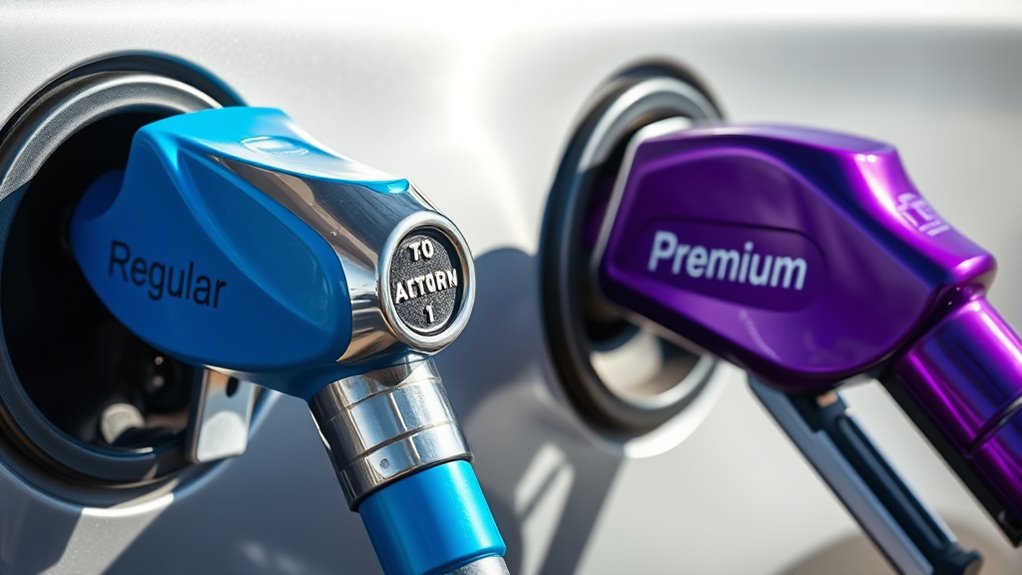
Your car might benefit from premium gasoline if you notice knocking or pinging sounds during acceleration. These noises often indicate your engine is struggling with lower-octane fuel, which can be fixed by switching to premium. Additionally, if your vehicle’s manufacturer recommends premium, it’s best to follow that advice. Pay attention to how your engine runs and whether it feels smoother with higher-quality fuel, especially if your car has advanced fuel additives designed for better performance. Proper gasoline storage is essential to avoid fuel degradation that can affect engine performance. Ensuring your fuel system is protected by effective filtration can help maintain optimal operation. Regularly inspecting your fuel system and understanding fuel octane ratings can also contribute to better engine health. Being aware of website performance metrics and how they relate to user experience can help you optimize your vehicle’s fuel efficiency. Maintaining proper fuel quality and storage practices can also prevent issues related to fuel contamination, ensuring your engine runs smoothly. Here’s a quick overview:
| Signs to Watch For | Why It Matters | Recommended Action |
|---|---|---|
| Engine knocking | Indicates pre-ignition | Switch to premium |
| Poor acceleration | Fuel quality issue | Use better fuel |
| Reduced MPG | Fuel additives needed | Check storage conditions |
Risks of Using the Wrong Type of Fuel for Your Car

Using the wrong type of fuel can cause significant issues for your vehicle’s performance and longevity. Misfilling your tank with the wrong gasoline can lead to engine knocking, decreased fuel efficiency, and long-term damage. To avoid these risks, consider these points:
- Using regular instead of premium when your car requires it can cause knocking and reduce power.
- Premium fuel has fuel additive benefits that help keep your engine cleaner and more efficient.
- Using the wrong fuel can harm fuel injectors, increasing maintenance costs.
- Proper fuel storage tips, like keeping your tank full during storage, prevent moisture buildup that can contaminate your fuel.
- Being aware of your vehicle’s fuel requirements and understanding how curiosity about your car’s specifications can help you make better decisions and avoid costly mistakes.
Always match your fuel choice to your vehicle’s requirements to protect your engine and maximize performance.
Environmental Implications of Different Gasoline Types

Different gasoline types have distinct environmental impacts, influencing air quality and greenhouse gas emissions. Regular gasoline often contains fuel additives designed to improve performance but can produce higher emissions if not formulated to meet strict emission standards. Premium gasoline typically has fewer harmful pollutants and may burn more completely, reducing smog-forming compounds. Using the right type of fuel guarantees your vehicle operates efficiently and adheres to emission standards, minimizing environmental harm. When you choose regular or premium, consider how their formulations affect tailpipe emissions and the environment. While premium might seem cleaner, it’s only beneficial if your car’s engine requires it. Otherwise, using the appropriate fuel helps reduce pollutants, supports cleaner air, and aligns with efforts to lower greenhouse gases.

Your vehicle’s manufacturer recommendations are the key to choosing the right fuel. If your engine is designed for regular gas, using premium won’t boost performance and will just cost more. However, if your car calls for premium, sticking with it can help keep your engine running smoothly.
Manufacturer Recommendations Matter
Manufacturers know their engines best, so their recommendations on fuel type should be your top priority. If your vehicle’s manual specifies regular gasoline, using premium won’t improve performance or efficiency. Conversely, if premium is recommended, sticking with it guarantees ideal engine function. Always follow these guidelines because:
- Using the wrong fuel can affect fuel additives that protect engine parts.
- Premium fuels may better resist fuel storage issues, preventing phase separation.
- Certain engines have high compression ratios that require premium to prevent knocking.
- Ignoring manufacturer advice can void warranties or cause long-term damage.
Trusting the manufacturer’s recommendation helps you avoid unnecessary costs and potential engine problems, ensuring your car runs smoothly and efficiently without risking damage from improper fuel choices.
Engine Performance Considerations
Choosing between regular and premium gasoline can considerably impact your vehicle’s performance, especially under certain driving conditions. Premium fuel often contains specialized fuel additives that can help optimize engine tuning, particularly in high-compression engines designed for it. If your car’s engine is tuned for premium, using regular gas may cause knocking or reduced power. Conversely, if your engine doesn’t require premium, sticking with regular fuel ensures efficient performance without unnecessary expense. Modern engines are often calibrated to adapt to different fuel qualities, but it’s vital to follow manufacturer recommendations. Paying attention to engine performance signs, such as knocking or hesitations, can help determine whether a switch to premium might improve your driving experience.
Frequently Asked Questions
Can Using Higher Octane Fuel Improve My Car’s Performance Unnecessarily?
Using higher octane levels won’t improve your car’s performance unless your engine specifically requires it. If your vehicle’s manufacturer recommends premium fuel, then it helps optimize fuel efficiency and prevent knocking. However, if your car runs fine on regular octane, using higher octane fuel is unnecessary and won’t boost performance. In fact, it may just cost you more without any real benefit. Stick to your owner’s manual for the right octane level.
Does Premium Fuel Help Extend My Engine’s Lifespan?
Premium fuel can help extend your engine’s lifespan by reducing engine wear, especially in high-performance or turbocharged engines. It often contains advanced fuel additives that clean and protect engine components, preventing deposits that cause damage over time. If your car’s manufacturer recommends premium, using it regularly can maintain ideal engine health. Otherwise, sticking to regular fuel with quality additives usually suffices for most vehicles and helps prevent unnecessary wear.
Are There Specific Driving Conditions That Justify Using Premium Gasoline?
Ever wonder if your engine’s octane requirements are pushing you to use premium fuel? If you frequently drive in hilly terrain, tow heavy loads, or experience engine knocking at low speeds, premium is justified. These conditions demand higher octane to prevent knocking and guarantee smooth performance. Otherwise, sticking with regular fuel is usually fine. Pay attention to your owner’s manual to see what’s best for your car’s ideal functioning.
How Does Fuel Choice Affect My Vehicle’s Resale Value?
Your fuel choice can impact your vehicle’s resale value, especially if it’s known for requiring premium gasoline. Prospective buyers might see a higher resale value if your car has been consistently fueled with the recommended type, demonstrating proper maintenance. Using the correct fuel choice helps maintain engine health, which in turn preserves your vehicle’s worth. Conversely, neglecting this can raise concerns about potential engine issues, lowering your resale value.
Is Premium Gasoline More Environmentally Friendly Than Regular?
They say, “you are what you eat,” and the same goes for fuel. Premium gasoline isn’t necessarily more environmentally friendly than regular; it often just has cleaner additives. While premium might slightly improve fuel efficiency or emissions reduction in high-performance engines, regular gasoline generally suffices for most vehicles. Focus on proper maintenance and driving habits to truly minimize your environmental impact, rather than just switching fuels.
Conclusion
Deciding between regular and premium gasoline depends on your vehicle’s specific needs. By understanding octane ratings, observing signs, and weighing costs, you can make a smart, suitable choice. Staying informed guarantees you avoid avoidable repairs, optimize engine efficiency, and protect the planet. Remember, using the right fuel results in reliable rides and responsible routines. So, select smartly, save smartly, and stay satisfied with your car’s performance every time you fill up.
Fall Picks
fall essentials
As an affiliate, we earn on qualifying purchases.