To boost your car’s fuel economy, keep your tires properly inflated and check for wear regularly. Drive at steady speeds, avoid abrupt acceleration, and plan routes to reduce traffic stops. Perform regular maintenance, clear excess weight, and turn off your engine during long stops. Use air conditioning wisely and limit external accessories like roof racks. Following these tips can save gas, and if you continue exploring, you’ll find even more effective ways to improve efficiency.

Get business pricing on garage and car supplies
- Business-only prices and quantity discounts
- Tax-exempt purchasing
- Multiple users, one account, clear invoices
Key Takeaways
- Keep tires properly inflated and check for wear to reduce rolling resistance and improve fuel efficiency.
- Drive at steady speeds, use cruise control, and anticipate traffic to minimize acceleration and braking.
- Limit idling by turning off the engine when stopped for more than a minute.
- Remove unnecessary cargo and external accessories like roof racks to reduce vehicle weight and wind drag.
- Use climate control efficiently, keep windows closed at high speeds, and maintain proper vehicle maintenance for optimal performance.
Keep Your Tires Properly Inflated
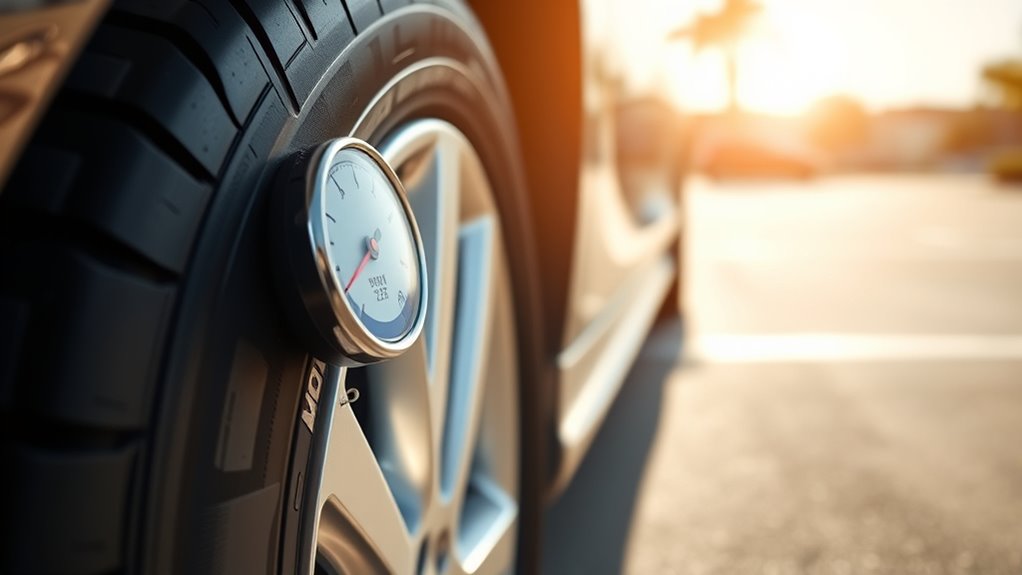
Properly inflated tires are essential for maximizing your car’s fuel efficiency. When your tire pressure is at the recommended level, your tires roll more smoothly, reducing resistance and improving mileage. Under-inflated tires cause increased friction, which makes your engine work harder and consumes more gas. Additionally, check your tire tread regularly; worn-out treads can compromise traction and increase rolling resistance, further decreasing fuel economy. Maintaining ideal tire pressure ensures even tire wear and better contact with the road, helping you save gas and extend tire life. Regular tire inspections can help identify issues before they impact fuel economy. Furthermore, adopting proper inflation practices can contribute significantly to improving overall vehicle performance. Staying aware of market trends can also be useful if you’re interested in investing in crypto assets for extra savings or financial growth. Remember that tire pressure monitoring systems are increasingly available to help maintain optimal inflation levels automatically. Keeping your tires properly inflated not only enhances fuel economy but also promotes vehicle safety by preventing blowouts and uneven wear.
Drive at Steady Speeds and Avoid Rapid Acceleration

Driving at a steady speed and avoiding rapid acceleration can considerably improve your car’s fuel economy. Your driving habits play a vital role in fuel efficiency, so practicing smooth acceleration and deceleration helps conserve gas. Focus on maintaining a consistent speed, ideally within the ideal range for your vehicle, and use acceleration control to prevent sudden surges that waste fuel. Avoid aggressive driving behaviors like speeding or abrupt stops, as they increase fuel consumption. Instead, anticipate traffic flow and gradually accelerate when needed. Using cruise control on highways can help you keep a steady speed and reduce unnecessary acceleration. Implementing load calculations and understanding your vehicle’s optimal operating conditions can further enhance efficiency. Additionally, vehicle maintenance such as regular engine tune-ups and proper tire inflation ensures your car runs efficiently, saving fuel and reducing emissions. These habits not only save fuel but also reduce wear and tear on your vehicle, making your driving more efficient overall.
Perform Regular Vehicle Maintenance
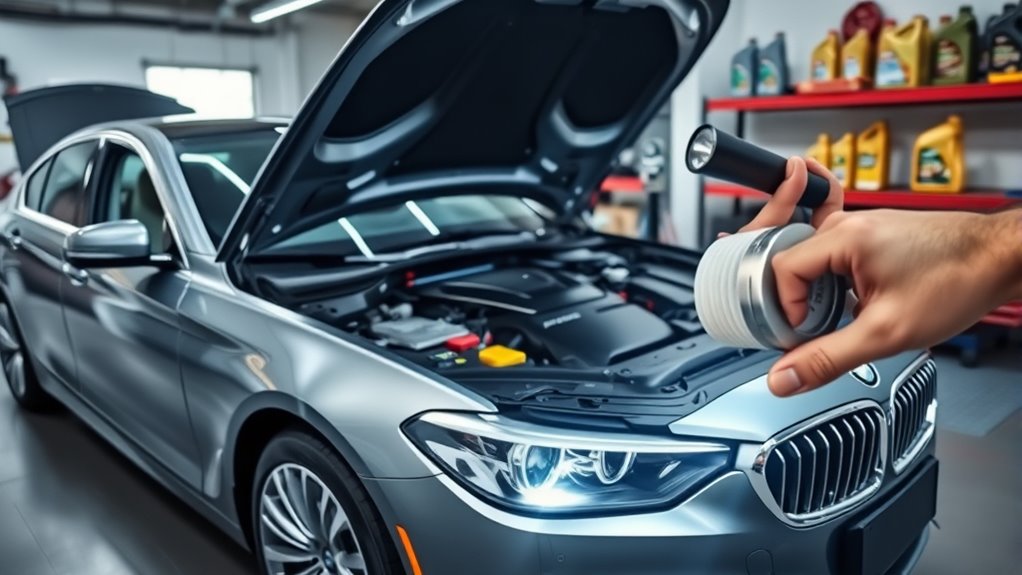
Regular vehicle maintenance helps keep your car running efficiently. Make sure to perform routine inspections and check fluid levels regularly. Staying on top of these tasks can improve fuel economy and prevent costly repairs. Additionally, inspecting and maintaining your body jewelry measurements and materials can ensure proper fit and comfort, preventing unnecessary strain or damage that could affect your vehicle’s performance. Regularly checking your vehicle’s tire pressure and alignment can also contribute significantly to better fuel efficiency and safer driving. Keeping these components in optimal condition can enhance overall vehicle performance, and understanding the importance of digital literacy for kids can help you educate your children about safe online habits, fostering responsible digital use. Regular maintenance also includes monitoring your Gold IRA investment options, which can provide stability and growth for your retirement savings.
Vehicle Inspection Checks
To keep your vehicle running efficiently, it’s vital to perform regular inspection checks and maintenance. Start with a thorough vehicle inspection to identify issues that could affect fuel economy. Checking tire pressure ensures proper inflation, which reduces rolling resistance and improves mileage. Regular emission testing helps verify your vehicle’s emissions system functions correctly, preventing unnecessary fuel consumption caused by engine inefficiencies. Make sure the air filter is clean, as a clogged filter hamstrings airflow and reduces fuel efficiency. Also, inspect belts and hoses for wear and tear, replacing them as needed. Address any warning lights promptly, and schedule professional inspections periodically. Keeping your vehicle in prime condition not only saves gas but also extends its lifespan and reduces emissions. Additionally, monitoring vehicle performance can help you catch early signs of issues that may impact fuel economy. Incorporating connected vehicle diagnostics can provide real-time insights to optimize your vehicle’s efficiency and prevent costly repairs. Regularly reviewing maintenance schedules ensures all critical components are serviced timely, further enhancing fuel savings and maintaining optimal fuel economy. Furthermore, staying informed about your vehicle’s performance metrics can aid in making adjustments that improve overall efficiency.
Proper Fluid Levels
Maintaining proper fluid levels is a key step in keeping your vehicle running smoothly and efficiently. Regularly check your oil levels and top them off if they’re low, since engine oil is crucial for reducing friction and preventing wear. Low oil can cause your engine to work harder, decreasing fuel economy. Additionally, coolant checks are essential to prevent overheating and maintain ideal engine temperature. When coolant levels are too low, your engine may run inefficiently, wasting fuel. Always consult your vehicle manual for the recommended fluid types and check levels regularly, especially before long trips. Keeping fluids at proper levels ensures your engine runs smoothly, reduces strain, and helps you save gas over time. Proper maintenance like this keeps your car performing at its best. Regularly monitoring these fluid levels can also prevent costly repairs down the road. Additionally, addressing underlying issues such as neurobiological factors that affect engine performance can help maintain optimal efficiency. Being aware of fuel economy tips can further enhance your savings and vehicle performance. Implementing routine inspections can catch potential problems early and keep your vehicle operating efficiently, especially when combined with proper energetic alignment practices that promote overall vehicle health.
Reduce Excess Weight and Remove Unnecessary Items

Carrying unnecessary items in your vehicle can considerably decrease your fuel efficiency. Trunk clutter and unnecessary cargo add weight, forcing your engine to work harder and burn more gas. Even small objects can add up over time, impacting your mileage. To save fuel, regularly clean out your trunk and remove items you no longer need. Keep only essentials like a spare tire, emergency kit, or necessary tools. Lighter vehicles require less energy to move, especially during acceleration and maintaining speed. By decluttering your car and minimizing excess weight, you’ll improve your fuel economy and make your drives more efficient. Take a moment to check your trunk and storage compartments—you’re likely carrying more than you need. Vehicle weight is a key factor in fuel consumption, so reducing it can lead to noticeable savings. Less weight means better mileage and fewer trips to the gas station. Ensuring your vehicle’s backup power systems are well maintained can also help keep your car running efficiently in emergencies. Additionally, proper ventilation can help your engine operate more efficiently and prevent unnecessary strain. Regularly inspecting your vehicle for excessive weight and removing unnecessary cargo can further optimize fuel efficiency and keep your car performing at its best.
Limit Idling and Turn Off Your Engine When Stopped

Leaving your engine idling for extended periods wastes fuel and adds unnecessary emissions. Instead of letting your engine run while parked, turn it off if you’ll be stopped for more than a minute. Modern engines don’t need a long warm-up; a quick start allows your engine to warm up efficiently. To save gas, adopt parking strategies that minimize idling—park in spots close to your destination or use shaded areas to reduce heat buildup, which can help your engine warm up faster. Turning off your engine when stopped not only conserves fuel but also reduces wear on engine components. Remember, restarting your engine uses less fuel than idling for long periods, making it a simple yet effective way to improve your car’s fuel economy.
Use the Right Gear and Avoid Overdrive

Using the correct gear and avoiding overdrive can substantially boost your vehicle’s fuel efficiency. Proper gear selection ensures your engine runs smoothly without excessive effort. To maximize savings:
- Shift to a lower gear when climbing hills or towing, reducing engine strain.
- Use higher gears during steady highway driving to decrease RPMs.
- Avoid engaging overdrive at low speeds or in stop-and-go traffic, which can cause unnecessary engine cycling.
Overdrive is designed for highway cruising, but using it improperly wastes fuel and strains your engine. By selecting the appropriate gear for each situation and avoiding overdrive when unnecessary, you help your vehicle operate more efficiently, saving gas and reducing wear. Focus on gear selection to keep your engine in its ideal power range.
Plan Your Routes to Minimize Stops and Traffic

Planning your routes ahead of time can considerably reduce the amount of time you spend in stop-and-go traffic, which in turn conserves fuel. Effective route planning helps you identify the quickest, least congested paths, minimizing traffic avoidance issues that drain your fuel efficiency. Use navigation apps to check real-time traffic updates and select alternative routes that avoid delays. Combining multiple errands into one trip can also cut down on unnecessary driving and reduce exposure to congested areas. By staying away from heavily trafficked streets and peak travel times, you’ll keep your engine running smoothly and improve overall fuel economy. Clear, strategic route planning ensures you spend less time idling or accelerating frequently, both of which waste gas and increase emissions.
Use Air Conditioning Wisely

While air conditioning can keep you comfortable on hot days, relying on it excessively can substantially reduce your fuel efficiency. To optimize your climate control and save gas, consider these tips:
- Use the recirculation mode to cool the cabin faster and reduce the strain on your AC system.
- Keep windows closed at highway speeds to prevent air resistance and maintain efficient air conditioning.
- Set your climate control to a moderate temperature instead of the coldest setting, reducing the workload on your AC system.
Limiting air conditioning usage helps your engine work less, improving fuel economy. When possible, use the vehicle’s ventilation or open windows on cooler days, and only turn on the AC when necessary. Proper climate control is a simple way to save fuel without sacrificing comfort.
Limit Use of Roof Racks and External Car Accessories
Excessive use of roof racks and external accessories can substantially increase your vehicle’s wind resistance, which in turn lowers fuel economy. When you add a roof rack or external accessories, your car faces more drag, forcing the engine to work harder. To save gas, remove these items when not needed, especially on long drives. Consider the following:
| Tip | Benefit |
|---|---|
| Use roof racks sparingly | Reduces drag, improves fuel efficiency |
| Remove external accessories | Minimizes wind resistance |
| Opt for roof rack when needed | Saves gas during essential use |
Limiting the use of these accessories helps your vehicle glide more smoothly through the air, boosting fuel economy and saving you money at the pump.
Consider Fuel-Efficient Driving Techniques and Practices

Adopting fuel-efficient driving techniques can considerably reduce your vehicle’s fuel consumption. Eco friendly driving not only saves money but also minimizes your environmental impact. To achieve this, focus on these fuel saving techniques:
- Maintain a steady speed by using cruise control on highways, which reduces unnecessary acceleration and braking.
- Plan routes to avoid heavy traffic and stop-and-go conditions, helping your engine run more efficiently.
- Accelerate gently and brake gradually, preventing excessive fuel use and wear on your brakes.
Frequently Asked Questions
How Does Tire Alignment Impact Fuel Efficiency?
Proper tire alignment improves your fuel efficiency by reducing rolling resistance, which helps your car move more smoothly. When your tires are correctly aligned and your tire pressure is maintained, your wheels spin more efficiently. Additionally, ensuring wheel balancing prevents uneven tire wear and vibrations that can decrease fuel economy. Regularly check these factors, and you’ll notice your car uses less gas and runs more efficiently.
Can Changing Your Driving Habits Significantly Save Gas?
Changing your driving habits can markedly save gas. By practicing eco-friendly driving, such as accelerating smoothly and maintaining steady speeds, you reduce fuel consumption. Avoiding aggressive driving and unnecessary idling helps too. Reducing traffic congestion by planning routes or carpooling minimizes stop-and-go driving, which boosts fuel efficiency. These habits not only save you money but also contribute to a healthier environment by lowering emissions.
What Are Signs My Vehicle Needs Maintenance for Better Mileage?
You’ll notice your vehicle needs maintenance if your fuel efficiency drops or the engine runs rough. Check if it’s due for an oil change, as dirty oil affects performance. Also, consider engine diagnostics; they can reveal underlying issues like misfires or sensor problems that hurt mileage. Addressing these promptly helps your car run smoothly, saving gas and extending its lifespan. Regular maintenance keeps your vehicle in top shape.
Does Using Cruise Control Improve Fuel Economy?
Yes, using cruise control can improve your fuel economy by maintaining consistent speed and reducing unnecessary acceleration and braking. When you keep a steady speed, your engine load stays consistent, which optimizes fuel use. This minimizes fluctuations that waste gas. Just avoid using cruise control on hilly terrain or in traffic, where constant adjustments can actually decrease efficiency. Overall, it’s a helpful tool for saving gas during highway driving.
How Much Fuel Can I Save by Reducing Air Conditioning Use?
Did you know that using air conditioning can reduce fuel economy by up to 20%? If you turn off the A/C and open your windows at lower speeds, you can considerably increase your fuel savings. While running the A/C on highways might be more efficient, at city speeds, reducing A/C use helps your car consume less fuel, saving you money and reducing emissions.
Conclusion
By following these tips, you’ll be able to squeeze more miles out of every gallon and keep your wallet happy. Staying mindful of your driving habits and vehicle upkeep is the key to making every drop count. Remember, a penny saved is a penny earned, so don’t let your efforts go to waste. With a little effort, you’ll find that good habits truly make a world of difference on the road and in your savings.
Fall Picks
fall essentials
As an affiliate, we earn on qualifying purchases.