
To check your power steering fluid, park on a level surface with the engine off, locate the reservoir, and carefully remove the cap. Inspect the fluid level against the markings and look for any discoloration or debris. To refill, use the recommended fluid type, add slowly until it reaches the “Full” mark, then securely replace the cap. Start your engine and turn the steering wheel to circulate the fluid—if you want to master this process, continue exploring the details.
Key Takeaways
- Turn off the engine and locate the power steering fluid reservoir under the hood.
- Remove the reservoir cap and check the fluid level against “Full” and “Low” markings.
- Look for signs of contamination, discoloration, or leaks around the reservoir and hoses.
- Refill with the recommended power steering fluid until reaching the “Full” mark.
- Secure the cap, start the engine, and turn the steering wheel lock-to-lock to circulate the fluid.
Power steering fluid is essential for smooth and responsive steering, so it’s important to check and refill it regularly. When your steering starts to feel stiff or unresponsive, it’s often a sign that the fluid level is low, or there might be a leak in the system. One common issue you might notice is a power steering noise—like whining or squealing when you turn the wheel. This noise usually indicates that the fluid isn’t circulating properly or has become contaminated. Additionally, if you see fluid leaking around the power steering pump, hoses, or reservoir, it’s a clear sign you need to address the problem immediately.
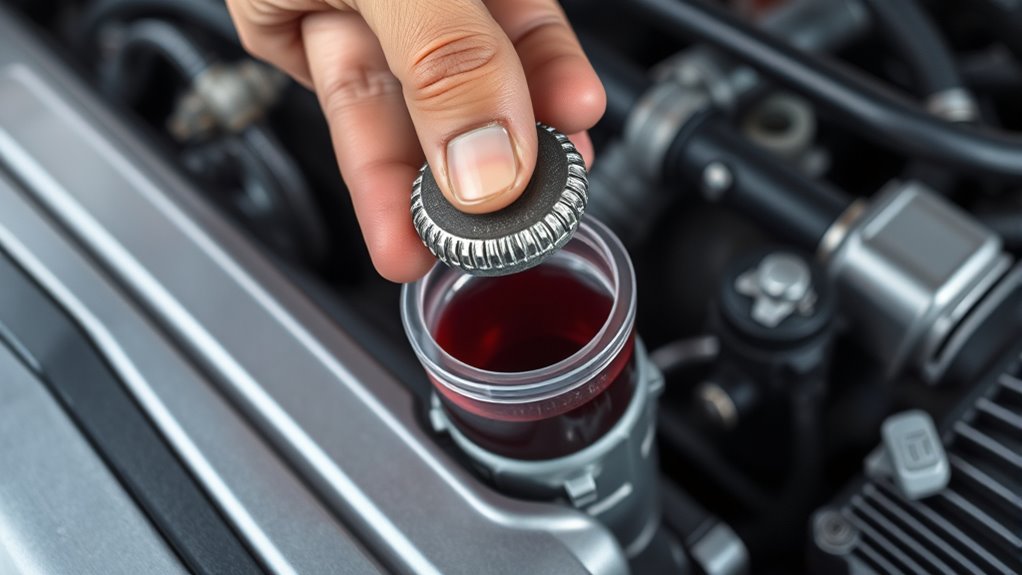
To check your power steering fluid, start with your vehicle parked on a level surface and turn off the engine. Open the hood and locate the power steering fluid reservoir—it’s typically a small, translucent container with a cap labeled “Power Steering” or similar. Carefully remove the cap and inspect the fluid level. Many reservoirs have markings for “Full” and “Low,” so compare the current level to these indicators. If the fluid is below the minimum mark, you need to add more. Be cautious—if the fluid appears dark, dirty, or has a burnt smell, it’s a good idea to replace it altogether rather than just topping it off.
Refilling the fluid is straightforward. Use the type of power steering fluid specified in your vehicle’s owner’s manual, as using the wrong type can cause system damage. Slowly pour the fluid into the reservoir until it reaches the “Full” mark. Avoid overfilling, as this can lead to leaks or increased pressure within the system. After refilling, replace the cap securely, start the engine, and turn the steering wheel from lock to lock a few times. This helps circulate the fluid and check for any leaks or unusual noises. If you hear a persistent power steering noise or notice fluid leaking after refilling, it might mean the system needs professional inspection or repair. Regularly inspecting your power steering fluid prevents issues like noise and leaks from worsening, and understanding power steering system components can help you identify potential problems early.
Maintaining proper fluid levels ensures smooth steering performance and helps extend the lifespan of your power steering components. By staying vigilant and checking your fluid level periodically, you’ll keep your steering responsive and safe on the road.
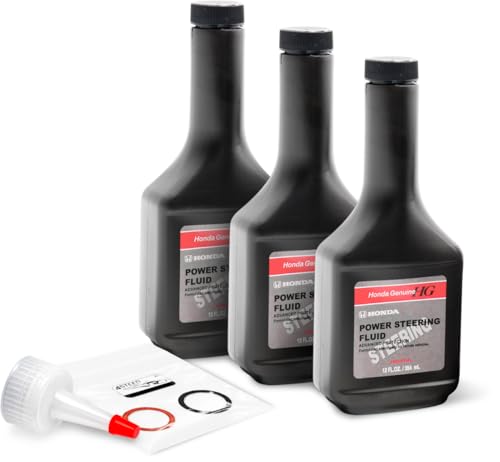
4STEED MOTORS Bundle Fit for Acura and Honda 08206-9002PE Power Steering Fluid Pack of 3 91345RDAA01 + 91370SV4000 Pump Rubber Inlet & Outlet O-Ring Seals Kit 926-157
- Interchange Part Numbers: Multiple compatible part numbers
- Complete Kit Includes: Power steering fluid and O-ring seals
- Optimal Maintenance: Keep your power steering in top condition
As an affiliate, we earn on qualifying purchases.
As an affiliate, we earn on qualifying purchases.
Frequently Asked Questions
How Often Should I Check My Power Steering Fluid?
You should check your power steering fluid at least once a month, especially if you notice difficulty steering or unusual noises. Regular checks help prevent fluid contamination and guarantee proper function. Locate the reservoir, usually near the engine, and keep an eye on the fluid level. If it’s low or looks dirty, refill and inspect for leaks. Consistent maintenance keeps your steering smooth and responsive.
Can Low Power Steering Fluid Cause Steering Difficulties?
Low power steering fluid is like a silent storm brewing beneath your steering wheel. When it’s low, you might notice steering noise and difficulty turning, as if your car’s trying to resist your commands. The fluid’s color can turn dark or murky, signaling it’s time for a refill. Ignoring these signs makes steering tougher and increases wear on components, so keeping the fluid topped off keeps your driving smooth and responsive.
What Type of Power Steering Fluid Is Best?
You should choose the right power steering fluid type based on your vehicle’s specifications, which you can find in the owner’s manual. Typically, there are ATF (automatic transmission fluid) or specific power steering fluids. Compatibility considerations are vital; using the wrong type can damage your system. Always match the fluid type to your car’s requirements to guarantee ideal steering performance and prevent unnecessary wear.
Are There Signs of Power Steering Fluid Leaks?
You’ll notice power steering leaks if you see fluid pooling under your vehicle or spot wet, shiny spots around the power steering pump or hose connections. Fluid leak signs include difficulty turning the steering wheel, whining noises when steering, or a burning smell. Keep an eye on the fluid level regularly, and if you detect any leaks, address them promptly to prevent steering problems and costly repairs.
Is It Safe to Drive With Low Power Steering Fluid?
Driving with low power steering fluid isn’t safe because it can cause your steering to become stiff or unresponsive, increasing the risk of accidents. Follow maintenance tips by checking your fluid regularly and refilling or replacing it as needed. Keeping the fluid at proper levels guarantees smooth steering and prevents damage to the system. Always address low fluid issues promptly to maintain safe and efficient vehicle operation.

AUTOOL AS507 Power Steering Fluid Tester, Light Transmittance Oil Quality Tester, Power Steering Oil Aging & Contamination Detector with LCD Display for Automotive Maintenance
- Light Transmittance Detection: Advanced technology for quick, accurate testing
- Precise Oil Quality Results: Stable, repeatable measurements for early diagnosis
- Wide Compatibility: Suitable for most power steering fluids and vehicles
As an affiliate, we earn on qualifying purchases.
As an affiliate, we earn on qualifying purchases.
Conclusion
Keeping an eye on your power steering fluid is like tending to a delicate garden—small attentions prevent bigger troubles down the line. Regular checks and refills keep your steering smooth and responsive, ensuring your drive remains effortless. Think of it as nurturing your vehicle’s well-being; a little care now avoids more significant issues later. So, stay attentive and gentle with your car’s needs, and it’ll reward you with a seamless, trouble-free journey every time.

25.6" Steel Bendable Spout Funnel with Filter for All Automotive Oils
- Length: 25.6 inch steel funnel
- Material: Durable steel construction
- Flexibility: Bendable hose for narrow spaces
As an affiliate, we earn on qualifying purchases.
As an affiliate, we earn on qualifying purchases.
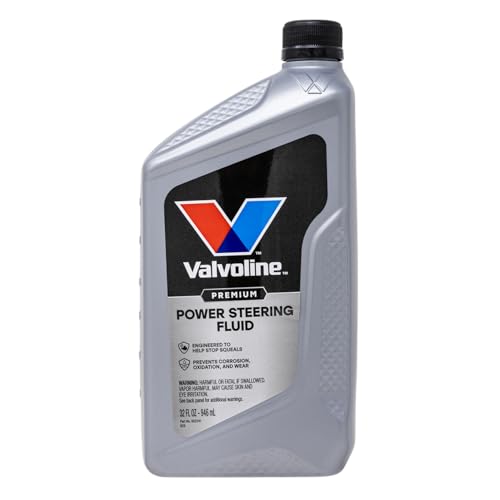
Valvoline Power Steering Fluid, Maintains Performance & Condition, Prevents Squealing, Inhibits Wear & Oxidation, Meets GM 1050017, Chrysler 5931 & Ford M2C195-A, 32oz
- Application: Auto and truck maintenance
- Country of origin: Made in the United States
- Brand: Valvoline
As an affiliate, we earn on qualifying purchases.
As an affiliate, we earn on qualifying purchases.