
Adding sound deadening transforms your daily driver by making it feel quieter, more solid, and less rattly. It reduces road and engine noise, creating a more refined and relaxed atmosphere. Vibrations and echoes are minimized, which enhances comfort and clarity of conversations and music. You’ll notice less fatigue and distractions, helping you stay focused and safe. As you continue exploring, you’ll discover even more ways it can improve your driving experience.

Get business pricing on garage and car supplies
- Business-only prices and quantity discounts
- Tax-exempt purchasing
- Multiple users, one account, clear invoices
Key Takeaways
- Significantly reduces road, engine, and vibration noise for a quieter, more peaceful cabin environment.
- Enhances audio clarity of music, conversations, and alerts, enriching the overall driving experience.
- Improves insulation and reduces rattles, creating a more solid, stable, and comfortable ride.
- Decreases external distractions, allowing better focus and safer driving conditions.
- Elevates the perceived quality and refinement of the vehicle, making daily drives more enjoyable.
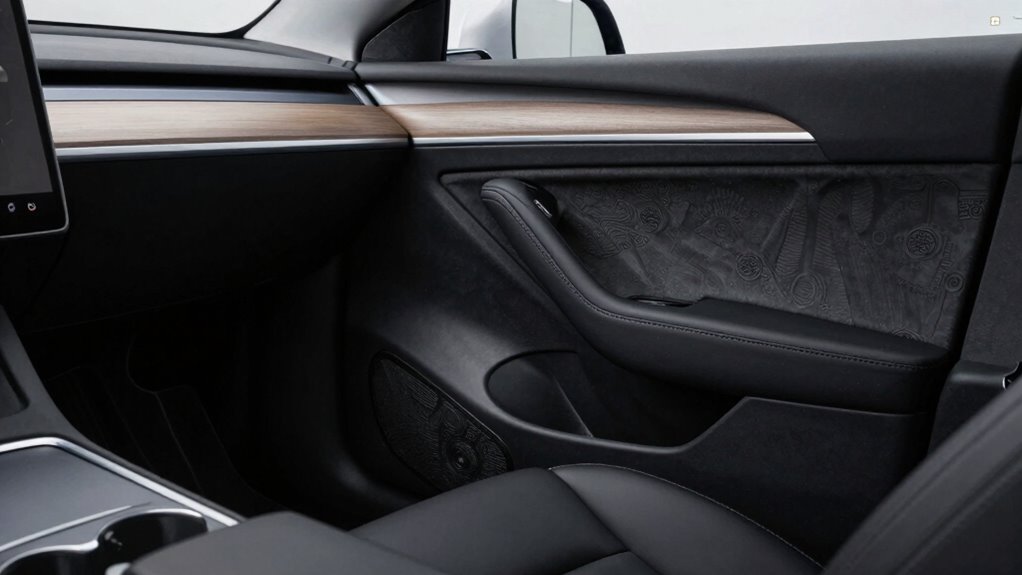
If you spend a lot of time behind the wheel, you’ve probably noticed how road noise, engine sounds, and vibrations can turn your daily drive into an uncomfortable experience. These sounds not only distract you but also contribute to noise pollution inside your vehicle, making it harder to relax or focus on the road. That’s where sound deadening comes in, transforming your driving environment by improving interior acoustics and reducing unwanted noise.
By adding sound deadening materials, you create a quieter, more peaceful space inside your car. This isn’t just about muffling engine noise; it’s about controlling the entire soundscape. Road vibrations that echo through the cabin can be minimized, making your ride feel smoother and less fatiguing. When noise pollution drops, your brain isn’t working overtime to filter out constant disturbances, so you stay more alert and less stressed during long commutes or daily errands.
The effect on interior acoustics is immediate and noticeable. Instead of hearing the hum of tires on asphalt or the whine of your engine, you experience a cleaner, more balanced sound environment. This doesn’t mean losing all sound—music, conversations, and alerts are clearer and more enjoyable. You get a richer, more refined auditory experience, which can make even mundane drives feel a bit more special. Proper installation of sound deadening can also help in reducing rattles, further enhancing the overall comfort of your vehicle.
Sound deadening also enhances comfort by reducing vibrations that travel through the vehicle’s structure. These vibrations can cause rattles and squeaks, further diminishing your driving pleasure. When you insulate your cabin properly, you feel a significant difference—less rattling, less echo, and a more solid, insulated feel to your vehicle. This improvement in overall comfort encourages longer, more relaxed drives without the fatigue caused by constant background noise.
Moreover, reducing noise pollution inside your car isn’t just about comfort; it can also improve safety. With less distraction from external sounds, you can better hear important signals, sirens, or other vehicles. Plus, a quieter cabin helps you concentrate, making your driving experience safer and more enjoyable. Installing sound deadening materials might seem like a small upgrade, but it fundamentally changes how your daily driver feels—more refined, calmer, and more pleasant to be in. Once you notice the difference, you’ll wonder how you ever drove without it. Indoor air quality gear can also play a role in creating a more comfortable environment, as controlling humidity and air quality can contribute to overall driving satisfaction.
As an affiliate, we earn on qualifying purchases.
Frequently Asked Questions
How Long Does Sound Deadening Installation Typically Take?
Sound deadening installation usually takes about 2 to 4 hours, depending on your experience and vehicle size. You’ll need various material types like butyl mats or spray-on insulations. Using the right installation tools—such as a roller, scissors, and a spray gun—helps speed up the process and guarantees proper adhesion. If you’re doing it yourself, allocate enough time for thorough prep and proper placement to get the best noise reduction.
Can Sound Deadening Be Removed Easily if Needed?
Yes, sound deadening can be removed if needed. The removal process involves carefully peeling it off and using a solvent or heat to loosen the adhesive residue. You might need a plastic scraper and some adhesive remover to clean the surface thoroughly. Keep in mind, some materials may be more challenging to remove completely, especially if the adhesive has bonded tightly over time. Take your time to avoid damaging your vehicle’s interior.
Does Sound Deadening Affect the Vehicle’s Resale Value?
Sound deadening can slightly affect your vehicle’s resale impact and market value. While many buyers appreciate a quieter ride, some may see added soundproofing as unnecessary or suspect it’s a sign of previous damage. If you remove it properly, it shouldn’t harm your car’s resale value, but poorly done modifications might raise questions or reduce appeal. Overall, the impact depends on how well the sound deadening is installed and perceived.
What Is the Cost Range for Full Sound Deadening?
You’re about to uncover the true cost of transforming your ride. Full sound deadening can range from $200 to over $1,000, depending on material types like mass-loaded vinyl or spray foam, and installation complexity. The acoustic benefits—reduced road noise, better audio clarity—justify the expense. As you consider your options, picture a quieter, more refined driving experience, making the investment worth every penny.
Are There Any Negative Effects of Over-Installing Sound Deadening?
Over-installing sound deadening can have negative effects, such as increasing your vehicle’s weight, which may impact fuel efficiency and handling. It can also trap moisture if not applied properly, leading to rust or corrosion over time. You might find your car less responsive or louder if the material is excessive or poorly installed. To avoid these issues, balance the amount of sound deadening with proper installation techniques and regular maintenance.
As an affiliate, we earn on qualifying purchases.
Conclusion
Adding sound deadening transforms your daily drive, making it calmer and more comfortable. Sure, it’s an investment, but imagine cruising on a quiet highway, your favorite music crystal clear, with no distracting road noise. It’s like upgrading from a noisy, bumpy ride to a peaceful sanctuary on wheels. Once you experience the serenity, you’ll wonder how you ever drove without it. Trust me, the quiet comfort is worth every penny.
car vibration dampening material
As an affiliate, we earn on qualifying purchases.
As an affiliate, we earn on qualifying purchases.
As an affiliate, we earn on qualifying purchases.
Fall Picks
fall essentials
As an affiliate, we earn on qualifying purchases.