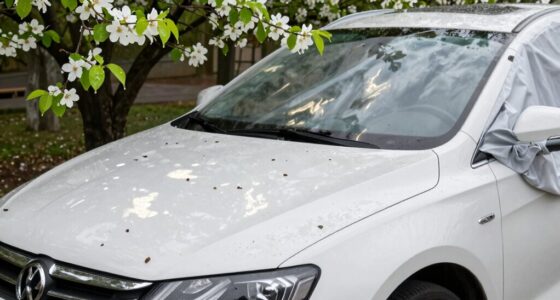
Choosing between ceramic coating and wax depends on your needs. If you want long-lasting protection, a sleek finish, and fewer maintenance efforts, ceramic coating is the better choice. Wax offers a temporary shine and is easier to apply, but needs frequent reapplications. Consider your priorities for durability, appearance, and environmental impact. To find out which option suits you best, explore the details that follow, and get the most out of your vehicle’s paint.
Key Takeaways
- Ceramic coatings offer long-lasting protection and durability, while wax needs frequent reapplication every few months.
- Coatings provide superior UV resistance and environmental protection, helping prevent paint fading and oxidation over years.
- Wax enhances immediate shine with a softer feel but offers limited protection and shorter lifespan.
- Although ceramic coatings have a higher upfront cost, they reduce maintenance and long-term expenses.
- Ceramic coatings are more eco-friendly due to their durability, reducing waste and reapplication frequency.

USANOOKS Microfiber Cleaning Cloth Grey - 12 Pcs (12.5"x12.5") - High Performance - 1200 Washes, Ultra Absorbent Microfiber Towel Weave Grime & Liquid for Streak-Free Mirror Shine - Car Washing Cloth
- High Absorbency Microfiber: Locks in 8-10x its weight in liquids
- Durable 2.5mm Thickness: Resists lint, scratches, and shedding
- Long-Lasting Use: Over 1200 washes for extended durability
As an affiliate, we earn on qualifying purchases.
Composition and Application Process
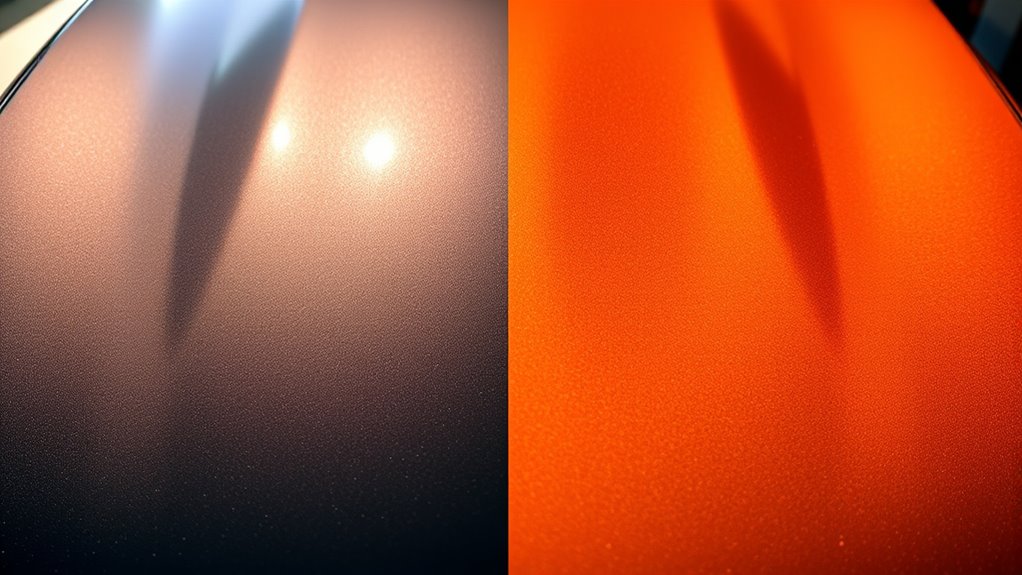
Ceramic coatings and wax differ markedly in their composition and how they’re applied. When it comes to paint protection, understanding these differences helps you choose the right option. Ceramic coatings are made of advanced chemical polymers, creating a hard, durable layer on your vehicle’s surface. They require thorough surface preparation, including cleaning and decontamination, to guarantee maximum adhesion. Wax, on the other hand, is usually made from natural or synthetic carnauba and other oils, and it’s applied as a softer, paste-like substance. Wax doesn’t need as much surface preparation, but it offers less protection and longevity. The application process for ceramic coatings involves precise, often professional, steps, while waxing is simpler and can be done at home. Durability and longevity are key factors to consider when choosing between these options. Additionally, surface preparation plays a critical role in ensuring the effectiveness of the coating or wax.

HOMEXCEL Microfiber Cleaning Cloth 12 Pack, 12.5 x 12.5 inch Microfiber Towels for Cars, Ultra Absorbent Washing Cloth, Lint Free Streak Free Cleaning Rags for Car, Kitchen, and Window (Grey)
- High Water Absorption: Excellent at absorbing dirt and liquids
- Gentle on Surfaces: Soft fabric prevents scratches and damage
- Fast Drying: Quickly absorbs water for streak-free drying
As an affiliate, we earn on qualifying purchases.
Durability and Longevity
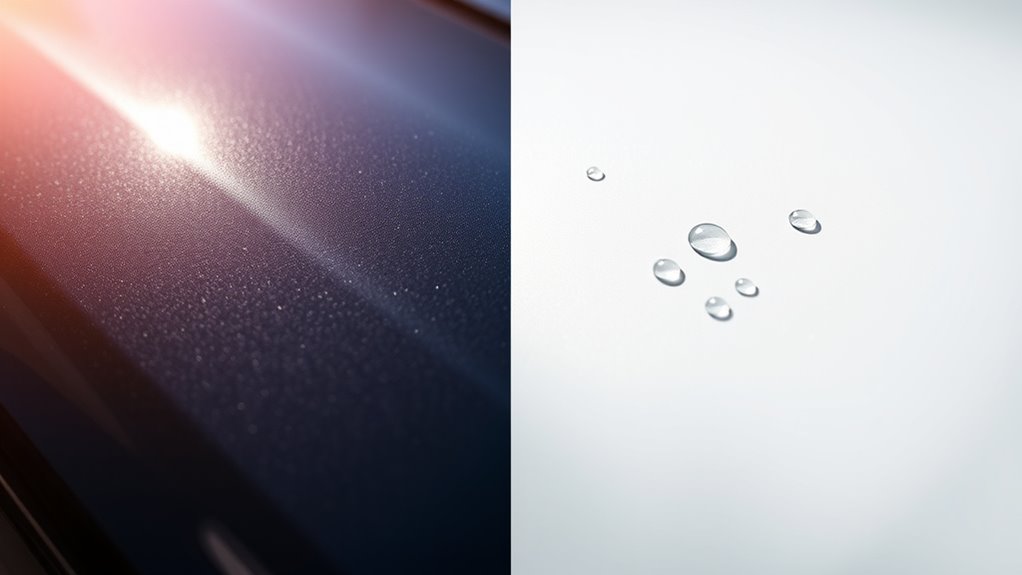
While waxing provides a decent shine and some initial protection, it typically doesn’t last very long, often needing reapplication every few months. Wax offers surface protection against minor scratches and dirt, but its durability is limited. It also provides some UV resistance, helping prevent paint oxidation, yet this protection diminishes quickly with exposure to sunlight. Proper application techniques can also influence how well a wax adheres and performs. Ceramic coatings, on the other hand, excel in durability and longevity. They form a hard, protective layer that withstands harsh conditions, including UV rays, chemicals, and environmental contaminants. This lasting surface protection can endure several years with minimal maintenance. If you’re seeking long-term UV resistance and a more durable shield for your car’s paint, ceramic coating is the better choice. Wax may be suitable for short-term needs or aesthetic touch-ups. Additionally, understanding coating adhesion can help ensure the longevity of your protective layer, especially since proper surface preparation enhances bonding strength. Proper Surface preparation is crucial to maximize the effectiveness of either coating type and ensure optimal durability, as it influences the overall protective performance.

Amazon Basics Microfiber Car Drying Towels, Highly Absorbent, Lint Free, Scratch Free, Ultra-Soft, Car Detailing, Buffing and Polishing, 16" x 16", Yellow, 12-Pack
- Pack Size: 12 towels per pack
- Towel Dimensions: 16 x 16 inches
- Design: Double-sided microfiber
As an affiliate, we earn on qualifying purchases.
Appearance and Shine Enhancement
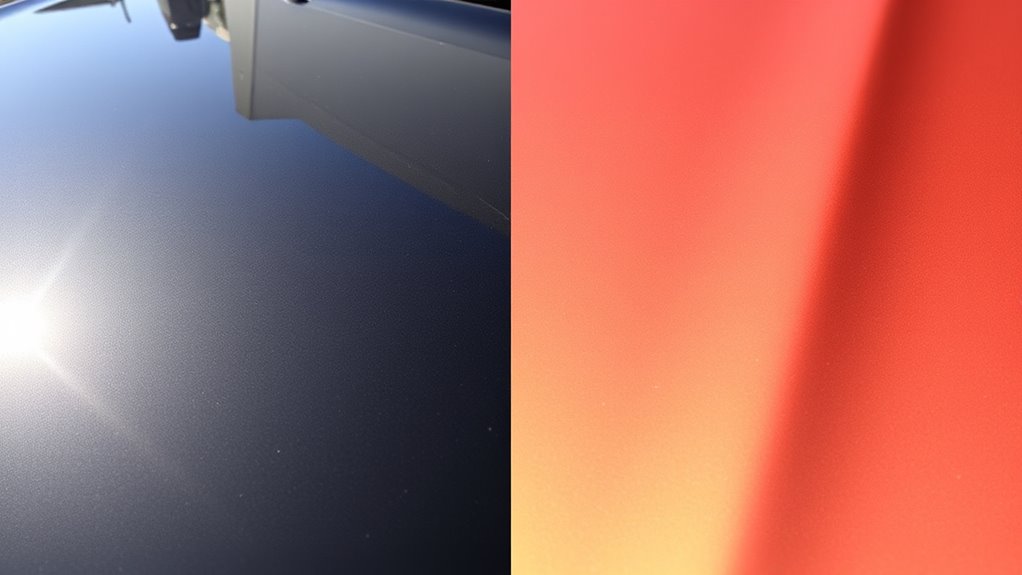
When it comes to enhancing your car’s appearance, the shine and depth of the finish play a significant role. A good wax boosts your vehicle’s gloss instantly, giving it a warm, reflective glow. It often comes in various color options, allowing you to choose a shade that complements your car’s look. Ceramic coatings, on the other hand, provide a sleek, glass-like finish that enhances color vibrancy and depth. You’ll notice texture variations too; wax leaves a slightly softer, more matte feel, while ceramic coatings create a smooth, almost slick surface. Both improve your car’s visual appeal, but ceramic coatings tend to deliver a more permanent, striking shine that intensifies your vehicle’s overall appearance.

10PCS Car Detailing Cleaning Kit Interior Cleaner, Car Detailing Brushes, Car Duster, Car Cleaning Gel, Microfiber Cleaning Cloth, Car Accessories Essentials Supplies Tools for Auto,Truck, Interior
- Complete Car Detailing Kit: Includes brushes, towels, gel, duster, organizer
- Specialized Detailing Brushes: Different brushes for specific car areas
- Versatile Cleaning Tools: Brushes for interior, exterior, wheels
As an affiliate, we earn on qualifying purchases.
Maintenance and Reapplication Needs

Maintaining your vehicle’s appearance requires understanding the reapplication needs of each coating type. Ceramic coatings generally offer longer-lasting protection, often lasting several years, but their application complexity means you might need professional help for proper reapplication. Long-lasting protection can be a significant advantage for those seeking durability. Wax, on the other hand, requires more frequent reapplications—every few months—making maintenance simpler but more time-consuming. The price variability between the two can be significant; professional ceramic coating services tend to be costly upfront, but reduce reapplication frequency, whereas wax is cheaper initially but demands regular upkeep. If you prefer a low-maintenance solution, ceramic coating might be better, but if you’re comfortable with routine care, wax could suit your needs. Additionally, vacuum features to consider, such as ease of cleaning and maintenance, can influence your overall satisfaction with your vehicle’s appearance. Understanding the UV protection offered by each option can help prevent paint fading and damage over time, further informing your choice. Furthermore, researching customer reviews and expert opinions can provide insight into long-term performance and satisfaction levels of each product. Moreover, considering application process differences can help you evaluate the best option based on your skill level and available time. Ultimately, understanding these reapplication differences helps you choose what fits your schedule and budget.
Cost Considerations and Value
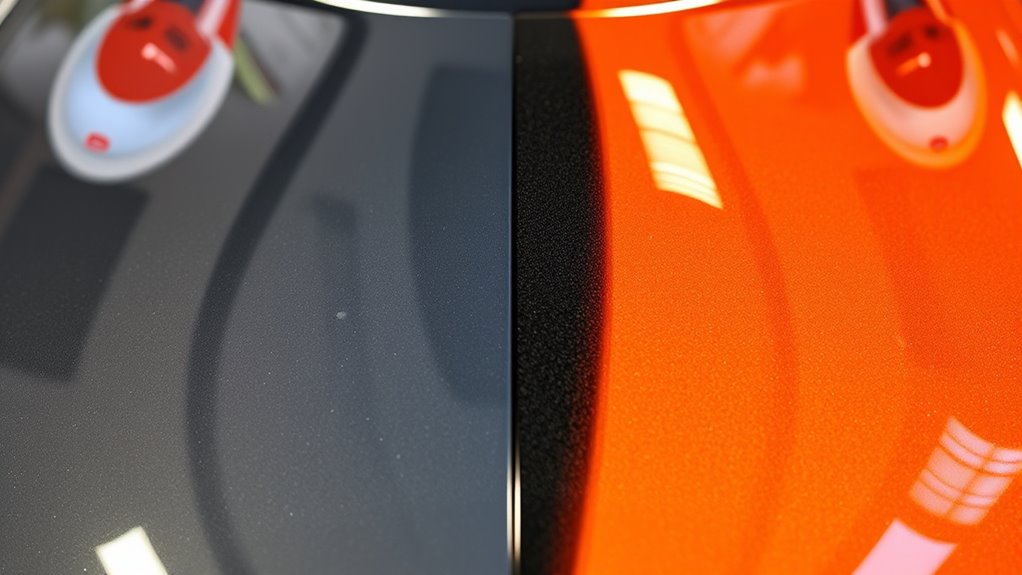
When comparing ceramic coating and wax, you’ll notice a difference in initial costs. While ceramic coatings often require a bigger upfront investment, they can save you money over time through reduced reapplications. Considering long-term value helps you decide which option fits your budget and needs best. Additionally, durability and protective qualities such as longevity and resistance to environmental factors can influence the overall value and effectiveness of each coating type. A professional application can significantly impact the coating’s performance and lifespan, ensuring you get the best protective benefits. Application process quality also plays a crucial role in ensuring maximum protection and performance of the coating. Moreover, understanding the key traits of successful professionals involved in application can help ensure the best results for your investment.
Initial Investment Differences
Initially, ceramic coatings often require a higher upfront investment compared to traditional waxes. This cost reflects their superior paint protection and durable surface bonding, which help safeguard your car’s paint over time. While waxes are more affordable initially, they typically need frequent reapplications, increasing maintenance costs. Ceramic coatings, though more expensive initially, form a long-lasting barrier that reduces the need for repeated treatments. This initial investment may seem significant, but it offers enhanced surface bonding that ensures consistent protection and a glossy finish. If you’re looking for strong, lasting paint protection and are willing to invest upfront, ceramic coatings provide better long-term value through their durability and reduced maintenance needs.
Long-term Cost Benefits
Although ceramic coatings require a higher upfront investment, they often deliver better long-term value by reducing ongoing maintenance costs. With superior paint protection, ceramic coatings shield your car from UV rays, chemical stains, and minor scratches, helping preserve the vehicle’s aesthetic appeal over time. This advanced technology also incorporates modern protective formulas that enhance durability beyond traditional waxes. These formulas contain nanoparticles that form a strong, resilient bond with the paint surface, providing increased protection. This durability means you won’t need frequent waxing or polishing, saving you money and effort. Additionally, the long-lasting protection offered by ceramic coatings minimizes the need for frequent reapplications, which can be costly and time-consuming. Over time, UV resistance helps prevent paint fading and oxidation, extending the lifespan of your vehicle’s finish. Regular maintenance of the coating can also be simplified with easy cleaning routines, reducing the time spent on upkeep. Wax may be cheaper initially, but it wears off quickly, requiring regular reapplication, which adds up. Over the years, ceramic coatings can lower your total maintenance expenses while maintaining a sleek, glossy look. Ultimately, investing in a ceramic coating provides better long-term cost benefits, ensuring your car stays protected and attractive without constant upkeep.
Environmental Impact and Protective Capabilities

Ceramic coatings generally offer superior environmental protection compared to wax. They are more eco-friendly because they last longer, reducing the need for frequent reapplication and minimizing waste. Unlike wax, which can contain biodegradable solvents and chemicals that may harm the environment, ceramic coatings are often formulated with environmentally conscious ingredients. While wax is biodegradable, its short lifespan means you’ll use more product over time, increasing your ecological footprint. Ceramic coatings create a durable, protective barrier that shields your car’s paint from UV rays, pollutants, and scratches, helping preserve the vehicle’s appearance with less maintenance. Additionally, innovative tools in ceramic coating formulations are designed to be more sustainable and environmentally friendly. This combination of long-lasting protection and reduced chemical use makes ceramic coatings a better choice for environmentally conscious car owners.
Frequently Asked Questions
Can Ceramic Coating Be Applied Over Existing Wax?
Yes, ceramic coating can be applied over existing wax, but you need to consider application compatibility. First, ensure the wax is thoroughly removed because it can hinder proper bonding. The removal process involves washing and decontaminating your car’s surface to eliminate any residue. Skipping this step can compromise the coating’s durability. Proper preparation guarantees the ceramic coating adheres well, providing maximum protection and a glossy finish.
Which Option Offers Better UV Protection for My Car?
Ceramic coating offers better UV protection and durability than wax. It forms a hard, protective layer that shields your car’s paint from harmful UV rays, preventing fading and oxidation over time. Wax, while giving a nice shine initially, dissolves faster and provides less lasting UV protection. If you want long-term protection and durability, ceramic coating is the smarter choice to keep your car looking fresh and vibrant.
Is Ceramic Coating More Resistant to Chemical Stains Than Wax?
Yes, ceramic coating is more resistant to chemical stains than wax. It provides better chemical resistance, making it highly effective at stain prevention from acids, bird droppings, and other contaminants. Wax, on the other hand, offers limited protection and can wear off faster, leaving your car’s paint vulnerable. If you’re seeking long-lasting defense against chemical stains, ceramic coating is the superior choice for your vehicle.
How Does Each Option Affect Paint Repair or Polishing?
Think of your car’s paint as a delicate canvas awaiting its masterpiece. With ceramic coating, you create a tough shield that minimizes scratches during paint restoration, making polishing smoother. Wax, like a soft blanket, offers some protection but can hinder surface preparation, risking minor imperfections. Ultimately, ceramic coating’s durability supports easier paint repair, while wax’s gentle touch requires more careful surface prep to avoid compromising your car’s finish.
Can I Switch From Wax to Ceramic Coating Later?
Yes, you can switch from wax to ceramic coating later, but keep in mind application flexibility and cost considerations. Wax is easier to apply and remove, making the switch straightforward. However, ceramic coatings require professional prep and are more expensive initially. Moving involves removing existing wax first, then applying the coating properly. Weigh the cost against long-term benefits to decide if switching aligns with your car care goals.
Conclusion
Choosing between ceramic coating and wax is like picking between a tough suit of armor and a shiny, delicate jewelry piece. If you want long-lasting protection and a sleek look, ceramic coating is your best bet. But if you prefer a quick shine and easy reapplication, wax might suit you better. Consider your needs, budget, and how much effort you’re willing to put in—either way, your car will thank you with a stunning, protected finish.