
If you want quick, easy application and a natural, warm shine, car wax is a great choice, especially for casual use. For longer-lasting protection, superior UV resistance, and a sleek, glossy look, paint sealant is better, though it takes more effort to apply. Your decision depends on whether you prioritize convenience or durability. To discover which option suits your needs best and get expert tips, keep exploring what each offers.
Key Takeaways
- Choose wax for quick, easy application and a natural, warm shine; opt for sealant for longer-lasting, high-gloss protection.
- Sealants typically last 6-12 months and offer superior UV and environmental resistance compared to wax.
- Wax is eco-friendly, biodegradable, and ideal for casual users seeking a softer, traditional finish.
- Sealants provide more durable protection against dirt, grime, and environmental elements, reducing maintenance frequency.
- Consider climate and maintenance needs; sealants are more cost-effective over time due to longevity and superior protective qualities.
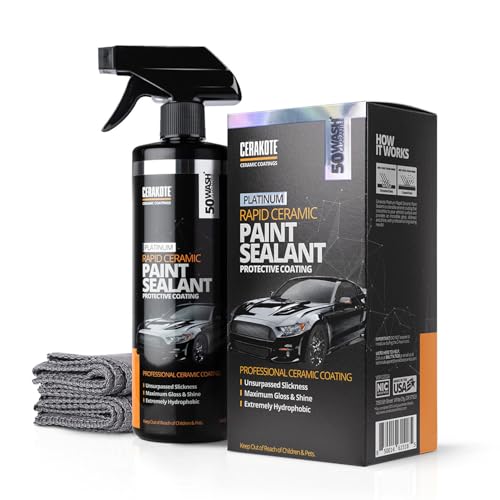
CERAKOTE® Rapid Ceramic Paint Sealant Spray for Cars, 14 oz kit
- Maximum Gloss & Shine: Mirror-like finish for clean paint
- 50-Wash Durability: Long-lasting ceramic protection
- Easy to Apply: Quick, even coating with buffing
As an affiliate, we earn on qualifying purchases.
As an affiliate, we earn on qualifying purchases.
Understanding the Composition of Car Wax and Paint Sealant
To understand the differences between car wax and paint sealant, it is *essential* to examine their compositions. Car wax often contains natural ingredients like beeswax or carnauba, which deliver a warm, classic shine. These natural components are biodegradable and generally have a lower environmental impact, making them an eco-friendly choice. In contrast, paint sealants are synthetic formulas made from polymers and resins, designed for durability and protection. While they may not contain natural ingredients, they typically offer longer-lasting results. However, their production and disposal can have a greater environmental impact due to chemicals involved. Knowing these fundamental differences helps you choose a product that aligns with your values and maintenance needs, balancing effectiveness with eco-consciousness. Additionally, **environmental impact** considerations are increasingly influencing consumer choices in car care products. Understanding the composition differences can help you make informed decisions based on your priorities for sustainability and performance. Furthermore, advancements in eco-friendly formulas are making it easier to find options that combine durability with environmental responsibility.

Turtle Wax 50834 1-Step Wax and Dry, Quick and Easiest Step to High Shine, for Cars, Trucks, Motorcycles and RVs, 26 oz. Double Pack with Microfiber Towel
- Easy High Gloss Shine: Wash, spray, and dry for a glossy finish
- Fast Application: Achieves shine and protection quickly
- Long-Lasting Protection: Protects between washes with carnauba wax and polymers
As an affiliate, we earn on qualifying purchases.
As an affiliate, we earn on qualifying purchases.
Application Process and Ease of Use
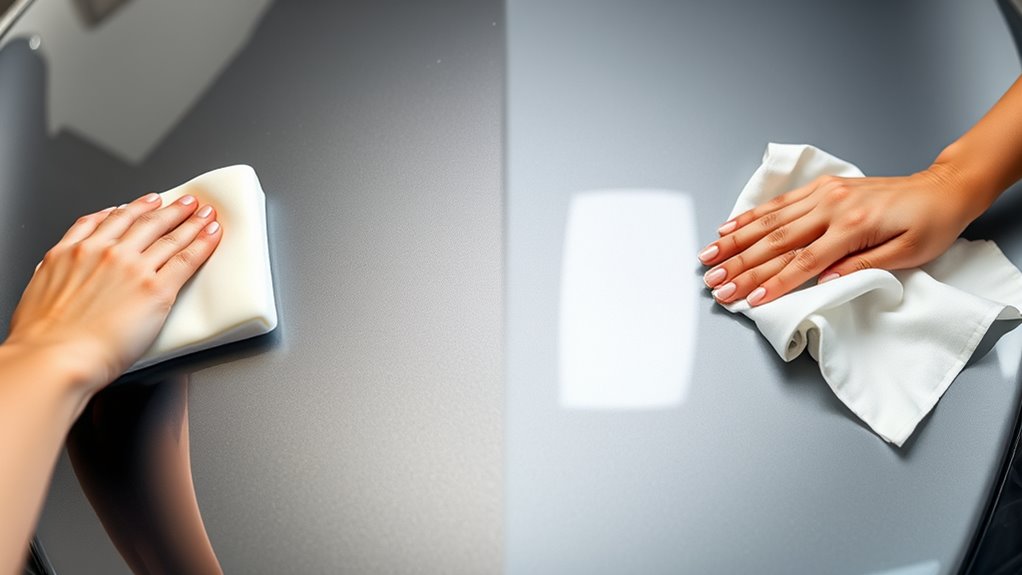
Applying car wax or paint sealant is generally straightforward, but their processes differ in complexity and time investment. With car wax, the application method often involves applying a thin layer with a cloth or applicator pad, then buffing it off after a few minutes. It’s user friendly, especially for beginners, because it’s forgiving and easy to work with. Paint sealants, on the other hand, usually require a more precise application, often using a foam or microfiber applicator. They tend to take longer to apply and cure, but many users find them equally manageable with proper technique. Overall, wax offers quicker and simpler application, making it more approachable for casual users, while sealants might demand a little more attention but still remain user friendly with practice. Additionally, understanding application techniques can help you achieve a professional look regardless of which product you choose. Proper surface preparation and product compatibility are also crucial for the best results. Using proper equipment maintenance can ensure the longevity of your chosen product and a flawless finish. Being aware of application timing is also key to optimizing the results of either product, especially since product curing times can vary significantly.
CERAKOTE® Rapid Ceramic Paint Sealant Spray for Cars, 14 oz kit
- Maximum Gloss & Shine: Mirror-like finish for clean paint
- 50-Wash Durability: Long-lasting ceramic protection
- Easy to Apply: Quick, even coating with buffing
As an affiliate, we earn on qualifying purchases.
As an affiliate, we earn on qualifying purchases.
Durability and Longevity of Protective Coatings
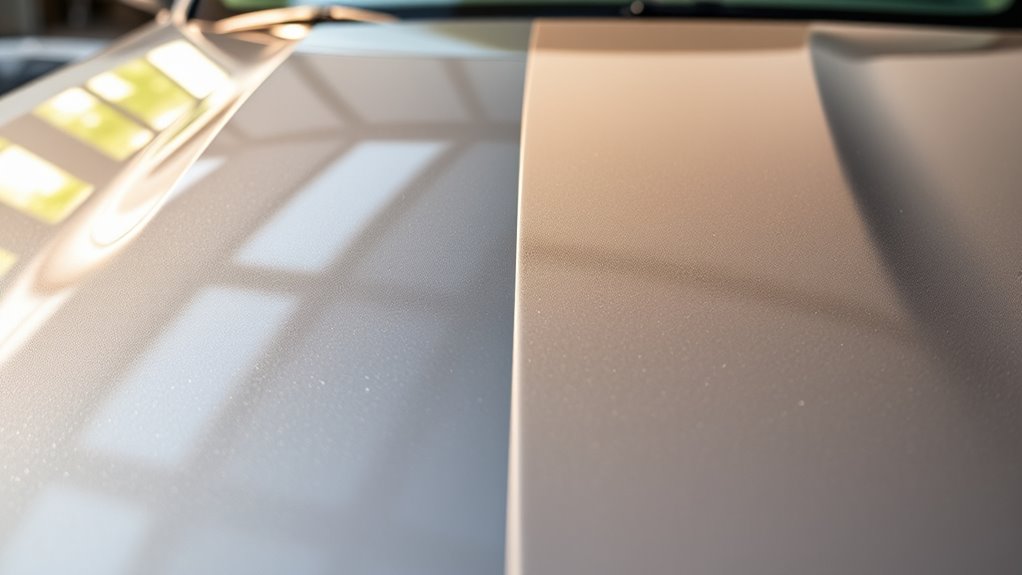
When it comes to durability and longevity, paint sealants generally outperform car wax because they form a stronger, more resilient barrier on your vehicle’s surface. Sealants typically last longer, often 6-12 months, compared to wax’s 4-8 weeks. They excel in providing superior UV protection, preventing paint fading and oxidation over time. Additionally, sealants enhance water repellency, helping to shed water and reduce spots and corrosion. Their chemical composition creates a more durable shield against environmental contaminants, such as dirt, bird droppings, and road grime. durability and longevity are key factors to consider when choosing a protective coating for your vehicle, especially given the protective barrier benefits that sealants offer against harsh environmental elements. Understanding how these coatings interact with environmental factors and the chemical composition can help you choose the right product for your needs. Moreover, proper application and maintenance are essential to maximize their performance and lifespan.

Chemical Guys EcoSmart Waterless Car Wash & Wax, Ready to Use, 16 fl oz
- Waterless Car Wash System: Cleans, shines, and protects without water
- Brilliant Shine: Deep warm glow with Brazilian carnauba wax
- Eco-Friendly Formula: Natural carnauba emulsion with lubricants and gloss enhancers
As an affiliate, we earn on qualifying purchases.
As an affiliate, we earn on qualifying purchases.
Visual Appearance and Shine Enhancement
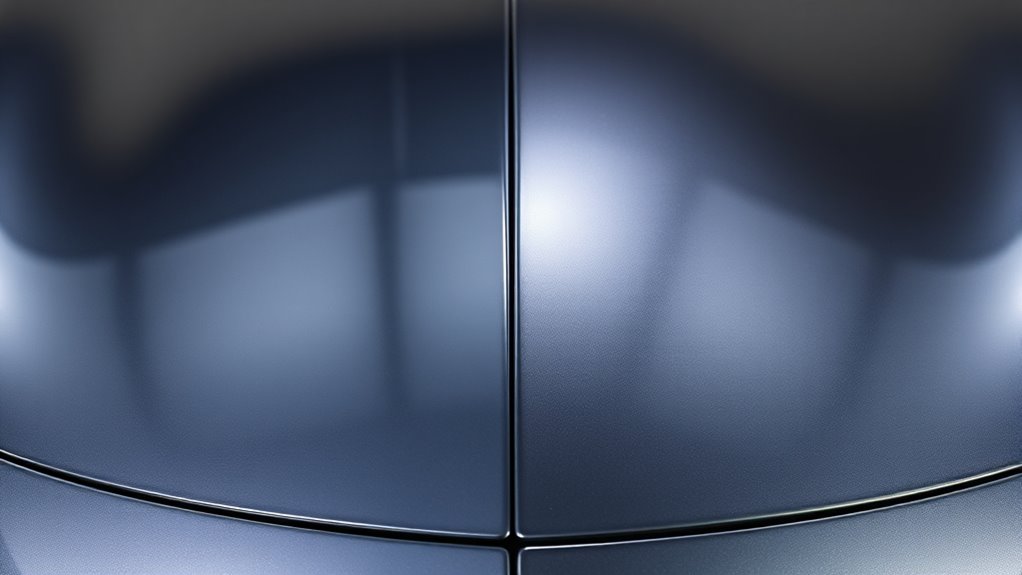
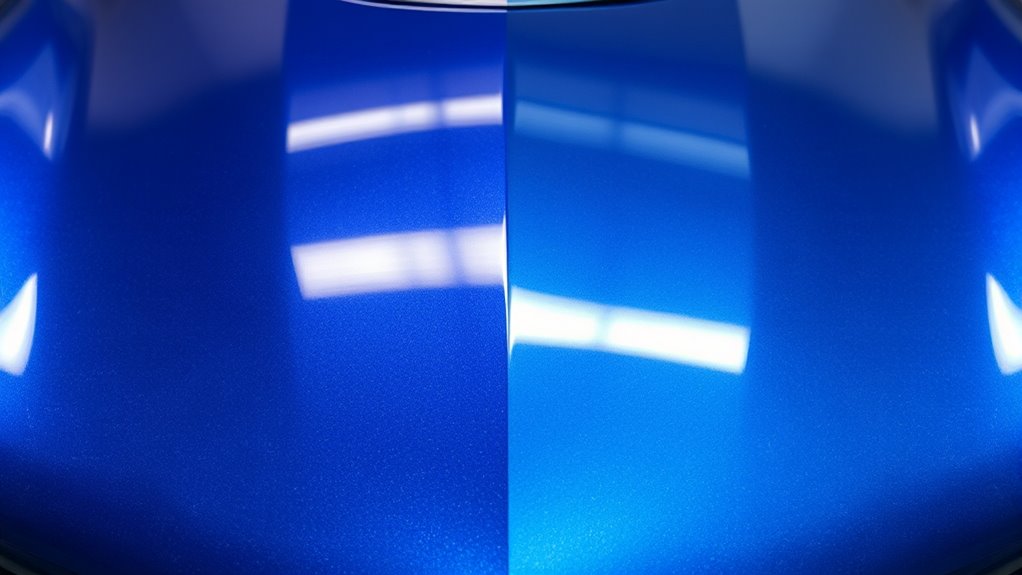
Paint sealants typically deliver a deeper, more vibrant shine compared to car wax because of their advanced chemical formulations. They enhance your vehicle’s color, making it look richer and more polished. The reflective qualities of sealants create a sleek, glossy finish that captures light effectively. Additionally, they offer superior UV protection, helping maintain your paint’s brightness and preventing fading over time. UV protection is especially important for preserving your vehicle’s appearance in harsh sunlight. Car wax provides a warm, natural glow, but it often results in a softer, less intense shine. If your goal is a striking, long-lasting visual impact, a paint sealant is your best choice. It not only boosts color enhancement but also guards against sun damage, ensuring your vehicle looks great for longer. Incorporating chemical formulations can further improve durability and shine longevity. For added protection, some formulations include nanotechnology to create a more resilient barrier against environmental contaminants.
Cost Considerations and Maintenance Needs
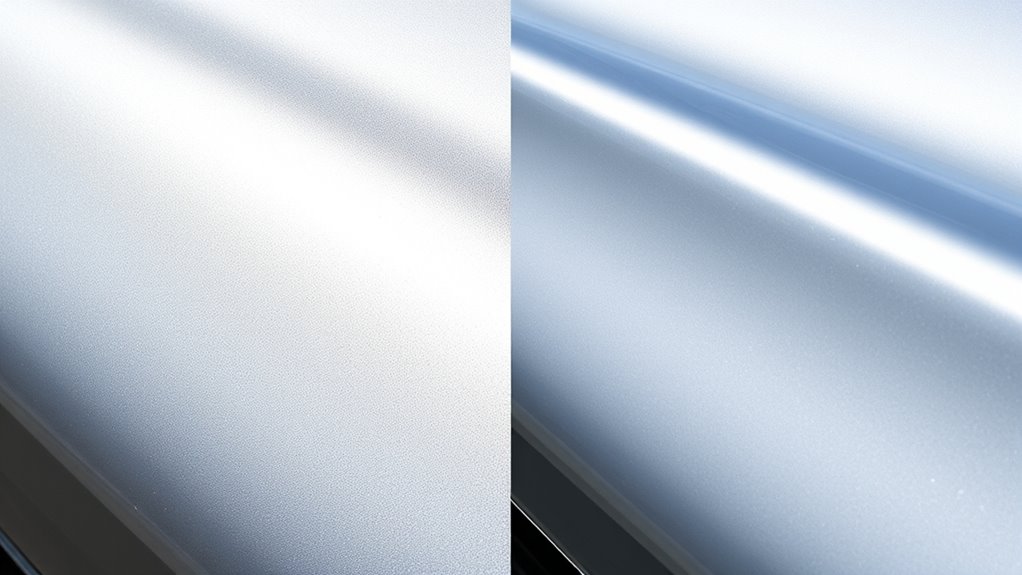
Although paint sealants often cost more upfront than car wax, they tend to offer better long-term value because of their durability and lower maintenance frequency. The cost comparison favors sealants over time, as they typically last several months longer. You’ll spend less on reapplication and upkeep, saving both time and money. Keep in mind, paint sealants often require less frequent washing and polishing to maintain their protective qualities. To help you decide, consider these points:
- Initial purchase price
- Frequency of reapplication
- Longevity of protection
- Cost of professional versus DIY application
- Overall maintenance effort and expenses
Additionally, smart coating technology has advanced, providing more durable options that can further enhance your vehicle’s protection and reduce ongoing care. Proper application techniques and understanding the different types of protective coatings can also impact your long-term results and satisfaction. Moreover, choosing a coating with extended durability can significantly reduce your maintenance efforts over time. The development of advanced protective materials continues to improve the performance and lifespan of these coatings, making them a more attractive investment for vehicle owners. For example, innovations in nanotechnology are now being incorporated into protective products, offering even greater resilience against environmental factors.
Which Option Is Best for Your Car?
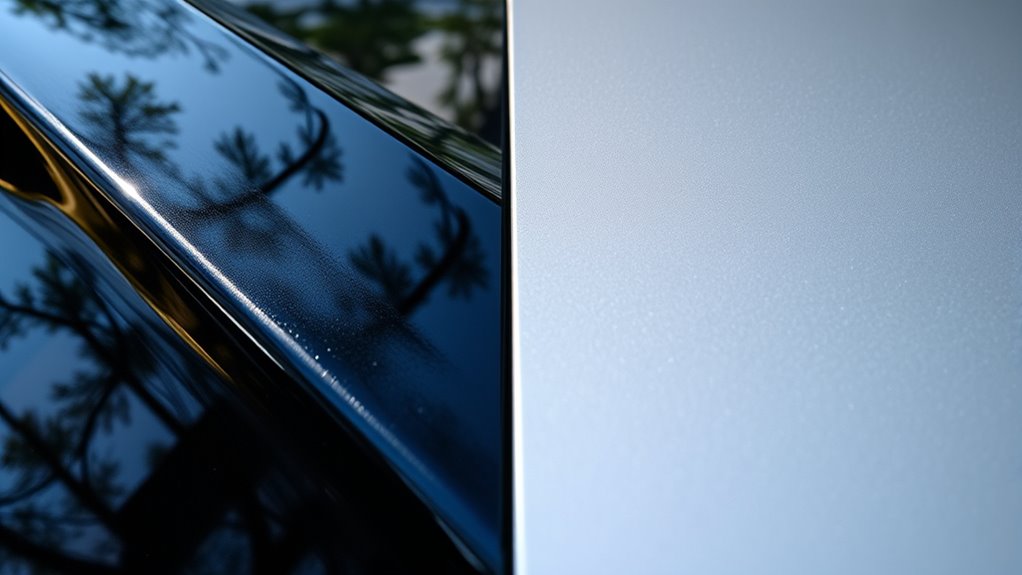
Choosing between car wax and paint sealant depends on your specific needs and priorities. If you prefer a natural shine and easier application, wax might suit you best. For longer-lasting protection and superior gloss, sealant is a better choice. Consider how often you’ll do interior cleaning or apply tire dressing, as these tasks can affect your car’s appearance. Sealants resist UV rays and environmental damage longer, reducing maintenance. Wax provides a quick, attractive finish but requires reapplication more often. Here’s a quick comparison: family photoshoot fails Durability, shine, and maintenance needs vary significantly between the two options, making it important to select the right product for your desired results and lifestyle. Additionally, understanding protective qualities and the importance of proper application techniques can help you achieve optimal results with whichever product you choose. Recognizing environmental resistance can guide you in selecting a product that best suits your climate and driving conditions. Moreover, considering the chemical composition of each product can impact how well they perform in different weather conditions and exposure levels.
Frequently Asked Questions
Can Car Wax and Paint Sealant Be Used Together Effectively?
Yes, you can use car wax and paint sealant together effectively. Just guarantee product compatibility before layering them. Apply the paint sealant first for long-lasting protection, then add a wax layer for extra shine. Use proper layering techniques by waiting for each layer to cure before applying the next. This combo enhances gloss and durability, giving your car a superior finish with ideal protection.
How Do Weather Conditions Affect the Application of Each Product?
Weather impact considerably affects the application of car wax and paint sealant. Humidity and high temperatures can cause application challenges, making products dry too quickly or not adhere properly. Conversely, cold or damp conditions hinder proper curing and bonding. To guarantee a smooth application, choose a day with moderate, dry weather, and avoid extreme heat or cold. Proper timing improves durability and finish for both wax and sealant.
Are There Specific Car Paint Types Better Suited for Wax or Sealant?
Did you know that over 75% of car owners prefer products tailored to their paint type? For your vehicle, you’ll find that soft or older paints benefit from wax, which enhances finish and adds depth. Meanwhile, newer, harder paints often respond better to sealants, providing longer-lasting protection and superior shine. Always check your paint compatibility to confirm the product enhances your finish and keeps your car looking its best.
What Are the Environmental Impacts of Using Wax Versus Sealant?
You should consider that waxes often contain eco-friendly ingredients and are generally biodegradable, making them a better choice environmentally. Sealants may contain synthetic chemicals that raise biodegradability concerns and can have a higher environmental impact during production and disposal. By choosing natural waxes, you reduce your carbon footprint and support sustainable practices, whereas sealants might pose more ecological risks due to their chemical composition.
How Often Should Each Product Be Reapplied for Optimal Protection?
Imagine you applied wax on your car’s paint last spring, and now it’s time for a refresh. Typically, you should reapply wax every 4-6 weeks for maximum protection, while a paint sealant lasts about 6-12 months due to its durability comparison. Regular application frequency ensures your vehicle stays protected, shiny, and well-maintained. Keep an eye on weather conditions and your car’s appearance to determine when it’s time for the next layer.
Conclusion
Choosing between car wax and paint sealant is like picking the right armor for your vehicle. If you want a warm, natural glow and don’t mind reapplying often, wax is your go-to. For longer-lasting protection and a sleek shine, sealant is the better choice. Consider your needs, budget, and how much effort you’re willing to put in. Either way, you’ll keep your car looking stunning, like a gem shining under the sun.