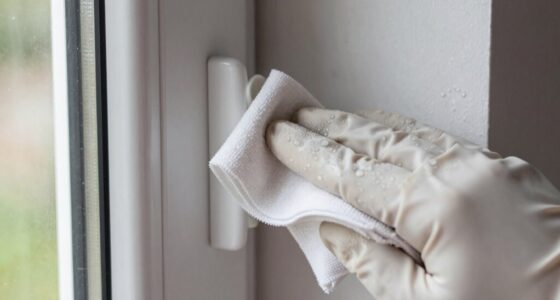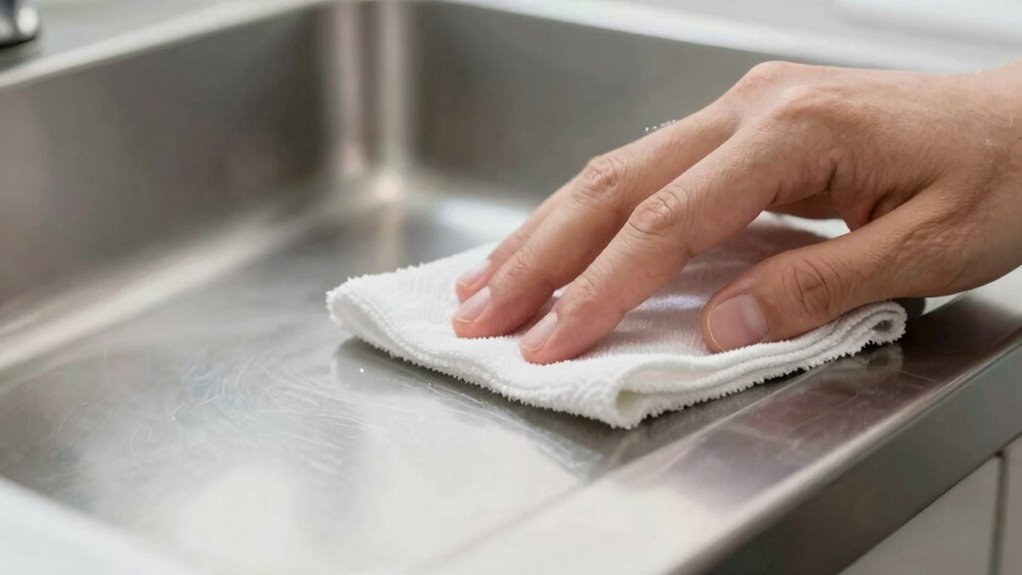

To avoid overusing degreasers on sensitive surfaces, apply only a small amount and spread it evenly with a soft cloth or sponge. Make sure to follow the manufacturer’s instructions for dilution and contact time. Rinse thoroughly to remove any residual chemicals, which can cause damage if left on too long. Testing on a hidden area first helps prevent surprises. If you want to protect your surfaces and learn more tips, keep exploring the best practices.

Get business pricing on garage and car supplies
- Business-only prices and quantity discounts
- Tax-exempt purchasing
- Multiple users, one account, clear invoices
Key Takeaways
- Use the recommended amount of degreaser, avoiding excessive application to prevent chemical buildup and surface damage.
- Always test on a small, hidden area before full application to monitor for adverse reactions.
- Limit contact time by applying and rinsing promptly, preventing prolonged chemical exposure.
- Follow manufacturer instructions for dilution ratios and contact time tailored to sensitive surfaces.
- Rinse thoroughly after cleaning to remove residual chemicals and reduce the risk of deterioration.
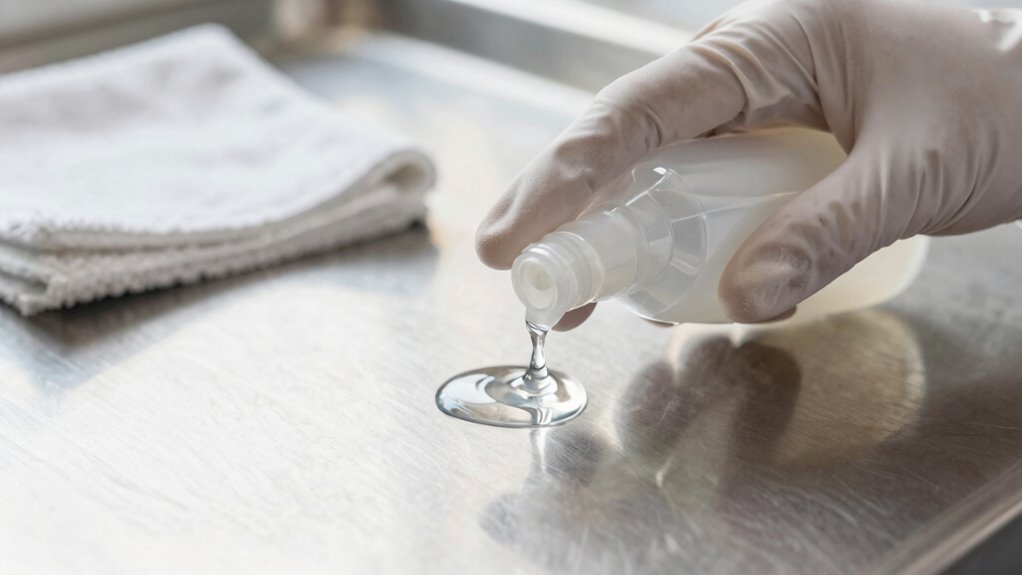
Have you ever noticed how some degreasers can damage delicate surfaces if used excessively? It’s a common problem that often stems from a lack of understanding about chemical reactions and surface compatibility. When you spray or scrub with too much degreaser, especially on sensitive materials like plastics, painted surfaces, or natural stone, you risk triggering chemical reactions that can weaken or discolor the material. Not all surfaces react the same way to cleaning agents, so it’s essential to consider whether the degreaser you’re using is compatible with the surface.
Chemical reactions happen when the active ingredients in a degreaser interact with the material’s surface. Some chemicals may break down grime effectively but also attack the surface itself if used in excess or if the product isn’t formulated for that specific material. For instance, strong alkaline or acidic degreasers might dissolve grease but can also etch or dull delicate surfaces if left on too long or applied too generously. This is why understanding surface compatibility is key—you need to select a product designed for your specific surface type to prevent damage. Additionally, chemical reactions can sometimes produce undesirable residues if not properly rinsed away, further risking surface integrity. Recognizing material sensitivity is crucial for choosing the right cleaning method and avoiding unintended harm. Being aware of surface chemistry can also help you better understand how different materials react to various cleaning agents. Moreover, improper use of degreasers can lead to surface deterioration, which may compromise the longevity of your materials.
Active ingredients in degreasers can damage surfaces if used improperly or on incompatible materials.
To avoid overusing degreasers, start by reading the label carefully. Manufacturers often specify the types of surfaces their products are safe for, along with recommended dilution ratios and contact times. Applying a smaller amount and allowing the degreaser to work can be more effective than pouring on a lot. Use a soft cloth or sponge to spread the product evenly and minimize the risk of concentrated chemical reactions that could harm the surface. Keep in mind that some surfaces, like glass or certain plastics, require gentler cleaning methods altogether.
Another essential tip is to test the degreaser on a small, inconspicuous area first. This quick check can reveal whether the chemical reaction will produce any undesirable effects, such as discoloration or surface etching. If the test spot remains unaffected after a few minutes, you can proceed confidently, but if you notice any change, stop immediately and try a different product or approach. Also, avoid leaving degreasers on the surface longer than necessary. Rinsing thoroughly after cleaning ensures no residual chemicals remain, further reducing the risk of damage. Being aware of surface compatibility is crucial to maintaining the integrity of delicate materials over time.
gentle surface degreaser for delicate materials
As an affiliate, we earn on qualifying purchases.
As an affiliate, we earn on qualifying purchases.
Frequently Asked Questions
Can Degreasers Damage Certain Types of Plastics?
Yes, degreasers can damage certain plastics. They may cause chemical reactions that weaken the material or lead to plastic erosion over time. Some plastics, like polycarbonate or acrylic, are especially vulnerable to harsh chemicals. To avoid damage, always check the degreaser’s label for compatibility, test on a small area first, and opt for gentle, plastic-safe cleaning solutions when working with sensitive surfaces.
Are Natural Degreasers Safer for Sensitive Surfaces?
Yes, natural degreasers are generally safer for sensitive surfaces. They often contain eco-friendly ingredients and chemical alternatives that are less harsh and less likely to cause damage. You should opt for these options to minimize risks and protect delicate materials. Always check product labels and test a small area first, but natural degreasers typically offer a gentler, safer cleaning choice compared to conventional chemical-based cleaners.
How Often Should I Clean Delicate Surfaces With a Degreaser?
A stitch in time saves nine, so you should clean delicate surfaces with a degreaser only when necessary, typically once every few weeks or when visibly dirty. Regular cleaning frequency depends on surface sensitivity and usage. Overdoing it can damage the material, so use gentle methods and natural degreasers when possible. Always observe the surface’s response and adjust your cleaning routine accordingly to prevent wear and maintain longevity.
What Are Signs of Over-Application on Sensitive Materials?
You’ll notice signs of over-application, like discoloration, warping, or a sticky residue, indicating chemical reactions that harm material compatibility. Overusing degreasers can weaken or degrade sensitive surfaces, causing them to become brittle or damaged. If you see peeling or cloudiness, it’s a clear sign you’ve applied too much. Always test in a small area first, and stick to recommended amounts to prevent damaging delicate materials.
Do All Degreasers Require Rinsing After Use?
Not all degreasers require rinsing after use. Some are formulated as no-rinse cleaners, which means you can leave chemical residues behind without harming the surface. However, if you’re using a rinse-required degreaser, you need to rinse thoroughly to remove chemical residues that could cause damage or environmental impact. Always follow the product instructions carefully to prevent overuse and minimize environmental impact, especially on sensitive surfaces.
plastic and glass safe degreaser
As an affiliate, we earn on qualifying purchases.
As an affiliate, we earn on qualifying purchases.
Conclusion
By now, you understand the importance of using degreasers carefully on sensitive surfaces. Overdoing it can cause damage and reduce the lifespan of your materials. So, next time you clean, ask yourself—are you really letting the product do its job, or are you risking harm? Remember, gentle and proper use not only preserves your surfaces but also saves you time and money. Isn’t protecting your belongings worth a little extra caution?
dilutable degreaser for sensitive surfaces
As an affiliate, we earn on qualifying purchases.
As an affiliate, we earn on qualifying purchases.
chemical-resistant soft cleaning cloth
As an affiliate, we earn on qualifying purchases.
As an affiliate, we earn on qualifying purchases.
Fall Picks
fall essentials
As an affiliate, we earn on qualifying purchases.