
If you’re choosing between a diesel and a gas truck for towing and off-road adventures, diesel is generally the better option. It offers higher torque for heavy towing, and its rugged build handles tough terrains better. Diesel engines also burn fuel more efficiently, making long trips more economical. While costs might be higher upfront, the durability pays off over time. To discover what suits your needs best and more insights, keep exploring the details below.
Key Takeaways
- Diesel trucks offer higher torque and towing capacity, making them better suited for heavy loads.
- Diesel engines are more durable and handle prolonged off-road use better than gas engines.
- Gas trucks are generally less expensive upfront and easier to maintain for casual off-road and towing needs.
- Diesel’s fuel efficiency reduces long-term costs, especially when towing heavy or traveling long distances.
- Gas engines may be sufficient for light-duty off-road and towing, but diesel excels in demanding conditions.
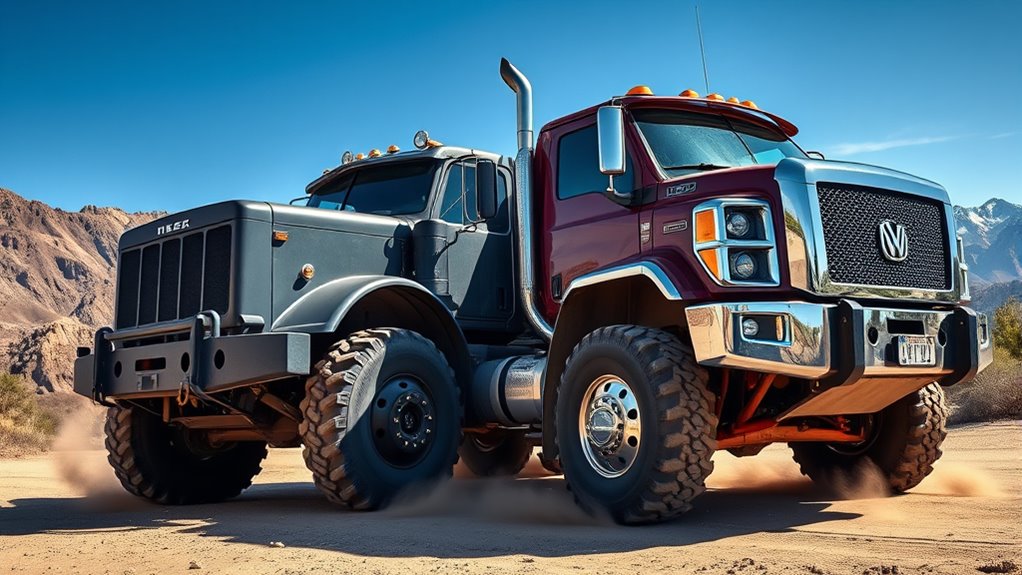
When choosing between a diesel and a gas truck, understanding their key differences can help you make an informed decision. If you plan to do a lot of towing or off-road driving, these distinctions matter because each engine type offers unique advantages. One of the primary factors to contemplate is fuel efficiency. Diesel engines tend to burn fuel more slowly and efficiently, especially under heavy loads. This means that over long distances or when hauling heavy trailers, a diesel truck often delivers better miles per gallon, saving you money on fuel costs in the long run. Gas engines, on the other hand, usually have lower upfront costs and are simpler to maintain, but they tend to consume more fuel under demanding conditions.
Diesel trucks excel in fuel efficiency and towing, while gas trucks offer lower upfront costs and easier maintenance.
Engine durability is another crucial aspect. Diesel engines are built to withstand higher compression ratios, which makes them more durable over time. They are often rated for a higher number of miles before needing major repairs, especially when used for towing or off-road adventures. This robustness makes diesel trucks a popular choice for those who need a reliable workhorse that can handle tough conditions without breaking down frequently. Gas engines, while generally less durable in extreme circumstances, still perform well for light to moderate use, especially if you’re not constantly pushing the limits. They tend to have simpler components, which can result in easier repairs and lower maintenance costs initially, but they might not last as long under heavy-duty use.
When it comes to towing, diesel trucks usually outperform gas-powered ones because of their higher torque output at lower RPMs. This means you get more pulling power, making it easier to tow heavy loads over hills or rough terrain. Additionally, diesel engines maintain their performance better under continuous strain, which is a significant advantage if you regularly tow trailers, boats, or heavy equipment. Off-road, diesel trucks also shine—they often come with features like stronger frames and better cooling systems that help them withstand the rigors of rugged terrains. While gas trucks can handle off-road conditions, they might not provide the same level of durability and torque needed for prolonged, demanding adventures. Furthermore, emissions regulations influence the design and operation of these engines, impacting their long-term performance and environmental footprint.
Ultimately, your choice depends on your specific needs. If fuel efficiency, engine durability, and towing capacity are your priorities, a diesel truck could be the better option. But if you want a truck with lower initial costs and easier maintenance for lighter duties, a gas-powered vehicle might suit you better. Understanding these differences helps you select the right vehicle to match your driving style and workload, ensuring you’re satisfied with your investment for years to come.

Heavy Duty Tow Hooks with Pins for Peterbilt 200-389 Trucks A20-6013
★COMPATIBLE OEM NUMBERS: Cross-references include 670005736, 68300629AA, K05066779AA, and K68300629AA for easy verification.
As an affiliate, we earn on qualifying purchases.
As an affiliate, we earn on qualifying purchases.
Frequently Asked Questions
Which Engine Type Has Lower Maintenance Costs Over Time?
You’ll find that gas engines typically have lower maintenance costs over time because they have greater engine longevity and simpler designs. Repairs are often less expensive due to fewer specialized parts and easier access. Diesel engines, while durable, tend to incur higher repair expenses because their components are more complex and costly to replace. Overall, if minimizing repair expenses is your priority, a gas engine generally proves to be more budget-friendly.
How Do Diesel and Gas Trucks Compare in Fuel Efficiency?
Fuel efficiency varies between diesel and gas trucks, and it’s a tale of two engines. Diesel trucks usually sip fuel more slowly, giving you better fuel consumption and a longer range. In an efficiency comparison, gas engines tend to burn through fuel quicker, especially under heavy loads. If you want to stretch your dollars at the pump, diesel is often the way to go, but consider your driving needs before making a call.
Are Diesel Trucks More Environmentally Friendly Than Gas Trucks?
Diesel trucks are generally less environmentally friendly than gas trucks due to higher emissions, especially nitrogen oxides and particulates. While diesel engines emit more greenhouse gases per mile, their better fuel efficiency can reduce overall carbon footprint. However, the emissions comparison shows that gas trucks produce fewer harmful pollutants. Ultimately, if environmental impact is your priority, gas trucks may be the greener choice, but consider advancements in cleaner diesel technology.
Which Truck Type Offers Better Resale Value?
If you’re considering resale value, a diesel truck generally holds better value over time. For example, a 2018 Ford F-250 diesel retained more of its original price compared to its gas counterpart due to lower depreciation rates. Diesel trucks tend to depreciate slower, making them a smarter investment if resale value matters to you. This stability can offer peace of mind when upgrading or selling your vehicle later.
How Do Initial Purchase Prices Differ Between Diesel and Gas Trucks?
You’ll find that diesel trucks generally have higher initial purchase prices compared to gas trucks due to their comparative durability and robust engine components. Diesel engines tend to be more expensive upfront, partly because of their durability and the advanced technology they use. While diesel trucks often produce a louder engine sound, many drivers accept this for the long-term benefits, like better towing capacity and off-road performance.

Diesel Duramax Decal Truck Off Road Country Southern Decal – Sticker Graphic – Auto, Wall, Laptop, Cell, Truck Sticker for Windows, Cars, Trucks
As an affiliate, we earn on qualifying purchases.
As an affiliate, we earn on qualifying purchases.
Conclusion
Ultimately, choosing between a diesel and gas truck depends on your towing and off-road needs. While diesel offers better torque and fuel efficiency, some worry about higher upfront costs. But think of it this way: the long-term savings on fuel and durability often outweigh the initial expense. So, if you’re tackling tough jobs or rugged terrain regularly, diesel might be your best bet. Don’t let the upfront price scare you—investing now can save you more later.
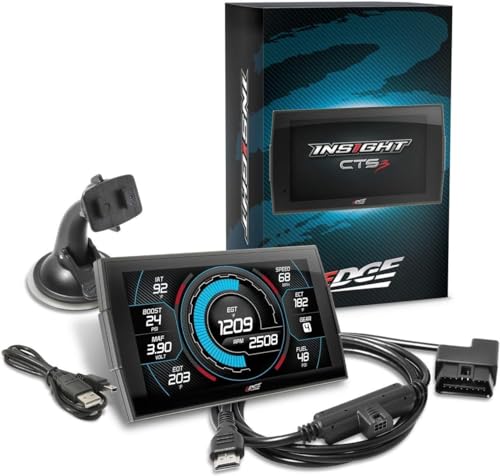
Edge 84130-3 Insight CTS3 Digital Gauge Monitor Diesel & Gas Trucks – 5 Inch Touchscreen OBD2 Performance Monitor Real-Time Engine Data, Transmission Temp, Boost, EGT & Diagnostic Scanner
REAL-TIME ENGINE & TOWING MONITORING – Track critical vehicle data including boost, EGTs, transmission temperature, RPM, fuel pressure,…
As an affiliate, we earn on qualifying purchases.
As an affiliate, we earn on qualifying purchases.

Rough Country Slide-Out Truck Bed Cargo Tray – Organizer for 5'7"+ Beds, Heavy-Duty Polyethylene, UV-Protected, Easy Tailgate Access
Maximize Bed Storage: Optimize your truck bed's space with ample storage for tools, gear, golf clubs, and weekend…
As an affiliate, we earn on qualifying purchases.
As an affiliate, we earn on qualifying purchases.