
Engine knocking and detonation happen when your fuel-air mixture ignites too early, causing a knocking sound and risking engine damage. This often occurs from using low-octane fuel, incorrect ignition timing, or high engine loads. To prevent it, stick to the recommended octane, ensure proper timing, and avoid low-quality fuels. Staying proactive can save your engine from costly repairs—keep exploring to discover more ways to safeguard your vehicle.
Key Takeaways
- Engine knocking is a knocking or pinging sound caused by abnormal combustion within the engine cylinders.
- Using fuel with the appropriate octane rating helps prevent knocking by resisting premature ignition.
- Proper ignition timing, either through calibration or ECU control, reduces the risk of knocking.
- Higher engine loads and elevated temperatures increase susceptibility to knocking; avoid excessive acceleration.
- Regular maintenance and using high-quality fuel are essential to prevent engine damage from knocking and detonation.

Have you ever heard a knocking or pinging sound coming from your engine? That unsettling noise is often a sign of engine knocking or detonation, which can harm your engine if left unchecked. Understanding what causes this problem starts with knowing about fuel octane and ignition timing. Fuel octane is a measure of a fuel’s resistance to knocking; higher octane fuels resist premature combustion better than lower octane options. If your engine requires higher octane fuel but you’re using a lower grade, you’re more likely to experience knocking. Similarly, ignition timing plays a vital role. If your spark plugs fire too early or too late, it can result in uneven combustion, leading to knocking sounds. Proper ignition timing ensures the fuel-air mixture ignites at just the right moment, preventing abnormal combustion.
You might notice knocking more often under specific conditions, like during acceleration or when climbing hills. This is because higher engine loads and increased temperatures make your engine more susceptible to knocking if the settings or fuel quality aren’t ideal. Using fuel with the correct octane rating recommended by your vehicle’s manufacturer can greatly reduce knocking. For most vehicles, regular unleaded fuel works fine, but some high-performance engines demand premium fuel with higher octane. Check your owner’s manual for the recommended octane rating, and don’t cut corners—using the wrong fuel can cause knocking and even long-term damage.
Adjusting ignition timing is equally important. Modern engines often have electronic control units (ECUs) that automatically set the perfect timing, but in some cases—especially with older vehicles—you may need to manually check and adjust it. If your ignition timing is advanced too far, it can cause knocking because the spark ignites the mixture too early. Conversely, if it’s too retarded, your engine may run poorly and produce less power. If you’re unsure how to check or adjust ignition timing, it’s best to consult a professional. Properly calibrated timing, combined with the right octane fuel, keeps your engine running smoothly and prevents knocking from damaging your engine components.

BOOSTane Professional Octane Booster, Formulated to Increase Octane for High-Performance Race Engines, 32oz (1 Pack)
- Octane Increase: Boosts octane up to 116
- Universal Compatibility: Suitable for all high-performance engines
- Corrosion Protection: Contains anti-corrosion agents
As an affiliate, we earn on qualifying purchases.
As an affiliate, we earn on qualifying purchases.
Frequently Asked Questions
Can Engine Knocking Cause Long-Term Engine Damage?
Yes, engine knocking can cause long-term engine damage if left unchecked. It strains engine components, reducing overall engine lifespan. To prevent this, you should follow maintenance tips like using the correct fuel, regularly checking spark plugs, and keeping your engine properly tuned. Address knocking early to avoid costly repairs and ensure your engine runs smoothly for years to come. Proper maintenance is key to safeguarding your engine’s health.
What Are the Signs of Detonation During Driving?
During driving, you’ll notice signs of detonation like a knocking or pinging sound, especially under acceleration. You might also feel a slight loss of power or hesitation. These symptoms often relate to incorrect ignition timing or poor fuel quality, which can trigger knocking. If you experience these signs, it’s crucial to check your ignition system and make sure you’re using the right fuel to prevent further engine damage.
Does Using Premium Fuel Always Prevent Knocking?
Using premium fuel doesn’t always prevent knocking, but it can help if your engine requires a higher octane. Fuel octane resists premature ignition, reducing knocking risk. However, if your ignition timing is off, knocking can still occur regardless of fuel. Make certain your engine’s timing is correctly set and use the recommended octane level for peak performance and to minimize knocking. Proper maintenance makes a big difference.
How Does Engine Temperature Affect Knocking?
Higher coolant temperatures can increase the risk of knocking because engine overheating causes metal parts to expand, leading to inefficient combustion. When your engine runs too hot, it’s more likely to experience knocking due to uneven fuel burning. Keep an eye on your coolant temperature gauge, and make sure your cooling system works properly. Maintaining ideal engine temperature helps prevent knocking and keeps your engine running smoothly and efficiently.
Can Modifying Engine Components Reduce Knocking Risks?
Did you know that performance tuning and aftermarket parts can cut knocking risks by up to 30%? By modifying engine components, you improve combustion efficiency and reduce knocking chances. Upgrading parts like pistons, spark plugs, or ignition systems helps optimize performance and control detonation. Just guarantee you choose quality components and get proper tuning, so your engine runs smoothly without knocking or damage.
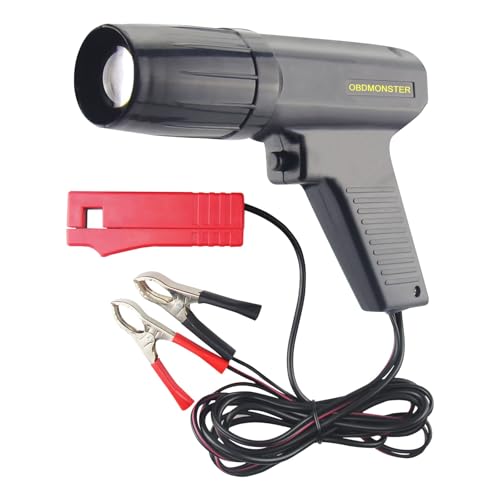
Automotive Timing Light 12V, Inductive Ignition Timing Light Gun for 2&4 Stroke Petrol Engine for Old Classical Car Motorcycle
- Universal Compatibility: Suitable for cars, motorcycles, marine engines
- Optimized Ignition Timing: Enhances engine performance and timing accuracy
- Ergonomic Pistol Grip: Comfortable, easy-to-hold handle design
As an affiliate, we earn on qualifying purchases.
As an affiliate, we earn on qualifying purchases.
Conclusion
By understanding engine knocking and detonation, you can prevent damage, improve performance, and extend your engine’s life. Recognize the signs, maintain proper fuel quality, and keep your engine tuned. When you stay vigilant, you protect your vehicle’s heart, prevent destructive beats, and keep the engine running smoothly. With knowledge and care, you turn potential chaos into harmony, ensuring your engine’s rhythm remains steady, reliable, and strong for miles to come.

CTA Tools 3235 Spark Plug Gapper: Coin-Style Spark Plug Gap Tool, 0.020"–0.100" Measurement Range, Plated Steel, Quick-Check Reference Tool
- Wide range of professional automotive specialy tools
- Professional grade
- Heavy duty design
As an affiliate, we earn on qualifying purchases.
As an affiliate, we earn on qualifying purchases.

5 Pack Hydraulic Seal Installation Tool Kit, Hydraulic Cylinder Piston Repair Seal Tools, U-Cup Rod Seal Installation Tool Kits, Upgraded Seal Twistor Install Tool Set with Pick and Hook Set
- Universal Compatibility: Fits various rod seal sizes
- Efficient Installation: Quick, simple, and error-free
- High-Quality Construction: Durable, well-polished, and slip-resistant handles
As an affiliate, we earn on qualifying purchases.
As an affiliate, we earn on qualifying purchases.