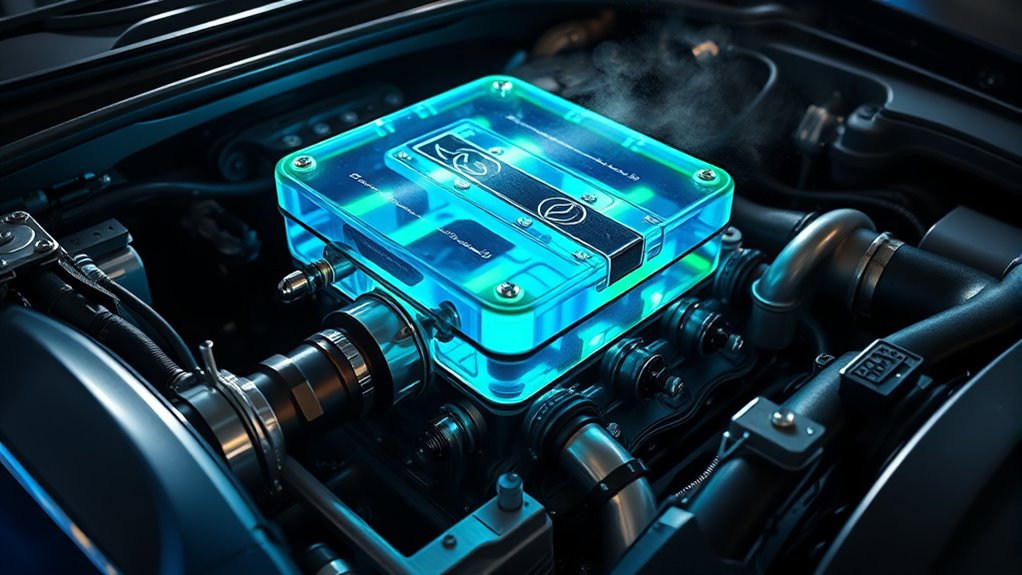
Yes, water-methanol injection can truly boost your engine’s power by cooling the intake charge, which reduces knocking and allows for higher boost levels. This results in improved combustion efficiency and more horsepower. When properly installed and tuned, it’s a proven method to enhance performance without risking engine damage. If you’re curious about how this system works and what factors influence its effectiveness, there’s a lot more to discover.

Get garage and car supplies delivered free — and shop member deals
- Fast, free delivery on millions of items
- Access to Prime Big Deal Days deals on October 6–7
- Prime Video, Amazon Music and more included
Key Takeaways
- Water-methanol injection cools the intake air, increasing density and enabling higher power output.
- It reduces engine knocking, allowing for higher compression ratios and more aggressive tuning.
- Proper system setup and ethanol compatibility are essential for safe, effective power gains.
- Water alone provides cooling benefits, but methanol adds octane boost and combustion enhancement.
- When correctly implemented, water-methanol injection can significantly improve engine performance.
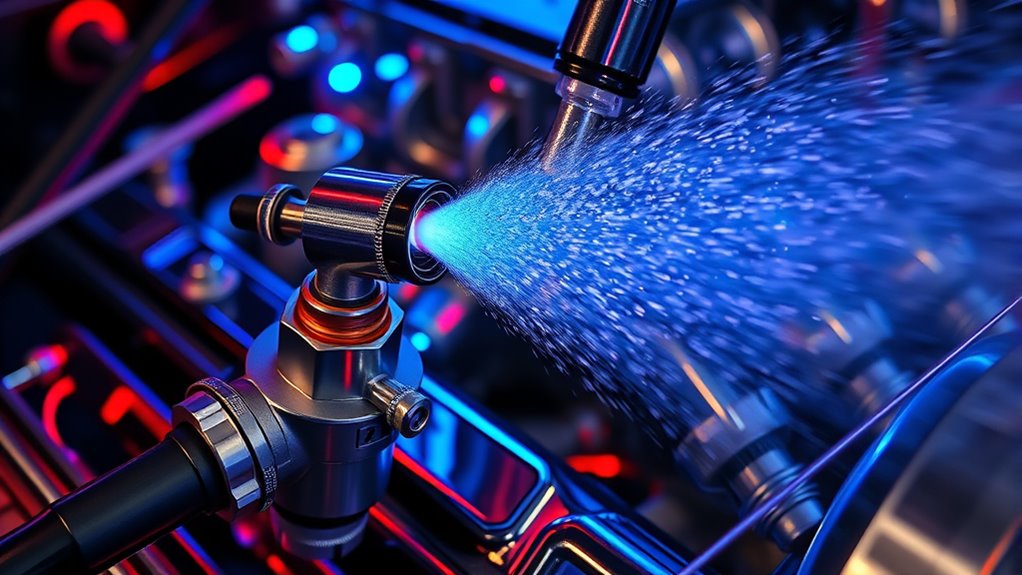
Have you ever wondered how engines boost performance and efficiency? One interesting method gaining attention is water-methanol injection. This technique involves injecting a water and methanol mixture into the intake manifold or directly into the combustion chamber. It’s designed to cool the air charge, reduce knocking, and allow for higher compression ratios or boost pressures. If you’re considering this approach, understanding ethanol compatibility and injection system types becomes essential. Different engines and setups require specific configurations to maximize benefits and guarantee safety.
Ethanol compatibility plays a significant role in water-methanol injection systems. Many vehicles, especially those running on ethanol-blended fuels like E85, are already optimized for higher ethanol content. When adding water-methanol injection, you need to consider how well the system works with your engine’s fuel type. Methanol, a primary component, is alcohol-based and blends well with ethanol, which is also alcohol-derived. This compatibility allows for smoother integration without causing corrosion or damage to engine parts. Plus, ethanol’s high octane rating complements the injection’s purpose of preventing knocking and allowing more aggressive tuning.
Choosing the right injection system type is equally important. There are several options, including single-nozzle systems, multi-nozzle setups, and advanced programmable controllers. Single-nozzle systems are straightforward, typically easier to install, and suitable for moderate performance gains. Multi-nozzle systems distribute the mixture more evenly, providing better cooling and more consistent results, especially in high-performance applications. Advanced injection systems come with electronic controls that let you fine-tune the amount of water-methanol mixture based on engine load, RPM, or boost pressure. This level of control helps you optimize power gains while safeguarding engine components from potential lean conditions or over-application.
The choice of injection system type also affects how well your vehicle can handle different fuel compatibilities. Some setups are specifically designed for use with ethanol-rich fuels, ensuring that materials used in the injectors and lines resist corrosion and degradation over time. Properly matched systems will maximize power output and efficiency, especially when combined with the right fuel profile. Additionally, understanding the contrast ratio in your setup can help determine how well your engine can display deep blacks and bright whites, contributing to overall performance and image quality.
In essence, water-methanol injection isn’t just about adding a mixture; it’s about selecting the right system that aligns with your engine’s fuel compatibility and performance goals. Whether you’re after a slight boost or substantial power gains, understanding how different injection system types work and guaranteeing ethanol compatibility will make your experience safer and more effective. So, if you’re looking to push your engine’s limits, this method offers a promising way to do it—just be sure to choose the right components for your specific setup.
water methanol injection system for cars
As an affiliate, we earn on qualifying purchases.
As an affiliate, we earn on qualifying purchases.
Frequently Asked Questions
How Does Water-Methanol Injection Affect Turbocharged Engines?
Water-methanol injection enhances your turbocharged engine by increasing turbo boost and combustion efficiency. It cools the intake air, allowing your turbo to produce more boost without knocking. The methanol component adds extra fuel, improving power output and reducing exhaust emissions. As a result, your engine runs smoother, with better performance and efficiency, especially under high load or boost conditions. This simple upgrade helps you release more potential from your turbocharged setup.
Is Water-Methanol Injection Suitable for All Vehicle Types?
Water-methanol injection isn’t suitable for all vehicle types. You need to consider vehicle compatibility, especially with older or non-turbo engines, as they might not handle the system well. Installation considerations are vital; improper setup can cause damage. Always check your vehicle’s specifications and consult a professional to guarantee the system fits and functions correctly without risking engine health or voiding warranties.
What Are the Long-Term Effects of Water-Methanol Use?
Think of water-methanol injection like a gentle rain nourishing a garden. Over time, if you don’t monitor it, corrosion risk and system degradation can creep in, much like weeds overtaking your plants. Long-term use may lead to engine wear, especially if maintenance isn’t consistent. Regular checks and proper system care help prevent damage, ensuring your engine stays healthy and efficient, just like a well-tended garden.
Can Water-Methanol Injection Improve Fuel Economy?
Yes, water-methanol injection can improve fuel economy by increasing engine efficiency and reducing the need for excessive fuel. When you use this system, it cools the intake charge, which helps your engine run more smoothly and efficiently. As a result, you may notice better mileage and fewer trips to the pump. Keep in mind, though, that proper tuning and maintenance are essential to maximize these efficiency gains.
What Maintenance Is Required for Water-Methanol Injection Systems?
You need to regularly check your water-methanol injection system’s calibration to ensure peak performance. Also, replace the fluid periodically, as contaminated or degraded fluid can harm your engine. Keep an eye on the injection nozzles for clogs or buildup, and clean or replace them as needed. Proper maintenance helps prevent damage, maintains power gains, and extends the lifespan of your system.
high performance water methanol injection kit
As an affiliate, we earn on qualifying purchases.
As an affiliate, we earn on qualifying purchases.
Conclusion
Think of water-methanol injection as your engine’s secret weapon, much like a knight’s trusted shield in battle. When used wisely, it can boost power and protect your engine from harm, revealing hidden potential. But remember, with great power comes responsibility—know your limits and use it carefully. So, as the legend of King Arthur reminds us, even the mightiest sword requires skill and respect. Embrace the technique wisely, and watch your engine perform at its best.
auto water-methanol injection nozzle
As an affiliate, we earn on qualifying purchases.
As an affiliate, we earn on qualifying purchases.
programmable water methanol injection controller
As an affiliate, we earn on qualifying purchases.
As an affiliate, we earn on qualifying purchases.
Fall Picks
fall essentials
As an affiliate, we earn on qualifying purchases.