The best overall pick for charging multiple EVs in this roundup is the Grizzl-E Duo Connect, which has two J1772 connectors and a 40-amp charging capacity. The Enphase HCS-D40 is a strong alternative for households that want two long cables and a plug-in setup, while the FLO Home X3 suits buyers prioritizing a hardwired, higher-power single-vehicle charger. The main tradeoff is whether you need two cars charging at once or simply want faster charging for one car at a time. Electrical capacity, connector compatibility, installation type, and cable reach can matter as much as the charger’s headline amperage. Read on for how each option fits a different household and what to check before choosing.

Get business pricing on garage and car supplies
- Business-only prices and quantity discounts
- Tax-exempt purchasing
- Multiple users, one account, clear invoices
Complete the kit


Key Takeaways
- Grizzl-E Duo Connect leads for simultaneous two-car charging: its two J1772 connectors serve a different need from single-cable high-power models.
- Enphase HCS-D40 offers two installation formats: the listed plug-in and hardwired versions give buyers a choice, but they are separate product listings rather than interchangeable configurations.
- The 50-amp REV+ listings are near-duplicates: check the exact cable length and listing details before treating them as distinct choices.
- FLO Home X3 and EMPORIA Pro prioritize power for one car: their higher-power positioning may fit a vehicle with a higher onboard charging limit, but does not by itself charge two vehicles at once.
- ChargePoint HomeFlex is a single-connector alternative: it may suit a household that charges one vehicle at a time, but it lacks the dual-cable setup of the dedicated two-EV picks.


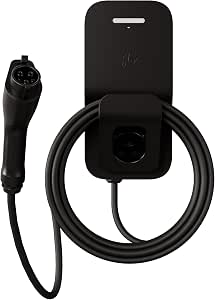

| top rated home ev charging stations for multiple ev | Amperage | Connector | Warranty | Cable length |
|---|---|---|---|---|
| 32 Amp Dual EV Charger | 32 A | J1772 | 5 years | 25 ft per cable |
| REV+ Dual EV Charger Level 2 | 50 A | J1772 | 5 years | 18 ft |
| Grizzl-E Duo Connect 40A / 9.6 | Up to 40 A | J1772 | 3 years | 25 ft |
| EMPORIA Pro Level 2 EV Charger | 48 A | J1772 | 3 years | — |
| ChargePoint HomeFlex Level 2 E | 50 A | J1772 | 3 years | — |
| REV+ Dual EV Charger Level 2 | 50 A | J1772 | 5 years | 18 ft |
| FLO Home X3 Level 2 Electric V | 50 A | J1772 | 5-year limited | 25 ft |
| Enphase Level 2 Dual EV Charge | 32 A | J1772 | 5-year limited | 25 ft |
More Details on Our Top Picks
32 Amp Dual EV Charger, Enphase HCS-D40, NEMA 14-50 Plug, 240V, 7.7 kW, 25ft Cables, Safety Certified
The Enphase HCS-D40 suits households that need two charging cables positioned around a garage or driveway, rather than the highest output. Its two 25-foot J1772 cables provide more reach than the REV+ Dual EV Charger’s 18-foot cables, which can make parking both cars less fussy. It delivers up to 32 amps and 7.7 kW, so it is better matched to overnight charging than quick, high-power turnarounds; the REV+ offers more capacity at 50 amps. Weather-resistant construction and ETL and Energy Star certifications support outdoor placement, while the five-year warranty is longer than the three-year coverage listed for the ChargePoint HomeFlex. The tradeoff is electrical and installation planning: it calls for a dedicated circuit of at least 40 amps, and mounting hardware is not included.
Pros:- Two charging ports let a household connect two vehicles.
- 25-foot cables offer more parking flexibility than the REV+ Dual EV Charger’s 18-foot cables.
- Weather-resistant design supports indoor or outdoor installation.
- Five-year warranty and ETL and Energy Star certifications.
Cons:- 32-amp, 7.7-kW output is lower than the 50-amp REV+ Dual EV Charger.
- Requires a dedicated circuit rated for at least 40 amps.
- Mounting hardware is not included.
Best for: Households charging two J1772 vehicles overnight that need long cables to reach separate parking spots.
Not ideal for: Drivers who need the fastest available charging or do not have a dedicated 40-amp-or-larger circuit and a plan for mounting hardware.
- Voltage:240 V
- Amperage:32 A
- Number of ports:2
- Cable length:25 ft per cable
- Connector:J1772
- Warranty:5 years
- Certifications:ETL, Energy Star
- Dimensions:23 in D x 20 in W x 10 in H
Our verdict“Choose the Enphase HCS-D40 if long cable reach and dual-vehicle overnight charging matter more than maximum charging speed.”
REV+ Dual EV Charger Level 2, 50 Amp, Home EV Charging Station, 18 ft Cable
For homes that regularly need to charge two vehicles at once, the REV+ Dual EV Charger pairs two ports with a listed 50-amp, 12-kW output and app-based scheduling and energy monitoring. That higher stated capacity gives it an advantage over the 32-amp Enphase HCS-D40 when a household wants more charging headroom, though actual charging speed also depends on the vehicle and available electrical supply. Wi-Fi and Bluetooth controls let owners manage sessions remotely, a useful addition when two drivers share a charging setup. Its 18-foot cables are shorter than Enphase’s 25-foot leads, so parking layout matters more. The unit can be hardwired or connected to a NEMA 14-50 outlet and is described as suitable for indoor or outdoor use. Buyers should plan for the required electrical setup and possible electrician installation; this model also has less cable reach than the Enphase.
Pros:- Two ports support charging two vehicles from one station.
- 50-amp, 12-kW output offers more listed capacity than the 32-amp Enphase HCS-D40.
- Wi-Fi and Bluetooth support remote controls, scheduling, and energy monitoring.
- Can be hardwired or used with a NEMA 14-50 outlet.
Cons:- 18-foot cables provide less reach than the Enphase HCS-D40’s 25-foot cables.
- Requires a compatible outlet or hardwired electrical installation.
- Actual charging speed depends on vehicle limits and the home’s electrical supply.
Best for: Two-EV households with a suitable 240-volt circuit that want simultaneous charging, higher listed output, and app controls.
Not ideal for: Owners whose vehicles park far from the charger, or households without an appropriate circuit or budget for electrical installation work.
- Voltage:240 V
- Amperage:50 A
- Listed output:Up to 12 kW
- Number of ports:2
- Cable length:18 ft
- Connector:J1772
- Connectivity:Wi-Fi and Bluetooth
- Warranty:5 years
- Certification:UL certified
Our verdict“Pick the REV+ if two vehicles need regular shared charging and its electrical requirements and shorter cables fit your parking setup.”
Grizzl-E Duo Connect 40A / 9.6 kW Level 2 EV Charger, UL Tested and Certified, Indoor/Outdoor Smart Wall Charging Station, NEMA 14-50, J1772-J1772, Black
The Grizzl-E Duo Connect is the durability-led choice in this group, with a NEMA 4X metal enclosure described as water- and fire-resistant and a 25-foot cable for reaching a vehicle parked away from the wall. It also brings Wi-Fi monitoring and adjustable amperage up to 40 amps, giving owners more control over charging than a basic station. Its listed output is below the 50-amp REV+ Dual EV Charger, so buyers prioritizing maximum stated capacity should compare those two carefully. There is a data point to verify before buying: the product title describes a J1772-J1772 dual setup, but the supplied specifications list one port. I would confirm the exact port arrangement with the seller rather than assume it can charge two vehicles simultaneously. It requires a NEMA 14-50 outlet, and premium features carry a one-time activation fee.
Pros:- NEMA 4X metal enclosure is suited to demanding indoor or outdoor locations.
- 25-foot cable offers substantial reach around a parking area.
- Adjustable amperage up to 40 A supports charging flexibility.
- Wi-Fi monitoring and UL and Energy Star certifications are listed.
Cons:- Supplied specifications list one port despite the title describing a J1772-J1772 setup; verify dual-vehicle capability before buying.
- Requires a NEMA 14-50 outlet.
- Premium features carry a one-time activation fee, and the three-year warranty is shorter than the Enphase HCS-D40’s five years.
Best for: Drivers seeking a rugged indoor/outdoor charger with a long cable and smart monitoring who will verify the port configuration before purchase.
Not ideal for: Households that need confirmed simultaneous charging for two cars, or buyers who want premium connected features without an activation fee.
- Voltage:240 V
- Amperage:Up to 40 A
- Listed output:9.6 kW
- Ports listed in specifications:1
- Cable length:25 ft
- Connector:J1772
- Enclosure:NEMA 4X metal
- Certifications:UL, Energy Star
- Warranty:3 years
Our verdict“Consider the Grizzl-E Duo Connect for rugged construction and cable reach, but confirm it has the dual-port capability your household needs.”
EMPORIA Pro Level 2 EV Charger with PowerSmart – 48 Amp Fast Home Charging Station with J1772 Connector
The EMPORIA Pro is a strong fit for a multi-EV home where the electrical panel, not cable count, is the limiting factor. Its PowerSmart load balancing is designed to manage demand without a panel upgrade, while the included Vue device and app provide real-time energy monitoring. That makes it a different proposition from the dual-port REV+ and Enphase HCS-D40: the Emporia offers a single J1772 connector, so it does not directly charge two cars at once. Its 48-amp rating is close to the REV+’s 50 amps for a connected vehicle, but the product information does not list a second port or a cable length. Flexible hardwired or NEMA-plug installation can help match existing wiring, though professional setup is recommended for the load-management features. Buyers should confirm vehicle compatibility and electrical requirements before choosing it.
Pros:- PowerSmart load balancing is designed to manage charging demand without a panel upgrade.
- 48-amp output provides high charging capacity for one connected vehicle.
- App control and the included Vue device support real-time energy monitoring.
- Hardwired and NEMA-plug installation options are listed.
Cons:- One J1772 connector does not provide simultaneous charging for two vehicles.
- Professional installation is recommended for optimal setup.
- The supplied product data does not specify cable length or a detailed vehicle compatibility list.
Best for: Multi-EV households with limited panel capacity that want a single high-output charger with load management and energy tracking.
Not ideal for: Drivers who need two vehicles plugged in simultaneously at one station or who want a clearly specified cable length and dual-port setup.
- Input voltage:240 V
- Amperage:48 A
- Connector:J1772
- Load management:PowerSmart
- Monitoring:Emporia app and included Vue device
- Installation options:Hardwired or NEMA plug
- Dimensions:3 in D x 8.25 in W x 12.25 in H
- Warranty:3 years
Our verdict“Choose the EMPORIA Pro if panel capacity and managed charging matter more than having two vehicles plugged in at once.”
ChargePoint HomeFlex Level 2 EV Charger J1772 NEMA 14-50 Plug
The ChargePoint HomeFlex makes more sense for a household that wants familiar app-based control for one vehicle at a time than for buyers who need two charging ports. It has a single J1772 connector, while both the REV+ and Enphase HCS-D40 are listed with two ports; those models are the clearer choices for simultaneous charging. HomeFlex’s strength is its ChargePoint app, which supports remote charging management and links home use with the brand’s public charging network. The 50-amp rating and listed charging rate of up to 45 miles of range per hour offer substantial capacity, though the vehicle and circuit affect real-world results. This version uses a NEMA 14-50 plug and is listed for indoor or outdoor installation. Tesla drivers need an adapter, and buyers should note the three-year warranty is shorter than Enphase’s five years.
Pros:- ChargePoint app supports remote charging management.
- 50-amp rating and listed charging rate of up to 45 miles of range per hour.
- NEMA 14-50 plug simplifies connection to a compatible outlet.
- Listed for indoor and outdoor installation.
Cons:- Single port cannot charge two vehicles simultaneously.
- Tesla vehicles require an additional adapter.
- Three-year warranty is shorter than the Enphase HCS-D40’s five-year warranty.
Best for: Households that charge one J1772 vehicle at a time and value app controls alongside access to ChargePoint’s public network.
Not ideal for: Two-EV households seeking simultaneous charging from one unit, or Tesla owners who do not want to use an adapter.
- Voltage:240 V
- Amperage:50 A
- Number of ports:1
- Connector:J1772
- Power connection:NEMA 14-50 plug
- Listed charging rate:Up to 45 miles of range per hour
- Weight:13.8 lb
- Warranty:3 years
Our verdict“Choose HomeFlex for one-car charging with ChargePoint app integration, but select a dual-port model if two vehicles must charge at the same time.”
REV+ Dual EV Charger Level 2, 50 Amp, Home EV Charging Station, 18ft Cable
The REV+ suits households that want two J1772 vehicles charging at once without stepping down to a lower-output dual unit. Its 50-amp, 11.5-kW capacity is higher than the Enphase HCS-D40’s 32-amp output, which can help shorten charging sessions when the home circuit and vehicles support it. Wi-Fi and Bluetooth app controls add scheduling and remote monitoring, while the choice of plug-in or hardwired installation gives buyers more setup flexibility than the hardwired-only FLO Home X3. The tradeoff is reach: its 18-foot cable is shorter than the FLO’s 25-foot cable and may not reach both parking positions in a spread-out garage. It also needs 240-volt service, and hardwiring may call for professional installation.
Pros:- Two ports support simultaneous charging for two vehicles.
- 50-amp, 11.5-kW output can charge faster than lower-amperage dual chargers when vehicles and circuits permit.
- Wi-Fi and Bluetooth app controls support remote scheduling and monitoring.
- UL certification and plug-in or hardwired installation offer indoor/outdoor and setup flexibility.
Cons:- The 18-foot cable may not reach vehicles parked farther from the unit.
- Requires 240-volt service, and hardwired installation may require a professional.
Best for: Households with two J1772 EVs that want simultaneous charging, app scheduling, and a flexible plug-in or hardwired setup.
Not ideal for: Owners with widely separated parking spots or a garage layout that needs more than 18 feet of cable reach.
- Output voltage:240 V
- Amperage:50 A
- Power output:Up to 11.5 kW
- Ports:2
- Connector:J1772
- Cable length:18 ft
- Connectivity:Wi-Fi and Bluetooth
- Installation:Plug-in or hardwired
- Warranty:5 years
Our verdict“Choose the REV+ if two vehicles need simultaneous, higher-output charging and an 18-foot cable reaches both parking spots.”
FLO Home X3 Level 2 Electric Vehicle Charging Station – 12 kW, 50 A/240 V, Hardwired, J1772, UL & ENERGY STAR Certified, 25-ft Cable, Rugged Outdoor Rating
The FLO Home X3 is the strongest fit here when the charger will face exposed weather: its rugged Type 4X enclosure is designed for conditions such as rain, snow, dust, and salty air. A 25-foot cable offers more parking-position flexibility than the REV+’s 18-foot lead, but this is a single-port charger, not a solution for charging two cars simultaneously from one unit. Its 50-amp, 12-kW output supports brisk Level 2 charging for one vehicle, and Wi-Fi adds scheduling, access control, and status monitoring. Compared with the dual-port Enphase HCS-D40, the FLO provides higher output for one car but gives up simultaneous charging. Buyers should also plan for hardwiring and a 70-amp breaker to reach full output.
Pros:- Type 4X-rated enclosure is suited to demanding outdoor conditions.
- 25-foot cable gives more reach than the REV+ dual charger’s 18-foot cable.
- 50-amp, 12-kW output and Wi-Fi controls support fast single-vehicle charging and scheduling.
- UL and ENERGY STAR certifications are specified.
Cons:- One charging port does not serve two vehicles simultaneously.
- Full 50-amp output requires a 70-amp breaker.
- Hardwired installation can add complexity, and Tesla vehicles need a separate adapter.
Best for: Drivers who park outdoors and want a long cable, strong single-vehicle charging, and weather-resistant construction.
Not ideal for: Households seeking one charger to charge two EVs simultaneously, or DIY installers who want a plug-in unit.
- Input voltage:240 V
- Amperage:50 A
- Power output:12 kW
- Ports:1
- Connector:J1772
- Cable length:25 ft
- Enclosure:Thermoplastic Type 4X
- Connectivity:Wi-Fi
- Warranty:5-year limited
Our verdict“Pick the FLO Home X3 for an exposed parking area and long cable reach, but choose a dual-port model if both cars must charge at once.”
Enphase Level 2 Dual EV Charger, 32 Amp, 240V, Hardwired, 25ft Cables, J1772, Safety Certified, HCS-D40
The Enphase HCS-D40 prioritizes dual-vehicle access on one circuit over maximum charging speed. Its 32-amp, 7.7-kW rating is below the REV+’s 50-amp output, so drivers with large daily charging needs may prefer the REV+ if their electrical service can support it. The Enphase’s two J1772 connectors and 25-foot cables give both vehicles useful reach, while its weather-resistant, safety-certified construction and five-year limited warranty suit a durable home installation. Unlike the FLO Home X3, it can charge two cars from one unit; unlike the REV+, it does not offer app controls. The hardwired design also limits installation flexibility. This is a practical choice for overnight charging, not for buyers who need smart scheduling or the fastest output.
Pros:- Supports simultaneous charging for two vehicles on a single circuit.
- Two 25-foot cables provide useful reach across a typical parking area.
- Weather-resistant construction and UL 2594 safety certification are specified.
- Five-year limited warranty.
Cons:- 32-amp, 7.7-kW output is lower than the REV+ and FLO Home X3.
- Hardwired installation may require professional setup.
- No mobile app or smart scheduling features.
Best for: Two-car households that want simultaneous overnight charging from one circuit and can use a hardwired installation.
Not ideal for: Drivers who need higher charging output, app-based scheduling, or a plug-in installation option.
- Input voltage:240 V
- Amperage:32 A
- Power output:7.7 kW
- Ports:2
- Connector:J1772
- Cable length:25 ft
- Installation:Hardwired
- Safety standard:UL 2594
- Warranty:5-year limited
Our verdict“Choose the Enphase HCS-D40 if two vehicles need overnight charging on one circuit and lower output is acceptable.”

How We Picked
I ranked these chargers by how well their stated design serves a household with multiple EVs, giving the most weight to simultaneous charging capability, connector count, and useful cable reach. A dual-connector unit has a practical advantage for two cars parked within reach; a higher-amp single-connector charger may be a better fit when one vehicle needs faster charging and the household can take turns. I also considered power, plug-in versus hardwired installation, stated safety certification, and indoor or outdoor suitability where provided.
The order reflects those differences, not a claim that every home needs the highest amperage. Grizzl-E Duo Connect ranks first because it directly addresses two-vehicle charging with two J1772 cables. The Enphase dual units follow for their two-cable layout, with the plug-in model offering a distinct installation route. Higher-power single-connector options rank below them for this particular use case, while similar REV+ listings are treated as near-duplicates rather than separate innovations. Buyers should confirm vehicle connector requirements, electrical capacity, and current installation instructions before purchase.
Factors to Consider When Choosing Top Rated Home Ev Charging Stations For Multiple Evs
Choosing a charger for multiple EVs starts with the household’s charging routine, not a maximum amperage figure. I would first map where each vehicle parks, how often both need charging overnight, and what the home circuit can support. These checks can prevent paying for power a vehicle cannot use—or buying a single-cable station that leaves one driver waiting.
Decide Whether Both Cars Must Charge at Once
Two EVs in one household do not automatically need a dual-connector charger. If one car can charge on alternating nights, a single unit may be enough, especially when both vehicles have modest daily driving needs. If both routinely return with low batteries and leave early, two reachable connectors can reduce cable swapping and scheduling friction. Check whether the charger is designed to share its available power across both connections; two cables do not necessarily mean both cars receive the unit’s full rated output at the same time. A common mistake is choosing by connector count alone without checking the unit’s power-sharing behavior and the home circuit limit.
Match Charger Output to the Car and the Home Circuit
A charger’s amperage is only part of the charging-speed picture: the vehicle’s onboard AC charger also limits how much power it can accept. Before choosing a higher-amp model, compare each car’s AC charging limit with the station’s output so you know whether added capacity will be useful. Then have a qualified electrician assess the panel, wiring, breaker needs, and available load; a product rating does not mean the existing circuit can support it. When two cars charge together, household load management and power sharing can matter more than the highest single-vehicle figure. This is a good point to plan for future vehicles, but avoid paying for capacity that the panel cannot deliver or the cars cannot use.
Choose Plug-In or Hardwired Installation for Your Situation
A plug-in charger can offer a simpler path to removal or relocation, but it requires a compatible, properly installed outlet and remains subject to that circuit’s limits. Hardwired installation can suit a permanent location or an outdoor setup, though it typically calls for more installation work and makes moving the station less convenient. Do not assume an existing dryer or workshop outlet is suitable just because the plug appears to match; circuit rating, wiring condition, and charger instructions all matter. Ask an electrician to compare the full installation requirements before buying, rather than treating the charger as the only project cost. For the Enphase options in this lineup, check the exact listing: the plug-in and hardwired versions are distinct configurations.
Measure Cable Reach and Parking Positions
Measure from the proposed mounting point to each vehicle’s charge port with the cars parked as they normally would be. Account for the cable path around walls, storage, and other vehicles instead of measuring in a straight line across an empty garage. A long cable can make a dual-vehicle setup easier to share between parking spots, but it can also need more care to keep it off the floor and out of walkways. Check whether the charge ports sit on different sides of the cars; two cables may still be awkward if the mounting location forces one cable across a busy path. These practical measurements often separate a convenient installation from one that requires moving cars or repositioning the charger.
Check Connector Compatibility Before Comparing Features
The products listed here use J1772 connectors, so buyers should confirm that both vehicles can use that connector directly or with a suitable manufacturer-approved adapter. Connector compatibility is not the same as charging-speed compatibility: an adapter may resolve the physical connection while the car’s onboard system still sets the AC charging limit. Check the connector standard and charging instructions for each vehicle, especially if the household includes different makes or may add another EV later. Do not buy on the assumption that one cable fits every vehicle without adapters or limitations. For a two-car station, verify compatibility for both connections rather than checking only the vehicle you drive most often.
Balance Outdoor Durability, Certification, and Service Needs
If the charger will be mounted outside, look beyond a general indoor/outdoor label and review the model’s stated weather protection, installation requirements, and cable storage needs. Certifications listed by the manufacturer can help buyers compare safety information, but they do not replace correct installation or local electrical-code compliance. Consider who will maintain the unit, how exposed the cable and connector will be, and whether the mounting location is easy to reach during poor weather. A rugged hardwired model may make more sense for an exposed driveway, while a garage installation may put more weight on cable reach and sharing convenience. Verify warranty, support, and current product documentation before purchase, since these details can vary by model and seller listing.
Frequently Asked Questions
Do I need a dual-connector charger if my home has two EVs?
Not always. A single-connector charger can work if the cars are usually home at different times or can take turns overnight. A dual-connector model is more useful when both vehicles need regular charging during the same window and can park within cable reach. Check how the charger shares power between its connectors, since simultaneous use may split available output. Also compare that shared output with both vehicles’ daily driving needs before choosing.
Can two EVs charge at full speed from one home station?
That depends on the station’s power-sharing design, the home circuit, and each vehicle’s onboard charging limit. Some dual-connector arrangements divide available power when both cars are connected, so neither car necessarily receives the unit’s full single-vehicle rating. A home’s electrical capacity can impose another limit, even when the charger is rated for higher output. Ask the manufacturer for the simultaneous-use behavior and have an electrician assess the circuit before planning around full-speed charging for both cars.
Will a 50-amp or 48-amp charger charge my EV faster than a 40-amp model?
Only if the vehicle can accept the added AC power and the installation supports the charger’s requirements. The onboard charger in the car sets a ceiling, so a higher-rated station may not shorten charging time for a vehicle with a lower limit. For a household with two EVs, the value of extra output also depends on whether the cars charge one at a time or share a dual-connector unit. Compare vehicle specifications and expected overnight needs rather than choosing by amperage alone. Confirm circuit sizing with an electrician.
Should I choose a plug-in charger or a hardwired one for a two-EV home?
Choose based on the planned location, electrical setup, and whether you may want to move the charger later. Plug-in units can be easier to remove, but they need a compatible outlet and suitable circuit; hardwired models can suit a permanent installation or an exposed location. Neither format automatically provides better two-car charging—the number of connectors and power-sharing design matter more for that. Have an electrician verify the outlet or wiring before purchase, and compare the exact installation instructions for the model you intend to buy.
What should I check if the two EVs have different connectors or charging limits?
Check each vehicle’s connector standard, onboard AC charging limit, and manufacturer guidance on adapters. A compatible adapter may address the physical connector but does not raise the vehicle’s charging limit. For a dual-cable station, confirm that both cables can serve the household’s vehicles and that the installation has enough capacity for the charging schedule. If one car needs much more energy overnight, plan around that car’s departure time rather than assuming both will finish together. Recheck compatibility if you expect to replace either vehicle during the charger’s service life.
Conclusion
For households that regularly charge two cars together, I would choose the Grizzl-E Duo Connect as the best overall because its two J1772 cables directly address shared home charging. The Enphase HCS-D40 plug-in version is my best fit for buyers who want a dual-cable layout with a plug-in installation; choose the separate hardwired Enphase listing when that installation better suits the site. For a higher-power, single-car setup, FLO Home X3 is the premium-leaning pick, while EMPORIA Pro is another option for buyers whose vehicle and circuit can use its higher output. The REV+ dual charger is a value-oriented option to compare, but check the two near-duplicate listings and confirm cable length and installation details before ordering. For beginners who charge one vehicle at a time, ChargePoint HomeFlex is a straightforward single-connector alternative, though it is less tailored to simultaneous two-car use. The best match comes down to whether your household needs two connections at once, what your electrical system can support, and how the vehicles park.