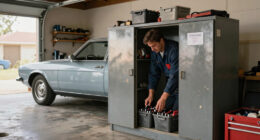
Choosing the right TIG welder for auto fabrication requires balancing power, portability, and material versatility. The PRIMEWELD TIG225X stands out as the best overall pick for its robust 225-amp output and superior arc stability on thin gauge steel. For those needing aluminum capability without breaking the budget, the Weldpro 200A AC/DC offers excellent value with dual voltage support. The primary tradeoff in this category is between raw amperage for heavy chassis work and the fine control needed for delicate body panels. This guide breaks down how these machines perform under real-world automotive conditions to help you decide.

Get business pricing on garage and car supplies
- Business-only prices and quantity discounts
- Tax-exempt purchasing
- Multiple users, one account, clear invoices
Complete the kit


Key Takeaways
- AC/DC capability is non-negotiable for serious auto fab if you plan to weld aluminum components like intake manifolds or custom wheels.
- Pulse functionality on DC-only machines significantly improves control on thin gauge steel, reducing burn-through risks during body panel repairs.
- Dual voltage input (110V/220V) adds practical versatility for mobile fabricators who work in varied shop environments.
- Arc start reliability varies widely; machines with high-frequency start are better for aluminum but can interfere with sensitive electronics in modern cars.
- Foot pedal control offers finer amperage modulation than torch switches, which is critical for managing heat input on automotive exhaust systems.
| Weldpro 200A AC/DC TIG Welder with Pulse |  | Best for Aluminum Fabrication | Amperage: 200A | Voltage: 110V/220V Dual Voltage | Welding Modes: AC/DC TIG, Pulse TIG, Stick MMA | VIEW ON AMAZON | See Our Full Breakdown |
| PRIMEWELD TIG225X 225 Amp IGBT AC/DC TIG/Stick Welder |  | Best Premium Shop Station | Amperage: 225 Amps | Voltage: 110/220 volts | Max Aluminum Thickness: 1/4 inch | VIEW ON AMAZON | See Our Full Breakdown |
| S7 200A TIG Welder with DC TIG and Stick Welding |  | Best Value for Steel Work | Amperage: 200A | Voltage: 110V/220V | Weight: 18.01 pounds | VIEW ON AMAZON | See Our Full Breakdown |
| ARCCAPTAIN TIG 205P Pro Pulse Welder |  | Best for Thin Sheet Metal | Amperage: 205A | Voltage: 120V/240V | Weight: 22.8 pounds | VIEW ON AMAZON | See Our Full Breakdown |
| Eastwood TIG 220 AMP AC/DC TIG Welder and Stick Welding |  | Best Complete Starter Kit | Amperage: 220 Amps | Voltage: Dual Voltage | Weight: 44.8 pounds | VIEW ON AMAZON | See Our Full Breakdown |
| tig welders for auto fabrication | Amperage | Voltage | Weight | Welding Modes |
|---|---|---|---|---|
| Weldpro 200A AC/DC TIG Welder | 200A | 110V/220V Dual Voltage | 61.8 pounds | AC/DC TIG, Pulse TIG, Stick MMA |
| PRIMEWELD TIG225X 225 Amp IGBT | 225 Amps | 110/220 volts | 40.8 pounds | — |
| S7 200A TIG Welder with DC TIG | 200A | 110V/220V | 18.01 pounds | DC TIG, Stick MMA |
| ARCCAPTAIN TIG 205P Pro Pulse | 205A | 120V/240V | 22.8 pounds | DC TIG, Pulse TIG, Lift TIG, Spot TIG, MMA |
| Eastwood TIG 220 AMP AC/DC TIG | 220 Amps | Dual Voltage | 44.8 pounds | AC/DC TIG, Stick |
More Details on Our Top Picks
Weldpro 200A AC/DC TIG Welder with Pulse
This machine stands out because it handles AC and DC welding in a single compact unit, which is non-negotiable for automotive aluminum work. Unlike the ARCCAPTAIN TIG 205P Pro, which lacks AC capability and cannot weld aluminum, the Weldpro’s AC Pulse TIG mode allows for precise cleaning action on oxidized surfaces without excessive heat buildup. The 5-in-1 multiprocess design means you can switch to Stick welding for emergency repairs on chassis components, offering flexibility that dedicated single-mode machines lack. However, the 61.8-pound weight makes it less portable than lighter alternatives, and the extensive feature set presents a steep learning curve for those new to TIG. It is a powerful tool, but it demands a stable bench and some prior welding knowledge to avoid common setup mistakes.
Pros:- True AC/DC capability handles aluminum and steel effectively
- Includes a comprehensive accessory kit with torch and foot pedal
- Dual voltage operation allows use in standard home garages
- Pulse control helps manage heat on thin automotive sheet metal
Cons:- Heavy at 61.8 pounds, making it difficult to move frequently
- Complex interface requires time to master for optimal results
- Higher initial cost compared to basic DC-only units
Best for: Fabricators who need to weld both aluminum and steel without switching machines
Not ideal for: Complete beginners or those with limited shop space due to its heavy footprint
- Amperage:200A
- Voltage:110V/220V Dual Voltage
- Welding Modes:AC/DC TIG, Pulse TIG, Stick MMA
- Weight:61.8 pounds
- Duty Cycle:40% at 200A
- Dimensions:17.6 x 7.9 x 16.2 inches
- Included Components:Torch, foot pedal, gas hose, flow meter
Our verdict“Choose this if you need a versatile shop machine capable of handling aluminum auto parts.”
PRIMEWELD TIG225X 225 Amp IGBT AC/DC TIG/Stick Welder
Positioned as a heavy-duty contender, the PRIMEWELD TIG225X offers 225 amps of power, surpassing the Weldpro 200A in raw output for thicker automotive frames. Its IGBT inverter technology provides smoother arc starts and better efficiency, which translates to less fatigue during long fabrication sessions. The inclusion of the CK17 Flex Torch is a significant upgrade over standard torches, offering superior flexibility in tight spaces like wheel wells or under dashboards. While it excels at welding 1/4″ aluminum and 3/8″ steel, the 40-pound weight and complex control panel make it overkill for simple hobbyist repairs. This is a machine built for consistent, professional-grade output rather than casual weekend projects.
Pros:- High 225A output handles thicker steel and aluminum sections
- Premium CK17 Flex Torch improves reach and comfort
- IGBT technology offers stable arc and energy efficiency
- Robust build quality suits continuous professional use
Cons:- Significantly heavier than portable alternatives
- Higher price point reflects professional-grade features
- Overly complex for users who only need basic stick welding
Best for: Professional fabricators needing high amperage and a premium torch for daily use
Not ideal for: Hobbyists looking for a lightweight, budget-friendly entry into TIG welding
- Amperage:225 Amps
- Voltage:110/220 volts
- Max Aluminum Thickness:1/4 inch
- Max Steel Thickness:3/8 inch
- Torch Type:CK17 Flex Torch
- Technology:IGBT Inverter, PWM
- Weight:40.8 pounds
Our verdict“This is the right choice if you demand professional reliability and have the space for a stationary setup.”
S7 200A TIG Welder with DC TIG and Stick Welding
If your fabrication focuses primarily on steel and stainless, the S7 200A offers a compelling value proposition by stripping away the costly AC components found in the Weldpro 200A. Since it lacks AC capability, it cannot weld aluminum, but for mild steel chassis repairs or exhaust work, it performs reliably. The digital current display and simple controls reduce the intimidation factor for new users, making it easier to dial in settings compared to the more complex interfaces of premium units. At just 18 pounds, it is significantly lighter than the PRIMEWELD TIG225X, enhancing portability for moving around the shop. However, buyers must supply their own TIG torch and accessories, which adds to the initial cost and setup time.
Pros:- Lightweight 18-pound design for easy shop mobility
- Simplified controls reduce the learning curve for beginners
- Cost-effective for steel-only fabrication tasks
- Dual voltage support adds flexibility for different power sources
Cons:- No AC mode means aluminum welding is impossible
- Torch and gas accessories are not included in the package
- Limited amperage range compared to heavy-duty competitors
Best for: DIYers focusing on steel and stainless repairs who want a simple, portable unit
Not ideal for: Users who need to weld aluminum or require a complete out-of-the-box kit
- Amperage:200A
- Voltage:110V/220V
- Weight:18.01 pounds
- Dimensions:17 x 10 x 13 inches
- Welding Modes:DC TIG, Stick MMA
- Power Source:AC/DC
- Manufacturer:Win-Win
Our verdict“Buy this if you are welding steel and want a lightweight, affordable machine without paying for aluminum features.”
ARCCAPTAIN TIG 205P Pro Pulse Welder
The ARCCAPTAIN TIG 205P Pro differentiates itself with app control, allowing users to monitor and adjust settings via smartphone—a feature absent in the S7 200A and Weldpro 200A. This is particularly useful for fine-tuning Pulse TIG parameters when working on thin automotive sheet metal, where heat control is critical. However, the critical limitation is its lack of AC welding; like the S7, it cannot weld aluminum, restricting its utility for modern auto fabrication that often involves aluminum components. The 22.8-pound weight strikes a balance between portability and stability. While the 3-year warranty offers peace of mind, the reliance on an app for advanced features may frustrate users who prefer physical knobs and immediate tactile feedback.
Pros:- App control enables precise monitoring and adjustments
- Pulse TIG mode excels at managing heat on thin materials
- Lightweight 22.8-pound build for moderate portability
- 3-year warranty provides strong long-term support
Cons:- No AC capability, making aluminum welding impossible
- App dependency may slow down workflow for some users
- Complex setup required to pair device and calibrate settings
Best for: Tech-savvy welders focusing on thin steel sheet metal who value app connectivity
Not ideal for: Fabricators needing to weld aluminum or those who dislike app-dependent controls
- Amperage:205A
- Voltage:120V/240V
- Weight:22.8 pounds
- Welding Modes:DC TIG, Pulse TIG, Lift TIG, Spot TIG, MMA
- Warranty:3 Years
- Control Method:App Control + Physical Knobs
- Dimensions:17.4 x 16.3 x 8.2 inches
Our verdict“This is ideal for thin steel work if you appreciate smart connectivity and don’t need aluminum capabilities.”
Eastwood TIG 220 AMP AC/DC TIG Welder and Stick Welding
Eastwood targets the automotive niche directly by bundling a wide-view auto-darkening helmet with the welder, a value-add not seen in the bare-bones PRIMEWELD TIG225X or ARCCAPTAIN 205P Pro. This kit allows a hobbyist to start welding immediately without hunting for compatible safety gear. The 220-amp AC/DC capability handles both steel and aluminum, matching the versatility of the Weldpro 200A but with a slightly higher amperage ceiling. The tradeoff is the 44.8-pound weight, which makes it less portable than the S7 or ARCCAPTAIN. Additionally, the complex control panel requires experience to master, meaning the convenience of the bundle doesn’t eliminate the need for skill development.
Pros:- Includes a high-quality wide-view auto-darkening helmet
- AC/DC capability supports both steel and aluminum
- 220A output provides ample power for most auto projects
- Dual voltage support offers flexibility in garage setups
Cons:- Heavy 44.8-pound unit limits portability
- Complex controls require prior welding knowledge
- Bundled helmet may not suit users with specific preference for other brands
Best for: New automotive fabricators who want a complete, ready-to-weld solution including safety gear
Not ideal for: Experienced welders who already own helmets and prefer lighter, more portable units
- Amperage:220 Amps
- Voltage:Dual Voltage
- Weight:44.8 pounds
- Max Thickness:1/4 inch
- Welding Modes:AC/DC TIG, Stick
- Included Safety Gear:Auto-Darkening Helmet
- Technology:Inverter
Our verdict“Choose this kit if you are starting out and want a comprehensive package for steel and aluminum auto work.”

How We Picked
I evaluated these machines based on their ability to handle the specific demands of automotive metalwork, which ranges from 16-gauge body panels to 1/4-inch chassis rails. Arc stability was a primary metric; a wavering arc causes contamination and weak welds, which are unacceptable in safety-critical automotive applications. I also prioritized portability and power density, as auto fabricators often need to move the machine around a vehicle or into tight undercarriage spaces.
Beyond raw specs, I considered the availability of accessories and ease of setup. A machine that requires expensive add-ons to function properly loses value compared to one that ships with a quality torch and pedal. Finally, I assessed thermal management, ensuring that the duty cycles listed were realistic for continuous fabrication work rather than intermittent hobbyist use.
| tig welders for auto fabrication | Welding Modes |
|---|---|
| Weldpro 200A AC/DC TIG Welder | AC/DC TIG, Pulse TIG, Stick MMA |
| PRIMEWELD TIG225X 225 Amp IGBT | — |
| S7 200A TIG Welder with DC TIG | DC TIG, Stick MMA |
| ARCCAPTAIN TIG 205P Pro Pulse | DC TIG, Pulse TIG, Lift TIG, Spot TIG, MMA |
| Eastwood TIG 220 AMP AC/DC TIG | AC/DC TIG, Stick |
Factors to Consider When Choosing Tig Welders For Auto Fabrication
Selecting a TIG welder for automotive work involves more than just picking the highest amperage. You need a machine that can handle the diverse materials found in a car, from mild steel frames to stainless exhausts and aluminum accessories.AC vs. DC: The Aluminum Question
If your fabrication projects involve aluminum, you must choose an AC/DC TIG welder. Aluminum oxide has a much higher melting point than the metal beneath it, and AC current is required to break through this oxide layer while welding. Pure DC machines are excellent for steel and stainless but will struggle or fail completely on aluminum. However, if you strictly work on steel chassis and exhaust systems, a DC-only unit is often more affordable and lighter. I recommend looking at your projected material list before deciding; buying a DC-only machine and later realizing you need to weld an aluminum transmission mount is a costly mistake.
The Importance of Pulse Control
Pulse TIG welding is not just a feature for experts; it is a practical tool for managing heat on thin automotive sheet metal. By cycling the current between high and low levels, pulse mode prevents burn-through on panels thinner than 14-gauge. It also allows for better control over the weld pool when welding overhead on undercarriage components. While high-end machines offer sophisticated pulse frequency controls, even basic pulse functionality on mid-range units can dramatically improve weld quality on delicate parts. If you plan to do extensive bodywork, prioritize machines with adjustable pulse frequency and duty cycle.
Amperage and Duty Cycle Realities
Manufacturer amperage ratings can be misleading if you do not check the duty cycle. A 200-amp machine might only sustain that output for 60% of the time before overheating, which is frustrating during long chassis welds. For auto fabrication, look for a machine that can deliver at least 150-160 amps continuously at a 100% duty cycle. This ensures you can weld thicker suspension components without waiting for the machine to cool. Always check the duty cycle at the amperage you intend to use most often, not just the maximum rating.
Portability and Shop Layout
Automotive fabrication often requires moving the welder around the vehicle or into different shop bays. Weight and footprint matter more here than in a stationary industrial setting. A heavy industrial unit might offer more power, but if it is difficult to move, you might find yourself skipping welds because the setup is too cumbersome. Look for machines with integrated handles or compact designs. Additionally, consider the length of the torch cable; a short cable might force you to drag the machine dangerously close to the vehicle, creating a hazard.
Start Methods and Electronics Safety
Most modern TIG welders use high-frequency (HF) start to initiate the arc without touching the tungsten to the workpiece. While this preserves the tungsten tip, HF noise can interfere with the electronic control units (ECUs) in modern vehicles. If you are working on a car with sensitive electronics nearby, you may need a machine with a lift-arc start option or a machine with good shielding. Some fabricators prefer lift-arc start for its simplicity and lack of interference, though it requires a bit more skill to maintain the tungsten tip. Weigh the convenience of HF against the potential for electronic interference in your specific shop environment.
Frequently Asked Questions
Do I really need AC/DC for welding exhaust systems?
You do not strictly need AC for exhaust systems if they are made of stainless steel or mild steel, as DC TIG works perfectly for these materials. However, many modern exhaust components include aluminum heat shields or brackets. If you plan to fabricate custom exhausts that include any aluminum parts, an AC/DC machine is necessary. If your work is exclusively on steel or stainless exhausts, a high-quality DC TIG welder with pulse control will perform better and cost less than an AC/DC unit.
Is a foot pedal better than a torch switch for auto work?
For most auto fabrication tasks, a foot pedal provides superior control compared to a torch switch. It allows you to smoothly ramp amperage up and down, which is critical for starting and stopping welds on thin metal without creating holes. A torch switch only offers on/off functionality, which can lead to inconsistent weld starts. While torch switches are lighter and less prone to damage, the precision offered by a pedal is worth the extra setup time for anyone doing detailed automotive work.
Can I use a 110V TIG welder for chassis fabrication?
A 110V TIG welder is generally insufficient for heavy chassis fabrication, which often requires welding 1/4-inch or thicker steel. These machines typically max out around 120-140 amps, which is adequate for thin body panels and light repairs but lacks the penetration needed for structural components. If you are building a frame or welding suspension mounts, you should invest in a 220V machine that can deliver 150+ amps continuously. Using a 110V unit for heavy work will result in weak welds and potential safety hazards.
How important is the torch quality included in the kit?
The quality of the included torch is surprisingly important because cheap torches often fail prematurely or overheat. A poor-quality torch can cause inconsistent arc stability and make it difficult to control the weld pool. Many budget machines ship with generic torches that may not be compatible with high-quality replacement parts. If the kit includes a reputable brand torch (like CK or Miller), it adds significant value. If it includes a generic torch, budget extra funds for a replacement, as this is a common point of failure.
What is the risk of welding with a machine that has poor arc control?
Poor arc control leads to porosity and tungsten inclusions, which are invisible defects that can cause catastrophic failure in automotive applications. If the arc wanders or flares, it draws in atmospheric contamination, weakening the weld. In a chassis or suspension component, this can lead to cracking under stress. Machines with better arc control maintain a steady, focused arc, resulting in cleaner, stronger welds. For safety-critical automotive work, arc stability is more important than maximum amperage.
Conclusion
Choosing the right TIG welder for auto fabrication depends on your material mix and skill level. The PRIMEWELD TIG225X is my top pick for overall performance, offering the power and stability needed for serious chassis and suspension work. For those on a budget who still need aluminum capability, the Weldpro 200A AC/DC provides the best value, though it may lack the refined arc control of premium units. Beginners focusing solely on steel body repairs should look at the YESWELDER TIG-205P for its user-friendly interface and DC pulse features. If you require maximum portability for mobile work, the ARCCAPTAIN TIG 205P Pro offers a great balance of weight and dual-voltage flexibility. For high-end shops needing durability and precision, the Eastwood TIG 220 remains a strong contender with its comprehensive package. Ultimately, match the machine’s capabilities to your most common tasks: prioritize AC for aluminum, pulse for thin steel, and duty cycle for heavy chassis work.