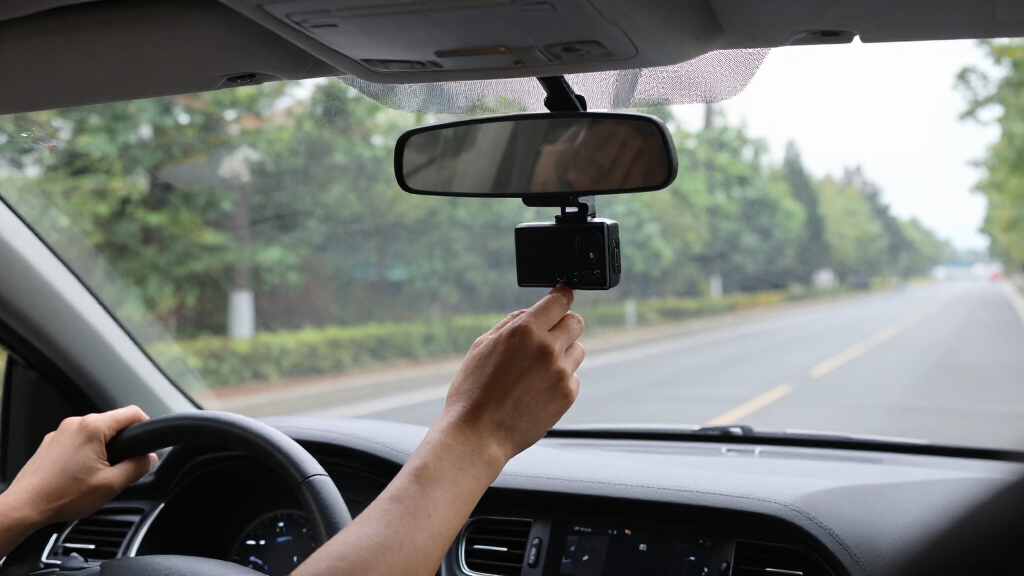
For most drivers, I’d start with the REDTIGER F7NP, which pairs 4K front and rear recording with a STARVIS 2 sensor. The 70mai A810 Lite stands out for drivers who want GPS and 4G LTE support, while the IIWEY N6 offers four-channel coverage for a wider view around the car. The main choice is between a simpler front-and-rear setup and more cameras that capture the cabin or sides but add installation and storage demands. Resolution, night recording, app access, and parking features also vary across this lineup. Read on for the full breakdown and help matching a dash cam to your car and driving needs.

Get business pricing on garage and car supplies
- Business-only prices and quantity discounts
- Tax-exempt purchasing
- Multiple users, one account, clear invoices
Complete the kit


Key Takeaways
- The lineup splits between front-and-rear models, such as the REDTIGER F7NP and ROVE R2-4K, and multi-camera systems that add cabin, side, or broad 360-degree coverage.
- A 4K label alone does not tell the whole story: sensor details, camera placement, and night-vision claims affect how useful footage may be when details matter.
- Included storage ranges from 32GB to 128GB among the named products, so recording duration and how often footage is overwritten differ even before adding more cameras.
- Connectivity choices serve different routines: 5GHz Wi-Fi and app controls support phone access, while GPS and 4G LTE support address location data and connected features.
- The strongest fit depends on coverage needs: a two-camera kit keeps the setup simpler, while four- or five-channel models trade added views for more installation and storage complexity.
| CURRENBA 4-Channel 360° Dash Cam with 4K Front Camera, 1080P Lenses, and 64GB Card |  | Best for Four-Side Coverage | Camera channels: 4 | Front resolution: 4K (2160p) | Other lens resolution: 1080p | VIEW LATEST PRICE | See Our Full Breakdown |
| SUVCON J06 3-Channel Dash Cam with Front, Cabin, and Rear Cameras |  | Best for Beginners | Camera channels: 3: front, cabin, and rear | Video resolution: 1296p | Field of view: 170° front, 150° cabin, 150° rear | VIEW LATEST PRICE | See Our Full Breakdown |
| Galphi 4K Front Dash Cam with 5GHz Wi-Fi and 32GB Memory Card |  | Best Compact Pick | Video resolution: 4K (2160p) | Frame rate: 30 fps | Field of view: 160 degrees | VIEW LATEST PRICE | See Our Full Breakdown |
| IIWEY N6 360° 4-Channel Dash Cam with 128GB Card |  | Best High-Capacity 360° Pick | Camera channels: 4 | Video resolution: 2K (1440p) front; 1080p rear and sides | Field of view: 170° front and rear; 150° sides | VIEW LATEST PRICE | See Our Full Breakdown |
| 70mai A810 Lite 4K Front and Rear Dash Cam with GPS and 4G LTE Support |  | Best Connected Front-and-Rear Pick | Front video resolution: 3840×2160 (4K) | Rear video resolution: 1080p | Field of view: 140 degrees | VIEW LATEST PRICE | See Our Full Breakdown |
| 4-Channel 360° Dash Cam with 4K Front and 1080p Cameras |  | Best for All-Around Cabin and Road Coverage | Channels: 4 | Video resolution: 2160p front; 1080p on three additional lenses | Field of view: 360° | VIEW LATEST PRICE | See Our Full Breakdown |
| REDTIGER F7NP 4K Front and Rear Dash Cam with STARVIS 2 Sensor |  | Best for Front-and-Rear Low-Light Recording | Video resolution: 4K front; 1080p rear | Field of view: 170° front; 140° rear | Sensor: STARVIS 2 CMOS | VIEW LATEST PRICE | See Our Full Breakdown |
| Veement V300 1296P Front Dash Cam with Wi-Fi |  | Best Simple Front-Camera Pick | Model: V300 | Video resolution: 1296p (2304 × 1296) | Frame rate: 30 FPS | VIEW LATEST PRICE | See Our Full Breakdown |
| 4K Front and Rear Dual Dash Cam with 128GB Card and Starlight Night Vision |  | Best for 4K Detail at Both Ends | Video resolution: 4K front; 4K rear | Field of view: 170° front; 160° rear | Aperture: f/1.5 | VIEW LATEST PRICE | See Our Full Breakdown |
| C5 Dual Dash Cam Front and Rear 4K+1080P with 5GHz WiFi, App Control, and 64GB Card |  | Best Compact Dual-Camera Pick | Model: C5 | Video resolution: 4K front; 1080p rear | Aperture: F1.8 | VIEW LATEST PRICE | See Our Full Breakdown |
| Four-Channel 1080p Dash Cam with 128GB Card |  | Best for Four-Side Coverage | Camera channels: 4 | Video resolution: 1080p | Field of view: 360 degrees | VIEW LATEST PRICE | See Our Full Breakdown |
| 70mai A800SE 4K Front and Rear Dash Cam with 128GB Card |  | Best for Balanced Front-and-Rear Recording | Front resolution: 4K (2160p) | Rear resolution: 1080p | Field of view: 140 degrees | VIEW LATEST PRICE | See Our Full Breakdown |
| Affver 5-Channel 4K Dash Cam with Front, Rear, Cabin, Left and Right Cameras, GPS and Wi-Fi |  | Best for Maximum Camera Coverage | Camera channels: 5 | Video resolution: 4K front; 1080p cabin, rear, left, and right | Field of view: 160 degrees | VIEW LATEST PRICE | See Our Full Breakdown |
| ROVE R2-4K Dual Dash Cam with Front and Rear Cameras |  | Best for Low-Light Front-and-Rear Footage | Front resolution: Upscaled 4K (2160p) from a 2.5K QHD sensor | Rear resolution: 1080p Full HD | Front sensor: Sony STARVIS 2 IMX675, 5MP | VIEW LATEST PRICE | See Our Full Breakdown |
| REDTIGER F7N Touch 4K Front and 1080P Rear Dash Cam with GPS and 128GB Card |  | Best for Touchscreen Controls | Front resolution: 4K UHD (2160p) | Rear resolution: 1080p FHD | Field of view: 170 degrees front; 140 degrees rear | VIEW LATEST PRICE | See Our Full Breakdown |
| dash cams for car | Display | Field of view | Connectivity | Video resolution |
|---|---|---|---|---|
| CURRENBA 4-Channel 360° Dash C | 3-inch IPS | — | Dual-band 5GHz Wi-Fi | — |
| SUVCON J06 3-Channel Dash Cam | 3.47-inch IPS | 170° front, 150° cabin, 150° rear | — | 1296p |
| Galphi 4K Front Dash Cam with | No display | 160 degrees | 5GHz Wi-Fi | 4K (2160p) |
| IIWEY N6 360° 4-Channel Dash C | 3.18-inch IPS | 170° front and rear; 150° sides | Wi-Fi 6 at 5.8GHz and 2.4GHz | 2K (1440p) front; 1080p rear and sides |
| 70mai A810 Lite 4K Front and R | 3.18 inches | 140 degrees | 5GHz Wi-Fi 6, USB, and 4G LTE support | — |
| 4-Channel 360° Dash Cam with 4 | 1.38 inches | 360° | 5.8 GHz Wi-Fi | 2160p front; 1080p on three additional lenses |
| REDTIGER F7NP 4K Front and Rea | 3.16-inch LCD | 170° front; 140° rear | Built-in 5.8 GHz Wi-Fi | 4K front; 1080p rear |
| Veement V300 1296P Front Dash | — | 170° | Wi-Fi | 1296p (2304 × 1296) |
| 4K Front and Rear Dual Dash Ca | 3-inch IPS | 170° front; 160° rear | Wi-Fi and USB; 2.4 GHz and 5 GHz Wi-Fi | 4K front; 4K rear |
| C5 Dual Dash Cam Front and Rea | — | — | 5 GHz Wi-Fi and USB | 4K front; 1080p rear |
| Four-Channel 1080p Dash Cam wi | 3 inches | 360 degrees | USB; 5 GHz Wi-Fi | 1080p |
| 70mai A800SE 4K Front and Rear | 3 inches | 140 degrees | Wi-Fi 6 | — |
| Affver 5-Channel 4K Dash Cam w | 1.5-inch IPS | 160 degrees | 5.8 GHz Wi-Fi | 4K front; 1080p cabin, rear, left, and right |
| ROVE R2-4K Dual Dash Cam with | 3-inch IPS | 150 degrees front; 140 degrees rear | — | — |
| REDTIGER F7N Touch 4K Front an | 3.18-inch LCD touchscreen | 170 degrees front; 140 degrees rear | — | — |
More Details on Our Top Picks
CURRENBA 4-Channel 360° Dash Cam with 4K Front Camera, 1080P Lenses, and 64GB Card
The CURRENBA S25S records the front, rear, and both sides, making it a better fit for drivers who want evidence of activity around the whole car than the Galphi 4K, which records forward only. Its 4K front camera gives the main road view more detail, while three adjustable 1080p lenses widen coverage to the cabin’s surroundings. A 64GB card is included, and the G-sensor can lock footage after a detected collision. Infrared LEDs and WDR support recording in difficult light. The tradeoff is a more involved setup than a simple front camera: parking monitoring needs a separate hardwire kit, and the stated front-camera monitoring range is only 3–4 meters. I’d choose this for broad coverage, not for a minimalist installation.
Pros:- Four channels record front, rear, left, and right views.
- 4K front video is paired with three adjustable 1080p lenses.
- Includes a 64GB memory card, loop recording, and G-sensor event locking.
- Infrared LEDs and WDR support low-light and challenging-light recording.
Cons:- Parking monitoring requires a separately purchased hardwire kit.
- The stated front-camera monitoring range is limited to 3–4 meters.
- Four-camera coverage adds installation and framing work compared with a compact single-camera model.
Best for: Drivers who want front, rear, and side footage in one system, especially those concerned about incidents near the parked car.
Not ideal for: Drivers seeking a straightforward front-only camera or parking surveillance without buying a separate hardwire kit.
- Camera channels:4
- Front resolution:4K (2160p)
- Other lens resolution:1080p
- Display:3-inch IPS
- Included memory card:64GB
- Connectivity:Dual-band 5GHz Wi-Fi
- GPS:Supported
- Night recording:8 infrared LEDs and WDR
- Parking monitoring:Supported with a separately purchased hardwire kit
Our verdict“Choose the CURRENBA if recording all four sides matters more than keeping installation simple.”
SUVCON J06 3-Channel Dash Cam with Front, Cabin, and Rear Cameras
The SUVCON J06 is a practical starting point for drivers who want more than a forward view without stepping up to a four-channel system like the CURRENBA S25S. Its three cameras cover the front, cabin, and rear, and the included 32GB card and installation accessories help make the package usable without assembling a separate parts list. The 3.47-inch IPS screen also makes basic framing and playback more direct than on the screen-free Galphi 4K. HDR and infrared cabin night vision address changing light and interior recording, while the G-sensor can lock impact footage. The main compromise is storage: support tops out at 32GB, leaving less room for saved clips than models that accept larger cards. The rear camera’s resolution is also unspecified, so I wouldn’t pick it when rear-image detail is the priority.
Pros:- Three channels cover the road, cabin, and rear of the vehicle.
- Includes a 32GB card and useful wiring and installation accessories.
- 3.47-inch IPS display provides an onboard view for setup and playback.
- HDR and infrared cabin night vision support varied lighting.
Cons:- Maximum supported memory card capacity is 32GB.
- Rear-camera resolution is not specified.
- Parking recording is impact-triggered, rather than the stated continuous coverage available from some hardwired systems.
Best for: First-time dash-cam buyers who want front, cabin, and rear recording with an onboard screen and installation accessories included.
Not ideal for: Drivers who need large storage capacity or want confirmed high-resolution rear footage.
- Camera channels:3: front, cabin, and rear
- Video resolution:1296p
- Field of view:170° front, 150° cabin, 150° rear
- Display:3.47-inch IPS
- Included memory card:32GB microSD
- Maximum supported card:32GB
- Frame rate:30 FPS
- Video format:MP4
- Special features:Loop recording, G-sensor, parking monitor, HDR, and infrared night vision
Our verdict“Pick the SUVCON J06 for an approachable three-camera setup, but skip it if storage space or defined rear resolution matters most.”
Galphi 4K Front Dash Cam with 5GHz Wi-Fi and 32GB Memory Card
The Galphi 4K keeps the setup focused: it records a 160-degree forward view in 4K, hides its display, and sends footage to a phone over 5GHz Wi-Fi. That compact, screen-free approach suits drivers who want a discreet camera rather than the larger, multi-view arrangement of the SUVCON J06 or CURRENBA S25S. Its F/1.6 aperture and WDR support night recording, while the G-sensor can lock detected impact clips. A pre-installed 32GB card gets recording started without a separate card purchase, and support for cards up to 256GB leaves room to expand. The tradeoff is clear: there’s no rear or cabin footage and no built-in display for checking framing. Its 24-hour parking mode also needs a separately purchased Type-C hardwire kit.
Pros:- Records forward video in 4K at 30 fps through a 160-degree lens.
- Compact screen-free design keeps the windshield setup discreet.
- Includes a pre-installed 32GB microSD card and supports cards up to 256GB.
- 5GHz Wi-Fi, G-sensor locking, F/1.6 aperture, and WDR support clip access and night recording.
Cons:- Records only the front view, unlike the three-channel SUVCON J06.
- No built-in display for setup or playback.
- 24-hour parking mode requires a separately purchased Type-C hardwire kit.
Best for: Drivers who want a discreet windshield camera with detailed forward recording and phone-based clip access.
Not ideal for: Drivers who need rear or cabin footage, an onboard screen, or parking mode without additional wiring.
- Video resolution:4K (2160p)
- Frame rate:30 fps
- Field of view:160 degrees
- Connectivity:5GHz Wi-Fi
- Included memory card:32GB microSD
- Maximum supported card:256GB
- Maximum aperture:F/1.6
- Display:No display
- Parking mode:24-hour mode requires a separately purchased Type-C hardwire kit
Our verdict“Choose the Galphi for discreet 4K forward recording, not for multi-angle coverage or a screen-led setup.”
IIWEY N6 360° 4-Channel Dash Cam with 128GB Card
The IIWEY N6 combines four-channel coverage with a more generous included card than the CURRENBA S25S: 128GB versus 64GB. That extra space is useful when several cameras record at once, and the system can accept cards up to 256GB. Its front camera records in STARVIS 2K, while the rear and side cameras record in 1080p; 8 IR LEDs support night vision. Built-in GPS adds route information, and Wi-Fi 6 offers a faster path to previewing or transferring clips than a basic USB-only setup. This isn’t a wireless or self-powered camera, though: it needs vehicle power, and parking mode requires a separately sold hardwire kit. Buyers should also remove the protective film from the lenses to avoid artifacts. I’d favor it when storage and four-way coverage outrank plug-and-play simplicity.
Pros:- Four channels provide front, rear, and side coverage.
- Includes a 128GB card and supports expansion up to 256GB.
- STARVIS 2K front video, 1080p rear and side video, and 8 IR LEDs support varied recording conditions.
- Built-in GPS and Wi-Fi 6 support route logging and file transfers.
Cons:- Requires a continuous vehicle power connection; it has no built-in battery.
- Parking mode requires a separately purchased hardwire kit.
- Protective film must be removed from the lenses to avoid recording artifacts.
Best for: Drivers who want four-channel recording, built-in GPS, and more included storage for frequent or extended driving.
Not ideal for: Drivers seeking a simple front camera, a battery-powered setup, or parking surveillance without a separate hardwire kit.
- Camera channels:4
- Video resolution:2K (1440p) front; 1080p rear and sides
- Field of view:170° front and rear; 150° sides
- Included memory card:128GB microSD
- Maximum supported card:256GB
- Connectivity:Wi-Fi 6 at 5.8GHz and 2.4GHz
- GPS:Built-in
- Display:3.18-inch IPS
- Power and parking mode:Wired vehicle power; parking mode requires a separately sold hardwire kit
Our verdict“Choose the IIWEY N6 over the CURRENBA when you want four-way coverage with a larger included card and GPS.”
70mai A810 Lite 4K Front and Rear Dash Cam with GPS and 4G LTE Support
The 70mai A810 Lite is the most feature-rich two-camera option in this group: it pairs 4K front video with 1080p rear recording, GPS, voice control, Wi-Fi 6, and support for 4G LTE. That makes it a more connected choice than the Galphi 4K, which records only forward, while avoiding the extra side-camera hardware of the four-channel IIWEY N6. HDR and an F1.55 aperture are aimed at improving footage in difficult light, and the 64GB card can be expanded up to 512GB. Its supercapacitor is designed for heat resistance, a useful trait for a windshield-mounted device. The catch is that remote LTE access and parking modes depend on separately purchased compatible hardwire kits. I’d choose it for front-and-rear evidence and connected features, not for a kit-free parking setup.
Pros:- Records 4K front and 1080p rear video.
- GPS, voice control, app management, and Wi-Fi 6 provide several ways to manage footage.
- Includes a 64GB card and supports expansion up to 512GB.
- HDR, F1.55 aperture, and a supercapacitor support low-light recording and heat-conscious operation.
Cons:- 4G LTE remote access requires a compatible UP05 hardwire kit.
- Parking modes require a compatible UP03, UP05, or UP06 hardwire kit.
- Does not provide the side-camera coverage offered by four-channel models such as the IIWEY N6.
Best for: Drivers who want detailed front and rear recording, route data, voice control, and the option of remote access with added hardware.
Not ideal for: Drivers who need side-camera coverage or expect LTE remote access and parking modes to work without a compatible hardwire kit.
- Front video resolution:3840×2160 (4K)
- Rear video resolution:1080p
- Field of view:140 degrees
- Display:3.18 inches
- Connectivity:5GHz Wi-Fi 6, USB, and 4G LTE support
- GPS:GPS, GLONASS, and BDS
- Aperture:F1.55
- Storage:64GB microSD included; supports up to 512GB
- Parking modes:G-sensor impact detection and time-lapse; compatible hardwire kit required
Our verdict“Pick the 70mai A810 Lite for connected front-and-rear recording, provided you’re willing to add hardware for LTE or parking features.”
4-Channel 360° Dash Cam with 4K Front and 1080p Cameras
For drivers who want more than front-and-rear evidence, this four-channel model adds three adjustable 1080p lenses to its 4K front camera, giving it a wider coverage plan than the dual-camera REDTIGER F7NP. That can help capture activity around the cabin and sides as well as the road ahead, though the extra viewpoints mean more footage to review and manage. Infrared night vision, a 64 GB included card, and G-sensor event locking make it usable out of the box, while Wi-Fi supports phone access to recordings. Its 1.38-inch screen is small, and the included storage is less generous than the REDTIGER’s 128 GB card. Parking monitoring needs a separately purchased hardwire kit, so this is best for coverage breadth rather than a ready-made parked-car setup.
Pros:- Four cameras provide 360° coverage with adjustable additional lenses.
- 4K front recording is paired with three 1080p camera feeds.
- Includes a 64 GB memory card for recording from the start.
- G-sensor locks footage after detected impacts.
Cons:- 24-hour parking monitoring requires a separately purchased hardwire kit.
- The 1.38-inch screen is small for reviewing clips in the car.
- The included 64 GB card is smaller than the REDTIGER F7NP’s 128 GB card.
Best for: Drivers who want to record the road, cabin, and surrounding areas with one windshield-mounted system.
Not ideal for: Drivers who want a straightforward two-camera setup, a large display, or parking monitoring without buying extra wiring.
- Channels:4
- Video resolution:2160p front; 1080p on three additional lenses
- Field of view:360°
- Display:1.38 inches
- Connectivity:5.8 GHz Wi-Fi
- Night vision:8 infrared LEDs; F1.6 aperture
- Included memory card:64 GB
- Maximum memory capacity:256 GB
- Parking mode:24-hour monitoring; hardwire kit required
Our verdict“Choose this model if broad, multi-angle coverage matters more than a large screen or generous included storage.”
REDTIGER F7NP 4K Front and Rear Dash Cam with STARVIS 2 Sensor
The REDTIGER F7NP is a practical pick for drivers who want strong front resolution without giving up a dedicated rear view. Its 4K front and 1080p rear cameras are a more focused setup than the four-channel 360° dash cam, but leave fewer angles uncovered. STARVIS 2, WDR, and HDR are aimed at handling changing light, while built-in GPS can add location information to recordings. The 128 GB card also gives it more included storage than the C5 Dual Dash Cam’s 64 GB card. Wi-Fi and app controls help with clip access, but older footage is overwritten when the card fills, so important recordings need prompt management. Parking modes require a separate hardwire kit, and buyers seeking matching 4K detail from both cameras should look at the dual-4K model instead.
Pros:- Records 4K video from the front and 1080p from the rear.
- STARVIS 2, WDR, and HDR support recording in varied lighting.
- Built-in GPS and 5.8 GHz Wi-Fi provide location data and app access.
- Includes a 128 GB memory card and uses a heat-resistant supercapacitor.
Cons:- Parking monitoring requires a separately purchased hardwire kit.
- Older recordings are automatically overwritten when storage is full.
- Rear video is 1080p, below the dual-4K model’s rear resolution.
Best for: Drivers who want a front-and-rear system with front 4K detail, low-light image features, GPS, and a substantial included card.
Not ideal for: Buyers who need 4K recording from the rear camera or want parking monitoring without installing a separate hardwire kit.
- Video resolution:4K front; 1080p rear
- Field of view:170° front; 140° rear
- Sensor:STARVIS 2 CMOS
- Connectivity:Built-in 5.8 GHz Wi-Fi
- GPS:Built-in
- Display:3.16-inch LCD
- Included memory card:128 GB
- Maximum supported memory:512 GB
- Parking mode:Time-lapse and G-sensor modes; hardwire kit required
Our verdict“Pick the F7NP for a balanced front-and-rear setup with GPS and low-light features, but choose another model if rear 4K is a priority.”
Veement V300 1296P Front Dash Cam with Wi-Fi
The Veement V300 keeps the setup focused: it records the road ahead at 1296p through a 170° lens, without the rear-camera installation required by the REDTIGER F7NP or C5 Dual Dash Cam. That simplicity suits drivers who mainly want a front-facing record and phone access to clips. The VeeCar app can preview, play, download, and share footage over local Wi-Fi; this connection does not provide internet access, so it is for nearby use rather than remote viewing. Night vision, loop recording, and a G-sensor cover core recording needs, but the microSD card is sold separately. Continuous USB-C power is also required, and the listed parking mode does not remove that power dependency. Compared with the C5, this is a lower-resolution, single-camera choice with no included card, but it avoids paying for a rear feed some drivers may not need.
Pros:- 1296p recording and a 170° field of view cover the forward road scene.
- VeeCar supports previewing, playback, downloading, and sharing clips.
- Loop recording and G-sensor event detection support routine and incident capture.
- Includes an 11.5 ft USB-C power cable and cable pry tool.
Cons:- A microSD card is not included.
- Requires continuous USB-C power while operating.
- Local Wi-Fi does not provide internet or remote access.
Best for: Drivers who want a basic front-facing recorder and app-based clip access, and are comfortable supplying their own microSD card.
Not ideal for: Drivers who need rear-camera footage, included storage, or a camera that can operate without continuous USB-C power.
- Model:V300
- Video resolution:1296p (2304 × 1296)
- Frame rate:30 FPS
- Field of view:170°
- Connectivity:Wi-Fi
- App:VeeCar
- Storage:microSD; supports up to 256 GB
- Power:Continuous USB-C power
- Features:Night vision, loop recording, G-sensor, and parking mode
Our verdict“Choose the V300 if you want a straightforward front-only recorder with app clip access and can provide a memory card and continuous power.”
4K Front and Rear Dual Dash Cam with 128GB Card and Starlight Night Vision
Among the dual-camera options here, this model stands out by recording 4K from both front and rear, while the REDTIGER F7NP pairs a 4K front camera with a 1080p rear one. That difference may matter to drivers who want more detail in footage from either direction, though it still covers only two viewpoints rather than the four-channel dash cam’s broader cabin and side coverage. A starlight sensor, WDR, and f/1.5 aperture support recording in changing light; built-in GPS, Wi-Fi, and a 3-inch IPS display add useful ways to manage footage. The included 128 GB card is ample to start, but parking mode requires separate hardwiring. Storage capacity is also described inconsistently in the supplied product information, so I would not rely on an expansion figure beyond the clearly listed 512 GB maximum.
Pros:- Records 4K video from both front and rear cameras.
- Starlight sensor, WDR, and f/1.5 aperture support varied-light recording.
- Built-in GPS, Wi-Fi, and a 3-inch IPS display aid footage review.
- Includes a 128 GB microSD card and emergency video locking.
Cons:- 24-hour parking mode requires a separately purchased hard-wiring kit.
- The supplied storage information is inconsistent beyond the stated 512 GB maximum.
- Two-camera coverage leaves cabin and side areas outside the recorded views.
Best for: Drivers who want high-resolution footage from both front and rear cameras, plus GPS and an onboard display.
Not ideal for: Drivers who need cabin or side views, or who want 24-hour parking monitoring without a separate hardwire installation.
- Video resolution:4K front; 4K rear
- Field of view:170° front; 160° rear
- Aperture:f/1.5
- Connectivity:Wi-Fi and USB; 2.4 GHz and 5 GHz Wi-Fi
- Display:3-inch IPS
- GPS:Built-in
- Included memory card:128 GB microSD
- Maximum supported storage:512 GB
- Parking mode:Time-lapse; hard-wiring kit required
Our verdict“Choose this model over the REDTIGER F7NP if 4K rear footage matters more than broader multi-angle coverage.”
C5 Dual Dash Cam Front and Rear 4K+1080P with 5GHz WiFi, App Control, and 64GB Card
The C5 is a space-conscious alternative to the REDTIGER F7NP, pairing a 4K front camera with a 1080p rear camera in a compact unit with a 0.96-inch screen. Its small display keeps the device unobtrusive, but it is less suited to checking footage in the car than the REDTIGER’s 3.16-inch LCD. A 5 GHz Wi-Fi connection supports app control and video transfer, while the F1.8 aperture is intended to help with low-light recording. The included 64 GB card gets recording started without a separate storage purchase, although it provides less space than the F7NP’s 128 GB card. The C5 also requires a wired power connection during use; its optional parking mode calls for a separate hardwire kit. It makes most sense when compactness matters more than a larger screen or longer storage headroom.
Pros:- Records 4K video from the front and 1080p from the rear.
- Compact body and 0.96-inch screen take up little visual space.
- 5 GHz Wi-Fi supports app control and video transfer.
- Includes a 64 GB microSD card and uses an F1.8 aperture.
Cons:- Parking mode requires a separately purchased hardwire kit.
- Must remain connected to power while operating.
- The 64 GB included card offers less capacity than the REDTIGER F7NP’s 128 GB card.
Best for: Drivers seeking a compact front-and-rear 4K/1080p system with app access and an included memory card.
Not ideal for: Drivers who want a large onboard display, 4K rear video, or parking monitoring without buying a hardwire kit.
- Model:C5
- Video resolution:4K front; 1080p rear
- Aperture:F1.8
- Connectivity:5 GHz Wi-Fi and USB
- Included storage:64 GB microSD card
- Maximum supported storage:256 GB
- Screen size:0.96 inches
- Dimensions:0.78 × 3.35 × 1.18 inches
- Power and parking mode:Wired power; separate hardwire kit required for parking mode
Our verdict“Pick the C5 if you want a compact dual-camera setup with an included card, and can accept a small screen and wired power.”
Four-Channel 1080p Dash Cam with 128GB Card
I’d choose this model when recording around the whole vehicle matters more than maximizing front-camera detail. Its four simultaneous 1080p views cover the front, rear, and both sides, making it a more direct fit for drivers who want evidence of incidents beside the car than the 70mai A800SE, which records front and rear only. A 128GB card is included, and loop recording with incident locking helps keep relevant clips from being overwritten during ordinary use.
The tradeoff is that every channel tops out at 1080p, so the front view has less detail potential than the 70mai’s 4K recording. Night vision, infrared lights, and WDR support varied lighting, but parking mode needs an optional ACC hardwire kit, and GPS needs a separately sold logger. I’d shortlist it for coverage breadth, not for built-in location data or high-resolution front footage.
Pros:- Records front, rear, left, and right views simultaneously.
- Includes a 128GB microSD card and supports cards up to 256GB.
- WDR, infrared lights, and night vision support recording in varied lighting.
- Loop recording and incident locking help preserve event footage.
Cons:- All four cameras record at a maximum of 1080p.
- Parking mode requires a separately sold ACC hardwire kit.
- GPS tracking requires a separately sold GPS logger.
Best for: Drivers of larger vehicles who want simultaneous front, rear, and side coverage for incidents around the vehicle.
Not ideal for: Buyers who prioritize 4K front footage, built-in GPS, or parking monitoring without buying additional hardware.
- Camera channels:4
- Video resolution:1080p
- Field of view:360 degrees
- Frame rate:30 FPS
- Display:3 inches
- Connectivity:USB; 5 GHz Wi-Fi
- Included memory:128GB microSD; supports up to 256GB
- Parking mode:Requires optional ACC hardwire kit
Our verdict“Choose it if four-direction coverage matters more than 4K detail or built-in GPS.”
70mai A800SE 4K Front and Rear Dash Cam with 128GB Card
The 70mai A800SE is my pick for drivers who want a strong front view without giving up rear coverage. It records 4K at the front and 1080p at the rear, with an adjustable rear camera that can be aimed toward the cabin or behind the vehicle. Compared with the Four-Channel 1080p Dash Cam, it gives the main forward view more resolution but covers fewer directions. Dual HDR and an F1.55 aperture are aimed at retaining useful detail in challenging light, while built-in GPS adds location data without an extra logger.
Wi-Fi 6 and app control make previewing and downloading clips part of the package, and the included 128GB card can be expanded to 512GB. The compromise is the familiar split in image quality: the rear camera remains 1080p. The 24-hour parking monitor is optional, so I wouldn’t pick this for around-the-clock surveillance unless the required setup suits your vehicle.
Pros:- Records 4K front video and 1080p rear video.
- Adjustable rear camera can be aimed toward the cabin or the road behind.
- Built-in GPS and Wi-Fi 6 support location-tagged footage and app transfers.
- Includes a 128GB microSD card and supports up to 512GB.
Cons:- Rear footage is 1080p rather than 4K.
- 24-hour parking monitoring is optional.
- Its two-camera layout does not record both sides of the vehicle.
Best for: Commuters who want detailed 4K forward footage, a rear camera, and built-in GPS in one two-camera system.
Not ideal for: Drivers who need side-camera coverage or want parking monitoring without arranging the optional setup.
- Front resolution:4K (2160p)
- Rear resolution:1080p
- Field of view:140 degrees
- Display:3 inches
- Connectivity:Wi-Fi 6
- GPS:Built in
- Included memory:128GB microSD; supports up to 512GB
- Frame rate:24 or 30 FPS
Our verdict“Pick the A800SE for a well-rounded front-and-rear setup with 4K forward recording and built-in GPS.”
Affver 5-Channel 4K Dash Cam with Front, Rear, Cabin, Left and Right Cameras, GPS and Wi-Fi
For drivers who want the cabin and both sides recorded alongside the road, the Affver offers the broadest view in this group: five cameras running at once, with 4K at the front and 1080p for the cabin, rear, left, and right. That makes it more suited to rideshare, fleet, or larger-vehicle use than the ROVE R2-4K Dual Dash Cam, which focuses on front-and-rear recording. Built-in GPS adds route and location data, and infrared cabin night vision helps keep the interior view useful when the vehicle is dark.
This coverage comes with compromises. The four secondary views are 1080p, and the 1.5-inch screen is small for reviewing a five-camera setup in the vehicle. The 128GB card is included, with support up to 512GB, but parking mode requires a separate hardwire kit. I’d favor it when seeing more angles matters more than a larger display or simple installation.
Pros:- Records five views simultaneously, including the cabin and both sides.
- Captures front footage in 4K and the other four views in 1080p.
- Built-in GPS and infrared cabin night vision add useful recording context.
- Includes a 128GB microSD card and supports cards up to 512GB.
Cons:- Parking mode requires a separately sold hardwire kit.
- The 1.5-inch screen is small for checking a multi-camera system.
- Only the front camera records in 4K.
Best for: Rideshare drivers, fleet operators, and owners of larger vehicles who need front, rear, cabin, and side footage.
Not ideal for: Drivers seeking a simple two-camera installation, a large built-in screen, or parking surveillance without extra wiring.
- Camera channels:5
- Video resolution:4K front; 1080p cabin, rear, left, and right
- Field of view:160 degrees
- Frame rate:30 FPS
- Display:1.5-inch IPS
- Connectivity:5.8 GHz Wi-Fi
- GPS:Built in
- Included memory:128GB microSD; supports up to 512GB
- Parking mode:Requires separately sold hardwire kit
Our verdict“Choose the Affver when five-angle coverage is your priority and you can accept extra installation work.”
ROVE R2-4K Dual Dash Cam with Front and Rear Cameras
The ROVE R2-4K is a strong match for drivers who put night and low-light recording ahead of extra camera angles. Its Sony STARVIS 2 sensor, HDR, and wide apertures support front-and-rear capture, while built-in GPS can add route, location, and speed information to clips. Unlike the REDTIGER F7N Touch, which offers a touchscreen and voice control, the ROVE’s listed strengths center on its sensor, dual-band Wi-Fi, and expandable storage. Its 3-inch IPS display also gives it more screen space than the Affver’s compact five-channel unit.
There is an important resolution caveat: the front’s “4K” output is upscaled from a 2.5K sensor, not native 4K capture. The rear camera records at 1080p. Parking options include time-lapse, motion, and collision detection, but they require a separate hardwire kit. I’d select it for low-light priorities and flexible storage rather than for native 4K or easy, wire-free parking surveillance.
Pros:- STARVIS 2, HDR, and wide apertures support low-light capture.
- Built-in GPS records route, location, and speed data.
- Includes a 128GB microSD card and supports storage up to 1TB.
- Offers time-lapse, motion, and collision-detection parking modes.
Cons:- Front 4K output is upscaled from a 2.5K sensor.
- Parking modes require a separately sold hardwire kit.
- Rear recording is limited to 1080p.
Best for: Drivers who regularly travel at night and want front-and-rear recording with built-in GPS and expandable storage.
Not ideal for: Buyers who require native 4K front capture or expect parking modes to work without a separately purchased hardwire kit.
- Front resolution:Upscaled 4K (2160p) from a 2.5K QHD sensor
- Rear resolution:1080p Full HD
- Front sensor:Sony STARVIS 2 IMX675, 5MP
- Field of view:150 degrees front; 140 degrees rear
- Display:3-inch IPS
- Wi-Fi:Dual-band 5.8 GHz and 2.4 GHz
- GPS:Built in
- Included memory:128GB microSD; supports up to 1TB
- Parking modes:1 fps time-lapse, motion detection, and collision detection; hardwire kit required
Our verdict“Choose the ROVE for low-light-focused dual-camera coverage, provided upscaled rather than native 4K suits you.”
REDTIGER F7N Touch 4K Front and 1080P Rear Dash Cam with GPS and 128GB Card
The REDTIGER F7N Touch is the straightforward choice here for drivers who want to manage the camera from its display rather than depend mainly on a phone. Its 3.18-inch touchscreen, voice control, and built-in GPS make day-to-day operation more hands-on than the 70mai A800SE, which leans on Wi-Fi 6 and app control. The front camera records at 4K, the rear at 1080p, and wide viewing angles provide coverage at both ends of the vehicle. WDR, HDR, and night vision target changing light conditions.
It also includes a 128GB card, but the listed maximum supported capacity is only 64GB—an awkward specification conflict that makes storage expansion a poor reason to choose it. As with the ROVE R2-4K, parking surveillance needs separate hardwire equipment. The F7N makes more sense for accessible controls and a wide front view than for buyers seeking clear storage guidance or additional side-camera coverage.
Pros:- Records 4K front video and 1080p rear video.
- Touchscreen, voice control, and built-in GPS provide several ways to manage recordings.
- 170-degree front and 140-degree rear fields of view cover both ends of the vehicle.
- Includes a 128GB memory card and supports loop recording.
Cons:- Parking monitoring requires a separately sold hardwire kit.
- The listed 64GB maximum supported capacity conflicts with the included 128GB card.
- Its two-camera setup does not record the cabin or sides.
Best for: Drivers who want front-and-rear recording with built-in GPS and prefer touchscreen or voice controls over app-only operation.
Not ideal for: Buyers who need side-camera coverage, dependable guidance on storage expansion, or parking monitoring without a hardwire kit.
- Front resolution:4K UHD (2160p)
- Rear resolution:1080p FHD
- Field of view:170 degrees front; 140 degrees rear
- Display:3.18-inch LCD touchscreen
- Wi-Fi:5.8 GHz; downloads up to 20 MB/s
- GPS:Built in
- Included memory:128GB memory card
- Listed maximum supported memory:64GB
- Parking monitoring:G-sensor and time-lapse modes; separate hardwire kit required
Our verdict“Pick the F7N Touch if accessible on-camera controls matter more than side coverage or unambiguous storage limits.”
How We Picked
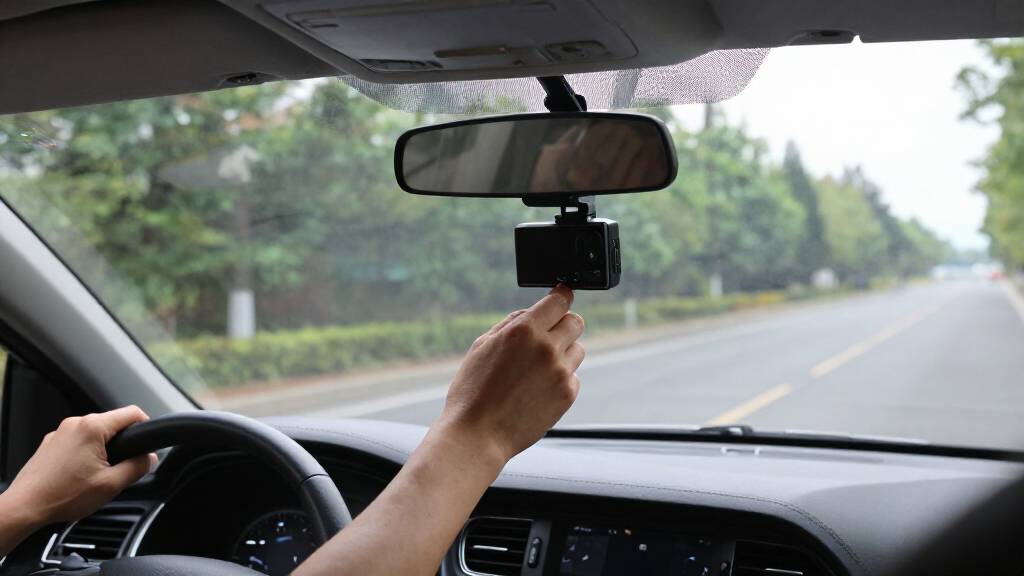
I compared these dash cams for cars by the decisions that affect everyday ownership: camera coverage, stated resolution, low-light features, included storage, connectivity, and the likely effort of installing and managing the system. I gave more weight to combinations that serve a clear driving need than to a high channel count or resolution on its own. A front-and-rear model can be a more practical choice for many commuters, while cabin and side cameras make more sense when a driver needs broader incident coverage.
The ranking also reflects tradeoffs visible in the product details provided. Models with named differentiators, such as the STARVIS 2 sensor, GPS, 4G LTE support, or larger included cards, earn attention for those specific needs; they are not treated as proof of footage quality or feature performance beyond the listed claims. I distinguish simpler setups from multi-camera systems because extra views can bring more wiring, storage use, and setup work. Where product details are limited, I avoid assuming features that were not specified and position the option around what is clearly stated.
| dash cams for car | GPS |
|---|---|
| CURRENBA 4-Channel 360° Dash C | Supported |
| SUVCON J06 3-Channel Dash Cam | — |
| Galphi 4K Front Dash Cam with | — |
| IIWEY N6 360° 4-Channel Dash C | Built-in |
| 70mai A810 Lite 4K Front and R | GPS, GLONASS, and BDS |
| 4-Channel 360° Dash Cam with 4 | — |
| REDTIGER F7NP 4K Front and Rea | Built-in |
| Veement V300 1296P Front Dash | — |
| 4K Front and Rear Dual Dash Ca | Built-in |
| C5 Dual Dash Cam Front and Rea | — |
| Four-Channel 1080p Dash Cam wi | — |
| 70mai A800SE 4K Front and Rear | Built in |
| Affver 5-Channel 4K Dash Cam w | Built in |
| ROVE R2-4K Dual Dash Cam with | Built in |
| REDTIGER F7N Touch 4K Front an | Built in |
Factors to Consider When Choosing Dash Cams For Cars
Before choosing among these models, I’d match the camera layout to the events I want recorded, then check how the system handles storage, power, and phone access. These choices can matter more to daily usefulness than picking the largest resolution number.
Choose coverage based on what you need documented
A front camera records the road ahead, while a rear camera adds evidence from behind and may help clarify a collision or tailgating event. Cabin cameras are more relevant to rideshare drivers, parents monitoring passengers, or anyone who needs an interior record. Side-facing and multi-channel systems broaden the view, but they also add cameras and wiring that must be positioned well. A common mistake is buying the most channels without checking whether the lenses can be mounted where they capture useful views in your vehicle. For many private drivers, front and rear coverage is a sensible starting point; choose additional angles when you can name the specific gap they fill.
Treat resolution as one part of image usability
Higher stated resolution can preserve more detail, but the label alone does not guarantee that a plate will be readable in difficult lighting or at speed. Sensor, lens, exposure, windshield reflections, and camera angle all affect the recorded image. Night-vision claims deserve particular attention if you drive after dark, though they should not be treated as a promise of clear footage in every setting. A poorly aimed 4K camera may capture less useful evidence than a well-positioned lower-resolution camera. Check whether the front and rear cameras have different specifications, and remember that extra channels may share recording bandwidth or storage.
Estimate storage needs before adding cameras
Dash cams typically record in a loop, replacing older footage when the card fills, so storage determines how much history remains available before overwrite. Higher-resolution video and additional camera feeds use more space, which makes included capacity more significant on four- or five-channel systems. A larger card can extend the recording window, but it does not remove the need to save important clips promptly. Check the manufacturer’s supported card type and capacity rather than assuming any card will work. If you drive long shifts or want several views recording together, plan for more storage than a short daily commute may require.
Check power and parking-recording requirements
Driving recording is usually straightforward, but parking surveillance may need a separate hardwire kit or another power arrangement. Before buying, verify whether the specific model includes the required parts and whether its parking functions need an accessory. A hardwired setup can record while the car is parked, but it adds installation work and needs appropriate battery protection. Drivers who leave a vehicle in a garage may have little reason to pay for that setup, while street parkers may value it. Do not assume that GPS, LTE, or a parking mode is included just because a model has other connected features.
Decide how much phone connectivity you will actually use
Wi-Fi and app controls can make it easier to review or transfer clips without removing the memory card, but they add another step: pairing and managing the companion app. A 5GHz Wi-Fi claim describes connectivity, not the quality of the recorded footage. GPS can attach location or speed data to recordings, which some drivers want for context and others prefer not to collect. 4G LTE support may offer connected functions, but check separately for the required service, accessories, and setup. If you only need footage after an incident, simple local recording may be easier to live with than a feature set you rarely open.
Account for installation, visibility, and upkeep
Every additional camera creates another mounting position and cable route, and rear or side-camera wiring can be harder in some vehicles than others. A compact front unit may be easier to place discreetly, while a multi-channel setup can make more of the windshield and cabin feel occupied. Before purchase, check how the rear camera connects, whether the cable length suits your vehicle, and whether the mount can be placed without obstructing your view. Also plan to check the lens, card, date and time settings, and saved clips periodically. The best setup is one you can install correctly and maintain, not merely the one with the broadest feature list.
Frequently Asked Questions
Is a front-and-rear dash cam enough, or should I choose a multi-channel model?
For many drivers, front-and-rear coverage records the two directions most relevant to a road incident without adding cabin or side-camera wiring. Multi-channel models make more sense when you need a view of passengers, the vehicle interior, or areas beside the car. The tradeoff is added installation effort and greater demand on storage. I’d choose the least complex layout that captures the events you actually want documented. If you cannot name a use for the extra views, a dual-camera system is often the easier fit.
Will a 4K dash cam reliably capture license plates at night?
Not on resolution alone. Night footage depends on the sensor, lens, lighting, motion, exposure, windshield condition, and camera angle, so 4K does not promise readable plates in every situation. A sensor feature such as the STARVIS 2 specification on the REDTIGER F7NP is a useful point of comparison, but it is not a guarantee of a particular result. Mount the camera where it has a clear view and keep the windshield and lens clean. If night driving is a priority, compare low-light features and real sample footage where available rather than relying only on the resolution label.
How much storage do I need for a dash cam?
The answer depends on how many cameras record, their resolutions, and how long you want footage to remain available before loop recording replaces it. A 128GB card gives more room than a 32GB card, but four or five feeds can use storage faster than a single front camera. Drivers who commute briefly may be comfortable with less capacity than rideshare drivers or people who spend long hours on the road. Check the model’s supported card capacity and recording format before buying a larger card. Save any important clip soon after an incident rather than relying on it staying on the card.
Do I need GPS or 4G LTE in a car dash cam?
GPS can add location and, depending on the system, speed information to recordings, which may help explain where an event happened. LTE support is aimed at connected features and should be checked for any service or accessory requirements. Neither feature is necessary for a camera to record video locally, so drivers who mainly want incident footage may prefer a simpler model. Think about whether you will use location data or remote connectivity often enough to justify the added setup. The 70mai A810 Lite is the named option here that lists both GPS and 4G LTE support.
Can I use a dash cam to record while my car is parked?
Some models support parking recording, but the feature may require a hardwire kit or another power source that is not included with the camera. Check the exact product’s requirements before assuming it will record after you switch off the engine. A hardwired setup adds installation work and should include suitable battery protection so recording does not leave the vehicle unable to start. Parking coverage can be useful for cars left on public streets, but may be unnecessary for vehicles kept in a secure garage. Also check local rules and privacy expectations before recording people or property around your parked car.
Conclusion
For a strong all-round starting point, I’d choose the REDTIGER F7NP: it combines 4K front and rear recording with a named STARVIS 2 sensor. The Galphi 4K is the value-minded pick for drivers who want a front camera, 5GHz Wi-Fi, and included memory without moving to a multi-camera setup. Beginners who prefer a straightforward layout should look at the ROVE R2-4K, a front-and-rear option rather than a more involved 360-degree system. For a connected premium-style feature set, the 70mai A810 Lite is the standout for its listed GPS and 4G LTE support; for broad coverage, consider the Affver five-channel or IIWEY N6. I’d choose by the views and features I will use, not by channel count alone.