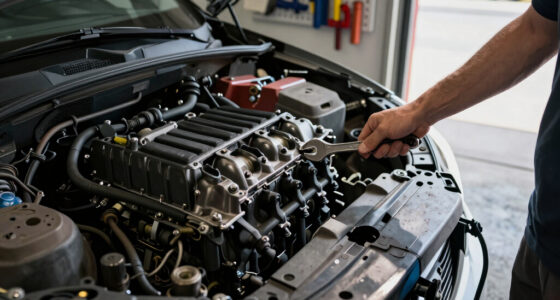
Engine immobilizers are electronic devices that prevent your vehicle from starting without the correct key or code, making theft much harder. You can install one in an older car, but it may require custom wiring and adaptations, especially for vintage models lacking modern electronic systems. If you want to secure your classic ride effectively, it’s worth exploring the options and proper installation steps—continue to discover how to choose the right security upgrade.

Get business pricing on garage and car supplies
- Business-only prices and quantity discounts
- Tax-exempt purchasing
- Multiple users, one account, clear invoices
Key Takeaways
- Engine immobilizers prevent vehicle startup without a proper electronic key or code, enhancing theft protection.
- Modern immobilizers often integrate with keyless or smart key systems using encrypted signals.
- Installing an immobilizer in older cars depends on the vehicle’s electrical system and may require custom modifications.
- Retrofitting vintage vehicles can be complex and costly, requiring professional assessment for compatibility.
- Combining immobilizers with other security measures like alarms and GPS tracking offers comprehensive vehicle protection.
As an affiliate, we earn on qualifying purchases.
Understanding How Engine Immobilizers Protect Your Vehicle

Engine immobilizers prevent your vehicle from starting unless a specific electronic key or transponder is detected. This system acts as a powerful deterrent against theft by disabling the engine’s ignition or fuel system. However, there are some key disadvantages to contemplate. For instance, if the transponder malfunctions or the system’s wiring fails, you could find yourself stranded. Additionally, many people hold common misconceptions that immobilizers make theft impossible, but skilled thieves have found ways to bypass them. While they markedly improve security, they aren’t foolproof. Understanding these limitations helps you see how immobilizers work as part of an all-encompassing security approach, rather than a standalone solution. Knowing both their strengths and weaknesses ensures you use them most effectively to protect your vehicle. Regular maintenance and understanding the security limitations of immobilizers can help you better safeguard your car. Moreover, awareness of common bypass techniques can empower you to implement additional security measures. It’s also important to recognize that electronic vulnerabilities can sometimes be exploited by determined criminals, highlighting the need for comprehensive security strategies. Additionally, keeping your system updated and monitored can help prevent potential system failures from compromising your vehicle’s security. Incorporating advanced security features, such as GPS tracking and alarm systems, can further enhance your vehicle’s protection against theft.
As an affiliate, we earn on qualifying purchases.
Types of Immobilizer Systems and Their Features
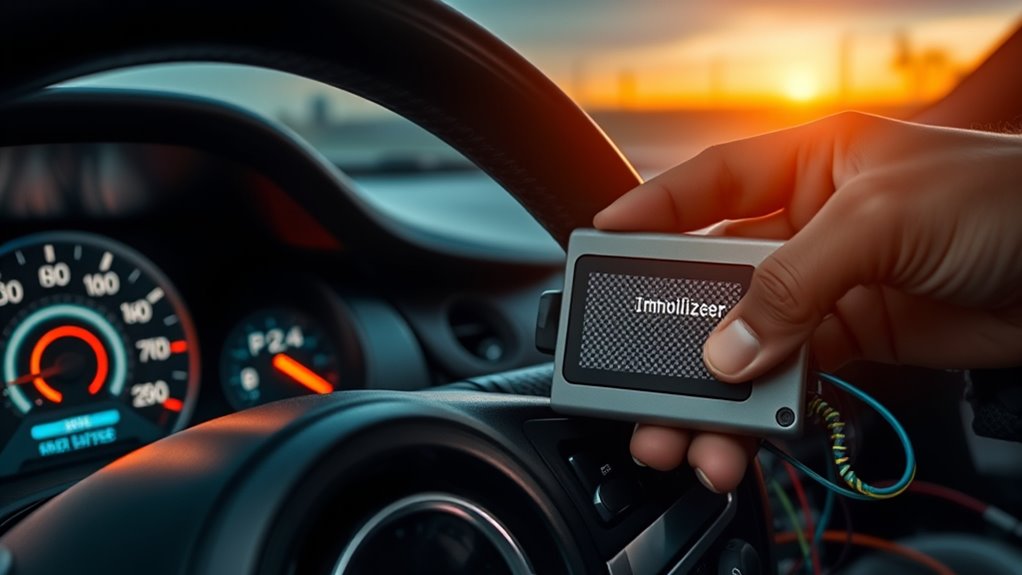
There are several types of immobilizer systems, each with unique features designed to enhance vehicle security. One common type involves keyless entry and smart key systems, which use electronic signals to verify your key fob’s authenticity. These systems allow you to unlock and start your car without inserting a traditional key, making it more difficult for thieves to bypass security. Some immobilizers are integrated directly into the vehicle’s electronic control unit (ECU), disabling the engine unless the correct signal is detected. Others use RF signals or rolling codes that change with each use, adding extra layers of security. These advanced features help prevent hot-wiring and unauthorized access, giving you peace of mind that your vehicle is protected from theft. Additionally, the integration of AI-powered tools in content creation has revolutionized marketing strategies and improved security features in vehicle systems with machine learning, enhancing both user experience and vehicle safety. These AI-driven security enhancements often include adaptive detection capabilities that can identify suspicious activity and respond accordingly, further safeguarding your vehicle from theft. Moreover, vehicle security technology continues to evolve rapidly, incorporating biometric authentication and real-time monitoring to stay ahead of potential threats, leveraging innovative security solutions to provide comprehensive protection. The ongoing development of these systems also involves enhanced encryption protocols to secure communication between key fobs and vehicle systems, making unauthorized access even more difficult.
car security alarm with GPS tracking
As an affiliate, we earn on qualifying purchases.
As an affiliate, we earn on qualifying purchases.
Assessing Compatibility: Can You Retrofit an Immobilizer Into an Older Car?
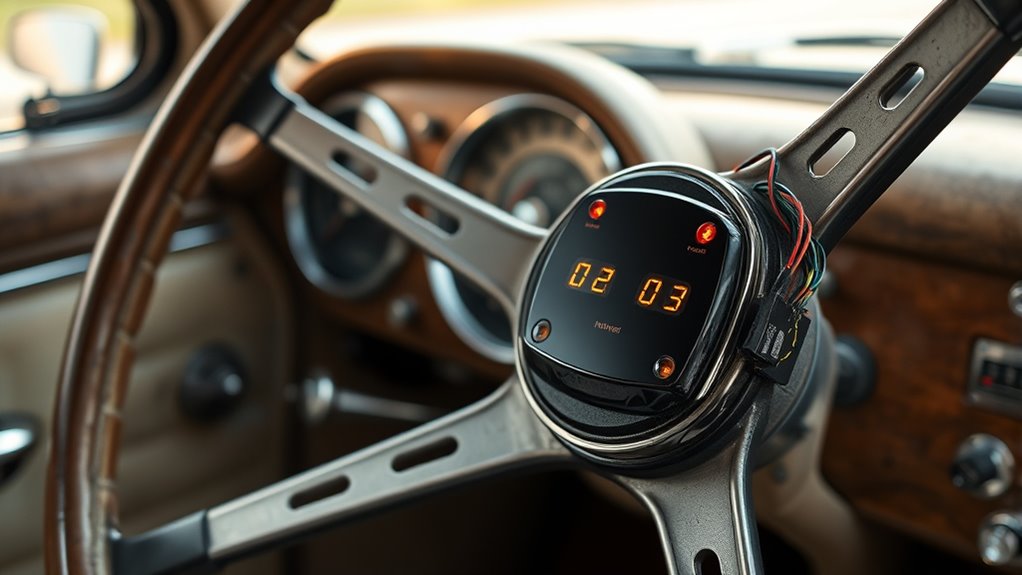
Retrofitting an immobilizer into an older car is often possible, but it depends on several factors. Antique car security systems vary widely, and older vehicles may lack the electronic infrastructure needed for modern immobilizers. You’ll face retrofitting challenges, such as compatibility issues with existing wiring or ignition systems. Some vintage cars have mechanical ignition setups that aren’t easily integrated with electronic security devices. To determine if an immobilizer can be added, you need to evaluate your vehicle’s electrical system, age, and make. Consulting with a professional who specializes in antique car security can help clarify whether retrofitting is feasible. Keep in mind that customizing or adapting parts might be necessary, and costs may vary depending on your vehicle’s specific requirements. Additionally, understanding electronic compatibility is crucial before attempting installation.
professional immobilizer installation kit
As an affiliate, we earn on qualifying purchases.
As an affiliate, we earn on qualifying purchases.
Installation Process and Costs for Older Vehicles

Installing an immobilizer in an older vehicle involves a series of steps that can vary considerably based on the car’s make, model, and existing wiring. The process typically includes wiring the device to the ignition, installing sensors, and configuring the system. The key benefits include enhanced security and peace of mind, but common challenges involve compatibility issues and higher installation costs. Proper wiring integration ensures the device functions correctly and safely across different vehicle models. Additionally, choosing the right installation method can influence both the effectiveness and cost of the system. Proper understanding of kitchen science & materials can help troubleshoot potential electrical issues during installation. It is also important to consider the compatibility of the immobilizer with your specific vehicle to avoid additional modifications. Here’s a quick visualization:
| Step | Description | Time Required |
|---|---|---|
| Wiring Integration | Connecting immobilizer to ignition | 1-2 hours |
| System Configuration | Programming keys and sensors | 30-60 minutes |
| Testing & Calibration | Ensuring proper function | 30 minutes |
| Final Check | Verifying installation | 15 minutes |
Costs can range from $200 to $600, depending on complexity and labor. Additionally, professional installation can help ensure the system works correctly and safely.
Tips for Choosing the Right Security Upgrade for Your Vintage Ride

Choosing the right security upgrade for your vintage ride requires careful consideration of your vehicle’s unique needs and your budget. Key considerations include the level of protection you desire and compatibility with your car’s existing systems. For example, engine immobilizers offer strong security benefits by preventing unauthorized startups, making them a popular choice. You should also evaluate installation complexity and long-term maintenance costs. Keep in mind that some upgrades, like advanced alarm systems or tracking devices, can complement an immobilizer for all-encompassing protection. Additionally, understanding how nanotechnology can enhance vehicle security features may open new avenues for protecting your classic car. For instance, integrating smart security systems that utilize nanomaterials can provide an extra layer of defense against theft. Considering vehicle electronics compatibility is essential to ensure seamless integration. Exploring Gold IRA markets can also inspire innovative security solutions by highlighting trusted providers and emerging technologies. Ultimately, select a security upgrade that balances effectiveness with ease of use, ensuring your classic car is better protected without compromising its vintage charm. Doing thorough research helps you make an informed decision that provides peace of mind and preserves your vehicle’s value.
Frequently Asked Questions
Will Installing an Immobilizer Void My Vehicle’s Warranty?
Installing an immobilizer may affect your warranty, but it depends on your vehicle’s warranty terms and installation restrictions. Typically, if you choose a professional, certified installer and make certain the immobilizer doesn’t interfere with factory systems, warranty implications are minimal. However, some manufacturers might view unauthorized modifications as voiding parts of your warranty. Always check your vehicle’s warranty and consult your dealer to avoid unforeseen issues.
How Do Immobilizers Affect My Car’s Insurance Rates?
Installing an immobilizer can lower your insurance premiums because it enhances theft prevention. Insurance companies often see immobilizers as a security upgrade, reducing the risk of theft and claims. By adding one, you demonstrate proactive theft prevention, which can lead to discounts. Make certain to inform your insurer about the installation to ensure your policy reflects the upgraded security features and potentially save money on premiums.
Are There Wireless or Keyless Options Suitable for Older Vehicles?
Yes, there are wireless and keyless options suitable for older vehicles. You can install remote access systems that use smart keys, allowing you to release and start your car without traditional keys. These systems are compatible with many older models and often feature wireless installation, making them convenient and easy to upgrade. Just verify you choose a kit designed for your vehicle’s make and model for seamless integration.
What Are the Signs That My Immobilizer System Is Malfunctioning?
Imagine your car’s security system hesitating like a cautious gatekeeper. If your engine crumbles to life unexpectedly or refuses to start, it might signal a malfunction. You should perform diagnostic troubleshooting to identify issues, and verify compatibility with your security system. Unusual warning lights or erratic keyless entry are also signs. Address these early to keep your vehicle protected and running smoothly, avoiding further complications.
Can I Remove or Bypass an Immobilizer System if Needed?
You can attempt an immobilizer bypass or removal, but it’s not recommended because it can compromise your vehicle’s security. If you decide to go through with immobilizer removal, you’ll need specialized tools and skills, and it may void your warranty or violate laws. Instead, consider professional repair options to fix your immobilizer system rather than bypassing it, ensuring your car stays protected and functional.
Conclusion
Think of adding an immobilizer to your older car like giving it a sturdy lock on a treasure chest. Just as that lock keeps valuables safe from thieves, an immobilizer keeps your vehicle secure from unauthorized starts. Even if your car’s vintage, with some effort, you can upgrade its defenses. Protecting your ride is like guarding a precious gem—worth every investment to keep it safe for years to come.
Fall Picks
fall essentials
As an affiliate, we earn on qualifying purchases.