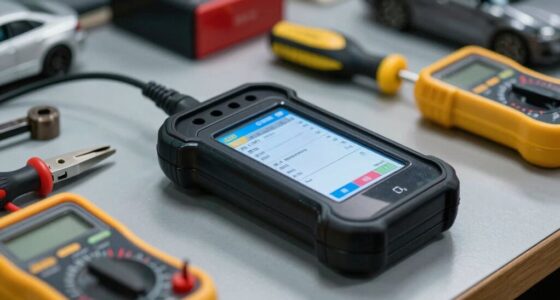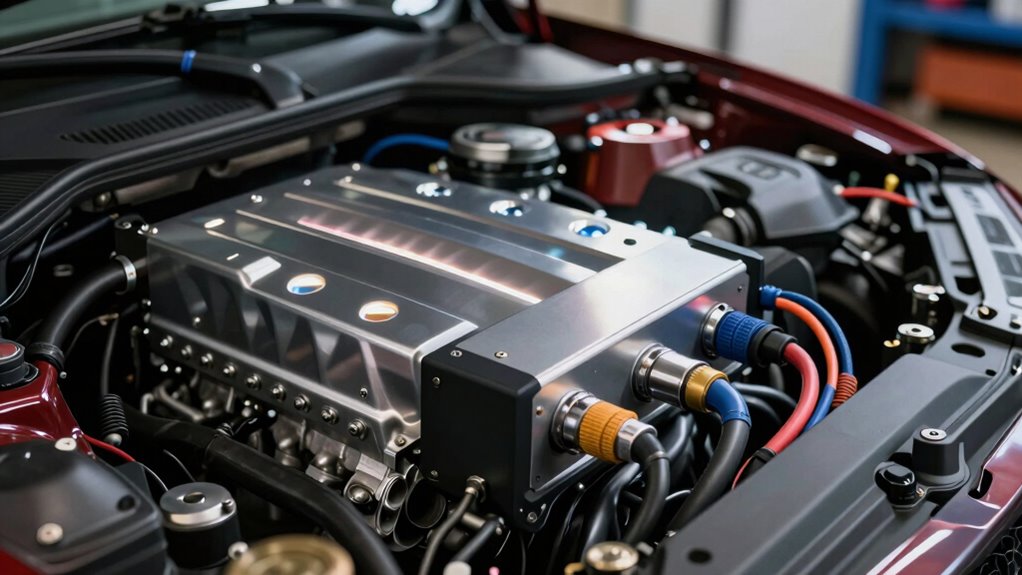

Before using an ECU tuner on your street car, consider legal, warranty, and reliability factors. Tuning can boost performance but may increase emissions and violate local regulations. It could also void your warranty, leaving you unprotected if issues arise. Make certain you choose a reputable tuner, back up your original settings, and understand the long-term effects on engine health. Staying informed helps you make better choices—continue to discover more about safely tuning your vehicle.
Key Takeaways
- Ensure the tuner’s modifications comply with local emission regulations to avoid legal issues.
- Check if tuning voids your vehicle warranty and weigh potential coverage loss against performance gains.
- Select a reputable tuner with proven results to minimize risks of engine damage or reliability issues.
- Understand the digital tuning process and tools involved to make informed, safe adjustments.
- Regularly maintain your vehicle and monitor for signs of wear or performance decline after tuning.

Ever wondered how to unlock extra performance from your street car? Tuning your ECU can deliver noticeable gains in horsepower and torque, but it’s important to understand what’s involved before you jump in. One of the first things to weigh is emission compliance. Many regions have strict regulations that vehicles must meet to be legally driven on public roads. When you modify your ECU, you change how the engine runs, which can impact emissions. Some tuners might push the engine to produce more power by adjusting fuel maps or timing, but this can lead to increased emissions that no longer comply with local laws. If your goal is to stay street-legal, you need to make sure your tune is compliant or at least understand the risks of running afoul of emission standards.
Warranty implications are another critical factor. Many automakers include clauses in their warranty agreements that specify modifications like ECU tuning can void certain coverages. If your car develops an issue related to the engine or related components, your manufacturer or dealer might refuse to honor warranty claims because the vehicle has been altered. This isn’t always the case, but it’s a risk you need to evaluate carefully. Some tuning shops offer warranty-friendly options or guarantees, but these can come at a premium. Before you proceed, check your vehicle’s warranty terms and think about whether the performance gains are worth potentially losing coverage on repairs.
Additionally, you should think about the quality and reliability of the tuner you choose. Not all ECU tunes are created equal. Poorly executed modifications can cause engine issues, reduce fuel economy, or even damage your vehicle. Investing in a reputable tuner with proven results and good reviews is vital. It’s also wise to have a backup of your original ECU settings before making any changes. That way, if something goes wrong or you want to revert to stock, you can do so easily. Moreover, understanding digital tuning and its impact can help you make more informed decisions about your modifications. Furthermore, being aware of the technology involved in tuning can assist you in avoiding potential pitfalls and ensure you’re making safe adjustments.
Furthermore, understanding diverse genres of tuning and customization options can help you select the best approach for your goals. It’s also helpful to familiarize yourself with the technologies involved in tuning, such as advanced software and hardware tools, to ensure you’re making safe and effective adjustments. Finally, consider the long-term effects. While an ECU tune can boost performance today, it may lead to increased wear and tear over time, especially if the tune pushes the engine beyond its designed parameters. Regular maintenance becomes even more important, and you should stay vigilant for any signs of trouble.
In the end, tuning your ECU offers exciting possibilities but comes with responsibilities. By understanding emission compliance and warranty implications, choosing the right tuner, and maintaining your vehicle properly, you can enjoy the benefits safely and legally.

Pedal Commander for Tesla Model Y 2020-2026 and Tesla Model 3 2017-2026 Accessories Performance Tuner and Upgrades Compatible with the EV Tesla Electric Car Accelerator Gas Pedal Response Controller
- Compatibility: Fits Tesla Model Y and 3 (2017-2026)
- Driving Modes: Eco, City, Sport, Sport+
- Throttle Response: Instant, smooth acceleration
As an affiliate, we earn on qualifying purchases.
As an affiliate, we earn on qualifying purchases.
Frequently Asked Questions
How Much Does an ECU Tuning Session Typically Cost?
An ECU tuning session typically costs between $300 and $1,000, depending on your car and the tuner’s expertise. You’ll likely see performance gains like increased horsepower and torque, but it’s vital to guarantee emission compliance afterward. While the cost varies, investing in a quality tune can improve your car’s efficiency and driving experience. Always choose a reputable tuner to balance cost, performance, and compliance effectively.
Can ECU Tuning Void My Car’s Warranty?
Think of your warranty as a fragile glass sculpture. When you use an ECU tuner, it can crack that delicate glass, especially if modifications affect engine durability or emission compliance. Tuning can void your warranty if the dealer or manufacturer finds the changes impact these areas. Be cautious, as aggressive tuning might lead to costly repairs down the line, and warranty coverage could be denied.
Is ECU Tuning Legal for Street Use in My Area?
ECU tuning’s legality for street use varies by area, so you should check local laws before proceeding. Some regions have strict legal restrictions on modifying emissions or engine controls, which could make tuning unlawful. Additionally, tuned vehicles must meet emission compliance standards to avoid fines or penalties. Always research your local regulations and guarantee your modifications comply with emissions laws to stay within legal boundaries when tuning your street car.
How Long Does an ECU Tuning Process Usually Take?
They say “patience is a virtue,” and that’s true for ECU tuning. Typically, the process takes 2 to 4 hours, depending on your car and what engine calibration tweaks you want. During this time, the tuner adjusts settings to maximize performance gains, ensuring your engine runs smoothly and efficiently. Rushing it could lead to subpar results, so give it the proper time for ideal engine calibration.
Will ECU Tuning Affect My Car’s Fuel Efficiency?
ECU tuning can improve your car’s performance gains, but it might affect fuel efficiency. Typically, tuning optimizes power delivery, which can lead to higher fuel consumption depending on your driving style. Also, consider the emissions impact—some tunes may increase emissions, potentially causing legal issues. To strike a balance, choose a reputable tuner who understands both performance and environmental regulations, ensuring you enjoy gains without compromising efficiency or legality.

ECU Tuning for Beginners: Car Performance Tuning, Engine Optimization, OBD2 Diagnostics, and Fuel Efficiency Guide
As an affiliate, we earn on qualifying purchases.
As an affiliate, we earn on qualifying purchases.
Conclusion
Before you decide to tune your street car’s ECU, remember that it’s not just about gaining power — it’s about understanding the risks and ensuring your car remains reliable and safe. Some worry about voiding warranties or legal issues, but with proper research and professional help, you can tune confidently. Ultimately, informed tuning can enhance your driving experience without sacrificing peace of mind. Just be sure to weigh the pros and cons before making the leap.
As an affiliate, we earn on qualifying purchases.

ECU Programmer Tool, ECU Flash Tool with Read Write Function, Vehicle ECU Data Backup & Restore Device, Professional Automotive Diagnostic Tool with Complete Cable Kit for ECU Maintenance
- Professional ECU Programming Tool: Reliable data reading, writing, backup, restore
- Stable Read & Write Performance: Consistent connection and smooth data processing
- Complete Cable Kit Included: Multiple adapters, cables, and accessories for workshop
As an affiliate, we earn on qualifying purchases.
As an affiliate, we earn on qualifying purchases.