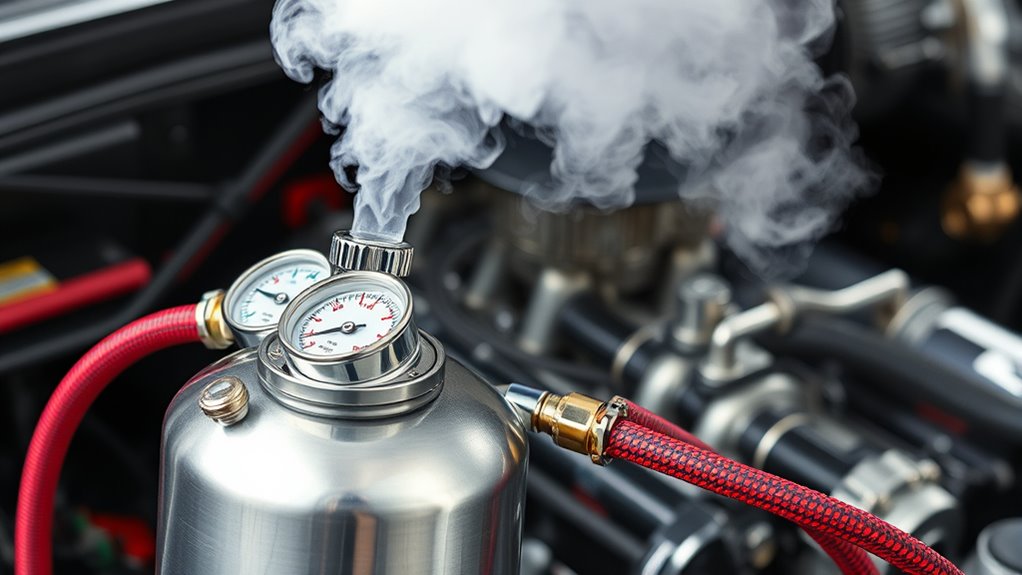

Nitrous oxide (NOS) boosts your engine’s power by injecting additional oxygen during combustion, allowing more fuel to burn and increasing horsepower rapidly. It works by releasing oxygen and nitrogen when heated, helping your engine generate more energy safely if installed and used correctly. While it offers impressive gains, improper use can strain engine parts or cause damage. Want to discover how to use NOS safely and maximize your vehicle’s performance? Keep exploring to learn more.

Get garage and car supplies delivered free — and shop member deals
- Fast, free delivery on millions of items
- Access to Prime Big Deal Days deals on October 6–7
- Prime Video, Amazon Music and more included
Key Takeaways
- NOS injects chemical compounds that release oxygen, allowing the engine to burn more fuel and produce more power.
- Properly tuned NOS systems enhance performance safely by controlling injection and monitoring engine health.
- Using NOS increases horsepower quickly but can strain engine components if not installed or maintained correctly.
- Safe application involves following manufacturer instructions, regular inspections, and avoiding overuse to prevent damage.
- While effective for performance, NOS releases greenhouse gases and may be restricted or illegal on public roads.
As an affiliate, we earn on qualifying purchases.
What Is Nitrous Oxide and How Does It Work in Engines
Nitrous oxide, often called NOS, is a chemical compound made of two nitrogen atoms and one oxygen atom. Its applications in engines are well-known for providing a significant power boost. You might find it used in racing to increase horsepower quickly. The history of nitrous oxide dates back to the 19th century, initially discovered for medical and industrial purposes. Over time, people realized its potential to enhance engine performance. When injected into an engine, NOS allows more oxygen to enter the combustion chamber. This extra oxygen enables the engine to burn more fuel, producing greater power. Additionally, the fuel combustion process is significantly affected, leading to increased energy output. The chemical composition of nitrous oxide helps explain its stability and safety when used properly in engines. Proper handling and understanding of its chemical stability are essential to ensure safe and effective use in performance applications. Advances in engine technology have optimized how NOS is utilized for maximum efficiency and safety. Recognizing the scientific principles behind its operation can help enthusiasts make informed decisions about its use.
Car Nitrous Oxide Injection System
As an affiliate, we earn on qualifying purchases.
As an affiliate, we earn on qualifying purchases.
The Science Behind Power Boosting With NOS
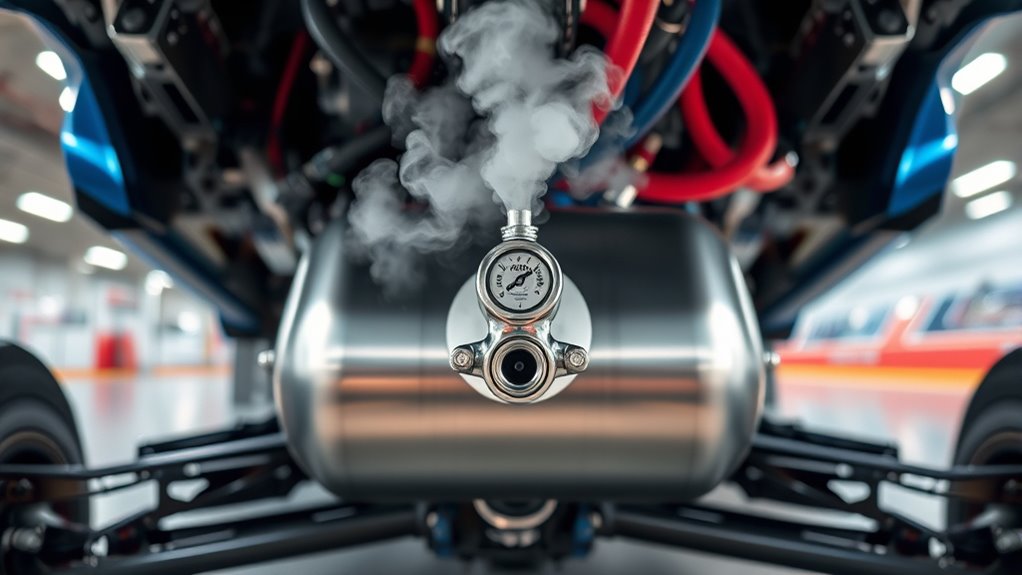
When nitrous oxide is injected into an engine, it undergoes a chemical transformation that considerably increases power output. This process relies on nitrous oxide chemistry, where the compound breaks down at high temperatures, releasing oxygen and nitrogen. This extra oxygen allows you to burn more fuel, boosting combustion and power. To harness this, you use engine modification techniques like installing a nitrous kit, which controls the injection process for safety and efficiency. These modifications optimize how the nitrous is delivered, ensuring the engine gets the right amount of oxygen without risking damage. Understanding the science behind power boosting with NOS helps you appreciate how controlled nitrous oxide chemistry leads to significant horsepower gains, making your engine more powerful when used correctly. Additionally, proper tuning and monitoring are essential to maintain engine safety during NOS use. Incorporating advanced esthetician magnifying lamps can assist technicians in precise inspections and adjustments, ensuring optimal performance and safety during modifications. Proper installation procedures are crucial to prevent potential hazards and achieve reliable results, especially considering the chemical reactions involved in nitrous oxide combustion. Being aware of the engine’s compression ratio is also vital, as it influences how much NOS can be safely used without causing engine damage.
As an affiliate, we earn on qualifying purchases.
Benefits and Risks of Using Nitrous Oxide
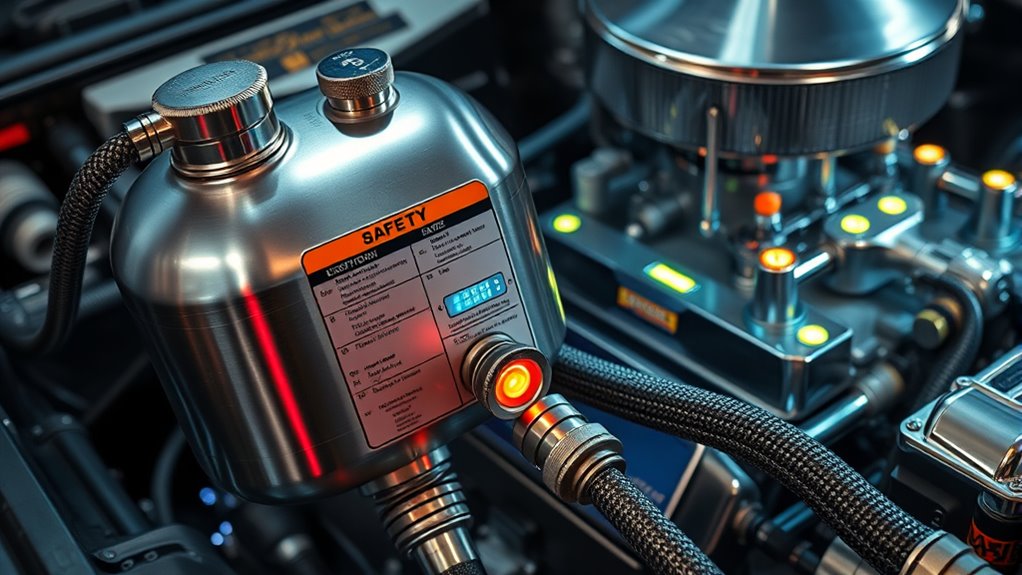
Using nitrous oxide can substantially increase your engine’s power output, offering a thrilling boost during races or performance driving. However, it’s important to weigh the benefits against potential risks. The power gain can strain engine components, leading to possible damage if not managed properly. Environmentally, NOS releases nitrous oxide, a greenhouse gas that impacts the environment. Legally, rules vary by region; some areas restrict or prohibit NOS use on public roads. Incorporating connected equipment and proper monitoring can help optimize performance and safety when using NOS. Additionally, understanding the environmental impact of nitrous oxide can guide responsible use and disposal practices. Being aware of safety guidelines and proper handling procedures is essential to prevent accidents or injuries during use.
Performance Nitrous Oxide System
As an affiliate, we earn on qualifying purchases.
As an affiliate, we earn on qualifying purchases.
Proper Installation and Safety Tips for NOS Systems
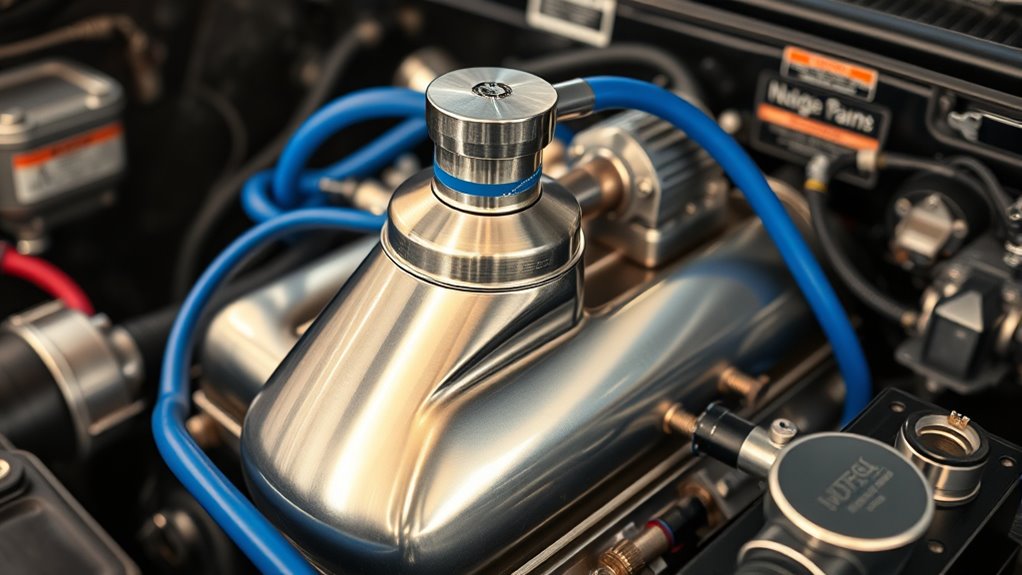
To guarantee safe and effective performance, proper installation of your NOS system is essential. Follow these installation tips to ensure everything fits correctly and functions smoothly. Start by carefully reading the manufacturer’s instructions, and double-check all components before installation. Use high-quality fittings and secure all lines to prevent leaks. Safety precautions are critical—always work in a well-ventilated area, wear proper protective gear, and disconnect the battery before beginning. Avoid rushing the process; take your time to ensure each connection is tight and correctly placed. Regularly inspect your system for leaks or damage and replace worn parts promptly. Proper installation and adherence to safety precautions minimize risks and help you enjoy the power gains safely. Additionally, understanding the importance of cybersecurity measures can improve your communication of technical information to others. Ensuring proper system setup is crucial to prevent malfunctions and enhance overall safety during operation. Paying attention to system compatibility ensures your NOS components work seamlessly with your vehicle’s existing parts. Incorporating smart monitoring systems can further enhance safety by providing real-time alerts and diagnostics.
Is Nitrous Oxide a Safe and Reliable Performance Upgrade
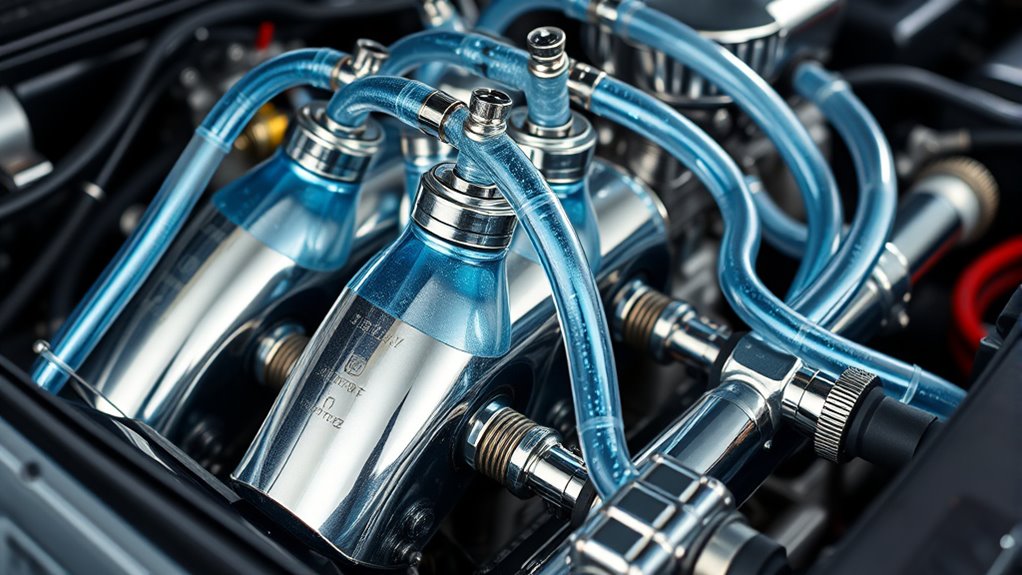
Proper installation sets the foundation for safe and reliable nitrous oxide use, but many wonder if adding NOS is truly a secure performance upgrade. It’s common to encounter nitrous oxide myths that suggest it’s risky or unreliable, but when used correctly, NOS can be safe and effective. The key is proper NOS maintenance, which ensures your system functions smoothly and avoids issues like leaks or inconsistent performance. Regular checks, cleaning, and following manufacturer guidelines help maintain safety and reliability. Additionally, understanding system diagnostics can help detect potential problems early, ensuring continued safe operation. Proper knowledge of automotive repair basics can further aid in troubleshooting and maintaining your nitrous system effectively. It’s also important to recognize performance limits to prevent overuse and potential damage, contributing to a safer driving experience. When installed and maintained properly, nitrous oxide can be a trustworthy way to boost your vehicle’s performance without compromising safety. Utilizing proper handling techniques helps minimize risks associated with high-pressure systems, ensuring a safer experience for enthusiasts.
Frequently Asked Questions
Can NOS Be Used in Everyday Street Driving Safely?
You can use nitrous in everyday street driving, but you should prioritize nitrous safety and street legality. It’s not recommended for regular use because it can strain your engine and isn’t always legal on public roads. If you decide to use NOS, make certain your setup is properly installed and adheres to local laws. Always consider the risks and safety measures to avoid potential damage or legal trouble.
How Does NOS Affect Engine Longevity Over Time?
Using NOS can noticeably boost power, but it also poses potential problems for your engine’s longevity. You might notice increased engine wear over time as the extra power stresses components, and fuel efficiency could decrease with frequent use. If you’re not careful, rapid or reckless nitrous use can lead to damage, so always consider cautious, controlled application, and verify your engine’s built to handle the boost.
What Are Common Signs of NOS System Malfunction?
You’ll notice signs like nitrous oxide leaks, which often produce a hissing sound or a smell of chemicals. Warning light indicators on your dashboard may illuminate, signaling a system issue. You might also experience inconsistent engine performance, hesitation, or a sudden loss of power. If you see these signs, stop using the NOS system immediately, inspect for leaks, and have a professional diagnose and repair the malfunction to prevent further damage.
Is There a Legal Limit for Using NOS in Vehicles?
Imagine racing down the highway, feeling the rush of power from your NOS system. You must verify that legal restrictions vary by location, so check your state or country’s regulations before using nitrous oxide. Many regions have regulatory compliance rules limiting its use on public roads, often restricting it to track or off-road environments. Staying within these limits ensures you enjoy the thrill safely and legally, avoiding fines or penalties.
How Does NOS Compare to Turbocharging or Supercharging?
You’ll find that nitrous oxide (NOS) provides a quick power boost by injecting more oxygen into your engine, unlike turbo vs supercharging, which rely on mechanical force. Nitrous system installation is simpler and cheaper but offers short-term gains. Turbos and superchargers deliver consistent, long-term power increases by forcing more air into the engine. While NOS is great for rapid bursts, turbo and supercharging are better for sustained performance.
Conclusion
Think of nitrous oxide as a turbocharged boost for your engine’s performance. When used correctly, it’s like adding rocket fuel to your ride, giving you more power and excitement. But just like any powerful tool, it needs respect and proper handling to stay safe. If you follow the right installation and safety tips, NOS can be a thrilling upgrade that elevates your driving experience without turning your car into a wild stallion.
Halloween Picks
halloween
As an affiliate, we earn on qualifying purchases.