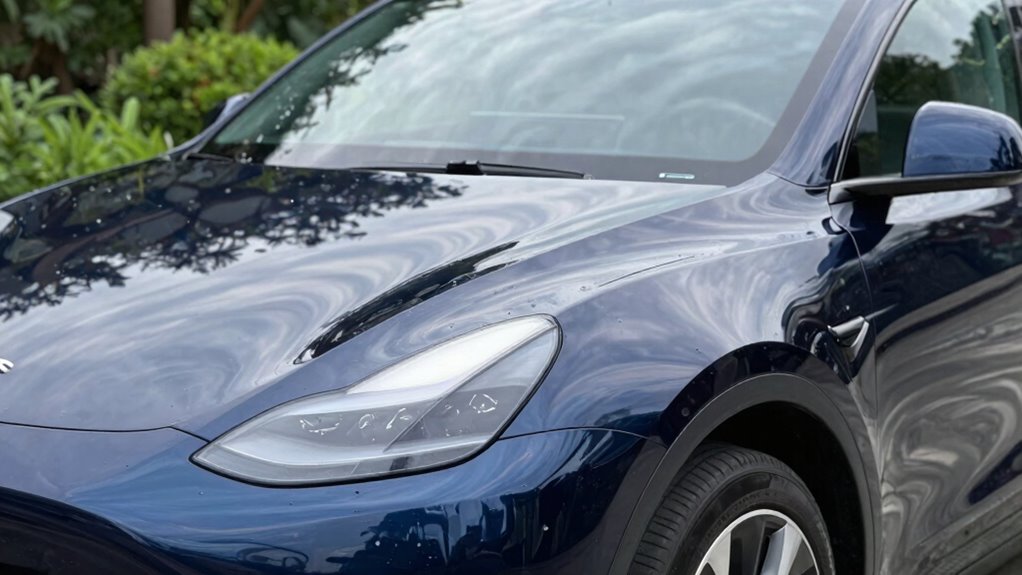

Before washing your ceramic-coated car, start by rinsing it thoroughly to remove loose dirt and debris, using a soft hose or gentle pressure washer. Use a pH-balanced, automotive-specific soap and a microfiber mitt to avoid scratches, working in sections with gentle, overlapping motions. Rinse completely and dry with a soft microfiber towel to prevent water spots. Avoid harsh chemicals or abrasive products that can damage the coating. If you keep these tips in mind, you’ll protect your finish and extend the coating’s lifespan.

Get business pricing on garage and car supplies
- Business-only prices and quantity discounts
- Tax-exempt purchasing
- Multiple users, one account, clear invoices
Key Takeaways
- Use a pH-balanced, automotive-specific soap and avoid harsh chemicals to protect the ceramic coating.
- Rinse thoroughly before washing to remove loose dirt and prevent scratching during cleaning.
- Employ gentle, overlapping motions with a microfiber mitt or sponge to avoid damaging the coating.
- Dry with a soft microfiber towel to prevent water spots and maintain the coating’s gloss.
- Regularly inspect and promptly remove contaminants like bird droppings or sap to preserve coating integrity.
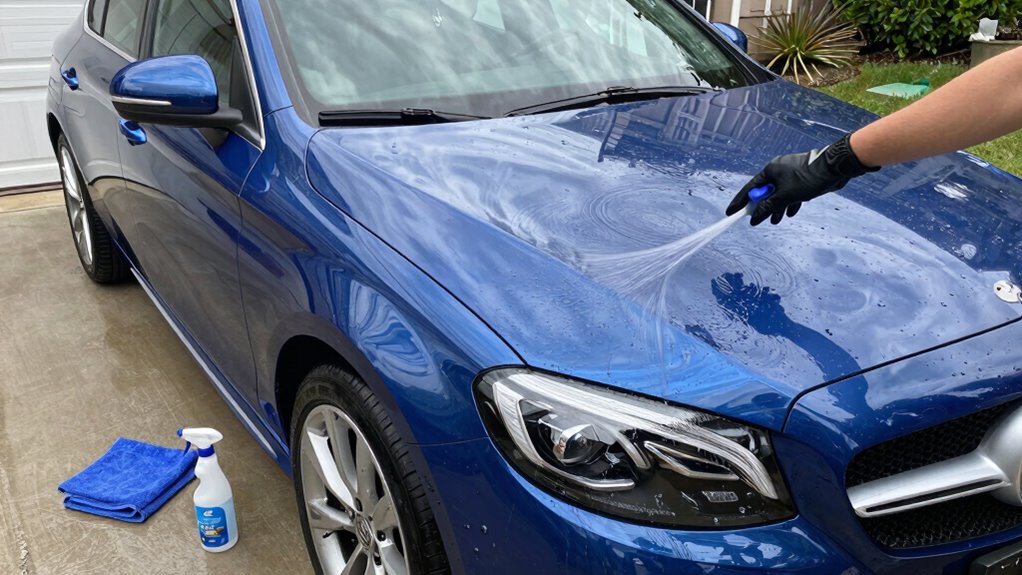
Have you ever wondered how to properly wash a ceramic-coated car without damaging its protective layer? Understanding the right approach is essential to maintaining the paint protection that a ceramic coating provides. Unlike regular washing methods, a ceramic-coated surface requires gentle, specific techniques to preserve its gloss and durability. When you’re preparing to wash your vehicle, think of it as a form of detailing that emphasizes preservation and care. Using improper methods can scratch or weaken the coating, diminishing the benefits it offers. So, before you start, familiarize yourself with the proper detailing techniques designed for ceramic surfaces.
Proper washing techniques are essential to protect and preserve your ceramic-coated vehicle’s gloss and durability.
First, always start with a thorough rinse to remove loose dirt and debris. A high-quality, soft hose or gentle pressure washer works best, ensuring you don’t accidentally scratch the coating. Avoid using harsh brushes or abrasive scrubbers, as these can compromise the integrity of the ceramic layer. Once the initial rinse is complete, opt for a pH-balanced, automotive-specific soap. These soaps are formulated to be gentle on your paint protection while effectively lifting dirt. When washing, use a soft microfiber wash mitt or sponge, and work in sections to avoid dragging dirt across the surface. Gentle, overlapping motions are key to preventing scratches. Additionally, understanding the role of surface contamination can help you better evaluate the importance of proper washing techniques. Incorporating proper contamination removal practices can significantly extend the life of your coating. Regularly inspecting your vehicle for contaminants like bird droppings or tree sap and removing them promptly also helps maintain the coating’s integrity.
After washing, rinse the car thoroughly to remove all soap residues. Residual soap can create streaks or spots if not properly rinsed. Once rinsed, dry the car with a clean, soft microfiber towel to prevent water spots. Pat dry rather than dragging the towel across the surface to avoid unnecessary contact with the coating. If you notice water spots, a quick re-rinse and re-dry with a different towel can help eliminate them without risking damage. Incorporating sound healing science into your car care routine may seem unconventional, but it underscores the importance of gentle, consistent maintenance. Regularly inspecting your vehicle for contaminants like bird droppings or tree sap and removing them promptly also helps maintain the coating’s integrity. When it comes to maintaining your ceramic coating, avoid using harsh chemicals like abrasive polishes or waxes that can break down the surface. Instead, consider applying a ceramic coating-specific spray or quick detailer to enhance gloss and add an extra layer of protection. These products work well with the existing coating and help maintain the sleek appearance of your vehicle. Remember, the goal of proper washing isn’t just cleanliness—it’s about upholding the paint protection and extending the life of your ceramic coating. By following these detailing techniques, you ensure your car stays looking sharp, protected, and well-maintained for years to come.
As an affiliate, we earn on qualifying purchases.
Frequently Asked Questions
Can I Wash My Ceramic-Coated Car in the Rain?
You can wash your ceramic-coated car in the rain, but it’s best to avoid relying solely on rain washing. Rain may not remove dirt effectively and can leave spots or streaks. After exposure, you should gently dry your car with a microfiber towel to prevent water spots. Regular washing with proper techniques helps maintain the ceramic coating’s protective qualities, ensuring your car stays shiny and well-protected.
How Often Should I Reapply the Ceramic Coating?
Think of reapplying your ceramic coating as maintaining a vintage record—regular care keeps it sounding fresh. You should reapply it every 1 to 2 years, depending on your maintenance schedule and how much you drive. Proper upkeep, like regular washing and avoiding harsh chemicals, helps maximize coating longevity. Keep an eye on how your car’s paint looks; if water no longer beads, it’s probably time for a re-coat.
Is It Safe to Use Automatic Car Washes?
Using automatic car washes isn’t the best choice for your ceramic-coated vehicle. The brushes and harsh detergents can damage the paint protection, risking scratches or dullness. For ideal car detailing, hand washing with gentle, ceramic-safe products is recommended. This gentle approach preserves the coating’s shine and longevity, ensuring your car stays protected and looks flawless longer. Always opt for careful cleaning methods to maintain your ceramic coating’s benefits.
What Cleaning Products Are Best for Ceramic Coatings?
Sure, because nothing screams “luxury” like tossing your ceramic-coated car into a vat of harsh chemicals. Instead, opt for alternative cleaning methods with eco-friendly cleaning products. These gentle solutions preserve your coating’s brilliance without stripping its protective layer. Look for pH-neutral shampoos, or better yet, make your own with natural ingredients. Your car will thank you, and the planet will too—because saving the environment is always in style.
Can I Polish My Ceramic-Coated Car?
Yes, you can polish your ceramic-coated car, but use gentle car polishing techniques to avoid damaging the coating. The benefits of ceramic polishing include restoring gloss and removing minor imperfections. Use a soft pad and a non-abrasive polish designed for ceramic coatings. Regular, careful polishing enhances the protective layer, keeps the finish looking sleek, and prolongs the lifespan of your ceramic coating. Always follow manufacturer recommendations for best results.
As an affiliate, we earn on qualifying purchases.
Conclusion
Now that you know the essentials of washing a ceramic-coated car, you’re well-equipped to keep your vehicle looking stunning and protected. Remember, using the right techniques and gentle products can extend your coating’s life beyond what you imagined possible—almost like giving your car a shield against the apocalypse! Treat your car with care, and it’ll reward you with a dazzling shine that turns heads wherever you go. Keep it clean, keep it protected, and enjoy that showroom finish every time.
As an affiliate, we earn on qualifying purchases.
pressure washer for car cleaning
As an affiliate, we earn on qualifying purchases.
As an affiliate, we earn on qualifying purchases.
Evergreen bestsellers Picks
bestsellers
As an affiliate, we earn on qualifying purchases.