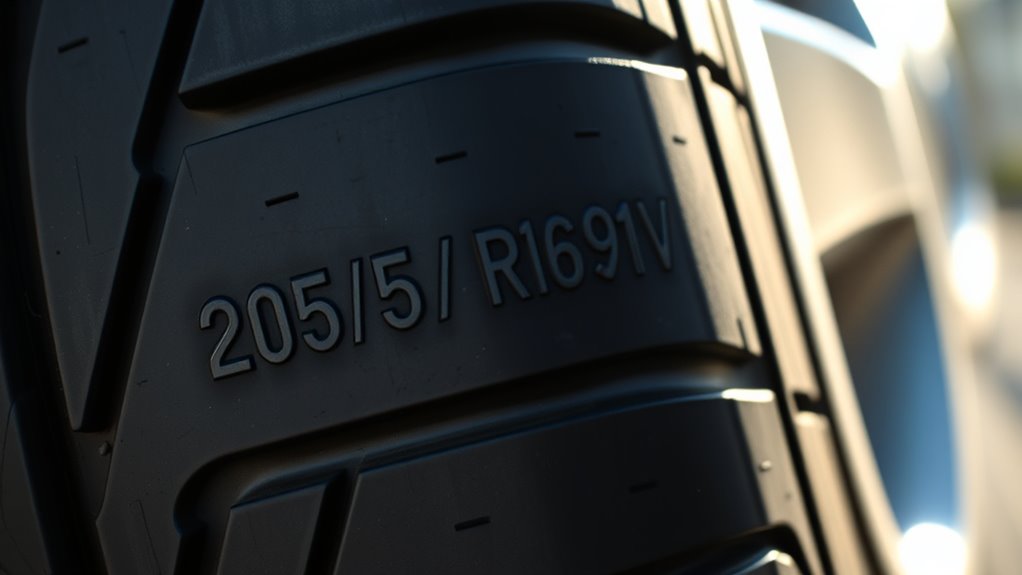

To interpret tire size and ratings on the sidewall, look for a code like 205/55R16. The first number shows your tire’s width in millimeters, while the second indicates the aspect ratio or height as a percentage of width. The “R” means radial construction, and the last number is the wheel diameter in inches. Plus, you’ll find load and speed ratings, along with manufacturing details if you know where to check. Keep reading to learn more about each part.

Get business pricing on garage and car supplies
- Business-only prices and quantity discounts
- Tax-exempt purchasing
- Multiple users, one account, clear invoices
Key Takeaways
- Identify the tire size code (e.g., 205/55R16) to understand width, aspect ratio, and wheel diameter.
- Interpret the numbers: width in mm, aspect ratio as a percentage, and diameter in inches.
- Recognize the letter (like “R”) to determine tire construction type, usually radial.
- Check sidewall markings for load capacity and speed rating to ensure suitability.
- Locate the DOT code to find manufacturing details such as plant and production date.
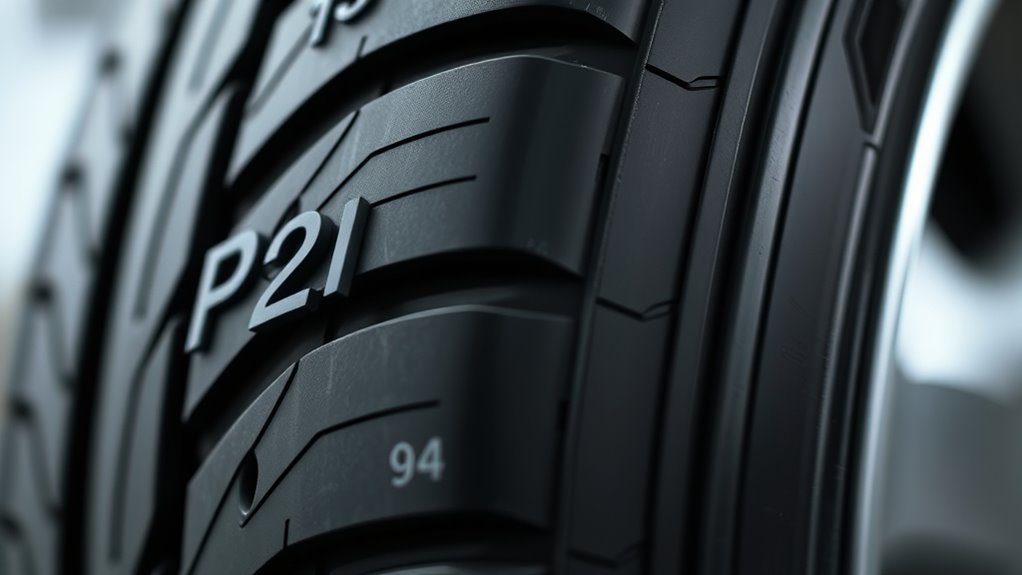
Have you ever looked at a tire’s sidewall and felt overwhelmed by the numbers and letters? It’s common to find a jumble of characters that seem confusing at first glance. But understanding what these markings mean is vital for maintaining your vehicle’s safety and performance. When you start to decode the information, you’ll see that each part plays a role in how your tire functions, especially details like tire tread depth and the tire manufacturing process. The tire tread depth refers to how much rubber remains on the tire’s surface, impacting grip and safety, especially in wet conditions. Knowing the tread depth helps you decide when to replace your tire before it becomes unsafe.
The markings on the sidewall also tell you about the tire’s construction and manufacturing process, which influences durability and handling. For example, a tire’s sidewall might display a DOT code, indicating the manufacturer and the plant where it was produced. This information can be helpful if you ever need to report a defect or track down the tire’s origin. The tire manufacturing process includes several stages, from raw materials to the final product, guaranteeing quality and safety standards are met. When you see the tire size, like 205/55R16, you’re getting details about the width, aspect ratio, and diameter—all vital for matching your vehicle’s specifications.
The first number, 205, refers to the tire’s width in millimeters from sidewall to sidewall. The second number, 55, is the aspect ratio, which tells you the height of the sidewall as a percentage of the width. The ‘R’ indicates radial construction, the most common type today, providing a smooth ride and good handling. The last number, 16, is the diameter of the wheel in inches. Understanding these numbers helps you select the right tires for your vehicle, guaranteeing peak performance and safety.
Tire ratings, including load capacity and speed ratings, are also marked on the sidewall. These ratings inform you about how much weight your tire can safely carry and the maximum speed it can handle. Reading all this information correctly guarantees you’re using tires that match your driving needs and conditions. Properly interpreting tire markings ensures you make informed decisions about maintenance and replacement. So, next time you glance at your tires, take a moment to interpret the markings. It’s not just a bunch of numbers — it’s your guide to safer, more informed driving, rooted in understanding the tire’s construction, tread depth, and manufacturing details.
As an affiliate, we earn on qualifying purchases.
Frequently Asked Questions
How Do Tire Ratings Affect Fuel Efficiency?
Tire ratings directly impact your fuel efficiency by influencing tire wear and rolling resistance. Higher-rated tires often have lower rolling resistance, helping you save fuel, while lower ratings might cause increased wear and drag. Always choose tires that meet safety standards; this guarantees peak performance and longevity. Properly rated tires reduce unnecessary strain on your vehicle, improving fuel economy and keeping you safer on the road.
Can Tire Size Impact Vehicle Handling?
Imagine guiding your vehicle through a dance, where each step is precise. Tire size influences this rhythm, impacting handling with subtle shifts. Larger tires enhance tire traction, providing better grip but may affect maneuverability. Conversely, smaller tires can improve responsiveness but might wear tread faster. Choosing the right size balances handling, traction, and tread wear, ensuring your ride feels confident and smooth, like a well-choreographed performance on the road.
Are All Tire Ratings Applicable Worldwide?
Not all tire ratings are applicable worldwide, as tire safety and manufacturing standards vary by region. You should check if your tires meet the standards of your country or the area where you’ll drive. Always follow local regulations to guarantee safety. Using tires with ratings that aren’t compliant can compromise handling, durability, and safety. So, verify that your tires match the regional standards before purchasing or installing them.
How Often Should Tire Ratings Be Checked?
You should check your tire ratings during regular tire maintenance, ideally every 6,000 to 8,000 miles or during safety inspections. Consistently reviewing tire ratings guarantees your tires meet safety standards and perform at their best. Make it a habit to inspect for any signs of wear, damage, or changes in ratings, especially before long trips. Staying vigilant helps prevent accidents and prolongs your tires’ lifespan.
Do Tire Ratings Change Over the Lifespan?
Yes, tire ratings can change over the lifespan, affecting tire longevity and rating accuracy. As tires age, their rubber compounds deteriorate, which can cause the ratings to decline. Exposure to sunlight, heat, and road elements accelerates this process. You should regularly inspect tires for wear or damage, as aging tires may no longer provide ideal performance or safety. Keep track of tire age and replace them when ratings no longer meet safety standards.
As an affiliate, we earn on qualifying purchases.
Conclusion
Now that you know how to interpret tire size and ratings, you’re better equipped to choose the right tires for your vehicle. But here’s a fun fact: some say that reading tire codes can predict your car’s performance, almost like decoding a secret message. It’s true—understanding these numbers can reveal hidden details about safety and efficiency. So, next time you check your tires, you’re not just inspecting; you’re revealing valuable insights.
As an affiliate, we earn on qualifying purchases.
As an affiliate, we earn on qualifying purchases.
Evergreen bestsellers Picks
bestsellers
As an affiliate, we earn on qualifying purchases.