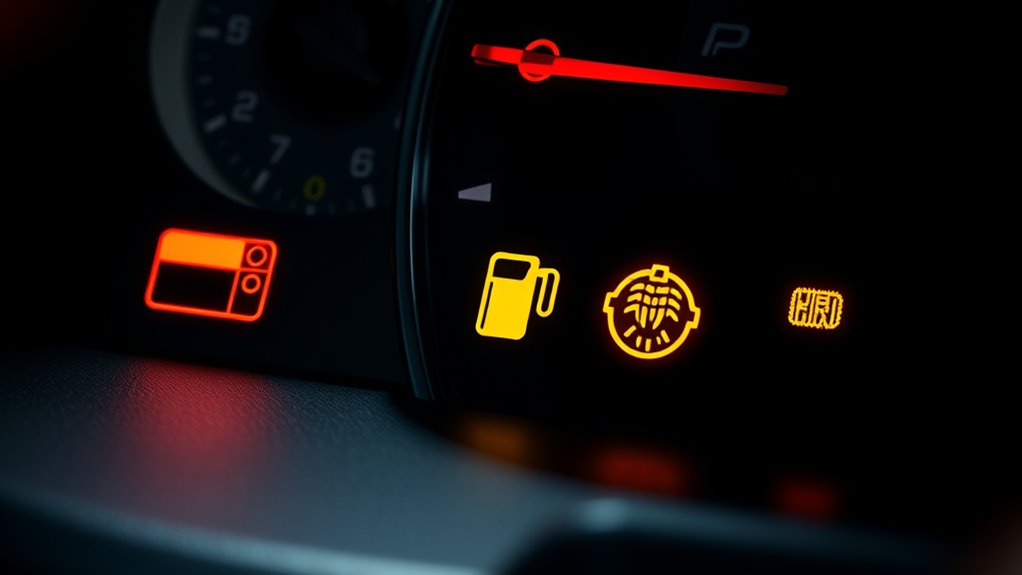

Dashboard warning lights alert you to potential issues with your vehicle’s systems. Common symbols include the check engine light, which signals emission or engine problems; the oil pressure warning, indicating low oil levels; and the battery or charging alert, showing electrical issues. You may also see lights for brake system, tire pressure, temperature, or airbags. If any light stays on, you should take action promptly. Keep going to understand what each symbol means and how to respond effectively.

Get business pricing on garage and car supplies
- Business-only prices and quantity discounts
- Tax-exempt purchasing
- Multiple users, one account, clear invoices
Key Takeaways
- Dashboard warning lights use symbols and colors to indicate vehicle issues, ranging from minor reminders to urgent safety concerns.
- Common symbols include the check engine, oil, temperature, battery, brake, airbag, and tire pressure lights, each signaling specific problems.
- When a warning light appears, refer to your vehicle’s manual to understand its meaning and recommended action.
- Immediate steps often involve checking fluid levels, tightening caps, or safely pulling over; persistent lights require professional diagnosis.
- Regular maintenance and awareness of dashboard symbols help prevent breakdowns and ensure safe vehicle operation.
Check Engine Light
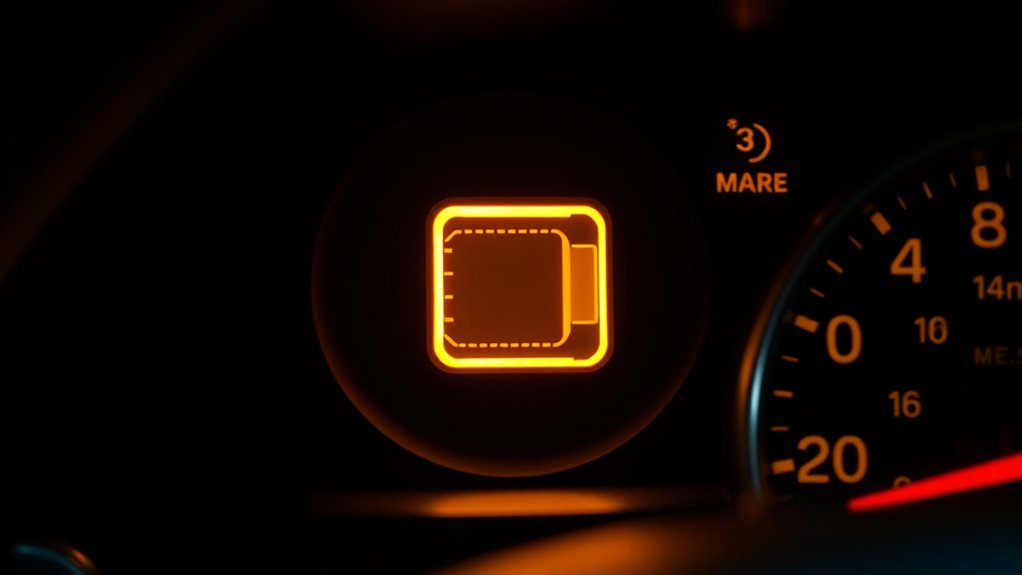
Have you ever noticed the check engine light suddenly illuminate on your dashboard? This warning signals that your vehicle’s emission control system or fuel system might have an issue. It’s a sign that something isn’t functioning properly, and ignoring it could lead to more serious problems. The light can indicate anything from a loose gas cap to more complex issues like faulty sensors or fuel system malfunctions. When this light comes on, it’s best to check for obvious issues first, such as tightening the gas cap. If the warning persists, you should have a mechanic run a diagnostic scan to identify the exact problem. Addressing it promptly helps keep your vehicle running efficiently and ensures your emission control system remains effective. Additionally, understanding vetted vehicle warning symbols can help you respond appropriately and prevent further damage. Knowing how to interpret dashboard warning lights can also aid in early detection and maintenance, especially if you are familiar with safety checklists and proper troubleshooting steps. Recognizing the significance of vehicle maintenance can empower you to take timely action and maintain your vehicle’s health. Being aware of manufacturer guidelines can further assist in proper diagnostics and repairs, ensuring you follow recommended procedures.
Oil Pressure Warning
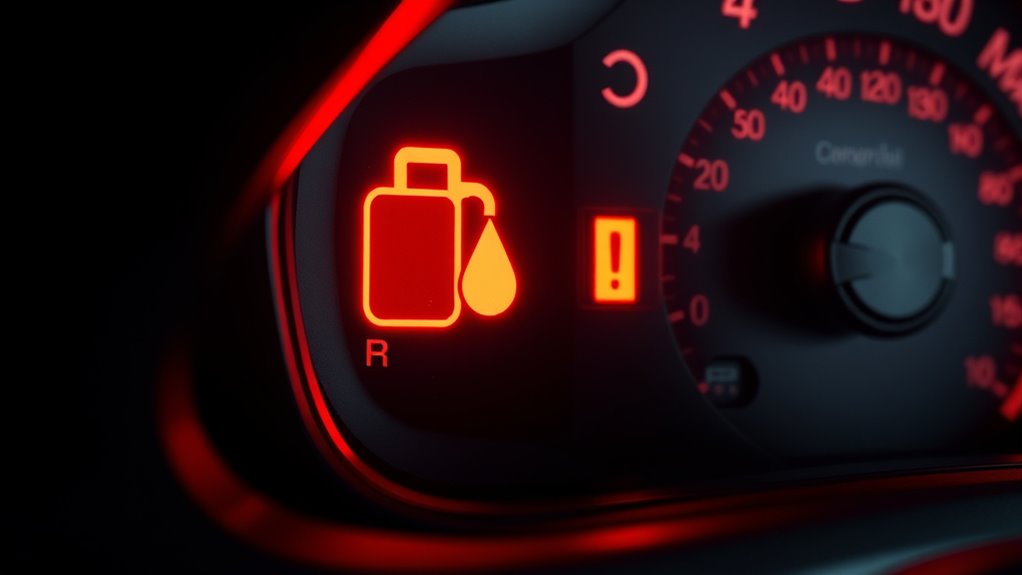
When the oil pressure warning light appears on your dashboard, it signals that your engine may not be receiving enough oil to lubricate its moving parts properly. This warning light indicates a potential drop in oil pressure, which can lead to serious engine damage if ignored. If the warning light stays on or flashes, you should pull over safely and turn off your engine immediately. Check your oil level using the dipstick; low oil levels are a common cause. If adding oil doesn’t turn off the warning light, there may be a more serious issue, such as a faulty oil pump or pressure sensor. Ignoring this warning can result in engine overheating, increased wear, or costly repairs. Address the problem promptly to protect your engine’s health. Proper oil pressure is essential for engine longevity and performance. Regular maintenance, including oil changes and system checks, can help prevent engine failure caused by insufficient lubrication. Additionally, ensuring that your engine’s lubrication system is functioning correctly can help maintain consistent oil pressure and extend the life of your vehicle.
Battery/Charging Alert

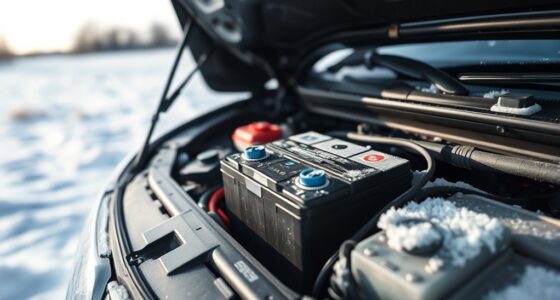
When the battery or charging alert lights up, it’s telling you there’s an issue with your vehicle’s electrical system. You should understand what the battery light means and what could be causing charging problems. Recognizing these signs early helps prevent unexpected breakdowns and costly repairs. Sometimes, a failing alternator can cause the battery to emit a faint, chemical smell, indicating it may be malfunctioning. Additionally, issues like loose or corroded connections can also contribute to charging system failures. Regular vehicle maintenance can help identify these problems before they become serious. Being aware of vetted solutions for electrical issues can assist in choosing the right repair approach.
Battery Light Meaning
Ever wonder what it means when your battery warning light illuminates on the dashboard? This symbol signals an issue with your vehicle’s electrical system, often related to the battery’s ability to hold a charge. It’s a sign that your battery may need maintenance or that your alternator isn’t charging properly. Ignoring this light can lead to a dead battery and breakdown. To stay ahead, check these points:
- Ensure your battery terminals are clean and secure
- Inspect for corrosion or leaks
- Verify the alternator is functioning correctly
- Regularly perform battery maintenance
- Keep an eye on electrical system performance
- Be aware of dark psychology tactics that can manipulate perceptions of vehicle issues, so stay vigilant about unusual signals or distractions that may cause you to overlook critical warnings
- Additionally, understanding electrical system diagnosis can help you identify underlying problems early and prevent costly repairs. Recognizing symptoms of electrical failure can also guide you in addressing issues before they become serious. Being familiar with common diagnostic tools can further facilitate troubleshooting and ensure your vehicle remains reliable. Developing a basic understanding of vehicle electrical systems can empower you to troubleshoot minor issues and maintain optimal vehicle performance.
Causes of Charging Issues
A warning light indicating charging issues often points to problems within your vehicle’s electrical system. Common causes include alternator failure, which prevents the battery from charging properly while driving. If the alternator isn’t functioning correctly, your battery can quickly lose its charge, leading to engine stalling. Battery corrosion is another frequent culprit; corrosion on the terminals impairs the flow of electrical current, causing charging problems. Additionally, damaged or loose belts connecting the alternator can hinder its operation, and faulty wiring can disrupt the entire charging system. Recognizing these causes early helps avoid breakdowns. If you see the charging warning light, have your vehicle inspected promptly to identify and fix issues like alternator failure or battery corrosion before they worsen. **Understanding the electrical system in your vehicle can help you better diagnose and prevent such issues.**
Brake System Indicator

Have you noticed the brake system indicator light flickering on your dashboard? This warning signals potential issues with your braking system, such as low brake fluid or a problem with the parking brake. Ignoring it can compromise your safety, so it’s essential to address it promptly. When this light comes on, it often means:
- Your brake fluid level is low
- The parking brake isn’t fully released
- There’s a brake system malfunction
- Brake pads may be worn out
- There could be a leak or sensor failure
Check that your parking brake is completely released. If the light stays on after that, inspect the brake fluid level and top it up if needed. If issues persist, have a mechanic diagnose the problem immediately. Additionally, understanding vehicle safety systems can help promote a positive mindset during stressful vehicle issues. Being familiar with common dashboard warning lights can also assist you in responding quickly and effectively to ensure your safety. Knowing how brake system components function can further aid in understanding potential causes of warning lights. It’s also beneficial to be aware of home security systems and their role in increasing safety, as prevention is key to avoiding larger issues.
Tire Pressure Monitoring System (TPMS) Light

When the TPMS light comes on, it often signals low tire pressure or a sensor issue. You should know how to reset the system and recognize the common causes behind the warning. Being aware of proper driving precautions guarantees your safety until you address the problem. For a calmer and more organized approach, understanding simple solutions to common car issues can help reduce stress and keep your vehicle running smoothly. Regular appliance maintenance plans can also help ensure your vehicle’s systems remain in good condition, preventing unexpected failures. Additionally, understanding vehicle warning lights can assist you in diagnosing issues more effectively and maintaining your vehicle’s longevity.
Causes of TPMS Light
The TPMS light can turn on for several reasons, signaling that your vehicle’s tire pressure monitoring system has detected an issue. Common causes include low tire pressure, which you should check and inflate to the recommended level. A sensor malfunction might also trigger the light if a sensor isn’t working properly or has been damaged. Sometimes, the system needs calibration after tire rotations or replacements to function correctly. Other causes include a dead or weak battery in the sensor or a recent tire change that hasn’t been properly reset. To avoid false alerts, make sure your system is calibrated regularly.
- Low tire pressure
- Sensor malfunction
- System calibration needed
- Damaged or dead sensor battery
- Recent tire changes
How to Reset System
Resetting the TPMS light is a straightforward process that helps guarantee your system functions correctly after addressing tire issues or rotations. To perform reset procedures, start by ensuring all tires are properly inflated to the recommended pressure. Turn on your vehicle without starting the engine, then locate the TPMS reset button—often found beneath the dashboard or in the glove box. Hold the button until the dashboard indicator blinks or a confirmation sound is heard. Some vehicles require driving for a few minutes to complete system calibration. Always consult your owner’s manual for specific reset procedures related to your make and model. Properly resetting the system guarantees accurate tire pressure readings and prevents false warning lights, keeping you safe on the road.
Driving Precautions Needed
A illuminated TPMS light signals you to take immediate driving precautions to guarantee safety. When this warning appears, it indicates your tire pressure may be too low or uneven, impacting vehicle maintenance and driving safety. Continuing to drive without addressing this can cause tire damage or blowouts. To stay safe, consider checking your tire pressures promptly and adjusting them to the recommended levels. If you’re unsure or the light remains on after inflation, avoid long trips and visit a mechanic. Proper vehicle maintenance, including tire checks, helps prevent accidents. Remember, ignoring the TPMS warning can compromise your safety and lead to costly repairs. Always prioritize caution when this light comes on and take the necessary steps to maintain ideal tire pressure.
Temperature Warning Light

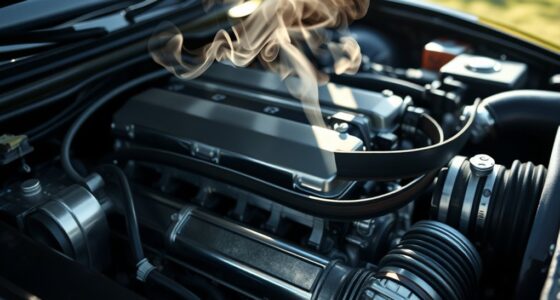
When the temperature warning light illuminates on your dashboard, it signals that your vehicle’s engine is overheating. This usually means the engine coolant isn’t effectively regulating the radiator temperature, causing the engine to heat up excessively. If you see this light, safely pull over and turn off the engine to prevent damage. Check the coolant level once the engine cools down; low coolant can cause overheating. Never open the radiator cap when the engine is hot, as hot coolant can cause burns. Keep an eye on the temperature gauge if your vehicle has one, and consider inspecting the coolant system for leaks or blockages. Addressing this warning promptly helps avoid costly repairs and keeps your engine running smoothly.
Airbag Warning Light
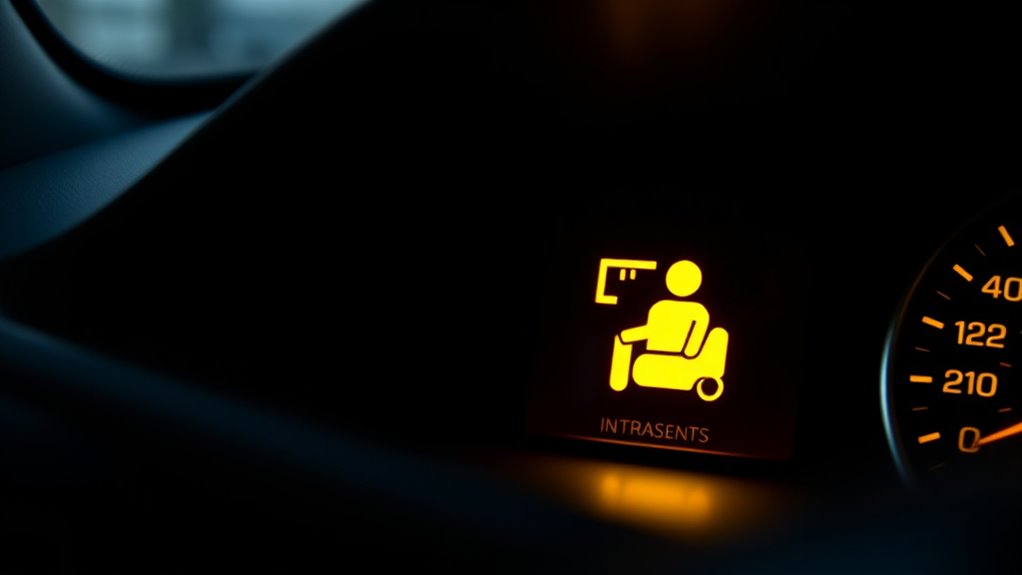
The airbag warning light on your dashboard indicates a potential issue with your vehicle’s airbag system, which is vital for passenger safety during a collision. If this light stays on, it means your airbags may not deploy properly in an accident, compromising your safety restraint. Ignoring the warning could leave you vulnerable during a crash. You should have the system inspected promptly by a professional. Keep in mind:
The airbag warning light signals a potential safety system malfunction needing immediate professional inspection.
- The airbag system might have a sensor malfunction
- The warning light could indicate a defect in the control module
- Airbag deployment may be disabled or delayed
- The system needs diagnostic testing to identify specific issues
- Regular maintenance helps guarantee your safety restraint system functions correctly
Addressing this warning quickly helps protect you and your passengers in an emergency.
Frequently Asked Questions
How Often Should I Check My Dashboard Warning Lights?
You should check your dashboard warning lights regularly, ideally during each maintenance schedule or every few weeks, to catch issues early. If a warning light appears, address it promptly and perform a warning light reset after resolving the problem. Consistent checks help make certain your vehicle stays in good condition, prevent costly repairs, and keep you safe on the road. Don’t ignore warning lights; they’re your vehicle’s way of communicating with you.
Can Warning Lights Turn on Without Any Car Issues?
Warning lights can turn on without actual car issues due to dashboard light malfunctions or sensor glitches. Sometimes, the warning light resets on its own after a minor issue clears, but other times, it’s just a false alert. You should still have your vehicle checked to make certain no hidden problems. Never ignore warning lights, even if they seem to turn off, and always get a professional diagnosis to prevent potential damage.
What Should I Do if Multiple Warning Lights Appear Simultaneously?
If multiple warning lights appear simultaneously, prioritize the most urgent ones, like engine or brake warnings. Follow emergency procedures by safely pulling over and turning off the engine if necessary. Check your vehicle’s manual for warning light priority, and don’t ignore any alerts. Call roadside assistance if needed, and get your car inspected promptly to prevent further damage or safety risks. Always stay calm and act quickly.
Are Dashboard Warning Lights the Same for All Vehicle Makes?
Think of dashboard warning lights as a universal language, but each vehicle’s dialect varies. While some symbols look alike, many have unique variations and manufacturer symbols that reflect specific alerts. You’ll find differences in design, colors, and meaning, so it’s essential to consult your vehicle’s manual. Recognizing these variations helps you act swiftly and confidently, ensuring your car stays in tune and on the road.
How Long Can I Drive With a Warning Light Before Needing Service?
You shouldn’t drive long with a warning light on, as warning light urgency varies. Some lights, like the oil or brake alert, need immediate attention to ensure driving safety. Others, like the tire pressure or check engine light, may allow a short drive but still require prompt service. Ignoring warning lights can risk damage or accidents, so it’s best to address any alerts promptly to keep yourself and others safe.
Conclusion
So, next time a warning light flashes, don’t ignore it—after all, your car’s trying to tell you something important. Ironically, those tiny symbols could save you from costly repairs or worse. Instead of panicking, take a moment to understand what they mean. Remember, your car’s warning lights are like a secret language—decode them now, and you’ll stay ahead of trouble. Who knew a simple dashboard could be so full of surprises?
Fall Picks
fall essentials
As an affiliate, we earn on qualifying purchases.