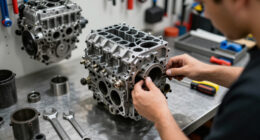

When your car shakes at highway speeds, unbalanced tires and suspension issues are common culprits. Uneven wheel weights or worn suspension parts cause vibrations that worsen with speed, affecting your comfort and safety. Fixing these problems involves tire balancing and inspecting or replacing worn shocks, struts, or bushings. Staying proactive with maintenance can prevent further damage and ensure a smoother ride—continue exploring to discover more about diagnosing and solving these issues.
Key Takeaways
- Unbalanced tires cause high-speed vibrations; balancing them improves stability and reduces shaking.
- Worn or damaged suspension components fail to absorb bumps, leading to vibrations at highway speeds.
- Wheel misalignment can result in uneven tire wear and steering shakes during high-speed driving.
- Loose or damaged steering parts may cause instability and vibrations when driving fast.
- Regular maintenance and inspections of tires and suspension help identify and fix issues early.

If your car starts shaking at highway speeds, it’s a sign that something’s off with your vehicle’s performance. One of the most common causes is unbalanced tires. When your tires aren’t properly balanced, the weight distribution around the wheel isn’t even, leading to vibrations that become noticeable as you speed up. These vibrations can be felt through the steering wheel, seat, or floor, and they tend to worsen at higher speeds. Getting your tires balanced is a straightforward fix—your mechanic will add small weights to the wheels to distribute the weight evenly, which can markedly reduce or eliminate the shaking. Ignoring unbalanced tires can also cause uneven tire wear, leading to more frequent replacements and added costs over time. Additionally, nanotechnology is increasingly being used to develop advanced tire materials that improve durability and performance, reducing the likelihood of imbalance-related issues.
Unbalanced tires cause vibrations at high speeds; balancing them reduces shaking and prevents uneven tire wear.
Another frequent culprit is suspension issues. Your suspension system is responsible for smooth handling and stability, especially at high speeds. If components like shocks, struts, or bushings are worn or damaged, they won’t absorb bumps and vibrations effectively. This can cause your vehicle to shake or feel unstable, particularly when highway speeds amplify these issues. Diagnosing suspension problems involves inspecting these parts for leaks, cracks, or excessive wear. Replacing or repairing faulty suspension components restores stability and smoothness, reducing vibrations caused by suspension malfunctions. It’s especially important to address suspension issues promptly, as they not only cause shaking but also compromise your vehicle’s safety and handling.

Rdxcv 48 PCS 1/4 Oz Adhesive Backed Wheel Weights, 0.25 Oz Low Profile Tire Balancing Weights with Strong Adhesive, Easy to Peel Wheel Weight for Cars Trucks SUVs Motorcycles
- Designed for Dynamic Wheel Balance: Ensures precise weight distribution for smooth driving
- Made from High-Quality Iron: Durable, impact-resistant, and long-lasting material
- Strong Self-Adhesive Backing: Firmly sticks to rims without residue or scratches
As an affiliate, we earn on qualifying purchases.
As an affiliate, we earn on qualifying purchases.
Frequently Asked Questions
How Often Should I Have My Wheel Alignment Checked?
You should have your wheel alignment checked at least once a year or every 12,000 miles, especially if you notice uneven tire wear or steering issues. Regular tire rotation helps maintain even wear, but a steering alignment guarantees your car handles smoothly. If you hit potholes or curbs frequently, consider checking your alignment more often. Proper alignment prevents shaking at highway speeds and prolongs your tires’ lifespan.
Can Worn Suspension Parts Cause Highway Speed Vibrations?
Yes, worn suspension parts can cause highway speed vibrations. When suspension wear occurs, it can lead to steering issues, making your ride feel unstable or shaky at high speeds. Worn shocks or struts, for example, can’t absorb bumps properly, resulting in vibrations. Regularly inspecting your suspension system helps catch these issues early, ensuring a smoother, safer driving experience and preventing further steering problems caused by wear.
Does Unbalanced Tires Affect Fuel Efficiency?
Surprisingly, unbalanced tires can actually impact your fuel efficiency. When your wheels aren’t properly balanced, it creates extra resistance, making your engine work harder. To prevent this, keep your tire pressure at recommended levels and get your wheel balancing checked regularly. Ignoring these simple steps might just turn your fuel savings into a costly ride, proving that even small neglects have big consequences on your wallet.
Are Aftermarket Tires More Prone to Causing Shakes?
Yes, aftermarket tires can be more prone to causing shakes if they have lower tire quality or if installation mistakes are made. Poor quality tires may have uneven manufacturing, leading to vibrations at highway speeds. Additionally, improper installation, such as incorrect balancing or mounting, can cause shaking. To avoid this, choose high-quality tires and have them installed by professionals who guarantee proper balancing and fitment.
What Are the Signs of a Bent Wheel?
You’ll notice signs of a bent wheel through noticeable wheel wobble and uneven rotation when driving. If your steering feels irregular or the car pulls to one side, it’s a strong indicator. You might also observe vibrations that increase with speed or feel a thumping sensation. These signs point to a bent wheel, which requires inspection and likely repair or replacement to prevent further issues and ensure safe driving.

ST Suspension 51120 Rear Anti-Sway Bar for Honda Accord 2DR/4DR
- Effective Body Roll Reduction: Reduces vehicle body roll significantly
- Improves Ride Comfort: Maintains ride quality while enhancing stability
- Enhances Cornering Confidence: Increases stability in turns and emergency maneuvers
As an affiliate, we earn on qualifying purchases.
As an affiliate, we earn on qualifying purchases.
Conclusion
So, next time your car starts shaking at highway speeds, remember that it might just be a simple fix—like balancing your tires or checking your alignment. Sometimes, it’s surprising how small issues cause big vibrations, and fixing them can restore that smooth ride. Coincidentally, many drivers overlook these quick solutions, only to realize later that the fix was easier than they thought. Keep an eye on your car, and enjoy that quiet, steady drive every time.
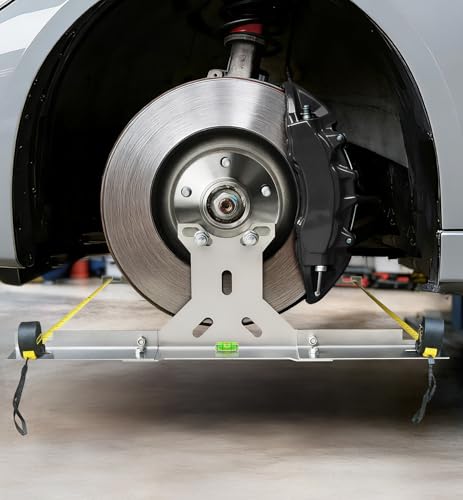
Toplamper Wheel Toe Alignment Tool Kit for at Home DIY Garage Use, Stainless Steel Toe Plates with Dual Tape Measures, Quick Front-End Toe Check for Automotive Cars Trucks SUVs (Patent Design)
- DIY Front-End Toe Adjustment: Ideal for home garage use
- Toe Reference and Adjustment Tool: Helps correct toe-in and toe-out
- Heavy-Duty Stainless Steel Plates: Resists bending and corrosion for durability
As an affiliate, we earn on qualifying purchases.
As an affiliate, we earn on qualifying purchases.

Whirlpool WP8182703 Genuine OEM Front Load Washer Shock Absorber Replacement Part – Replaces 8181646, 8182703
- Genuine OEM Part: Designed specifically for Whirlpool appliances
- Part Number: Replaces 8181646 and 8182703
- Compatibility: Fits multiple Whirlpool models including GHW9400PW
As an affiliate, we earn on qualifying purchases.
As an affiliate, we earn on qualifying purchases.