
TL;DR
Honda plans to return to profitability in FY26 with a forecasted net profit of 260 billion yen, despite posting its first loss in recent years due to electric vehicle-related expenses. The company is adjusting its EV strategy amid changing market conditions.
Honda Motor announced on Thursday that it expects to report a net profit of 260 billion yen ($1.65 billion) for the fiscal year ending March 2027, marking a return to profitability after posting its first net loss since listing in the previous fiscal year.
The company cited ongoing challenges related to its electric vehicle (EV) operations, which contributed to the recent loss. Honda indicated it will scale back its previously aggressive EV expansion strategy, initiated in 2021 under President Toshihiro Mibe, due to shifting market conditions and increased costs.
Honda’s forecast for FY26 reflects a strategic shift, focusing on stabilizing profitability rather than rapid EV expansion. The company’s leadership emphasized that this move is part of a broader overhaul of its fundamental business strategy, aiming to balance EV development with traditional internal combustion engine (ICE) models and other mobility services.
Why It Matters
This development is significant because it signals a potential shift in Honda’s approach to electric vehicles amid global industry challenges, including high costs and market uncertainties. The company’s move to scale back its EV push may influence competitors and industry standards, highlighting the difficulties automakers face in transitioning to electrification while maintaining profitability.
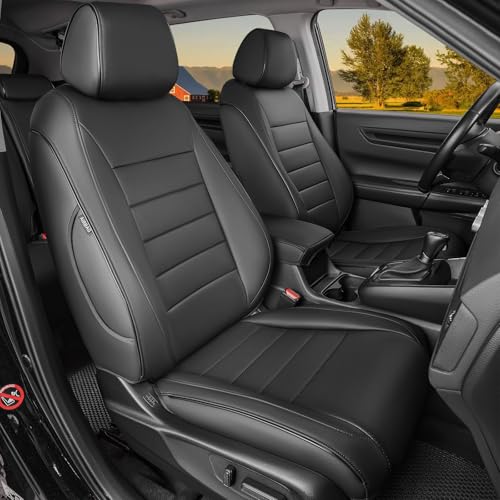
HKZ Fit CRV Car Seat Covers Full Set for Honda CR-V 2023 2024 2025 2026 CRV LX;EX;EX-L;Sport;Touring;Special Edition & Hybrid Model – Leather (Black)
- Custom Fit for Honda CR-V: Fits 2023-2026 CR-V models including hybrid
- Precise Seat Cover Design: Accommodates seat buttons, belts, airbags
- Premium Leatherette Material: 4-layer breathable, waterproof, comfortable
As an affiliate, we earn on qualifying purchases.
As an affiliate, we earn on qualifying purchases.
Background
Honda’s initial aggressive EV strategy was launched in 2021, with plans to heavily invest in electric models and infrastructure. However, rising costs, supply chain issues, and market dynamics have prompted a reassessment. The company’s recent financial results include a net loss for the previous fiscal year, the first since its listing, largely attributed to EV-related expenses. Honda’s decision to pivot reflects broader industry pressures and the need for sustainable financial management during the EV transition.
“We are adjusting our EV strategy to focus on sustainable growth and profitability, rather than rapid expansion at the expense of financial stability.”
— Honda spokesperson
“Our goal is to return to profitability by FY26, and this requires a careful reevaluation of our investments and strategic priorities.”
— Toshihiro Mibe, Honda President

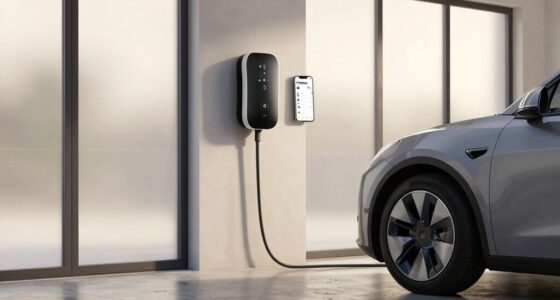
ChargePoint HomeFlex Level 2 EV Charger J1772 – Fast Smart Battery Power Charging at Home for Electric Automobile Vehicles – Hardwired for Electric Car
- Reliable Home Charging: Builds dependable EV charging stations
- 24/7 Support: Around-the-clock assistance available
- Mobile App Control: Manage charger via user-friendly app
As an affiliate, we earn on qualifying purchases.
As an affiliate, we earn on qualifying purchases.
What Remains Unclear
It remains unclear how Honda’s revised EV strategy will impact its long-term market share and technological development. Details about specific investment plans, product launches, or partnerships as part of the new approach are still emerging.

CARTMAN 148-Piece Automotive And Household Tool Set, Green Repair Kit Case
- Complete Tool Collection: 148 essential tools for home repairs
- Corrosion-Resistant Tools: Heat-treated for durability and rust resistance
- Easy Storage Case: Sturdy blow-molded case for organization
As an affiliate, we earn on qualifying purchases.
As an affiliate, we earn on qualifying purchases.
What’s Next
Honda is expected to provide further details on its strategic realignment and financial outlook during upcoming earnings reports. Monitoring the company’s product plans and market performance over the next fiscal year will be key to assessing the success of its recovery efforts.

SWANLAKE 7 Piece Auto Body Repair Kit, Auto Body Tools, Auto Body Repair Tools with Carbon Steel Hammer Heads
- Complete Auto Body Repair Kit: Includes hammers and dollies for repairs
- Durable Carbon Steel Construction: Heat-tempered, rust-resistant for longevity
- Multi-Purpose Use: Suitable for auto, woodworking, and metalworking
As an affiliate, we earn on qualifying purchases.
As an affiliate, we earn on qualifying purchases.
Key Questions
Why did Honda experience a net loss last year?
The loss was primarily due to EV-related expenses, including R&D, infrastructure investments, and supply chain costs associated with its initial aggressive EV expansion strategy.
What changes is Honda making to its EV strategy?
Honda is scaling back its previous aggressive EV expansion, focusing instead on profitability and sustainable growth, while maintaining a balanced portfolio of internal combustion, hybrid, and electric vehicles.
Will Honda still develop electric vehicles in the future?
Yes, Honda plans to continue developing EVs, but with a more cautious approach that emphasizes financial stability and market readiness, rather than rapid expansion.
When will Honda’s financial results for FY26 be announced?
Honda’s fiscal year ends in March 2027, so official results are expected to be released shortly after that date, likely in April or May 2027.