
Before adding a charger pedestal in your driveway, make certain your electrical system can handle the extra load, possibly needing an upgrade or dedicated circuit from a licensed electrician. Follow local codes and use weatherproof equipment for outdoor safety. Choose a secure, accessible position and anchor the pedestal well to withstand weather and bumps. Proper wiring, grounding, and safety measures are essential. To build a safe, future-proof setup, consider high-quality cables and plan for future needs—there’s more to know if you keep exploring.
Key Takeaways
- Ensure your home’s electrical system can support the additional load, and consider upgrades if necessary.
- Follow local electrical codes and use weatherproof, outdoor-rated equipment for safety.
- Choose a strategic, accessible location and securely anchor the pedestal for stability.
- Hire a licensed electrician for proper wiring, grounding, and adherence to safety standards.
- Plan for future needs by installing durable wiring and considering higher amperage support.

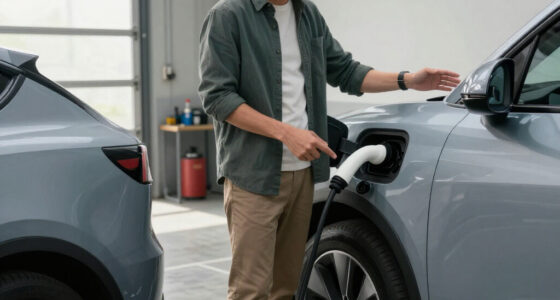
Adding a charger pedestal to your driveway can be a convenient way to power your electric vehicle, but before you install one, it’s important to understand the key factors involved. One of the most critical considerations is the electrical requirements. Your home’s electrical system needs to support the additional load that a charger pedestal demands. This often means upgrading your existing circuit or installing a dedicated circuit to handle the voltage and amperage required for efficient charging. You should consult a licensed electrician to assess your current electrical capacity and determine if any upgrades are necessary. Guaranteeing proper wiring and circuit protection is essential to prevent overloads and electrical failures. It’s not just about plugging in your vehicle; it’s about doing so safely and reliably.
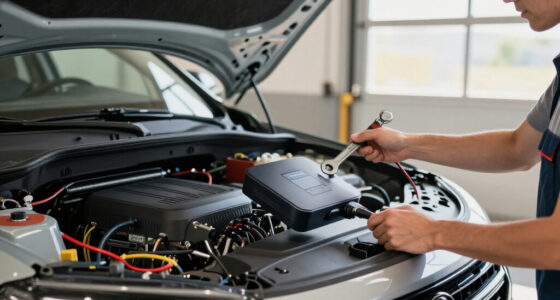
Installation safety is equally crucial. A charger pedestal must be installed following local electrical codes and standards to minimize risks. This means using weatherproof, outdoor-rated equipment and ensuring the pedestal is grounded correctly. Proper grounding prevents electrical shocks and protects your vehicle and property. You’ll also want to think about the placement of the pedestal—ideally, it should be positioned in a location that’s easily accessible but also away from potential hazards like puddles or debris. An unsafe installation can lead to short circuits, fires, or other electrical issues. Understanding the electrical system and how it handles additional loads is vital for a safe setup. Additionally, inspecting your existing infrastructure for circuit capacity can help identify if your system is prepared for the new demand. Recognizing power demands and how they impact your electrical system can help prevent costly upgrades later.
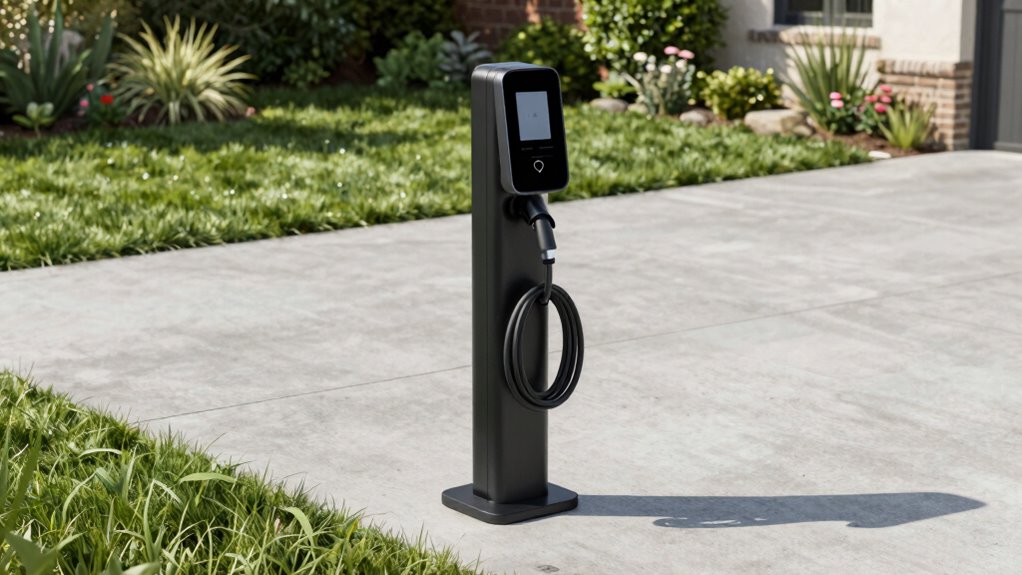
Another aspect of safety involves making sure the pedestal is installed at the right height and securely anchored to withstand weather conditions and accidental bumps. If you have a concrete driveway, you might need to pour a small foundation or use appropriate mounting hardware. If you’re not comfortable with electrical work, hiring a professional ensures the installation adheres to all safety protocols. It’s tempting to cut corners, but doing so could compromise safety and void any warranties or insurance coverage.
Finally, understanding the importance of cable safety and proper wiring practices can help prevent heat buildup, toxic fumes, and electrical failures, especially in outdoor environments. Proper cable management and protective conduits are recommended to enhance durability and safety. Additionally, choosing high-quality, outdoor-rated cables can extend the lifespan of your charging setup. Lastly, think about future-proofing your setup. As electric vehicle technology evolves, charging needs might change. Installing a pedestal that supports higher amperages or multiple outlets can save you headaches later. It’s always best to plan with both current use and future needs in mind. Taking the time to understand the electrical requirements and safety considerations is essential to ensure your charging station is reliable, safe, and compliant with local regulations. Doing this right from the start helps you enjoy the convenience of charging your EV without unnecessary risks or complications.
outdoor weatherproof EV charger pedestal
As an affiliate, we earn on qualifying purchases.
As an affiliate, we earn on qualifying purchases.
Frequently Asked Questions
Can a Charger Pedestal Be Installed on a Sloped Driveway?
Yes, you can install a charger pedestal on a sloped driveway, but slope considerations matter. Make certain the pedestal is securely anchored and level to prevent stability issues. Proper drainage is essential to avoid water pooling around the pedestal. Also, choose a pedestal with good durability to withstand the slope’s pressure and weather conditions. Consulting a professional helps ensure a safe, long-lasting installation that accommodates your driveway’s unique incline.
How Long Does Installation Typically Take?
Installation of a charger pedestal usually takes about a day, but it can vary based on your driveway’s condition and electrical wiring complexity. You’ll need to make sure safety precautions are followed, like proper electrical wiring and securing permits. If your driveway is sloped or requires additional groundwork, it might extend the process. Hiring a professional guarantees safe, efficient installation, helping you avoid potential hazards or code violations.
Are There Any City Permits Required?
Yes, you likely need city permits before installing a charger pedestal in your driveway. Check your local parking regulations and electrical codes to guarantee compliance. Permits help confirm your installation meets safety standards and zoning laws. Contact your city’s building department to understand specific requirements. Failing to obtain necessary permits could result in fines or issues when selling your property. Always verify local regulations to avoid complications.
What Maintenance Is Needed for the Pedestal?
Think of your charger pedestal as the heartbeat of your electric vehicle journey—its maintenance is essential. Regularly inspect for electrical safety issues, like loose connections or corrosion, and keep the pedestal clean and dry. You should also check for signs of wear that could affect durability. Periodic professional inspections ensure everything operates smoothly, safeguarding your investment and keeping your EV charging experience safe, reliable, and stress-free.
Can Multiple Vehicles Use the Same Charger?
Yes, multiple vehicles can use the same charger if it has a shared charging port or dual connectors, but charging speed may decrease when more vehicles share the power source. To guarantee efficient charging, check if the pedestal offers adjustable power output or multiple ports. Keep in mind that the charging speed depends on the power source’s capacity, so a higher-capacity source can support faster, simultaneous charging for multiple vehicles.
electric vehicle charger installation kit
As an affiliate, we earn on qualifying purchases.
As an affiliate, we earn on qualifying purchases.
Conclusion
Before installing a charger pedestal in your driveway, make certain you understand local regulations, power requirements, and safety considerations. Proper planning ensures efficient and safe charging for your electric vehicle. Did you know that EV charging stations can increase your property value by up to 5%? By taking these steps, you’ll enjoy convenient, reliable charging and potentially boost your home’s worth—all while supporting a greener future.
outdoor-rated electrical wiring for EV charger
As an affiliate, we earn on qualifying purchases.
As an affiliate, we earn on qualifying purchases.
grounding kit for outdoor EV charger
As an affiliate, we earn on qualifying purchases.
As an affiliate, we earn on qualifying purchases.