
TL;DR

Get business pricing on garage and car supplies
- Business-only prices and quantity discounts
- Tax-exempt purchasing
- Multiple users, one account, clear invoices
Volkswagen has introduced an electric vehicle that can achieve over 9 miles per kWh, marking a significant efficiency milestone. The announcement confirms technical progress, though full specifications are still forthcoming.
Volkswagen has unveiled a new electric vehicle (EV) that can achieve over 9 miles per kWh of energy consumption, marking a notable milestone in EV efficiency. The company confirmed this performance metric during a recent presentation, emphasizing its potential to improve range and reduce energy costs for consumers. This development is significant as automakers seek to enhance EV performance amid increasing competition and consumer demand for longer-range, more efficient electric cars.
The new Volkswagen EV was revealed during a company event, with officials stating it can deliver over 9 miles per kWh. Learn more about Volkswagen’s global coverage. This figure surpasses many existing models on the market, which typically range between 3 and 4 miles per kWh, depending on size and design. The vehicle is built on Volkswagen’s latest electric platform, incorporating advanced battery technology and motor efficiency improvements.
Volkswagen did not disclose the full specifications of the vehicle, including battery capacity or total range, but confirmed that the efficiency gains are achieved through a combination of lightweight materials, optimized aerodynamics, and improved powertrain design. The company also indicated that this performance could translate into lower operating costs and longer driving distances per charge for consumers.
Industry analysts note that achieving over 9 miles per kWh could significantly impact EV adoption by addressing range anxiety and reducing charging frequency. Volkswagen’s announcement aligns with broader industry trends emphasizing energy efficiency as a key competitive factor in the EV market.
Implications for EV Market and Consumer Adoption
This announcement matters because achieving over 9 miles per kWh represents a substantial leap in EV efficiency, which could influence consumer choices and industry standards. Higher efficiency reduces energy consumption per mile, potentially lowering operating costs and making EV ownership more accessible. It also signals that automakers are making meaningful technological advances that could accelerate the transition away from internal combustion engines.
Moreover, improved efficiency can extend vehicle range without increasing battery size, helping address range anxiety—a major barrier to EV adoption. If Volkswagen’s new model proves commercially successful, it might compel competitors to accelerate their own efficiency improvements, fostering innovation across the industry.
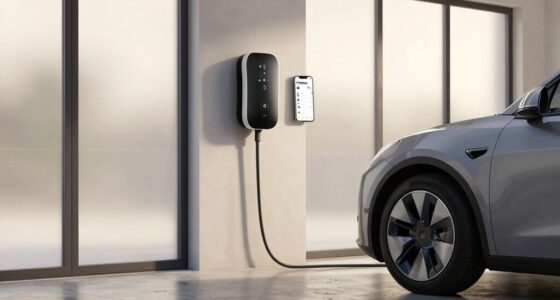
electric vehicle efficiency monitor
As an affiliate, we earn on qualifying purchases.
As an affiliate, we earn on qualifying purchases.
Industry Trends Toward Higher EV Efficiency
Interest in EV efficiency has been rising as automakers seek to meet stricter environmental regulations and consumer expectations for longer range and lower costs. Over the past few years, manufacturers have invested heavily in battery technology, aerodynamics, and lightweight materials to improve miles per kWh. Volkswagen has historically been a key player in the EV space, with models like the ID.3 and ID.4, but this new milestone indicates a potential breakthrough in efficiency.
The announcement comes amid a broader industry push, with several automakers announcing plans to improve EV performance. However, achieving over 9 miles per kWh remains a notable benchmark, as most current mainstream EVs hover below this threshold. The exact timeline for mass-market availability of Volkswagen’s new model remains unclear, and full technical details are still pending.
Search interest in EV efficiency metrics has spiked recently, driven by consumer curiosity and industry analysis, though the specific trigger for this surge remains unconfirmed. Experts suggest that the focus on energy efficiency is likely to intensify as the market evolves.
As an affiliate, we earn on qualifying purchases.
Details of Vehicle Specifications and Deployment
It is not yet clear what the full specifications of the new Volkswagen EV are, including its battery capacity, total range, or pricing. Volkswagen has not announced a launch date or confirmed whether this model will be available in all markets. Additionally, the long-term durability and real-world performance of the efficiency gains remain to be verified through testing and consumer feedback.
Industry insiders note that further technical details and independent testing are needed to fully validate the claimed efficiency improvements. As of now, the announcement is based on preliminary data provided by Volkswagen, and the actual market availability may be months away.
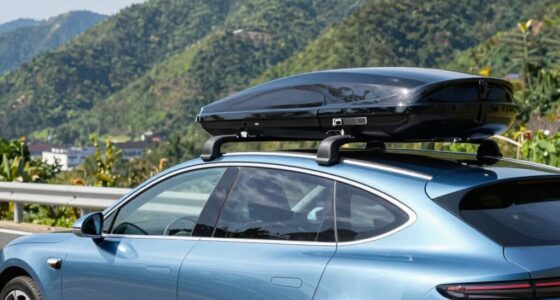
long range electric car accessories
As an affiliate, we earn on qualifying purchases.
As an affiliate, we earn on qualifying purchases.
Next Steps for Volkswagen and Industry Evaluation
Volkswagen is expected to release more detailed specifications and possibly a prototype or production version in the coming months. Industry analysts will closely monitor independent testing and real-world performance data to confirm the efficiency claims. Consumer interest and potential pre-orders could follow if the vehicle meets expectations.
Further, competitors are likely to accelerate their own efficiency improvements, leading to a more competitive EV landscape. Regulatory bodies may also scrutinize the claims to ensure transparency and prevent overstatement of performance metrics.
As an affiliate, we earn on qualifying purchases.
Key Questions
What makes Volkswagen’s new EV more efficient?
Volkswagen attributes the improved efficiency to a combination of lightweight materials, optimized aerodynamics, and advancements in motor and battery technology.
When will this vehicle be available to consumers?
Volkswagen has not announced an exact release date. Full specifications and market availability are expected in the coming months.
How does this efficiency compare to current EV models?
Most mainstream EVs currently achieve between 3 and 4 miles per kWh. Over 9 miles per kWh would nearly double that efficiency, representing a significant technological advance.
Will this efficiency translate into longer driving range?
While higher miles per kWh suggest potential for longer range, the actual total range depends on battery capacity and vehicle design, which have not yet been disclosed.
Source: rss
Fall Picks
fall essentials
As an affiliate, we earn on qualifying purchases.