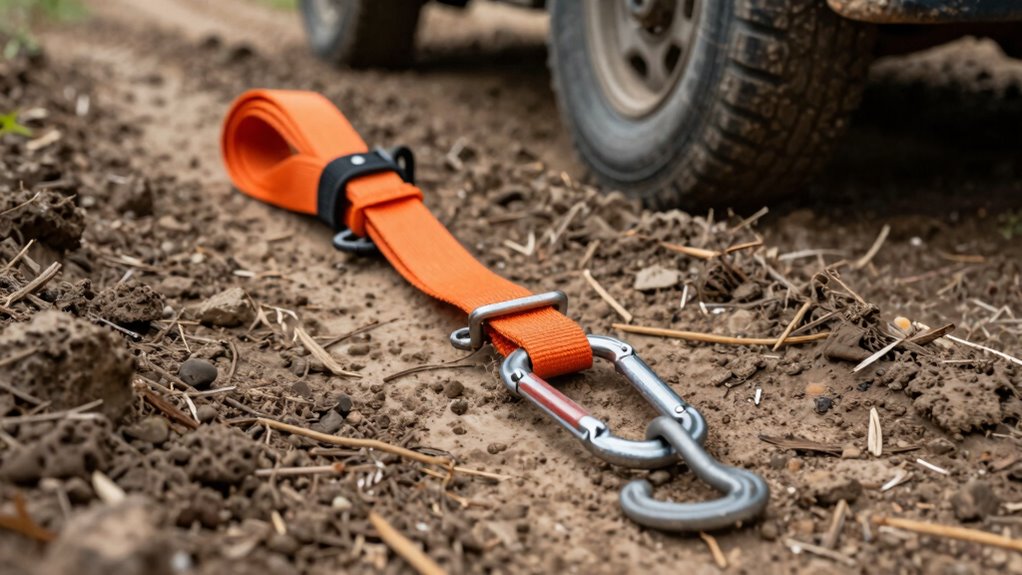

Proper recovery gear placement is more important than you might realize because it directly affects your safety and recovery speed. When gear is organized and within easy reach, you can access tools quickly, reducing frustration and trip hazards. Secure heavy or loose items to prevent accidents, and store essentials in accessible spots to streamline your process. Good placement helps you handle tough recoveries confidently. Keep exploring to discover how making some simple adjustments can make all the difference.
Key Takeaways
- Proper gear placement ensures quick access, reducing recovery time and preventing delays in urgent situations.
- Organized gear minimizes safety hazards by preventing loose items from becoming projectiles or causing trips.
- Strategic placement supports an efficient recovery workflow, reducing confusion and increasing confidence during challenging recoveries.
- Securely stored equipment prevents bouncing or falling, protecting operators and the vehicle from damage.
- Well-arranged gear reflects a proactive safety mindset, helping maintain focus and ensuring a smoother recovery process.
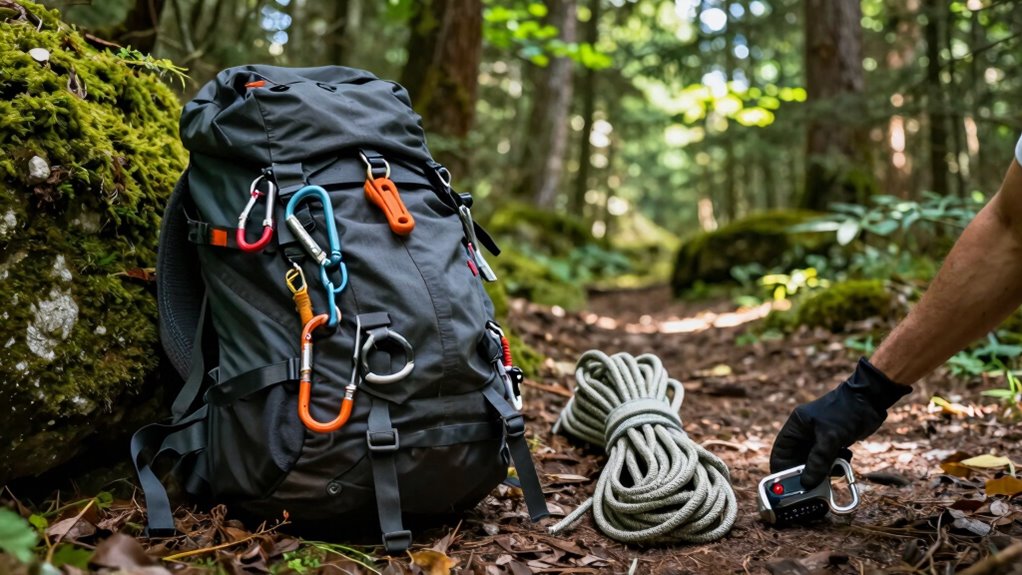
When it comes to off-road recovery, how you place your gear can make the difference between a quick fix and a prolonged ordeal. Proper gear organization isn’t just about keeping things neat; it’s about ensuring you can access what you need fast and safely. When you’re stuck or dealing with a tough recovery, every second counts. If your gear isn’t organized, you’ll waste time digging through bags or containers, increasing frustration and risking safety. Well-organized gear means you can locate essential tools immediately, reducing the risk of injury or further vehicle damage.
Safety considerations are paramount when placing your recovery gear. You want to avoid loose items that could become projectiles if the vehicle shifts unexpectedly. Secure heavy equipment like winches, tow straps, or jacks properly to prevent them from bouncing around or falling into your path. When gear is securely stored, it minimizes hazards not only for you but for others around you. You should also think about visual cues—using brightly colored straps or markers can help you quickly identify critical tools amidst other gear. This simple step can save valuable time, especially in stressful recovery situations.
Placement is key: keep your most frequently used items within easy reach. For example, store a snatch block, gloves, and a recovery kit in accessible compartments or on top of your gear pile. This way, when you need to recover your vehicle, you won’t have to rummage through everything, risking injury or further vehicle issues. Additionally, consider the terrain and environment. If you’re in a muddy or rocky area, waterproof containers for electronics or delicate gear are a smart investment. They keep your equipment dry and functional, ensuring you’re prepared for any conditions. Proper gear organization also helps in maintaining a clear workspace, which is crucial for safety and efficiency. Incorporating storage solutions designed specifically for off-road recovery gear can further enhance your setup and quicken your response time. A thoughtful setup not only improves your response but also aligns with traditional practices that emphasize respect for the environment and community safety. Remember, a well-thought-out setup can prevent chaos during an emergency and help you stay focused.
Another critical aspect is thinking ahead about the recovery process itself. Arrange your gear so that it supports a safe workflow. Place items in order of use, so you don’t have to shuffle through everything during a recovery. It’s also wise to establish a designated spot for your gear to prevent clutter around your vehicle. A tidy setup reduces trip hazards and helps maintain focus on the recovery task at hand. Furthermore, incorporating proper storage solutions can significantly enhance your gear management and safety during recovery.
Ultimately, the way you place your recovery gear directly impacts your safety and efficiency. Thoughtful gear organization and mindful placement help you respond quickly, stay safe, and avoid unnecessary setbacks. When you plan your gear placement carefully, you’re better equipped to handle even the most challenging off-road recoveries with confidence.
off-road recovery gear storage organizer
As an affiliate, we earn on qualifying purchases.
As an affiliate, we earn on qualifying purchases.
Frequently Asked Questions
How Often Should Recovery Gear Be Inspected for Safety?
You should inspect your recovery gear at least every three to six months to guarantee it meets safety standards. Regular inspections help identify wear, damage, or deterioration that could compromise safety during use. Keep a record of inspection dates and any issues found. If you notice any damage or suspect the gear isn’t up to standard, replace it immediately. Staying proactive with inspection frequency keeps you safe and compliant.
Can Improper Placement Cause Gear to Fail Unexpectedly?
Improper placement can definitely cause gear failure unexpectedly. When you don’t position recovery gear correctly, it puts unnecessary stress on certain parts, increasing the risk of failure under load or during a critical moment. Gear failure can happen suddenly if components aren’t secured or aligned properly. Always double-check your gear’s placement, confirming it’s snug, balanced, and properly anchored to prevent accidents and guarantee your safety during recovery operations.
What Materials Are Best for Durable Recovery Gear?
You should choose recovery gear made from high-quality, durable materials like nylon, polyester, or Dyneema. Material durability is vital because it guarantees the gear withstands heavy loads and rough conditions. When gear material selection is thoughtful, it boosts safety and longevity. Look for reinforced stitching and abrasion-resistant fabrics, as these features enhance durability. Properly selected materials make your recovery gear reliable, preventing failures when you need it most.
Does Gear Placement Differ for Various Vehicle Types?
Surprisingly, gear placement does differ for various vehicle types. You might think a one-size-fits-all approach works, but vehicle-specific considerations really matter. For instance, a compact SUV needs different terrain adaptations than a heavy-duty truck. You’ll want to position recovery gear where it’s easily accessible, yet out of the way, depending on your vehicle’s size and shape. Proper placement guarantees quick access and effective recovery, no matter the terrain or vehicle.
Are There Legal Regulations for Recovery Gear Placement?
Yes, there are legal regulations for recovery gear placement. You need to guarantee your gear complies with safety standards and legal requirements in your area. Proper placement helps avoid fines and ensures safety during recovery operations. Always check local laws and regulations to confirm your recovery gear is installed correctly. Staying compliant not only keeps you legal but also enhances safety for you and others on the road or trail.
recovery gear secure straps and tie-downs
As an affiliate, we earn on qualifying purchases.
As an affiliate, we earn on qualifying purchases.
Conclusion
So, next time you’re stuck, don’t just toss your gear randomly. Ironically, the way you place your recovery gear might be the difference between getting out or staying buried. It’s easy to overlook, but a little thought can save you hours or even lives. Remember, your gear isn’t just for recovery—it’s a lifeline. Think twice, place wisely, and never underestimate the power of strategic placement in your toughest moments.
waterproof recovery gear container
As an affiliate, we earn on qualifying purchases.
As an affiliate, we earn on qualifying purchases.
As an affiliate, we earn on qualifying purchases.