For most roof-tent sleepers, I’d start with the Lost Horizon Full Self-Inflating Foam Camping Mattress: its 4.5-inch profile puts cushioning first, though its packed size may be harder to manage. The Elegear Air & Foam 4-Inch Full and Hikenture 4-Inch Mattress with Electric Pump stand out for shoppers who want a thicker bed and powered inflation. This lineup ranges from 3-inch foam pads to bulky, thicker designs, so the main tradeoff is sleeping comfort versus storage space, weight, and setup effort. Roof-tent floor dimensions and the mattress’s packed footprint matter just as much as thickness. Continue reading for my full breakdown of all 13 options and help matching one to your tent and camping style.

Get business pricing on garage and car supplies
- Business-only prices and quantity discounts
- Tax-exempt purchasing
- Multiple users, one account, clear invoices
Complete the kit


Key Takeaways
- The Lost Horizon’s 4.5-inch thickness sets it apart for cushioning, but a thicker foam mattress may be less convenient to store in a roof tent.
- The Elegear and Hikenture 4-inch models pair a thicker sleep surface with electric inflation, favoring easier setup over simpler, pump-free gear.
- The 3- to 3.15-inch OGERY and Elegear pads offer a middle ground for buyers who need to balance comfort with roof-tent storage limits.
- The ONETIGRIS DYNISLAND is the only specifically two-person option in this group, so couples should compare its footprint with their tent’s usable floor area.
- Two Acacia pump-sack listings and two OGERY electric-pump listings appear in the roundup; check the exact model and included pump before choosing between listings.


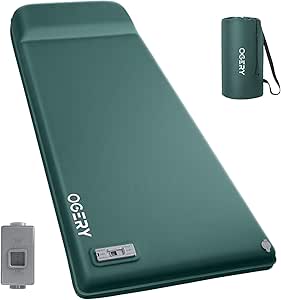


| self inflating camping mattresses for roof tent | Thickness | R-value | Material | Included components |
|---|---|---|---|---|
| Elegear Self-Inflating Sleepin | 3.15 inches | 9.5 | 50D stretch knit fabric | Carry bag, manual, rubber bands, sleeping pad |
| OGERY Self-Inflating Sleeping | 3 inches | — | Abrasion-resistant nylon fabric | — |
| Acacia 4-Inch Thick Self-Infla | — | 6 | — | — |
| Elegear Air & Foam Self-Inflat | 4 inches | 9.5 | 50D knitted fabric with TPU layer | Carry bag, electric pump, rubber bands, sleeping pad |
| ONETIGRIS CAMPING DYNISLAND AI | — | 3.5 | 30D stretch fabric with TPU coating and foam core | Three leaves, carry bag |
| Hikenture 4-Inch Thick Self-In | 4 inches | 9.5 | Foam and air | Carry bag, electric pump, repair patch |
| Acacia 4-Inch Thick Self-Infla | — | 6 | — | — |
| OGERY 3.15-Inch Memory Foam Sl | 3.15 inches | — | Memory foam | — |
| Lost Horizon Full Self-Inflati | 4.5 inches | — | Air and foam | Carry bag and pump |
| Self-Inflating Sleeping Pad wi | 4 inches | 9.5 | — | — |
| Self-Inflating Sleeping Pad wi | 4 inches | 9.5 | Foam with TPU coating | Electric pump and foam pad |
| Acacia 4-Inch Thick Self-Infla | — | 6 | — | — |
| OGERY 3.15" Memory Foam Sleepi | 3.15 inches | — | — | Electric pump, sponge pad, storage bag, straps, instruction manual |
More Details on Our Top Picks
Elegear Self-Inflating Sleeping Pad with Pillow, 26D Memory Foam, 3.15 inches Thick
The Elegear 3.15-inch pad is a strong fit for roof-tent campers who prioritize insulation over keeping their kit light. Its listed R-value of 9.5 gives it a colder-weather advantage over the ONETIGRIS DYNISLAND, whose R-value of 3.5 is aimed at three-season use. At 77 by 27 inches, it offers a generous single-sleeper surface, and the built-in pillow saves a separate piece of bedding. The 20-second inflation claim sounds convenient, but the supplied product details also warn that initial setup after vacuum packing may take up to 20 minutes. At 8.1 pounds, it is better suited to a vehicle-supported roof tent than a setup where every pound matters. I would skip it if pack weight or a double sleeping surface matters more than warmth.
Pros:- Listed R-value of 9.5 supports use in colder conditions
- 3.15-inch foam profile cushions against the tent floor
- Built-in pillow reduces the need to pack a separate pillow
- 50D stretch-knit fabric is specified for a durable, skin-friendly surface
Cons:- At 8.1 pounds, it is heavy for campers carrying gear any distance
- First inflation after vacuum packing may take up to 20 minutes
- Single 27-inch width does not provide a shared sleeping surface
Best for: Roof-tent campers who sleep in cold conditions and want a warm, single-width mattress with a built-in pillow.
Not ideal for: Weight-conscious campers or couples who need a double-width pad; its 8.1-pound weight and 27-inch width may not suit them.
- Dimensions:77 x 27 inches
- Thickness:3.15 inches
- Weight:8.1 lbs
- R-value:9.5
- Material:50D stretch knit fabric
- Foam:26D memory foam
- Maximum load:800 lbs
- Included components:Carry bag, manual, rubber bands, sleeping pad
Our verdict“Choose the Elegear if cold-weather insulation matters more than low weight or a wider roof-tent bed.”
OGERY Self-Inflating Sleeping Pad, 3-Inch Memory Foam Camping Mattress
The OGERY 3-inch pad suits roof-tent campers who want to control inflation themselves rather than depend on a separate pump. Its built-in foot pump is the distinguishing feature here: unlike the Elegear Air & Foam model, it does not list an electric pump, so setup avoids relying on a powered accessory. The hybrid foam-and-air construction is intended to combine cushioning with adjustable support, while the textured base helps limit sliding on a tent platform. Its 77-by-27-inch footprint is a familiar single-pad size, but the product data gives neither a weight nor a load limit, making packed-camp planning less certain than with the Elegear 3.15-inch pad. I would choose this over a thicker mattress when foot-pump operation appeals, but skip it if verified weight or cold-weather insulation is a priority.
Pros:- Built-in foot pump avoids relying on a separate electric pump
- Three-inch hybrid foam-and-air structure offers cushioning with adjustable inflation
- Textured non-slip base helps keep the pad in place on a tent platform
- Waterproof, abrasion-resistant nylon fabric is suited to outdoor use
Cons:- No weight is listed, so roof-tent packing plans are harder to verify
- No maximum load or specific R-value is provided
- At 27 inches wide, it is a single-sleeper pad rather than a shared mattress
Best for: Roof-tent sleepers who want a single-width foam-and-air pad with a built-in foot pump and non-slip base.
Not ideal for: Cold-weather campers or buyers who need a confirmed packed weight or load capacity before choosing their roof-tent kit.
- Dimensions:77 x 27 x 3 inches
- Thickness:3 inches
- Material:Abrasion-resistant nylon fabric
- Support type:Hybrid foam-and-air structure
- Insulation:Memory foam with insulating layer
- Inflation:Built-in foot pump
- Warranty:1 year
Our verdict“Pick the OGERY if a built-in foot pump and stable single-pad setup matter more than known weight or insulation figures.”
Acacia 4-Inch Thick Self-Inflating Sleeping Pad with Foam and Telescopic Structure
For two people sharing a roof tent, the Acacia’s 80-by-53-inch surface is its clearest advantage over the single-width Elegear 3.15-inch pad. Its 4.3-inch foam support gives couples more cushioning from a firm tent floor, while the listed R-value of 6 offers a middle ground: less insulation than the Elegear’s stated 9.5, but more clearly specified than the OGERY 3-inch pad. The wide shape is useful only if the roof tent has room for it, and its 9.5-pound weight makes it a vehicle-supported choice rather than a light carry. The telescopic structure is described as aiding packing, though the rolled dimensions remain substantial. I would favor this for shared sleeping space, not for a narrow tent or a weight-sensitive setup.
Pros:- Wide 53-inch sleeping surface accommodates two sleepers better than single-width alternatives
- 4.3-inch foam profile adds substantial cushioning from the tent floor
- Listed R-value of 6 provides a clear insulation reference
- Three-year warranty is longer than the one-year warranty listed for the OGERY pad
Cons:- At 9.5 pounds, it is the heaviest option in this five-product group
- Wide footprint may not fit narrower roof tents
- Electric pump is sold separately, and manual inflation may take longer
Best for: Couples with a roof tent wide enough for a 53-inch mattress who want thick foam cushioning and a stated R-value.
Not ideal for: Solo campers with narrow roof tents or buyers trying to minimize packed weight; it weighs 9.5 pounds and rolls to 25.6 inches long.
- Inflated size:80 x 53 x 4.3 inches
- Rolled size:9.8 x 9.8 x 25.6 inches
- Weight:9.5 lbs
- Maximum weight capacity:440 lbs
- R-value:6
- Materials:Polyester with TPU-coated top; TPU-coated Oxford fabric sides and bottom; high-resilience foam
- Warranty:3 years
Our verdict“Choose the Acacia for a roomy two-person roof tent and thick cushioning, provided its size and weight fit your setup.”
Elegear Air & Foam Self-Inflating Sleeping Pad with Electric Pump 4″ Full
The Elegear Air & Foam 4-inch pad is the setup-focused choice: its included one-touch electric pump can simplify inflation and deflation when access inside a roof tent is awkward. It also has a listed R-value of 9.5, matching the colder-weather specification of the Elegear 3.15-inch pad while adding nearly an inch of thickness. That extra cushioning may suit sleepers who feel the tent floor through thinner pads, but it also makes this a bulkier packed choice. The product is described as a double, yet the supplied specs do not give its dimensions or weight, so I would verify fit against the roof tent before buying. The pump’s endurance is limited to 20 minutes, and cold conditions may lengthen inflation, so it is convenient rather than maintenance-free.
Pros:- Included electric pump supports one-touch inflation and deflation
- Four-inch profile provides more cushioning than the Elegear 3.15-inch model
- Listed R-value of 9.5 is suited to colder-weather camping
- 50D knitted fabric with TPU layer is specified for outdoor durability
Cons:- Pump endurance is limited to 20 minutes and may need monitoring
- Bulkier packed profile may be inconvenient in a compact roof-tent kit
- Dimensions and weight are not provided in the supplied product data
Best for: Roof-tent campers who want a thick double pad and a powered, one-touch inflation and deflation routine.
Not ideal for: Buyers who need confirmed dimensions and weight before checking tent fit, or who want a pump with no stated endurance limit.
- Thickness:4 inches
- Set:Double
- Memory foam:26D hollowed
- R-value:9.5
- Material:50D knitted fabric with TPU layer
- Shape:Rectangular
- Included components:Carry bag, electric pump, rubber bands, sleeping pad
- Color:Army Green
Our verdict“Choose this Elegear if powered setup, a double format, and thick insulation outweigh the uncertainty around fit and packed size.”
ONETIGRIS CAMPING DYNISLAND AIR Self-Inflating Mattress for 2 Person
The ONETIGRIS DYNISLAND makes the most sense for two-person roof-tent trips where manageable weight and quick setup matter more than plush thickness. At 6.6 pounds, it is lighter than the Acacia double pad at 9.5 pounds, and its 79.13-by-51.97-inch size is designed for shared sleeping. It also lists a 60-second self-inflation time, a useful contrast with the Elegear 3.15-inch pad’s warning that its first setup may take much longer after vacuum packing. The tradeoff is a thinner 2.56-inch profile and an R-value of 3.5, so it is better matched to three-season trips than cold nights. Its anti-slip base and moisture-resistant fabric suit vehicle camping, but sleepers wanting deep cushioning should look to the thicker Acacia.
Pros:- At 6.6 pounds, it is lighter than the Acacia double pad
- 79.13-by-51.97-inch surface is sized for two people
- Listed 60-second self-inflation supports quick camp setup
- Anti-slip base and moisture-resistant TPU-coated fabric suit vehicle camping
Cons:- R-value of 3.5 is aimed at three-season use, not colder conditions
- 2.56-inch thickness offers less cushioning than either Elegear pad
- Still weighs 6.6 pounds, which is substantial for backpacking
Best for: Couples using a vehicle-supported roof tent in three-season conditions who want a lighter double mattress and quick setup.
Not ideal for: Cold-weather campers or people who need a thick, plush mattress; its 2.56-inch profile and R-value of 3.5 are limiting.
- Dimensions:79.13 x 51.97 x 2.56 inches
- Weight:6.6 lbs
- R-value:3.5
- Material:30D stretch fabric with TPU coating and foam core
- Inflation time:60 seconds
- Shape:Rectangular
- Included components:Three leaves, carry bag
- Base:Anti-slip
Our verdict“Pick the DYNISLAND for a lighter shared roof-tent mattress in mild-to-moderate weather, not for deep cushioning or cold nights.”
Hikenture 4-Inch Thick Self-Inflating Camping Mattress with Electric Pump
The Hikenture is the strongest fit here for two people who prioritize cold-weather insulation: its listed capacity is two, and its R-value of 9.5 is higher than the Acacia’s R-value of 6. That added insulation may matter on chilly nights in a roof tent, where cold air can make a thin sleep system feel less comfortable. The electric pump also cuts down on setup effort compared with the Acacia’s pump-sack approach, though it means you need a suitable power source. Its four-inch foam-and-air construction offers substantial cushioning, but the listing does not provide dimensions or packed size, so I can’t verify how well it fits a particular roof-tent footprint. Choose it for shared sleeping and warmth; skip it if you need a confirmed compact fit or want to avoid powered inflation.
Pros:- Two-person capacity suits shared roof-tent sleeping.
- R-value of 9.5 is higher than the Acacia pad’s listed R-value of 6.
- Electric pump reduces manual inflation effort.
- Four-inch foam-and-air construction offers a substantial cushion.
Cons:- Electric pump depends on an available power source.
- Product data does not list dimensions or packed size for checking roof-tent fit.
- The self-inflating mechanism may need careful maintenance.
Best for: Couples using a roof tent who want a two-person pad with strong stated insulation and powered inflation.
Not ideal for: Roof-tent owners with a tightly measured sleeping platform or no reliable way to power the electric pump.
- Thickness:4 inches
- R-value:9.5
- Capacity:2 person
- Material:Foam and air
- Shape:Rectangular
- Color:Grey
- Included components:Carry bag, electric pump, repair patch
Our verdict“Choose the Hikenture if you need a two-person roof-tent pad with strong stated insulation and can supply power for its pump.”
Acacia 4-Inch Thick Self-Inflating Sleeping Pad with Foam and Pump Sack
The Acacia makes sense for roof-tent campers who prefer manual inflation over relying on electricity. Its pump sack and dual valves provide an alternative to the Hikenture’s electric pump, which can be useful when the vehicle battery or other power supply is unavailable. At 80 by 53 inches, it has a wide sleeping surface, while its 4.3-inch thickness adds cushioning; measure your tent platform carefully, since that width may not fit every roof tent. The tradeoff is weight: at 9.5 pounds, it is better suited to vehicle-based travel than carrying any distance. Its R-value of 6 is lower than the Hikenture’s 9.5 and the Lost Horizon’s 13, so I’d favor those for more insulation, but Acacia is the more power-independent choice.
Pros:- Pump sack and dual valves avoid dependence on an electric pump.
- 80-by-53-inch sleeping surface offers generous width.
- 4.3-inch foam construction provides cushioning.
- Three-year warranty is specified.
Cons:- At 9.5 pounds, it is a heavy choice for frequent packing and carrying.
- R-value of 6 is lower than the Hikenture and Lost Horizon figures.
- Its 53-inch width may exceed some roof-tent sleeping platforms.
Best for: Car campers with a roof tent who want a wide, cushioned pad and would rather use a pump sack than depend on electricity.
Not ideal for: Owners of narrow roof-tent platforms, or campers prioritizing lower packed weight and higher stated insulation.
- Inflated size:80 × 53 × 4.3 inches
- Weight:9.5 lbs
- R-value:6
- Maximum weight capacity:440 lbs
- Rolled size:9.8 × 9.8 × 25.6 inches
- Inflation:Dual valves and pump sack
- Warranty:3 years
Our verdict“Pick the Acacia if a wide sleep surface and pump-sack inflation matter more to you than lower weight or the highest insulation rating.”
OGERY 3.15-Inch Memory Foam Sleeping Pad with Self-Inflating Electric Pump
For a roof-tent camper who wants fewer separate sleep accessories, the OGERY’s integrated pillow and electric pump make its setup distinctive. Its 3.15-inch memory-foam profile is thinner than the Hikenture’s four inches and the Lost Horizon’s 4.5, so it gives up some cushioning on uneven or firm tent floors in exchange for a less substantial mattress profile. The product is described as suitable for four-season use, but no R-value is provided; I would not rank its insulation against the Hikenture’s 9.5 or Lost Horizon’s 13 based on that claim alone. The built-in pump also calls for power, and the listing does not state the pad’s dimensions or packed size. It’s a convenience-led option, not the clearest pick for cold-weather performance or a precise tent fit.
Pros:- Integrated pillow reduces the need to pack a separate pillow.
- Built-in electric pump simplifies inflation and storage.
- Memory-foam construction provides cushioning.
- Listed for four-season use.
Cons:- At 3.15 inches, it is thinner than the Hikenture and Lost Horizon pads.
- No R-value is supplied for direct insulation comparison.
- Electric pump requires a power source, and dimensions are not listed.
Best for: Roof-tent campers who value an integrated pillow and powered setup, and do not need a published R-value to compare insulation.
Not ideal for: Cold-weather campers who want a stated R-value, or buyers needing confirmed dimensions and pack size before purchase.
- Thickness:3.15 inches
- Material:Memory foam
- Built-in features:Electric pump and pillow
- Seasonal use:Four-season
- Shape:T-Shape
- Color:Green
- Warranty:1 year
Our verdict“Choose the OGERY if an integrated pillow and electric pump outweigh a thinner profile and the lack of a published R-value.”
Lost Horizon Full Self-Inflating Foam Camping Mattress, 4.5 inches
The Lost Horizon is the insulation-first pick in this group: its R-value of 13 is higher than the Hikenture’s 9.5 and the Acacia’s 6, making it the clearest choice here when cold ground is a concern. At 4.5 inches thick, it also has the deepest listed profile, and adjustable softness lets sleepers tune firmness rather than accept one fixed feel. The tradeoff is portability. Its 12-pound foam filling and full-size format are a poor match for buyers who need to minimize gear bulk, especially if the mattress must be carried far from the vehicle. The listing gives no full dimensions, so confirm its footprint against your roof tent before buying. I’d put it ahead of the thinner OGERY for insulation-led comfort, but not for compact storage.
Pros:- R-value of 13 is the highest stated insulation figure in this group.
- 4.5-inch thickness is greater than the other reviewed pads.
- Adjustable softness lets sleepers alter firmness.
- Listed weight capacity is up to 440 pounds.
Cons:- The 12-pound foam filling adds substantial carrying and storage bulk.
- Full-size designation is not accompanied by exact dimensions in the supplied data.
- Less suitable for campers who need a compact or lightweight mattress.
Best for: Cold-weather roof-tent campers who want a thick, adjustable foam-and-air mattress and can accommodate a heavier full-size pad.
Not ideal for: Campers with limited roof-tent storage or a small sleeping platform, and anyone who needs a lightweight carry option.
- Thickness:4.5 inches
- Insulation R-value:13
- Foam filling:12 pounds
- Size:Full
- Weight capacity:440 lbs
- Material:Air and foam
- Included components:Carry bag and pump
Our verdict“Choose the Lost Horizon for the strongest stated insulation and adjustable cushioning if its full-size footprint and weight suit your roof tent.”
Self-Inflating Sleeping Pad with Electric Pump, 4″ Thick Memory Foam for Camping, 9.5 R-Value Insulated Mattress
This pad earns the compact solo role through its 80-by-30-inch dimensions and 16-by-11-inch folded size, giving roof-tent owners concrete measurements to compare with a narrow platform and storage space. Its four-inch thickness and R-value of 9.5 make it a more insulation-focused choice than the 3.15-inch OGERY, while the Lost Horizon offers a higher R-value of 13 at the cost of a heavier, bulkier setup. At 7.1 pounds, this is still not a lightweight backpacking mat, but the listed dimensions make it easier to plan around than products without size information. A rechargeable USB-C battery runs the built-in pump, though the stated charge supports up to seven inflations, so you’ll need to manage charging on longer trips.
Pros:- Listed 80-by-30-inch dimensions help check fit on a roof-tent platform.
- Folded size of 16 by 11 inches makes storage planning more specific.
- R-value of 9.5 and four-inch thickness offer substantial stated insulation and cushioning.
- Detachable rechargeable battery uses USB-C charging.
Cons:- At 7.1 pounds, it is heavy for backpacking or frequent carrying.
- Battery supports up to seven inflations per charge.
- Single-person width does not suit couples sharing one mattress.
Best for: Solo roof-tent campers who need a measured 30-inch-wide pad, a known folded size, and electric inflation without a separate power supply.
Not ideal for: Couples needing a shared pad, or campers who cannot recharge the pump battery and want the highest stated R-value.
- Thickness:4 inches
- R-value:9.5
- Inflated dimensions:80 × 30 × 4 inches
- Folded dimensions:16 × 11 inches
- Weight:7.1 pounds
- Support capacity:Up to 500 pounds
- Battery:Detachable 7.4V 1200mAh rechargeable battery; USB-C charging
Our verdict“Pick this model for a solo roof tent when its measured footprint and rechargeable pump suit your setup better than the bulkier Lost Horizon.”
Self-Inflating Sleeping Pad with Electric Pump, 4 Inch Ultra-Thick Foam Mattress for Camping
For roof-tent campers who prioritize insulation and quick setup, this pad pairs 4 inches of foam with a listed R-value of 9.5, the strongest cold-weather specification in this group. Its built-in rechargeable pump can inflate and deflate the pad without a separate pump sack, a practical advantage when packing up at camp. Compared with the Acacia 4-Inch Thick Self-Inflating Sleeping Pad with Foam and Pump Sack, this model offers a higher stated R-value and powered inflation, while the Acacia provides a much wider sleeping surface for two. The tradeoff is its 26-inch width, which may feel restrictive in a roof tent, especially for restless sleepers. Charging is another step to plan for, and the available details do not establish long-term durability under frequent use.
Pros:- Listed R-value of 9.5 supports use in colder conditions.
- Built-in rechargeable pump handles inflation and deflation.
- Four inches of foam provide cushioning between the sleeper and the tent floor.
- 600-pound stated weight capacity.
Cons:- At 26 inches wide, it offers less room than the double-width Acacia pad.
- The electric pump needs charging before use.
- Long-term durability under repeated heavy use is not established by the supplied details.
Best for: Solo roof-tent campers who take trips in cold conditions and value high stated insulation with pump-assisted setup.
Not ideal for: Couples or broad-shouldered sleepers who need more than 26 inches of width, or campers who want a pump-free setup.
- Dimensions:77 x 26 inches
- Thickness:4 inches
- R-value:9.5
- Weight capacity:600 lbs
- Material:Foam with TPU coating
- Pump:Rechargeable 1200mAh electric pump with Type-C charging
- Included components:Electric pump and foam pad
Our verdict“Choose this pad for solo roof-tent trips where insulation and powered setup matter more than extra sleeping width.”
Acacia 4-Inch Thick Self-Inflating Sleeping Pad with Foam and Pump Sack
The Acacia is the clearest fit here for two sleepers: its 80 x 53-inch surface gives couples substantially more room than the 26-inch-wide solo electric-pump pad. At 4.3 inches thick, it also offers the deepest listed foam support in this trio, while its R-value of 6 suits many trips where extreme cold insulation is not the main priority. Inflation uses dual valves and a pump sack rather than a built-in electric pump, so setup is less one-touch than the Self-Inflating Sleeping Pad with Electric Pump, but it avoids depending on a charged pump. Its 9.5-pound weight and long rolled package are reasonable for vehicle-based roof-tent travel, not a compact rooftop setup where every storage space is tight. The lower stated R-value makes it a less compelling choice for colder conditions.
Pros:- 53-inch width gives two sleepers more shared space than the solo pads.
- 4.3 inches of foam provide generous cushioning.
- Pump sack and dual valves allow inflation without an electric pump.
- Three-year warranty is specified.
Cons:- At 9.5 lbs and 25.6 inches rolled, it takes meaningful storage space.
- R-value 6 is lower than the electric-pump pad’s listed 9.5.
- Initial self-inflation may take longer, and setup still involves the pump sack.
Best for: Couples using a vehicle-based roof tent who want a broad shared sleep surface and substantial foam cushioning.
Not ideal for: Solo campers with a narrow tent footprint, or cold-weather campers who prioritize the highest listed insulation in this group.
- Inflated size:80 x 53 x 4.3 inches
- Rolled size:9.8 x 9.8 x 25.6 inches
- Weight:9.5 lbs
- R-value:6
- Maximum weight capacity:440 lbs
- Materials:Polyester top with TPU coating; Oxford fabric sides and bottom with TPU coating
- Inflation:Dual valves and pump sack
- Warranty:3 years
Our verdict“Pick the Acacia for a roomy two-person roof-tent sleep surface when pack size and maximum cold-weather insulation are secondary.”
OGERY 3.15″ Memory Foam Sleeping Pad with Self-Inflating Electric Pump
The OGERY targets campers who want a softer, more bed-like setup rather than the deepest foam or strongest published insulation. It combines memory foam, a built-in pillow, and an electric pump, trimming separate setup steps and giving the sleeper an integrated place to rest their head. Compared with the Self-Inflating Sleeping Pad with Electric Pump, 4 Inch Ultra-Thick Foam Mattress, it is thinner at 3.15 inches and has no supplied R-value, so that other pad makes a stronger case for cold-weather insulation. OGERY’s 79-inch length and 27.5-inch width offer a little more room than that pad’s listed dimensions, though neither is a couples mattress. The product data also lists a 6-inch dimension alongside its 3.15-inch thickness, so buyers should check the packed or product dimensions before planning a tight roof-tent fit.
Pros:- Built-in electric pump simplifies inflation and deflation.
- Memory-foam construction and integrated pillow favor a bed-like setup.
- 79 x 27.5-inch listed dimensions provide slightly more width than the 26-inch electric-pump alternative.
- 600-pound maximum weight capacity.
Cons:- At 3.15 inches, it is thinner than the two 4-inch-plus pads in this selection.
- No R-value is provided, making cold-weather comparisons difficult.
- The supplied dimensions include a 6-inch measurement alongside the stated 3.15-inch thickness, and no packed dimensions are given.
Best for: Solo roof-tent sleepers who value a built-in pillow, memory-foam feel, and electric inflation over a published high R-value.
Not ideal for: Cold-weather campers choosing by verified insulation figures, or minimalists who need a clearly documented packed size and weight.
- Thickness:3.15 inches
- Listed dimensions:79 x 27.5 x 6 inches
- Maximum weight capacity:600 lbs
- Foam:Memory foam
- Pump:Built-in electric pump
- Included components:Electric pump, sponge pad, storage bag, straps, instruction manual
- Model number:SP-E05
- Brand:OGERY
Our verdict“Choose the OGERY if a pillow and memory-foam comfort matter more than maximum thickness or clearly specified insulation.”

How We Picked
I ranked these mattresses for roof-tent use rather than general ground camping. My criteria were sleeping thickness and foam construction, inflation method, likely setup effort, usable size for one or two sleepers, and how practical each type is to store in a tent system. A feature only mattered when it changed a real choice: for example, an electric pump can simplify inflation but adds another item to charge or pack, while a thicker foam core can add cushioning and take up more space.
The order gives priority to a useful balance of comfort and roof-tent practicality, then separates specialist picks by their strongest fit. That puts the 4.5-inch Lost Horizon first for shoppers prioritizing cushioning, while pump-equipped 4-inch pads suit people who value setup convenience. Thinner options rank as alternatives for tighter storage or simpler kits, and the two-person design is aimed at a different floor-plan need. Duplicate Acacia and OGERY listings are treated as separate entries because the supplied list includes them separately; buyers should confirm model details rather than assume the listings differ.
Factors to Consider When Choosing Self Inflating Camping Mattresses For Roof Tents
Roof-tent mattress shopping has a different constraint from choosing a pad for an open campsite: the bed has to fit both the tent’s sleeping area and the space available when the tent is closed or packed. I’d settle fit and storage first, then choose a thickness and inflation method that suit the way you camp.
Measure the Tent Floor, Not Just the Mattress
Check the roof tent’s usable sleeping surface, including any tapered corners or hinge area, before choosing a mattress. A mattress that matches the advertised floor width on paper can still press against the walls or interfere with bedding if the interior narrows. For a two-person setup, compare the actual dimensions of both the mattress and tent rather than relying on a “double” label. Leave a little room for sheets and sleeping bags, which can make a close fit feel cramped. Also check whether the mattress can stay inside when the tent folds, since some setups leave little spare space. This measurement step can rule out a bulky model before its thickness becomes tempting.
Choose Thickness With Packed Space in Mind
More foam thickness can provide a more cushioned feel, especially for side sleepers or people who notice uneven support. It also tends to mean more material to store, so the thickest mattress is not automatically the best roof-tent choice. Ask whether the tent’s closing system can accommodate bedding left inside, and check the mattress’s packed dimensions if it must travel elsewhere. A thinner pad may be a better match for a compact tent or a tightly packed vehicle even if it gives up some plushness. Avoid choosing based on thickness alone: foam density, body weight, and sleep position also affect how supported a mattress feels. Match the added bulk to a comfort need you can name.
Pick an Inflation Method That Fits Your Routine
Self-inflating foam mattresses still often need time to expand and a final adjustment by mouth or pump, so the label does not always mean instant setup. Electric pumps can reduce manual effort, but they require a charged power source and space in the kit. A pump sack avoids reliance on batteries, though using one adds a step and may take practice. Consider where you will inflate: a powered option is convenient when you have a compatible charging plan, while a simpler method suits campers who prefer fewer accessories. Check whether the pump is built in or supplied separately, and what power it needs. This avoids arriving with a mattress that cannot be inflated the way you expected.
Think About Temperature and Your Sleep Setup
A mattress is only one part of staying warm overnight; a sleeping bag or quilt and the conditions at camp matter too. A stated R-value can help compare insulation, but confirm that the figure applies to the exact model and size you plan to buy. A thicker mattress does not automatically guarantee better insulation, just as a high insulation figure does not tell you whether the surface feels comfortable. Cold sleepers should look at the full sleep system and the lowest expected nighttime temperatures rather than relying on one specification. Also remember that a roof tent can feel exposed to wind and changing temperatures. If insulation claims are unclear, seek product documentation before treating the mattress as suitable for cold-weather trips.
Decide Whether One Mattress or Two Makes More Sense
A single wide mattress gives couples a continuous surface, but it can be harder to position and store in a roof tent with a narrow or divided floor. Two separate pads are easier to move around and can let each sleeper choose a different firmness or thickness. The tradeoff is a seam between them and the chance of a gap opening overnight. Before buying a two-person model, compare its stated width with the tent’s interior and consider each sleeper’s preferred space. For solo use, a wide mattress may waste storage room that could go to other kit. The right arrangement depends on floor shape and packing habits, not simply the number of sleepers.
Check Care, Durability, and Repair Options
Foam mattresses need a dry, ventilated storage routine so moisture from condensation does not stay trapped in the material. After a trip, open valves and air the mattress fully before putting it away for a longer period. A roof tent can collect condensation around bedding, so a removable or easy-to-clean surface can save work over repeated trips. Check valve construction, seams, and any repair guidance before relying on a mattress far from shops. Electric pumps add a component that may need charging or care, while simpler pump-sack designs have fewer powered parts. For frequent travel, the easiest mattress to dry, store, and maintain may serve better than one chosen only for maximum thickness.
Frequently Asked Questions
Can I leave a self-inflating mattress inside my roof tent when I close it?
Only if the tent maker’s instructions and the available closing clearance allow it. Mattress thickness, bedding, and the tent’s hinge or folding design all affect whether the shell will close safely. A thick foam mattress may need to be removed even if a thinner pad can stay inside. Test the fit at home without forcing the tent shut, and check that fabric, valves, and seams are not being pinched. If the instructions are unclear, store the mattress separately rather than risking damage to the tent or pad.
Is a 4-inch mattress always more comfortable than a 3-inch one?
No. Extra thickness can help sleepers who need more cushioning, but comfort also depends on foam feel, body weight, and sleeping position. A thicker mattress can be less practical if it crowds the tent or makes packing difficult. Someone who sleeps comfortably on a thinner foam pad may prefer the room it saves. If possible, compare the mattress’s construction and return terms, not just its listed thickness, before deciding.
Should I choose an electric pump for a roof-tent mattress?
An electric pump makes sense if reducing setup effort matters and you have a reliable way to charge or power it. It is less appealing if you want a minimal kit or camp where charging is inconvenient. Check whether the pump is built in, included, or sold separately, and confirm its power requirements. A pump sack can avoid battery dependence but takes manual effort and room in your gear. The best option is the one that fits your normal camping routine, not the one with the most elaborate inflation system.
How do I know whether a two-person mattress will fit my roof tent?
Compare the mattress’s full dimensions with the tent’s usable floor area, including any narrowing near the ends or sides. Check whether the tent can close with the mattress inside if that is part of your storage plan. A listed two-person capacity does not account for how much personal sleeping space each camper wants. If the fit is close, two individual pads may be easier to arrange, though they can leave a gap between sleepers. Measure the tent at home and allow room for bedding before choosing.
Does a mattress’s R-value tell me if it is warm enough for a roof tent?
It is a useful comparison point for insulation, but it does not determine the warmth of your entire sleep setup. Your sleeping bag or quilt, clothing, weather, and sensitivity to cold all matter. Verify that the stated R-value belongs to the exact mattress version you are buying, since similar product names can cover different models. For cold trips, consider how the mattress works with the rest of your sleep system rather than treating one specification as a guarantee. If product information is missing or inconsistent, ask the seller or manufacturer before relying on it.
Conclusion
For the broadest mix of cushioning and foam construction, my best overall pick is the Lost Horizon Full Self-Inflating Foam Camping Mattress, provided its size works with your roof tent. The best value in practical features is the Acacia 4-Inch pad with a pump sack for campers who want a thick surface without making an electric pump part of the setup. For a best premium-style choice, I’d look at the Elegear Air & Foam 4-Inch Full or the Hikenture 4-Inch model if powered inflation suits your routine; confirm power and dimensions before buying. The best option for beginners is a 3- to 3.15-inch self-inflating pad when easier storage matters more than maximum thickness. For couples, the ONETIGRIS DYNISLAND is the focused choice, while cold sleepers should check the exact R-value and build a complete sleep system. Whichever you choose, measure the tent and packed space first.
Fall Picks
fall essentials
As an affiliate, we earn on qualifying purchases.