When selecting a portable astronomy power station, the key considerations include battery capacity, weight, and output versatility. The Best Overall pick offers a balanced mix of power and portability, while some compact models excel for lightweight camping but lack extended runtime. Larger units provide more wattage for powering telescopes and accessories but tend to be heavier and pricier. The main tradeoffs involve balancing size, weight, cost, and power output. Continue reading for a detailed breakdown of the top options and what makes each suitable for different needs.

Get garage and car supplies delivered free — and shop member deals
- Fast, free delivery on millions of items
- Access to Prime Big Deal Days deals on October 6–7
- Prime Video, Amazon Music and more included
Complete the kit


Key Takeaways
- The best power stations balance high capacity with manageable weight for portable astronomy use.
- Models with pure sine wave output are preferable for sensitive equipment like telescopes and electronics.
- Units with multiple charging options (AC, USB, DC) provide greater flexibility in outdoor settings.
- Battery type impacts longevity and safety; LiFePO4 batteries tend to last longer and are safer under heavy use.
- Price varies significantly based on capacity and feature set, making it important to match the station to specific needs.


| portable astronomy power station | Weight | Battery Capacity | Capacity | Battery Type |
|---|---|---|---|---|
| Portable Power Station 300W | about 5 lbs | 280Wh | — | — |
| MARBERO 200W Portable Power St | 3.3 lbs | 148Wh | — | — |
| Portable Power Station 300W | — | — | 192Wh | LiFePO4 |
| GRECELL Portable Power Station | — | — | 230.88Wh | — |
| HOWEASY Portable Power Station | 2.3 lbs | 88Wh | — | — |
| Portable Power Station 300W MA | 4.6 lbs | 237Wh | — | Lithium Ion |
| MARBERO Portable Power Station | 3.2 lbs | 24,000mAh | 88Wh | — |
| MARBERO Portable Power Station | 5.7 lbs | — | 296Wh | Li-ion |
| DaranEner Portable Power Stati | 5.84 lbs | 192Wh | — | LiFePO4 |
| ALLWEI Portable Power Station | 6.4 lbs | — | 256Wh | LiFePO4 |
More Details on Our Top Picks
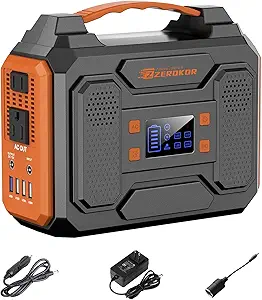
Portable Power Station 300W, 110V Solar Generator 280Wh (Without Solar Panel)
This compact power station offers a balanced combination of portability and functionality, making it ideal for outdoor enthusiasts who need reliable backup power. Its 300W output supports a wide range of small devices, similar to the GRECELL but with a more straightforward design and multiple charging methods. Compared to the MARBERO 148Wh model, it provides more wattage but at the expense of higher weight and size, which could be less convenient for ultralight hikers. It lacks a solar panel, so you’ll need to purchase one separately, and its 280Wh capacity limits its use for longer power needs. Still, it offers comprehensive protection features and multiple outlet options, making it suitable for emergency use and outdoor activities.
Pros:- Lightweight and easy to carry with a handle
- Multiple charging options including solar, car, and AC
- Built-in safety protections for safe operation
Cons:- Limited to 300W, not suitable for high-wattage devices
- Solar panel sold separately, adding extra cost
Best for: Outdoor adventurers and emergency preparedness users who want a reliable, all-around portable power station.
Not ideal for: Backpackers seeking ultralight gear or users needing to power high-wattage appliances like microwave ovens or hair dryers.
- Power Output:300W MAX
- Battery Capacity:280Wh
- AC Outlets:2
- DC Output:9V~12.6V/10A MAX
- USB Ports:3 standard USB, 1 QC USB
- Weight:about 5 lbs
Our verdict“This model makes the most sense for users who need a versatile, portable power station for casual outdoor and emergency use without demanding high wattage.”
MARBERO 200W Portable Power Station 148Wh Camping Solar Generator with AC, USB, DC Outlets
The MARBERO 148Wh offers a very portable solution for quick, short-term power needs, especially when weight is a primary concern. Supporting multiple devices with its diverse outlets, it surpasses the GRECELL in portability but falls short in capacity. For extended trips or powering high-wattage appliances, this unit may feel insufficient, much like the smaller MARBERO 88Wh model. Its 7-hour AC recharge time and multiple recharging options make it adaptable for various situations, though the absence of a solar panel means you’ll need to buy one separately for solar recharging. Its compact size makes it ideal for light camping, quick emergency use, or supplementing home power during outages.
Pros:- Very lightweight at just 3.3 lbs
- Supports multiple devices via diverse outlets
- Multiple recharging options including solar compatibility
Cons:- Limited capacity at 148Wh, not suitable for long-term power
- No included solar panel, additional purchase needed
Best for: Campers and emergency users who prioritize portability and quick power boosts over capacity.
Not ideal for: Users needing to power larger appliances or stay off-grid for extended periods.
- Battery Capacity:148Wh
- Weight:3.3 lbs
- Output Wattage:200W
- Number of Outlets:8
- Charging Time (AC):7 hours
- Recharging Methods:AC wall, car, solar (panel not included)
Our verdict“This pick suits lightweight campers or emergency users who need a compact, easy-to-carry power source for short-term device charging.”
Portable Power Station 300W, 600W Surge Solar Generator 192Wh
This unit balances fast recharging with a solid 192Wh capacity, making it suitable for users who need quick power in emergencies and outdoor outings. Its 1-hour recharge time from zero to 80% outperforms the MARBERO 148Wh, and it features long-lasting LiFePO4 batteries with over 4000 cycles, comparable to the GRECELL’s BMS system. While its 300W continuous output is similar to the Portable Power Station 300W, its UPS function sets it apart, providing seamless power during outages. The main tradeoff is its weight of 8.8 lbs, making it less ideal for ultralight hikers, and it requires a compatible solar panel for solar recharging, similar to other models like the GRECELL.
Pros:- Fast recharge time with multiple options
- LiFePO4 long cycle life over 4000 cycles
- Built-in UPS for uninterrupted power
Cons:- Relatively heavy for portability
- Solar panel sold separately, additional cost
Best for: Outdoor enthusiasts needing fast recharging, durability, and reliable backup power for critical devices.
Not ideal for: Those who prioritize ultralight gear or need to power high-wattage appliances regularly.
- Power Output:300W (600W surge)
- Capacity:192Wh
- Recharge Time:1 hour from 0% to 80%
- Battery Type:LiFePO4
- Charge Cycles:4000+
- Ports:2 AC, 1 USB-C (PD), 2 USB-A, 1 car outlet
Our verdict“This generator fits users who value rapid recharge, durability, and seamless power for critical electronics during outdoor or emergency scenarios.”
GRECELL Portable Power Station 330W, 230.88Wh Solar Generator
The GRECELL excels in capacity and safety features, supporting a wide range of small appliances and electronics with its 330W output and 230.88Wh capacity. Its USB-C PD port and fast USB-A charging make it suitable for modern devices, and the dual silent fans keep it cool during extended use. Compared to the MARBERO 148Wh, it offers significantly more power while maintaining a compact form, but it’s heavier and more expensive. Its built-in MPPT and battery management system enhance solar recharging efficiency, although you’ll need a compatible solar panel for optimal solar input. This makes it suitable for camping, travel, and outdoor work where dependable power and safety matter.
Pros:- High capacity with support for multiple devices
- Fast USB-C PD and USB-A charging
- Built-in safety and cooling features
Cons:- Relatively heavy for portable use
- Requires compatible solar panel for solar charging
Best for: Travelers and outdoor users needing a reliable, safe, and versatile power station with solar options.
Not ideal for: Individuals who need ultra-light gear or are powering high-wattage appliances regularly.
- Capacity:230.88Wh
- Power Output:330W (600W surge)
- USB-C PD:60W
- Charging Methods:AC, solar, car
- Battery Management System:Yes
- Cooling Fans:Dual silent
Our verdict“This model is ideal for users who need a capable, safe power source for a variety of devices during outdoor adventures or travel.”
HOWEASY Portable Power Station, 120W (240W Peak) Solar Generator
The HOWEASY 120W offers an ultra-light and compact power solution, weighing only 2.3 pounds, with enough capacity to power small devices during camping or emergencies. Its 88Wh capacity limits its usefulness for longer or higher-power tasks, similar to the MARBERO 88Wh but with more output ports, including multiple USB and DC options. Its 8 ports cover a broad range of small gadgets, and the multiple recharging options make it versatile for quick power replenishment. However, the absence of a solar panel means additional investment if solar recharging is desired. This unit is best suited for short trips or emergency kit inclusion for users who prioritize portability over capacity.
Pros:- Extremely lightweight and portable
- Multiple recharging options including solar
- Numerous output ports for various devices
Cons:- Limited to 120W, not suitable for high-power devices
- Solar panel sold separately, increasing total cost
Best for: Hikers, minimalists, and emergency kit owners needing a lightweight, small power source for low-wattage devices.
Not ideal for: Users needing to power larger devices or expecting to run high-power equipment frequently.
- Output Ports:8
- Battery Capacity:88Wh
- Weight:2.3 lbs
- Peak Power:240W
- Cycle Life:>1500 times
- Lighting Modes:3 (steady, flash, SOS)
Our verdict“This compact generator is best for ultralight users needing basic power for small devices during outdoor or emergency scenarios.”
Portable Power Station 300W MARBERO 237Wh Camping Solar Generator Backup Lithium Battery with Pure Sine Wave 110V AC Outlet, USB C, USB A, DC for Outdoors Camping, Emergency, Home Blackout
This model stands out for its balanced combination of portability and functionality, offering 237Wh capacity with multiple output options including AC, USB, and DC ports. Compared to the larger MARBERO 350W, it is more lightweight and easier to carry, making it ideal for camping and emergency scenarios where weight matters. However, it doesn’t include a solar panel, which means additional purchase for solar recharging, and its 300W limit may restrict powering high-wattage devices for extended periods. Its built-in LED lanterns add convenience in dark environments. Overall, this pick makes the most sense for outdoor enthusiasts who need a reliable backup that’s easy to carry but are willing to buy accessories separately.
Pros:- Lightweight and portable at just 4.6 lbs, easy to transport
- Multiple charging options including solar, wall, and car power
- Built-in LED flashlight with adjustable brightness and modes
Cons:- Solar panel not included, requiring additional purchase
- Limited to 300W output, not suitable for high-power devices
- Battery capacity may limit longer power needs
Best for: Campers and outdoor adventurers seeking a portable, multi-purpose power source
Not ideal for: Users needing to power high-wattage appliances or extended off-grid setups without additional gear
- Battery Capacity:237Wh
- Battery Type:Lithium Ion
- Weight:4.6 lbs
- Dimensions:8.15 x 3.9 x 5.83 inches
- Output Wattage:300W
- Number of Outlets:8
Our verdict“Ideal for outdoor enthusiasts who prioritize portability and versatility in a backup power station.”
MARBERO Portable Power Station 88Wh, 120W Surge, Solar Generator 24,000mAh
This 88Wh, 120W surge power device is perfect for light-duty tasks, such as charging phones or small gadgets during short trips. Compared with larger options like the MARBERO 350W, it sacrifices capacity for a much smaller size—just 3.2 lbs—making it easier to pack. Its multiple output ports, including USB-C PD and USB-A, support a variety of devices, but it cannot power high-wattage appliances or run for extended periods without frequent recharging. The absence of a built-in wireless charger and a solar panel included means users will need to buy accessories separately. This model suits users looking for a portable backup that fits in a bag and can handle quick charging needs during outdoor outings or emergencies.
Pros:- Extremely lightweight and compact at 3.2 lbs
- Multiple output ports, including USB-C PD for fast charging
- Fast 2-hour recharge from zero to 80%
Cons:- Limited battery capacity for high-power or long-term use
- No built-in wireless charging
- Requires separate solar panel for solar input
Best for: Hikers, travelers, and emergency kit owners needing a compact power boost
Not ideal for: Those requiring to power larger devices or run appliances for hours on end
- Capacity:88Wh
- Surge Power:120W
- Battery Capacity:24,000mAh
- Weight:3.2 lbs
- Dimensions:6.5 x 4.6 x 3.1 inches
- Charging Time:2 hours from 0 to 80%
Our verdict“Best suited for quick, lightweight charging needs on the go, especially for travelers and emergency kits.”
MARBERO Portable Power Station 350W Peak Camping Solar Generator 296Wh with AC Outlet and LED Flashlights
This 296Wh model offers a robust capacity, supporting laptops, phones, and small appliances thanks to its 300W continuous power. Compared to the 300W MARBERO 237Wh, this unit has more capacity, making it suitable for longer trips or slightly higher power demands. Its multiple outputs—including AC, USB, and DC—cover most device types, and its three recharging options, including solar, increase versatility. The built-in LED flashlight and safety protections make it a reliable companion off-grid. However, the power output is still limited to 100W for most appliances, and the solar panel must be purchased separately. It’s a solid choice for campers wanting more power without significantly increasing size or weight.
Pros:- High capacity of 296Wh for longer use
- Supports multiple recharging methods including solar
- Built-in LED flashlight with SOS mode
Cons:- Power limited to appliances under 100W
- Solar panel sold separately
- Charging time can be lengthy depending on source
Best for: Campers and off-grid users needing higher capacity and versatile recharging options
Not ideal for: Power users needing to run high-wattage appliances or expecting continuous high loads
- Capacity:296Wh
- AC Output:110V, 300W continuous, 350W peak
- USB Ports:2 USB, 1 QC3.0 USB, 1 USB-C
- Battery Type:Li-ion
- Recharging Time:7-8 hours via AC
- Weight:5.7 lbs
Our verdict“Ideal for campers who want a higher-capacity portable power station for small appliances and longer outings.”
DaranEner Portable Power Station 300W (600W Surge), 192Wh LiFePO4 Battery Backup, Solar Generator with 110V AC Outlet, 8-Port Fast Charging
This 192Wh LiFePO4-powered station emphasizes longevity, offering over 3,500 charge cycles and a 300W continuous output, making it suitable for long-term emergency use or frequent outdoor trips. Its lightweight design at 5.84 lbs and multiple ports—including AC, USB, and car socket—make it versatile. Compared with the 256Wh ALLWEI, it provides less capacity but benefits from the durability and safety of LiFePO4 technology, which is less prone to degradation. The main tradeoff is its smaller battery capacity, which limits runtime for high-power devices, and solar charging requires additional accessories. It’s best for users who value durability and a long lifespan over raw capacity.
Pros:- Long-lasting LiFePO4 chemistry with over 3,500 charge cycles
- Lightweight and portable at under 6 lbs
- Multiple charging options including solar compatibility
Cons:- Limited to 192Wh capacity, less runtime for high-wattage devices
- Requires additional accessories for solar input
- Lower capacity compared to larger units
Best for: Preppers and outdoor users needing a durable, long-cycle battery backup
Not ideal for: Anyone needing extended power for high-wattage appliances or long durations without recharging
- Power Output:300W (600W Surge)
- Battery Capacity:192Wh
- Battery Type:LiFePO4
- Charging Ports:2× 110V AC, 1× USB-C 18W, 1× USB-A 18W, 2× DC5521, 1× 12V car socket
- Charging Time:2.2 hrs (AC), 3.3 hrs (solar)
- Weight:5.84 lbs
Our verdict“Best for users prioritizing durability and long-term battery health in emergency scenarios.”
ALLWEI Portable Power Station 300W, 256Wh Solar Generator with LiFePO4 Battery
This 256Wh, 300W continuous power station offers a well-rounded package for versatile outdoor and emergency use. Compared to the MARBERO 350W, it provides a slightly lower surge power but compensates with a longer cycle life—up to 3000 cycles—thanks to its LiFePO4 chemistry. Its array of output ports, including USB-C PD and multiple DC options, supports a wide variety of devices simultaneously. The ability to recharge via solar or AC makes it flexible, but solar panels are sold separately. It isn’t suitable for powering high-wattage appliances or long-term continuous use of heavy loads, but it excels for users who need a reliable, durable power source for multiple small devices over an extended period.
Pros:- LiFePO4 battery with 3000 cycle lifespan
- Supports multiple recharging methods including solar
- Supports up to six devices simultaneously
Cons:- Solar panel sold separately
- Limited to 300W continuous power
- Charging time varies depending on source
Best for: Outdoor enthusiasts and preppers needing durable, long-term backup power
Not ideal for: High-wattage appliance users or those needing quick full recharges for large devices
- Capacity:256Wh
- Continuous Power:300W
- Peak Surge Power:600W
- Battery Type:LiFePO4
- Charge Cycles:3000
- Weight:6.4 lbs
Our verdict“Best for users seeking a durable, multi-device support station with long battery lifespan.”

How We Picked
I evaluated these products based on several critical factors that matter for astronomy use: power output, battery capacity, portability, and versatility. Units needed to provide enough wattage to run telescopes, lights, and other accessories, while remaining lightweight enough to carry easily. Durability and build quality were also essential, especially for outdoor environments. I prioritized models with reliable battery chemistry, multiple charging options, and user-friendly interfaces. The ranking reflects a combination of performance, value, and suitability for different types of stargazing setups and outdoor adventures.| portable astronomy power station | Battery Type |
|---|---|
| Portable Power Station 300W | — |
| MARBERO 200W Portable Power St | — |
| Portable Power Station 300W | LiFePO4 |
| GRECELL Portable Power Station | — |
| HOWEASY Portable Power Station | — |
| Portable Power Station 300W MA | Lithium Ion |
| MARBERO Portable Power Station | — |
| MARBERO Portable Power Station | Li-ion |
| DaranEner Portable Power Stati | LiFePO4 |
| ALLWEI Portable Power Station | LiFePO4 |
Factors to Consider When Choosing Portable Astronomy Power Stations
Choosing the right portable power station for astronomy involves more than just capacity. It’s important to consider how you’ll use the device, the environment, and your budget. A well-selected station can power your telescope all night, charge your devices, and survive rough conditions. Conversely, overspending on features you won’t use or selecting a unit with insufficient capacity can lead to frustration. Here are key factors to keep in mind before making a purchase.Power Output and Capacity
For astronomy, ensuring your power station can handle your equipment’s wattage is critical. Look for a unit with at least 200W continuous output if you plan to run a telescope, with higher capacity (measured in Wh) providing longer runtime. If you have multiple accessories, consider stations with higher surge capacity and multiple outlets. Remember, a larger capacity typically means more weight and cost, so balance your needs accordingly.
Portability and Weight
Portability is a major factor, especially if you frequently move your setup. Lightweight units under 10 pounds are easier to carry but may sacrifice capacity, while heavier models offer more power at the expense of bulk. Think about how you’ll transport your station—should it fit into a backpack or require a small cart? Durability and handle design also influence overall ease of use in outdoor environments.
Output Versatility
Multiple charging options—AC outlets, USB ports, and DC connectors—expand your setup flexibility. For instance, USB-C ports are useful for charging modern devices, while AC outlets are essential for running larger equipment like telescope mounts. Some models include car adapters or solar input ports, which can be game-changers for extended outdoor use. Assess your equipment’s power needs to choose a station that provides the right mix of ports.
Battery Chemistry and Safety
Battery type influences longevity, safety, and charge cycles. Lithium Iron Phosphate (LiFePO4) batteries tend to last longer and are more stable, making them a good investment for frequent or long-term use. Avoid units with lower-quality batteries that degrade quickly or pose safety risks. Consider whether the station offers features like overcharge protection and thermal management, especially for outdoor adventures where conditions vary.
Price and Value
While high-capacity stations can be tempting, they often come with a hefty price tag. Balance your budget with your actual power needs to avoid overspending on features you won’t use. Sometimes, a slightly lower capacity unit with better build quality or additional ports can offer better overall value. Keep in mind that investing in a reliable, durable model can save money and hassle over time by reducing the need for replacements or repairs.
Frequently Asked Questions
Can I run my telescope all night with a portable power station?
Yes, provided the power station has sufficient capacity and continuous wattage output. Most telescopes and accessories require between 50-150W, so choosing a unit with at least 200Wh capacity and 200W continuous power ensures you can run equipment overnight. Always check your specific power requirements and compare them to the station’s specs to avoid incomplete runs or shutdowns.
Is a solar-compatible power station better for astronomy outings?
Solar compatibility adds flexibility, especially for extended outdoor sessions. Solar input allows recharging during the day, extending your total operation time without needing external power sources. However, the efficiency of solar panels and the station’s input wattage matter—some units have limited solar input, which can slow recharging. For regular use, a solar-compatible station can be a worthwhile investment if you’re prepared with the right panels.
How important is pure sine wave output for astronomy equipment?
Pure sine wave output is highly recommended because it provides cleaner electricity that’s safer for sensitive electronics like telescopes, cameras, and audio devices. Modified sine wave in cheaper stations can cause noise, interference, or even damage. If you plan to power delicate equipment, prioritizing units with pure sine wave inverters helps protect your gear and ensures stable operation.
What should I consider regarding battery lifespan for frequent use?
Battery lifespan is crucial if you frequently rely on your power station. LiFePO4 batteries typically offer more charge cycles (around 2000+) compared to lithium-ion variants (about 500-1000). This translates into longer overall service life and less frequent replacements. Additionally, look for stations with smart battery management systems to prevent overcharging and overheating, which further prolongs battery health.
Are more expensive models worth the extra cost?
Higher-priced stations often deliver better build quality, longer-lasting batteries, and more output options. If you regularly power multiple or sensitive devices, investing in a premium model can reduce frustration and equipment risk. However, for occasional use or simple setups, a mid-range station with adequate capacity and features may offer the best value. Consider your specific use case carefully before paying a premium.
Conclusion
For those seeking the best overall balance of power, portability, and reliability, the top-rated model offers versatility for most outdoor astronomy needs. Budget-conscious stargazers will appreciate options that provide enough capacity without breaking the bank, while advanced users should consider premium units with longer lifespans and more features. Beginners or casual observers might prefer compact, easy-to-use stations that simplify setup. Ultimately, matching your equipment requirements and outdoor plans will guide you to the right choice.
Halloween Picks
halloween
As an affiliate, we earn on qualifying purchases.