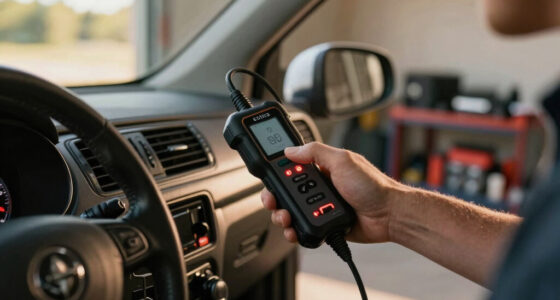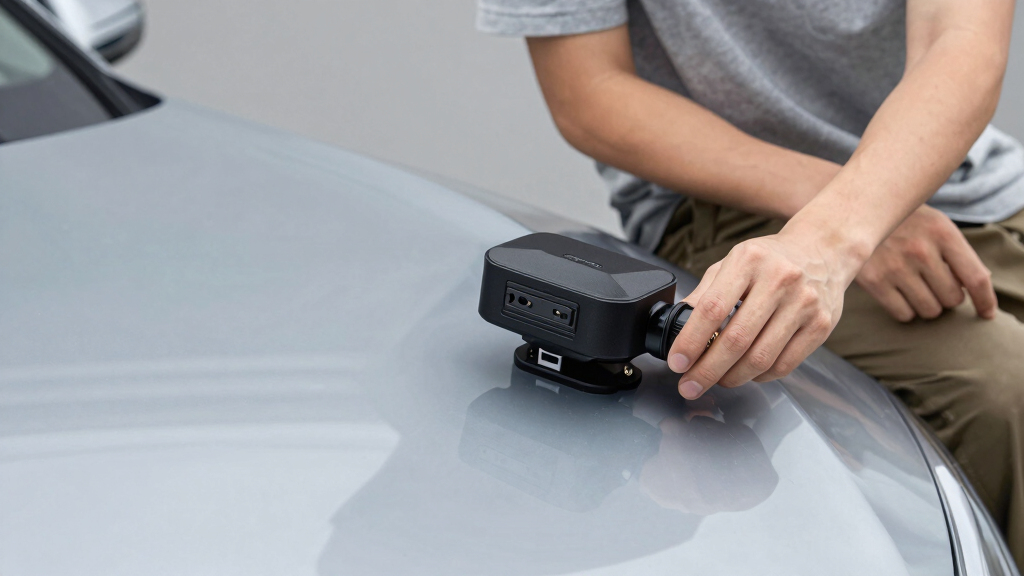
Choosing the best aftermarket blind spot monitoring systems can significantly enhance driving safety by alerting you to unseen vehicles. The EasyGuard EBS001 stands out as the overall top pick thanks to its reliable detection and easy installation. For those seeking a more advanced option, systems with radar technology like the Blind Spot Detection Monitoring System Kit offer superior range and accuracy, especially for trucks and larger vehicles. However, tradeoffs include higher costs and more complex setups. Continue reading for a detailed comparison that helps you find the right fit for your vehicle and driving style.
Key Takeaways
- Radar-based systems generally provide more accurate detection across a wider range of speeds and conditions.
- Ease of installation varies widely; some kits are plug-and-play, while others require professional setup.
- Camera-based systems add visual confirmation but often come with higher costs and potential integration issues.
- Value often correlates with detection range and alert type, so more expensive doesn’t always mean better for every user.
- Many systems include additional features like night vision or recording, which may be valuable for certain drivers but add complexity.
| EASYGUARD EBS001 Car Blind Spot Monitor System with Area Detection |  | Best Overall for Versatile Detection | Product Type: Alarm | Power Source: Corded Electric | Compatible Devices: DC12V vehicles | VIEW LATEST PRICE | See Our Full Breakdown |
| Blind Spot Detection Monitoring System Kit, 12V Sensor for All Vehicles |  | Best Value for All-Weather Versatility | Power: 12V | Weather Resistance: IP67 | Detection Technology: Transmitting and multiple receiving sensors | VIEW LATEST PRICE | See Our Full Breakdown |
| Car Blind Spot Monitoring System 12V |  | Best for Ultrasonic Detection in Common Vehicles | Voltage: 12V | Sensor Frequency: 58 kHz | Detection Range: 0-5 meters | VIEW LATEST PRICE | See Our Full Breakdown |
| Blind Spot Monitoring System with 77 GHz Radar for Cars and Trucks |  | Best for Heavy Vehicles and Long-Range Detection | Sensor Frequency: 77 GHz | Voltage: 12V | Detection Range: Up to 164 ft | VIEW LATEST PRICE | See Our Full Breakdown |
| Car Blind Spot Camera and Display System with Night Vision |  | Best for Visual Wide-Angle Coverage and Night Use | Camera View Angle: 120° | Display Size: 6.25 inches | Night Vision: Yes | VIEW LATEST PRICE | See Our Full Breakdown |
| 6.25-inch Car Side View Blind Spot Camera System with Recording and Warning |  | Best Overall for Modern, All-in-One Safety | Display Size: 6.25 inches | Display Type: Touch Screen | Channels: Dual | VIEW LATEST PRICE | See Our Full Breakdown |
| Blind Detection Intelligent BSD Blind Spots Detection System with 79GHz Radar |  | Best for High-Precision, All-Weather Detection | Frequency: 79GHz | Detection Range: up to 50 meters | Sensor Setup: Double sensors | VIEW LATEST PRICE | See Our Full Breakdown |
| Universal Blind Spot Monitoring Assistant for 12V Vehicles |  | Best for Versatile, Vehicle-Wide Coverage | Power Voltage: 12V | Detection Range: 0.3-10 meters (1-32.8 feet) | Sensor Frequency: 24GHz | VIEW LATEST PRICE | See Our Full Breakdown |
| Blind Spot Lane Change Assist System for Vehicles |  | Best for Simple, Cost-Effective Lane Change Safety | Detection Distance: 0-120cm / 0-47.24in | Detection Accuracy: ±5cm | Operating Voltage: 10.6V‑16V | VIEW LATEST PRICE | See Our Full Breakdown |
More Details on Our Top Picks
EASYGUARD EBS001 Car Blind Spot Monitor System with Area Detection
This system stands out for its robust radar-based detection up to 12 meters, providing reliable alerts that enhance safety during lane changes. Compared to the camera-based system below, the EASYGUARD’s radar sensors excel in detecting moving objects regardless of weather or lighting conditions, making it highly dependable. However, it requires professional installation and is limited to vehicles with plastic bumpers, which could be a drawback for DIY enthusiasts or those with metal bumpers. Its visual and audible alerts are clear, and the detection range is substantial, making it suitable for drivers seeking a comprehensive blind spot solution. Nonetheless, interference from metal bumpers may sometimes affect performance, and installation complexity could be a hurdle for some.
Pros:- Provides detection up to 12 meters for wide coverage
- Radar sensors offer stable performance in various conditions
- Visual and audible alerts improve driver awareness
Cons:- Requires professional installation, adding cost and complexity
- Limited compatibility to plastic bumpers, not metal
- Possible interference from metal bumpers affecting accuracy
Best for: Drivers needing a reliable, radar-based blind spot alert system with wide detection range and professional installation willingness
Not ideal for: DIY installers or owners of vehicles with metal bumpers who prefer easy, self-setup systems
- Product Type:Alarm
- Power Source:Corded Electric
- Compatible Devices:DC12V vehicles
- Voltage:12 Volts
- Control Method:Touch
- Mounting Type:Plastic Bumper Mount
- Maximum Range:12 Meters
Bottom line: This pick suits those who prioritize range and radar reliability over easy installation or universal compatibility.
Blind Spot Detection Monitoring System Kit, 12V Sensor for All Vehicles
This system offers comprehensive blind spot detection with easy, discreet installation, making it ideal for drivers seeking a straightforward upgrade. Unlike the ultrasonic-based system below, this kit uses transmitting and multiple receiving sensors to provide more reliable alerts in varying weather conditions, thanks to its IP67 rating. It covers lane change warnings and rear traffic alerts, making it versatile for urban and highway driving. The main tradeoff is that some users might find the setup somewhat technical, especially aligning sensors correctly. Also, false alerts can occur in heavy rain or snow, which might lessen confidence in the system’s reliability. Still, its weatherproof design and multi-functionality make it a practical choice for most drivers.
Pros:- Discreet, easy-to-mount sensors blend with vehicle exterior
- All-weather durability with IP67 rating ensures reliability in rain, snow, and mud
- Multiple safety functions including lane change and rear traffic alerts
Cons:- Installation can be technically involved for some users
- False alerts may increase in heavy weather conditions
- Limited to 12V vehicle systems, not compatible with all vehicle types
Best for: Drivers wanting a durable, all-weather blind spot system with multiple alert functions and straightforward installation
Not ideal for: Less tech-savvy users or those expecting plug-and-play simplicity without calibration
- Power:12V
- Weather Resistance:IP67
- Detection Technology:Transmitting and multiple receiving sensors
- Functions:Blind spot detection, lane change warning, rear traffic alerts, door opening reminders
Bottom line: Ideal for drivers seeking a weatherproof, multi-functional blind spot system that balances cost and coverage.
Car Blind Spot Monitoring System 12V
This system uses ultrasonic sensors to detect nearby moving objects, providing visual and audible alerts that help mitigate blind spot risks. Compared to the radar-based EASYGUARD above, ultrasonic sensors are generally easier and cheaper to install but are limited by shorter detection ranges of up to 5 meters. It’s suitable for drivers who want basic blind spot alerts without complex setup, especially for smaller vehicles like cars, SUVs, and MPVs. The main limitation is that the detection range is quite limited, and precise placement of sensors is necessary for optimal performance. It’s less effective in large or busy traffic situations but works well in urban environments at close distances.
Pros:- Simple ultrasonic sensors are easy to install and calibrate
- Effective in day, night, and snowy conditions
- Suitable for various 12V vehicle types
Cons:- Limited detection range of only 0-5 meters
- Requires precise placement for reliable alerts
- Less effective at higher speeds or in large traffic
Best for: Owners of smaller vehicles seeking straightforward blind spot assistance with simple ultrasonic sensors
Not ideal for: Drivers needing long-range detection or in high-speed highway conditions where 5 meters is insufficient
- Voltage:12V
- Sensor Frequency:58 kHz
- Detection Range:0-5 meters
- Application:Cars, SUVs, MPVs
Bottom line: This ultrasonic-based system fits those with smaller vehicles who prioritize affordability and quick setup over long-range detection.
Blind Spot Monitoring System with 77 GHz Radar for Cars and Trucks
This high-end system leverages 77 GHz radar sensors to monitor traffic up to 164 feet away, making it a powerful option for trucks and larger vehicles. It surpasses the other products in detection range and accuracy, especially in challenging weather conditions like fog, rain, and snow. Multiple safety features such as lane change assistance, rear cross traffic alerts, and overtaking warnings provide comprehensive coverage. The tradeoff lies in the installation complexity, which may require professional help, and potential false alarms from fixed objects, common with radar systems. It’s optimized for 12V vehicles, but its sophisticated tech makes it less suitable for casual DIY installation.
Pros:- Detects moving objects up to 164 feet away for early warning
- Effective in adverse weather conditions where optical systems struggle
- Includes multiple safety alerts for lane change, cross traffic, and overtaking
Cons:- Installation may require technical expertise and calibration
- Potential for false alarms with fixed objects or environmental interference
- Limited to 12V systems, less adaptable for other vehicle types
Best for: Commercial drivers and owners of large vehicles needing long-range, multi-sensor traffic monitoring
Not ideal for: Casual or DIY users with smaller vehicles or those seeking plug-and-play simplicity
- Sensor Frequency:77 GHz
- Voltage:12V
- Detection Range:Up to 164 ft
- Alarm Area:11.5 x 32.8 ft (front/back)
- Reverse Monitoring Area:3.5 x 2 m
Bottom line: Best for fleet operators and drivers of large vehicles who need extensive, reliable coverage in all weather conditions.
Car Blind Spot Camera and Display System with Night Vision
This system provides a high-definition camera with night vision and a sizable 6.25-inch display, offering a visual alternative to sensor-based alerts. Its 120° side view covers a broader blind spot area compared to ultrasonic sensors, making it ideal for drivers who prefer visual confirmation. Easy to install with double-sided tape, it avoids drilling, which appeals to those cautious about vehicle modifications. The main compromise is that it only monitors side blind spots, not rear or long-range detection, limiting its scope compared to radar or ultrasonic systems. Proper placement is crucial to get the full benefit of the wide view, but once installed, it offers clear visibility in all lighting conditions.
Pros:- Wide 120° side view for broad blind spot coverage
- High-definition camera with night vision ensures clear visibility
- Easy installation with no drilling, using double-sided tape
Cons:- Placement of the camera affects coverage effectiveness
- Limited to side blind spot monitoring only
- No sensor alerts, relying solely on visual feed
Best for: Drivers seeking a visual, easy-to-install blind spot system with good night and weather performance
Not ideal for: Those needing long-range detection or comprehensive surround monitoring beyond side views
- Camera View Angle:120°
- Display Size:6.25 inches
- Night Vision:Yes
- Waterproof Rating:IP68
- Installation:No drilling, double-sided tape
- Camera Rotation:Horizontal adjustable
Bottom line: This visual system works best for drivers wanting simple, broad-side coverage with night visibility and easy setup.
6.25-inch Car Side View Blind Spot Camera System with Recording and Warning
This system stands out for its high-definition 6.25-inch touch screen that makes monitoring straightforward, especially compared with the smaller displays of some alternatives like the Blind Spot Lane Change Assist System. Its dual channels provide comprehensive side and rear views, complemented by effective warning alerts that improve overall safety. The sleek aluminum body and magnetic mounting make installation and aesthetic integration simple, though some users might find the system settings a bit complex if they are not tech-savvy. Compared with basic systems, this offers more detailed visuals and recording features, but the added sophistication can be overwhelming for those seeking a straightforward upgrade. It’s ideal for drivers who want an all-in-one, modern system with recording capabilities but may be less suitable for users preferring minimal setups or those with limited technical comfort.
Pros:- High-definition touch screen for clear visuals and easy operation
- Effective driving and pedestrian warning alerts enhance safety
- Sleek lightweight aluminum design simplifies installation
Cons:- Limited detailed specifications may leave some user questions unanswered
- Potential complexity in system settings could challenge less experienced users
Best for: Tech-savvy drivers seeking a high-definition, feature-rich monitoring system with recording capabilities
Not ideal for: Drivers preferring simple, plug-and-play solutions or those with minimal space for installation
- Display Size:6.25 inches
- Display Type:Touch Screen
- Channels:Dual
- Material:Aluminum Alloy
- Features:Driving warnings, pedestrian alerts, parking monitoring, recording
Bottom line: This system suits drivers who prioritize comprehensive visuals and recording features in a modern, sleek package.
Blind Detection Intelligent BSD Blind Spots Detection System with 79GHz Radar
This advanced radar-based system offers exceptional detection range up to 50 meters, outperforming the shorter-range Universal Blind Spot Monitoring Assistant, especially in complex traffic or adverse weather. Its 79GHz radar and dual sensors deliver reliable alerts during lane changes and lane crossings, making it ideal for drivers who need consistent, real-time information. The inclusion of weather resistance and seamless vehicle integration means it’s suitable for a variety of driving conditions, although professional installation may be necessary to optimize performance. Compared with simpler sensor systems, this provides higher accuracy and fewer false alarms, but at a higher cost. It makes the most sense for safety-conscious drivers who want a highly reliable, weather-resistant system willing to invest in advanced technology.
Pros:- Accurate detection up to 50 meters for early warning
- Reliable performance in rain, fog, and adverse weather conditions
- Seamless vehicle integration with minimal false alarms
Cons:- May require professional installation for optimal setup
- Higher price point compared to basic systems
- Potential false alarms in dense traffic scenarios
Best for: Experienced drivers or fleet operators seeking a highly accurate, weatherproof blind spot system
Not ideal for: Casual drivers or those on a tight budget, as the higher cost and professional installation may be prohibitive
- Frequency:79GHz
- Detection Range:up to 50 meters
- Sensor Setup:Double sensors
- Weather Resistance:All weather conditions
Bottom line: This radar-based system is best for drivers needing precise, all-weather blind spot detection with minimal false alerts.
Universal Blind Spot Monitoring Assistant for 12V Vehicles
This system, suitable for a wide range of 12V vehicles including sedans, SUVs, and trucks, offers a detection range up to 32.8 feet, making it more accessible than the longer-range Blind Detection system but less extensive than radar-based options. Its 24GHz millimeter wave sensors effectively alert drivers to approaching vehicles during lane changes, with visual and audible signals that improve awareness. Installation requires professional help, which may deter DIY enthusiasts, especially compared to simpler, plug-and-play units. Compared with the B0D96JQX1Q system, it provides a broader detection range but might be less precise in tight or complex scenarios. This pick makes sense for drivers who need reliable, vehicle-wide coverage without the need for radar technology but are okay with professional installation.
Pros:- Enhances safety by detecting approaching vehicles from side or rear
- Suitable for various vehicle types, including trucks and SUVs
- Visual and audible alerts improve driver awareness
Cons:- Requires professional installation, adding to overall cost
- Limited effectiveness in penetrating metal or in very tight spaces
- Installation can be complex for less experienced users
Best for: Vehicle owners seeking a versatile, reliable blind spot system compatible with many models and requiring professional installation
Not ideal for: DIY enthusiasts or drivers seeking a quick, easy solution without installation complexity
- Power Voltage:12V
- Detection Range:0.3-10 meters (1-32.8 feet)
- Sensor Frequency:24GHz
- Installation:Professional required
- Includes:Installation manual, radar angle alignment tool
Bottom line: This system fits drivers who need adaptable, vehicle-wide blind spot detection with professional setup.
Blind Spot Lane Change Assist System for Vehicles
This sensor-based system offers effective detection within 0.5 meters, similar to the Universal Blind Spot Monitoring Assistant, but with a narrower detection range suited for quick, local alerts. Its installation on the rear bumper makes it accessible for DIY installation, unlike the more complex setups of radar systems like the BSD Blind Spots Detection System. It provides clear visual flashing indicators and audible alarms, making it practical for everyday lane changes. The sensor’s accuracy, with a ±5cm margin, is adequate in most conditions but may struggle in very crowded or complex environments. Its waterproof rating of IP67 ensures durability in various weather conditions, making it a dependable option for budget-conscious drivers. This makes it ideal for drivers who want a straightforward, affordable lane change assistant willing to handle bumper installation.
Pros:- Effective at detecting vehicles within 0.5 meters for quick alerts
- Visual and audible signals enhance driver awareness
- Waterproof and durable for all weather conditions
Cons:- Detection range limited to 0-47 inches, less effective in heavy traffic
- Installation on rear bumper can be complex for some users
- Sensor accuracy can vary with environmental factors
Best for: Drivers seeking a simple, effective blind spot alert system that’s easy to install and operates reliably in typical conditions
Not ideal for: Drivers needing long-range detection or those uncomfortable with bumper sensor installation
- Detection Distance:0-120cm / 0-47.24in
- Detection Accuracy:±5cm
- Operating Voltage:10.6V‑16V
- Waterproof Rating:IP67
Bottom line: This system is well-suited for drivers who want a straightforward, affordable lane change aid with reliable bumper-based detection.

How We Picked
These products were evaluated based on detection reliability, installation complexity, build quality, feature set, and overall value. We prioritized systems that offer consistent performance across different vehicle types and driving conditions. Products with advanced radar technology were rated higher for their superior accuracy, while those with simple installation appealed to less technical users. Cost was also a factor, but only when paired with meaningful features and durability. The ranking reflects a balance of performance, usability, and value for a broad range of drivers.Factors to Consider When Choosing Best Aftermarket Blind Spot Monitoring Systems
Selecting the best aftermarket blind spot monitoring system involves understanding key factors that impact safety, ease of use, and compatibility. Not all systems are created equal, and choosing the right one depends on your vehicle type, driving habits, and budget. Here are the main considerations to keep in mind before making a purchase.Detection Technology and Range
Systems utilize either radar or camera-based detection. Radar systems like the Blind Spot Detection Intelligent BSD offer more reliable detection over greater distances and in various weather conditions. Camera-based systems provide visual confirmation, which can be helpful in complex traffic but often come with higher costs. Consider your typical driving environment and whether you need long-range detection for highway speeds or more visual cues for city driving.
Ease of Installation and Compatibility
Some aftermarket systems are designed for quick, DIY installation using existing sensors or plug-and-play modules, while others require professional setup. Compatibility with your vehicle’s electrical system and size constraints are also important. Skipping complex installations might save money upfront but may limit options or require modifications. Think about your comfort level with installation and whether you prefer a system that integrates seamlessly with your existing setup.
Alert Type and User Interface
Alerts can be visual, audible, or a combination of both. Visual warnings, such as LED indicators or display screens, provide clear information but require you to glance at a screen. Audible alerts are more immediate but can be distracting if too loud or frequent. Some systems offer customizable alerts, which can help tailor the experience to your preferences. Balance your need for clear warnings with minimal distraction for safer driving.
Additional Features and Future-Proofing
Features like night vision, recording, or integration with smartphone apps can add value but also increase costs and complexity. Consider whether these extras align with your driving needs. For example, night vision is beneficial for rural or poorly lit areas, while recording might appeal to those concerned about accidents or insurance claims. Assess whether the added features justify the investment for your specific use case.
Budget and Long-Term Value
While cheaper systems may seem attractive, they often sacrifice detection accuracy or durability. Conversely, premium systems tend to offer better build quality, more reliable detection, and additional features, but at a higher price. Think about your budget in the context of safety benefits and whether the system’s longevity and performance justify the cost. Sometimes, investing a bit more upfront results in better long-term value and peace of mind.
Frequently Asked Questions
Can aftermarket blind spot monitoring systems be installed on any vehicle?
Most aftermarket blind spot monitoring systems are designed to be compatible with a wide range of vehicles, especially those with standard 12V electrical systems. However, installation complexity varies depending on your vehicle’s make, model, and existing sensor setup. Some systems are universal and easy to install DIY, while others may require adapter kits or professional installation. Always check compatibility and installation requirements before purchasing to ensure a smooth setup process.
How reliable are radar-based blind spot systems compared to camera-based ones?
Radar-based systems generally provide more consistent detection across different weather and lighting conditions, making them more reliable for highway driving and adverse weather. Camera-based systems can offer detailed visual alerts, but they are more susceptible to issues like dirt, low light, or rain, which can impair visibility. Your choice should depend on your typical driving environment; radar is preferable for reliability, while cameras are useful for visual confirmation and added situational awareness.
Are these systems suitable for trucks and larger vehicles?
Yes, many aftermarket blind spot systems with radar technology are suitable for trucks and larger vehicles, especially those with extended detection ranges like the Blind Spot Monitoring System with 77 GHz Radar. These systems are designed to cover wider blind spots and often include features tailored for bigger vehicles. However, always verify the detection range and mounting options to ensure compatibility with your vehicle size and shape.
What maintenance do these blind spot systems require?
Most aftermarket blind spot monitoring systems are relatively low maintenance, primarily requiring occasional cleaning of sensors or cameras to prevent dirt and debris buildup. Regular checks ensure that alerts are functioning properly. Some systems with cameras may need firmware updates or recalibration after certain repairs or modifications. Following the manufacturer’s maintenance guidelines helps keep the system reliable over time.
Is it worth investing in additional features like night vision or recording?
Additional features such as night vision or recording can enhance safety and provide useful footage in case of incidents, but they also increase the system’s cost and complexity. Night vision is particularly valuable for rural or poorly lit areas, while recording can be beneficial for insurance claims and accident documentation. Consider whether these features align with your driving conditions and safety priorities before investing in a higher-end system.
Conclusion
For most drivers seeking a reliable, easy-to-install solution, the EasyGuard EBS001 offers a balanced mix of performance and value, making it ideal as the best overall choice. Those prioritizing long-range detection and advanced features might find the Blind Spot Detection Monitoring System Kit worth the extra investment. If budget is a concern, simpler, universal systems still provide essential alerts without breaking the bank. For newcomers, systems with straightforward installation and user-friendly interfaces are recommended, while experienced drivers or commercial users should consider radar-based options for maximum accuracy. Ultimately, your choice depends on your vehicle type, driving environment, and safety priorities.