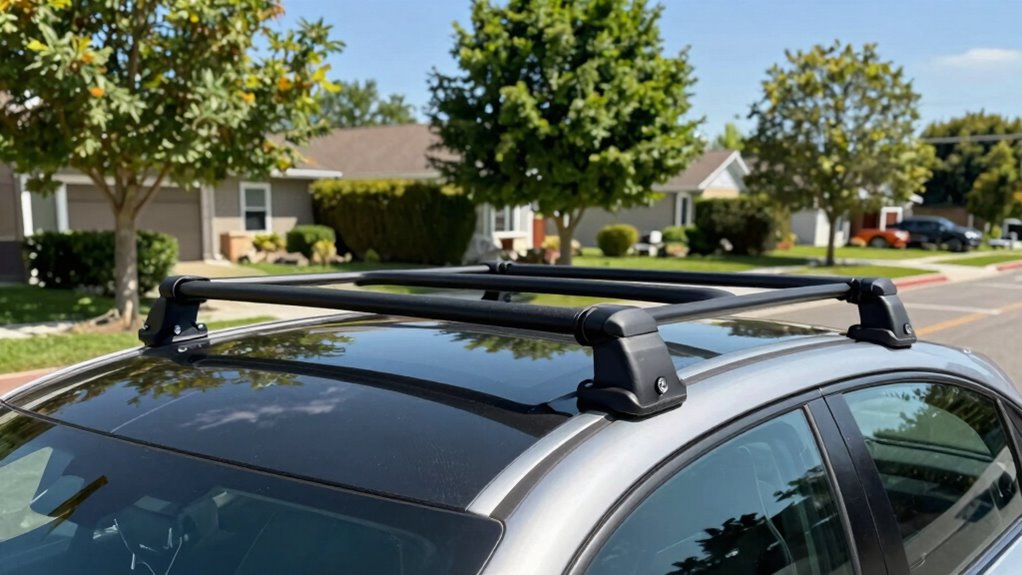

Before mounting a roof rack full time, you need to follow the manufacturer’s instructions carefully and guarantee all bolts and clamps are securely tightened. Check the rack’s weight capacity and evenly distribute your gear to prevent damage or safety issues. Keep in mind how the rack affects your vehicle’s aerodynamics and fuel economy, and regularly inspect for wear or looseness. If you want to understand key safety and long-term benefits, keep going for essential details.
Key Takeaways
- Ensure proper installation with manufacturer’s instructions, secure bolts, and professional guidance if needed.
- Check the roof rack’s weight capacity and evenly distribute gear to avoid vehicle damage.
- Consider the impact on aerodynamics and fuel economy; use aerodynamic crossbars and inspect regularly.
- Plan for full-time use by securing gear, considering vehicle access, and monitoring wear and loosening.
- Account for regional factors, vehicle stability, and long-term durability to protect your investment.
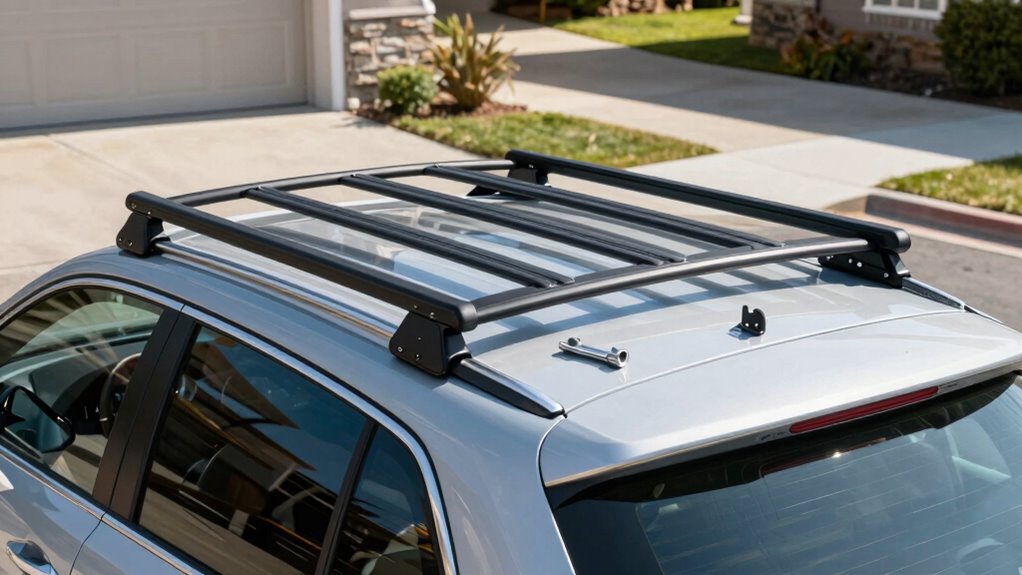
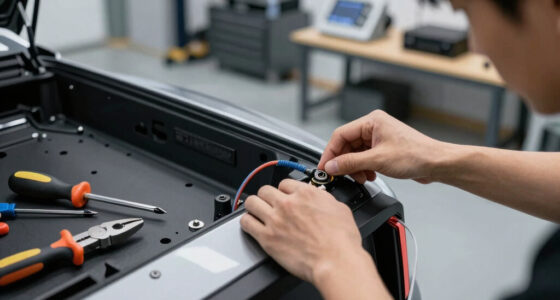
Have you ever wondered how to easily mount a roof rack on your vehicle? If you’re considering a full-time setup, it’s vital to understand the essentials before diving in. First, you need to prioritize installation safety. Proper installation isn’t just about securing the rack; it’s about making sure it’s done correctly to avoid accidents or damage while driving. Always follow the manufacturer’s instructions closely, and double-check that all bolts and clamps are tightened securely. Use the right tools, and if you’re unsure about any step, consult a professional to guarantee the rack is mounted correctly. An improper installation can compromise your safety and lead to costly repairs down the line.
Ensure safe, proper installation by following instructions and consulting professionals when needed.
Another essential factor to think about is the weight capacity of your roof rack. Every rack is rated for a maximum load, which includes the weight of the rack itself plus whatever you plan to carry. Overloading can cause damage to your vehicle’s roof, reduce fuel efficiency, or even lead to the rack detaching during transit. Before mounting, measure the weight of your gear and compare it to the rack’s specified capacity. Remember, exceeding the weight limit not only risks damage but also violates safety regulations. Distributing weight evenly across the rack helps maintain stability and prevents undue stress on any one point. Incorporating proper weight distribution techniques can further enhance safety and performance. Additionally, understanding the vehicle’s load limits helps you stay within safe operating parameters and avoid potential damage. It’s also wise to consider road conditions and how they might impact the stability of an overburdened rack during travel.
When planning to keep a roof rack installed full-time, you also need to think about how it affects your vehicle’s aerodynamics and fuel economy. An improperly mounted rack can create additional drag, which increases fuel consumption and can cause noise or vibrations while driving. To mitigate these issues, choose a rack that’s designed for your vehicle and use aerodynamic crossbars if possible. Regularly inspect the mounting points for signs of wear or loosening, especially if you drive frequently or on rough roads. Being aware of power quality and ensuring secure connections can further enhance the safety and longevity of your installation.
Additionally, considering the cultural significance of certain regions can influence how you plan your trips and what gear you carry, especially if your vehicle is often used for adventures or exploration. Lastly, be mindful of the overall impact on your vehicle’s access and security. A permanently mounted rack might make it harder to open your car’s doors or hatch, so plan accordingly. Securing your gear with locks or straps adds an extra layer of safety, especially if you often leave your vehicle unattended. Taking these precautions ensures your roof rack remains safe, functional, and reliable for long-term use. By paying attention to installation safety and respecting weight capacity limits, you set yourself up for a hassle-free experience and protect your investment in your vehicle and gear.
As an affiliate, we earn on qualifying purchases.
Frequently Asked Questions
Can I Remove the Roof Rack Easily When Not in Use?
Yes, you can remove your roof rack easily when not in use. The removal process usually involves using mounting tools to loosen and detach the rack from your vehicle’s roof. Most roof racks are designed for quick removal, so you won’t need much time or effort. Just keep your mounting tools handy and follow the manufacturer’s instructions for a smooth, hassle-free removal whenever you need to take it off.
Will a Roof Rack Affect My Vehicle’s Fuel Efficiency?
A roof rack can slightly affect your vehicle’s fuel efficiency, mainly because of increased drag resistance. While some believe it drastically reduces fuel consumption, the actual impact depends on your rack’s size and how often you drive. Typically, expect a small decrease in mileage. To minimize this, remove the rack when you don’t need it, especially on long highway trips, to keep fuel economy optimized.
How Do I Prevent Theft of My Mounted Roof Rack?
To prevent theft of your mounted roof rack, use security tips like locking mechanisms and anti-theft screws. Park in well-lit, busy areas to deter thieves, and consider installing a cable lock or alarm system for added security. Regularly check that your rack is secure, and remove it if you’ll be away for an extended period. These theft deterrents keep your gear safe and give you peace of mind.
Are There Weight Limits for Full-Time Roof Racks?
Your roof rack’s weight limit isn’t just a suggestion, it’s a rule you can’t ignore—think of it as the backbone of your vehicle’s safety. Material durability and installation stability are key, ensuring your rack can handle the load. Always check the manufacturer’s specified weight capacity, and avoid overloading. Respecting these limits keeps your gear secure and your vehicle’s structure intact, preventing potential disaster on the road.
Will a Roof Rack Interfere With My Car’s Aerodynamics?
A roof rack can impact your vehicle’s aerodynamics, increasing aerodynamic drag and potentially reducing fuel efficiency. It might also affect vehicle stability, especially at higher speeds or in windy conditions. To minimize these effects, choose a low-profile rack, secure it properly, and remove it when not in use. Monitoring your fuel economy and handling can help you gauge how much the roof rack influences your driving performance.
As an affiliate, we earn on qualifying purchases.
Conclusion
Now that you know the ins and outs of mounting a roof rack, you’re all set to hit the road with confidence. Just remember, it’s better to be safe than sorry—taking the time to install and maintain it properly will save you headaches down the line. Think of it as tying up loose ends before a big trip. When you do it right, you’ll be able to carry your gear hassle-free and enjoy your adventures to the fullest.
vehicle roof rack security straps
As an affiliate, we earn on qualifying purchases.
As an affiliate, we earn on qualifying purchases.
full-time roof rack storage solutions
As an affiliate, we earn on qualifying purchases.
As an affiliate, we earn on qualifying purchases.