
TL;DR

Get business pricing on garage and car supplies
- Business-only prices and quantity discounts
- Tax-exempt purchasing
- Multiple users, one account, clear invoices
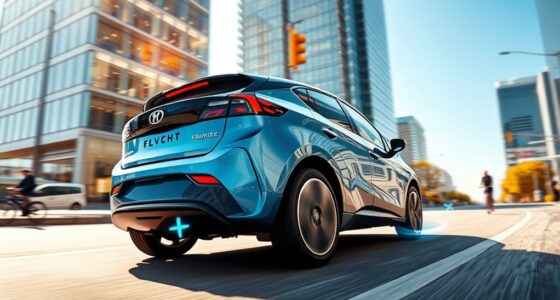
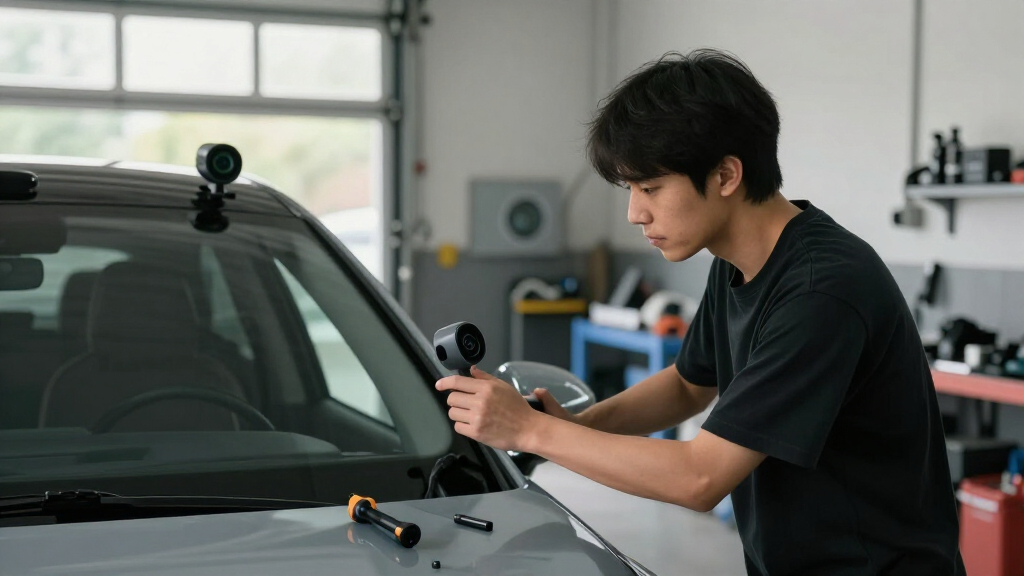
Waymo has publicly criticized Tesla’s reliance on cameras alone for self-driving, suggesting that cameras are insufficient for full autonomy. The move marks a notable critique in the autonomous vehicle industry, emphasizing differing technological philosophies.
Waymo has publicly criticized Tesla’s self-driving technology, asserting that relying solely on cameras is inadequate for safe autonomous driving. This marks a direct challenge to Tesla’s strategy, which emphasizes camera-based perception as the core of its Autopilot and Full Self-Driving (FSD) systems. The statement underscores ongoing industry debates over sensor technology and raises questions about the future of autonomous vehicle development. The critique comes amid increased scrutiny of Tesla’s approach, which has been tested extensively on public roads and promoted by CEO Elon Musk.
According to sources familiar with Waymo’s recent comments, the company has publicly stated that cameras alone cannot provide the comprehensive environmental understanding necessary for safe autonomous driving. Waymo, a leader in sensor-rich autonomous systems, advocates for the integration of lidar, radar, and cameras to ensure redundancy and safety. The company’s executives have emphasized that lidar offers crucial depth perception and object detection capabilities that cameras cannot fully replicate.
While Tesla has championed a vision-only approach, asserting that cameras, combined with AI, are sufficient to achieve full autonomy, Waymo and other industry players argue that this reliance leaves gaps in perception. Critics point out that Tesla’s approach has faced scrutiny following incidents involving its driver-assistance systems, which rely heavily on cameras and AI without lidar or radar support.
Tesla has not yet responded publicly to Waymo’s critique, but the company continues to promote its camera-centric system as a cost-effective, scalable solution. Industry analysts note that Tesla’s strategy aims to reduce hardware costs and simplify manufacturing, contrasting with Waymo’s sensor suite, which involves higher costs but potentially greater safety margins.
Implications of Industry Divergence on Autonomous Tech
This public critique highlights a fundamental divide in the autonomous vehicle industry over sensor technology. Waymo’s emphasis on multi-sensor systems underscores a focus on safety and redundancy, which could influence regulatory standards and consumer trust. Tesla’s approach, prioritizing cameras to reduce costs, remains under scrutiny due to safety concerns, especially after incidents involving its driver-assist features. The debate impacts investor confidence, regulatory policies, and consumer perceptions of autonomous vehicle safety, shaping the future landscape of self-driving technology.
As an affiliate, we earn on qualifying purchases.
Industry Debate Over Sensor Technologies in Autonomous Vehicles
The industry has long debated the best sensor suite for autonomous vehicles. Companies like Waymo and Cruise deploy a combination of lidar, radar, and cameras, emphasizing safety and redundancy. Tesla, on the other hand, has pursued a vision-only approach, claiming that advanced AI and cameras are sufficient for full autonomy. Tesla’s strategy gained traction with its large-scale deployment of FSD beta and its focus on reducing hardware costs.
Recent incidents involving Tesla’s driver-assistance systems, including crashes and regulatory scrutiny, have intensified debates about the adequacy of camera-only perception. Meanwhile, Waymo has continued to develop and test its multi-sensor systems, claiming they provide more reliable environmental understanding, especially in complex scenarios.
This divergence reflects broader industry questions about safety, scalability, and cost, with regulators increasingly scrutinizing the sensor configurations used in commercial autonomous systems.
“Cameras alone cannot provide the depth perception and environmental understanding necessary for safe autonomous driving.”
— Waymo spokesperson
As an affiliate, we earn on qualifying purchases.
Unclear Impact of Industry Critique on Tesla’s Strategy
It remains uncertain how Tesla will respond publicly to Waymo’s critique, or whether this will influence regulatory decisions or consumer trust. Tesla continues to assert that its vision-only approach is viable, but the long-term safety and scalability of this strategy are still under debate. Further testing and incident data could shape future industry standards and public perception.
multi-sensor autonomous driving kit
As an affiliate, we earn on qualifying purchases.
As an affiliate, we earn on qualifying purchases.
Potential Industry and Regulatory Responses to Sensor Debate
In the coming months, industry stakeholders and regulators are expected to scrutinize Tesla’s sensor suite more closely, especially following any incidents or regulatory filings. Tesla may also adjust its messaging or hardware configurations in response to ongoing industry criticism. Meanwhile, competitors like Waymo will likely continue to emphasize the safety benefits of multi-sensor systems, possibly influencing future standards and policies for autonomous vehicles.
As an affiliate, we earn on qualifying purchases.
Key Questions
What is Tesla’s main argument for using only cameras in its self-driving system?
Tesla argues that cameras, combined with advanced AI, are sufficient for full autonomy and offer a cost-effective, scalable solution that simplifies hardware and reduces manufacturing costs.
Why does Waymo criticize Tesla’s camera-only approach?
Waymo states that cameras alone cannot provide the depth perception and environmental understanding necessary for safe autonomous driving, advocating for the inclusion of lidar and radar for redundancy and safety.
Has Tesla responded publicly to Waymo’s critique?
As of now, Tesla has not issued a public response to Waymo’s comments. The company continues to promote its vision-based approach, emphasizing cost savings and AI capabilities.
Could this industry debate affect regulatory policies?
Yes, regulators are increasingly scrutinizing sensor configurations and safety standards, which could influence future policies and approval processes for autonomous vehicle systems.
What are the safety implications of relying solely on cameras?
Experts warn that camera-only systems may lack the environmental perception depth provided by lidar and radar, potentially increasing the risk of accidents in complex or adverse conditions.
Source: rss
Halloween Picks
halloween
As an affiliate, we earn on qualifying purchases.