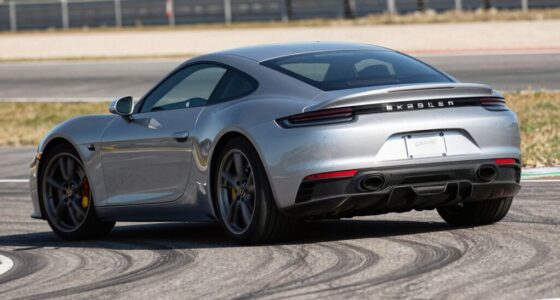
Launch control is a smart system that helps your high-performance car start quickly and smoothly. It works by managing engine power, traction, and the ideal launch RPM, so you get maximum acceleration without wheel slip. When activated, it coordinates throttle, clutch, and stability controls to deliver explosive starts consistently. If you want to understand how these systems optimize every launch, keep exploring how they fine-tune your car’s performance step-by-step.

Get garage and car supplies delivered free — and shop member deals
- Fast, free delivery on millions of items
- Access to Prime Big Deal Days deals on October 6–7
- Prime Video, Amazon Music and more included
Key Takeaways
- Launch control coordinates vehicle systems to deliver maximum acceleration while preventing wheel slip during startup.
- It uses sensors and an ECU to maintain a pre-set launch RPM for optimal power delivery.
- Traction control adjusts engine torque in real-time to keep tires within grip limits during launch.
- Activation requires driver input, with the system managing throttle, clutch, and traction for a smooth, fast start.
- Advanced launch control ensures consistent, explosive launches by fine-tuning torque and minimizing human error.
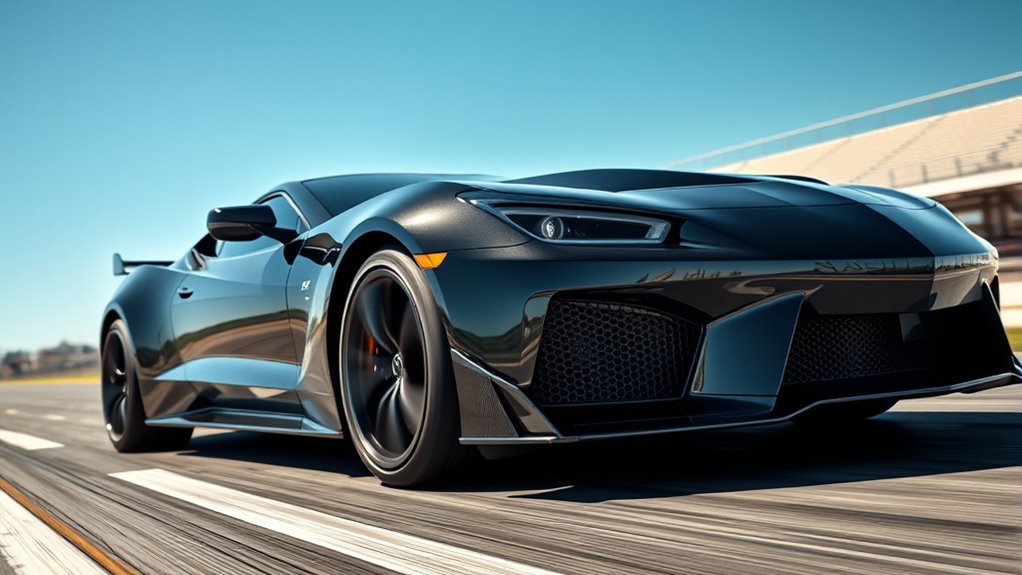
Have you ever wondered how race cars accelerate so quickly off the line? The secret lies in a combination of advanced technology and precise control systems, with launch control playing a central role. When you activate launch control, your car’s systems work together to optimize your start, making certain of maximum acceleration without wheel slip or bogging down. One key component is traction control, which helps manage the power delivered to your wheels. Traction control monitors wheel spin and adjusts engine torque accordingly, preventing your tires from losing grip as you surge forward. This is especially important at the start when the car’s power is at its peak and the tires are trying to grip the road surface.
Another essential factor is setting the launch rpm, which is the engine speed at which you hold the throttle before launching. You typically select a launch rpm that provides the best balance between power and stability—too high, and you risk wheel spin; too low, and you won’t maximize your acceleration. Once you’ve set this RPM, the launch control system takes over, keeping the engine at that specific speed while you release the brake and accelerate. This controlled launch minimizes human error and makes certain of a consistent, rapid start every time.
When you engage launch control, your car’s electronic control unit (ECU) takes charge, coordinating between the throttle, clutch (if manual), and traction control. It automatically adjusts engine output to make certain the tires stay within their grip limits while delivering the highest possible acceleration. This process is especially effective in high-performance vehicles designed for racing or spirited driving, where fractions of a second count. The launch rpm is pre-programmed based on the car’s setup, and the traction control constantly fine-tunes torque delivery to optimize traction during the vital initial moments of acceleration.
Additionally, understanding the role of high-performance systems such as advanced sensors and ECU calibration can further improve launch efficiency. In essence, launch control simplifies what would otherwise be a delicate balancing act—matching engine power, tire grip, and driver input. By controlling the launch rpm and leveraging traction control, your high-performance car can achieve explosive starts and consistent performance. It’s like having a co-pilot guiding your acceleration, making sure you get the best possible start every time. Whether you’re at the drag strip or just want a quick, smooth launch on the street, understanding these systems helps you harness your vehicle’s full potential, making certain you get off the line faster, smoother, and more confidently.
As an affiliate, we earn on qualifying purchases.
Frequently Asked Questions
Can Launch Control Damage the Engine or Transmission?
Launch control can cause engine stress and transmission wear if used improperly or excessively. While it’s designed to optimize acceleration, frequent or aggressive launches may strain your engine components and transmission. To prevent damage, use launch control sparingly and follow your car’s guidelines. Proper use minimizes risks, ensuring your high-performance vehicle remains reliable without suffering from unnecessary engine stress or transmission wear.
Is Launch Control Legal on Public Roads?
Think of launch control as a finely tuned symphony—beautiful in a controlled environment but potentially chaotic outside. On public roads, it’s generally illegal due to safety concerns and legal implications, like risking fines or license suspension. Authorities see it as a reckless tool that compromises safety, so using launch control on the street can lead to serious consequences. Play by the rules to keep your thrill ride safe and legal.
How Does Launch Control Differ From a Manual Launch?
A launch control differs from a manual launch because it automates engine revs and clutch engagement for ideal acceleration, reducing driver error. You benefit from precise launch control calibration, which maximizes performance while maintaining driver safety. With manual launches, you control every aspect, risking mistakes. Launch control offers consistent, safe starts, especially at high speeds, by managing power delivery smoothly, making it ideal for quick, safe acceleration without compromising safety.
What Are the Best Conditions for Using Launch Control?
The best conditions for using launch control involve dry, warm days with ideal traction control settings. Make sure your tires have good grip, as wet or slippery surfaces reduce traction and can hinder launch performance. Find a flat, smooth surface to minimize wheelspin. Avoid strong crosswinds or uneven terrain, since these factors can compromise tire grip and make it harder for launch control to deliver a perfect, rapid start.
Can Launch Control Be Customized for Different Driving Styles?
Yes, you can customize launch control for different driving styles through various customization options. You can adjust settings like throttle response, shift points, and torque delivery to suit your preferences. By making driving style adjustments, you optimize performance and comfort. Most high-performance cars with launch control systems allow you to tweak these parameters via onboard menus or dedicated apps, ensuring your launches match your desired driving experience.
traction control device for vehicles
As an affiliate, we earn on qualifying purchases.
As an affiliate, we earn on qualifying purchases.
Conclusion
Now that you understand how launch control works, you’re like a conductor guiding a symphony of power and precision. With this technology, your high-performance car transforms every start into a perfectly orchestrated burst of speed, catapulting you forward like a rocket igniting into the sky. So, whenever you hit that pedal, remember you’re not just driving—you’re commanding a finely tuned machine ready to unleash its full potential at your command.
As an affiliate, we earn on qualifying purchases.
As an affiliate, we earn on qualifying purchases.
Halloween Picks
halloween
As an affiliate, we earn on qualifying purchases.